




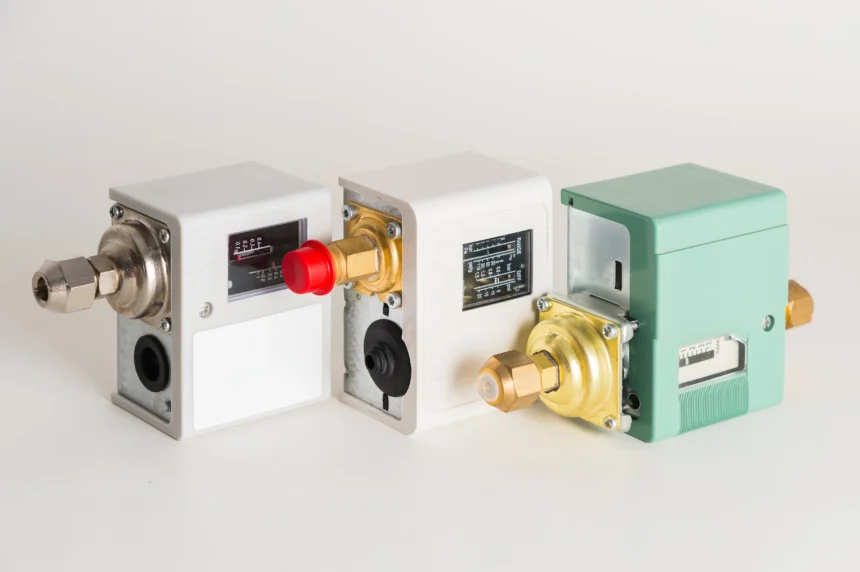

Pressure switches play a crucial role in various industries and applications, from HVAC systems to industrial machinery. This article delves into the concept, types, applications, and troubleshooting of pressure switches. Whether you’re new to pressure switches or looking to enhance your knowledge, this guide will provide detailed insights into everything you need to know.
What is a Pressure Switch?
A pressure switch is a device that automatically controls the pressure within a system by opening or closing an electrical circuit when a pre-set pressure level is reached. These devices are widely used in systems like pumps, compressors, and hydraulic systems to ensure optimal operation and prevent damage due to overpressure or underpressure conditions.
How Does a Pressure Switch Work?
The operation of a pressure switch is relatively straightforward. It has a sensing element that responds to changes in pressure. When the pressure in the system reaches a predefined threshold, the switch activates, either closing or opening the circuit, which then triggers the necessary response in the system.
This action helps regulate the pressure, ensuring that the system operates within safe parameters. The pressure setting is adjustable in many models, allowing for customization based on the needs of the specific application.
Types of Pressure Switches
There are several types of pressure switches, each designed to meet the demands of different systems and applications. Here are the most common types:
1. Mechanical Pressure Switch
Mechanical pressure switches use a diaphragm or piston to detect changes in pressure. These switches are often used in applications where a mechanical response is sufficient to control pressure. They are simple, reliable, and do not require external power sources.
2. Electrical Pressure Switch
Electrical pressure switches are more complex and often used in modern systems. They use electrical sensors to detect pressure changes and can send signals to external devices, making them ideal for automated systems that require more precise control.
3. Digital Pressure Switch
These switches are highly accurate and use digital sensors for pressure measurement. They provide real-time data and can be integrated with digital control systems for advanced automation and monitoring.
4. Vacuum Pressure Switch
Vacuum pressure switches are designed specifically for systems that operate in a vacuum or low-pressure environments. They activate when the pressure falls below a certain level, ensuring the system remains within safe operating conditions.
Applications of Pressure Switches
Pressure switches are used across various industries, offering crucial control and protection. Here are some common applications:
1. HVAC Systems
In heating, ventilation, and air conditioning (HVAC) systems, pressure switches regulate the pressure of refrigerants in cooling cycles and prevent compressors from overloading.
2. Water Pumping Systems
Pressure switches are vital in water pumping systems, ensuring that the pump operates at optimal pressure levels. They prevent the pump from running dry and protect it from damage.
3. Industrial Equipment
In factories and industrial settings, pressure switches are often used to monitor hydraulic and pneumatic systems. They ensure that machinery operates at the correct pressure, preventing costly breakdowns.
4. Automotive Industry
Pressure switches are employed in automotive applications, including controlling the pressure in air conditioning systems, fuel systems, and braking systems.
Benefits of Using a Pressure Switch
Incorporating a pressure switch into your system offers several advantages:
-
Prevent System Damage: By ensuring that the pressure remains within safe limits, a pressure switch prevents damage to equipment.
-
Energy Efficiency: Proper pressure control optimizes the system’s performance, improving overall energy efficiency.
-
Safety: Pressure switches help prevent dangerous overpressure or underpressure situations, which could lead to catastrophic failure or safety hazards.
-
Cost Savings: By preventing damage and optimizing efficiency, pressure switches can reduce maintenance costs and extend the lifespan of equipment.
Key Components of a Pressure Switch
Understanding the key components of a pressure switch can help you better comprehend how it works. The following are the main parts:
-
Sensing Element: This detects changes in pressure, typically made from materials like metal diaphragms, bellows, or pistons.
-
Actuator: The actuator is responsible for opening or closing the switch when a certain pressure threshold is met.
-
Setpoint Adjustment: This feature allows users to adjust the pressure at which the switch activates.
-
Electrical Contacts: These contacts are responsible for sending electrical signals to external systems when the pressure limit is reached.
Pressure Switch Settings
The settings on a pressure switch determine at what pressure the switch will activate. The most common settings include:
-
Differential Pressure: The difference between the upper and lower pressure points that trigger the switch.
-
Setpoint: The pressure point at which the switch activates.
-
Deadband: The range within which the switch will not activate, helping to prevent rapid cycling of the switch.
How to Install a Pressure Switch
Installing a pressure switch requires careful attention to detail. Here are the general steps for installation:
1. Select the Right Location
Choose a location that allows the pressure switch to accurately sense the pressure within the system. It should be free of vibrations and be easily accessible for maintenance.
2. Mount the Switch
Ensure the switch is securely mounted, following the manufacturer’s instructions. The switch should be aligned with the system to avoid any mechanical stress.
3. Connect the Electrical Wires
Wire the switch according to the provided diagram. If it’s an electrical or digital switch, connect it to the appropriate control system.
4. Calibrate the Switch
Set the desired pressure threshold and test the system to ensure that the switch functions correctly.
Troubleshooting Common Pressure Switch Issues
While pressure switches are reliable, issues can occasionally arise. Here are some common problems and their solutions:
1. Switch Won’t Activate
-
Cause: Incorrect pressure setpoint, or the pressure in the system is not reaching the set threshold.
-
Solution: Check the system pressure and adjust the setpoint if necessary.
2. Frequent Cycling
-
Cause: A narrow differential setting or a system with fluctuating pressure.
-
Solution: Adjust the differential range or check for pressure stability within the system.
3. Switch Failures
-
Cause: Mechanical damage, contamination, or wear and tear.
-
Solution: Inspect the switch for damage and replace it if needed.
Pressure Switch Maintenance
Maintaining your pressure switch is crucial for ensuring its longevity and efficiency. Here are some tips:
-
Regular Inspections: Periodically check the switch for wear and tear, ensuring that it functions correctly.
-
Clean the Contacts: Dirt and debris can cause electrical contact problems, so cleaning the switch’s electrical components is essential.
-
Test the System: Regularly test the system to ensure that the pressure switch responds appropriately to pressure changes.
Key Takeaways
-
Pressure switches are vital components in controlling and regulating the pressure within a system.
-
There are several types, including mechanical, electrical, digital, and vacuum pressure switches, each designed for specific applications.
-
Applications of pressure switches range from HVAC systems to industrial machinery and automotive systems.
-
Proper installation and maintenance are key to ensuring the reliable operation of pressure switches.
-
Regular troubleshooting and testing can prevent common issues and extend the lifespan of the pressure switch.
Frequently Asked Questions (FAQ)
1. How do I know which pressure switch is right for my application?
You should consider the pressure range, environment, and type of system you are working with. Consult with manufacturers for guidance on selecting the appropriate pressure switch.
2. Can I adjust the pressure settings on a pressure switch?
Yes, many pressure switches have adjustable setpoints and deadbands, allowing you to customize the activation pressure based on your needs.
3. What happens if a pressure switch fails?
If a pressure switch fails, the system could either overpressurize or operate inefficiently, potentially leading to system damage or failure.
Conclusion
Pressure switches are essential devices for maintaining optimal pressure in various systems, ensuring both safety and efficiency. Whether in HVAC systems, water pumps, or industrial machinery, these devices provide crucial control to prevent equipment damage. Regular maintenance, proper installation, and timely troubleshooting can help prolong the life of a pressure switch, ensuring reliable operation for years to come.
For more information on pressure switches, check out this Wikipedia page on pressure switches.