


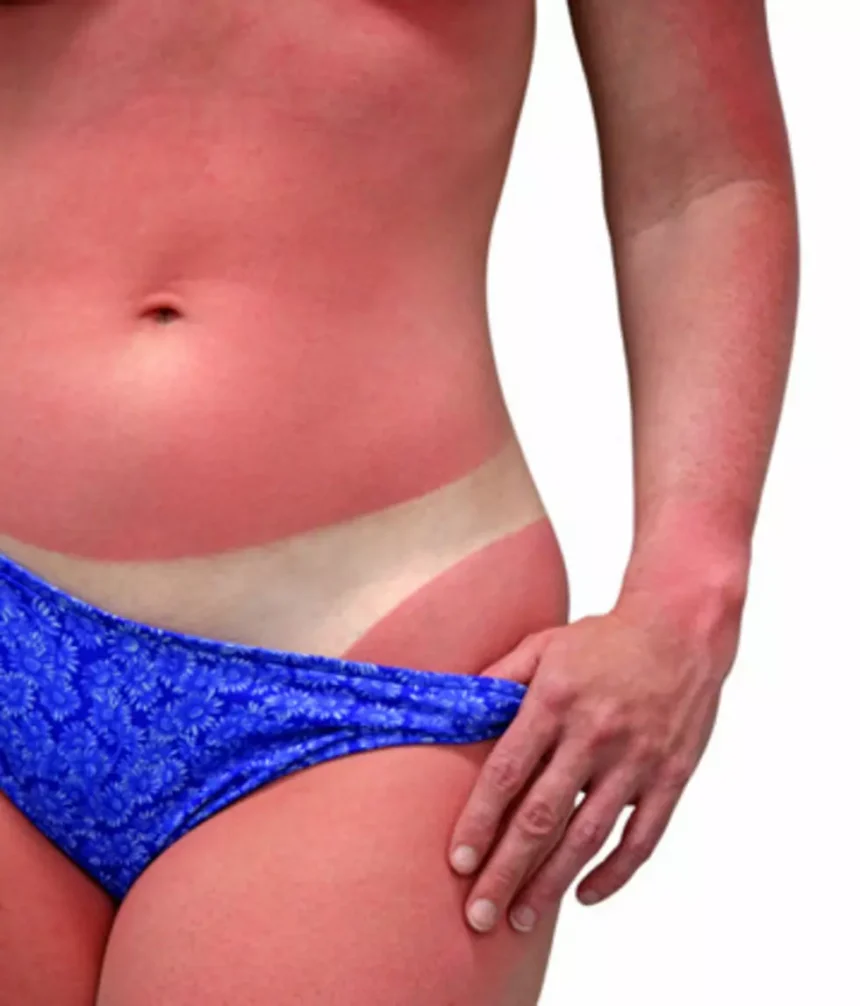

Sun poisoning sounds scary, and honestly, it kind of is. Despite the name, it’s not actual poison in your body. It’s the term people use for a really bad reaction to too much sun. Think of it as a sunburn that decided to bring friends like fever, chills, and nausea along for the ride.
If you’ve ever spent a long day outside and felt awful afterward, you might have dealt with it without even knowing the name. Let’s break it all down in plain language.
What Is Sun Poisoning, Really?
Here’s the thing: sun poisoning isn’t a medical diagnosis you’ll find on a chart. It’s a casual name for a severe sunburn or an allergic reaction to the sun.
When your skin gets too much UV exposure, it can go beyond redness. You start feeling sick all over. That’s when people reach for the phrase “sun poisoning.”
How Sun Poisoning Differs From a Regular Sunburn
A normal sunburn is annoying but pretty simple. Your skin turns red, feels warm, and might peel a few days later.
Sun poisoning goes further. On top of the burn, you feel body-wide symptoms. To be honest, that’s the main clue. If your skin hurts and you feel feverish or dizzy, it’s more than just a sunburn.
The Simple Rule of Thumb
- Regular sunburn: red, tender skin, some peeling
- Sun poisoning: all of that plus nausea, fever, chills, or blistering
If it feels like your whole body got hit, not just your skin, take it seriously.
Common Symptoms of Sun Poisoning
What’s interesting is how varied the symptoms can be. Some people get mostly skin issues. Others feel genuinely unwell.
Here are the signs to watch for:
- Painful blistering on the skin
- Red, itchy skin rash
- Peeling skin after a day or two
- Nausea or vomiting
- Fever and chills
- Dizziness or a headache
- Dehydration
Not everyone gets every symptom. But if you notice several together, that points to sun poisoning.
Skin Symptoms vs. Whole-Body Symptoms
Skin symptoms are the obvious part: redness, blisters, and that itchy rash. The whole-body symptoms, like fever and heat exhaustion, tend to worry people more, and rightly so.
What Causes Sun Poisoning?
The main culprit is simple. Too much UV radiation from the sun.
When your skin absorbs more ultraviolet light than it can handle, the cells get damaged. Your body responds with inflammation, and sometimes that response gets intense.
UV Radiation Overexposure
Long hours outside without protection are the biggest risk. The sun’s rays are strongest between 10 a.m. and 4 p.m., so that’s the danger window.
Photodermatitis and Photoallergy
Here’s a twist. Some people react badly to the sun because of a condition called photodermatitis. It’s basically a sun allergy.
In these cases, sunlight triggers an allergic response in the skin. Certain medications, perfumes, and even some plants can make your skin more sensitive to light. That reaction sometimes gets lumped in with sun poisoning too.
Who’s Most at Risk?
Anyone can get sun poisoning. Still, some folks are more likely to deal with it than others.
You’re at higher risk if you:
- Have fair or light skin that burns easily
- Live or vacation in sunny, high-altitude spots
- Take certain medications, like some antibiotics or acne treatments
- Have a history of sun allergy or skin rash from sunlight
- Skip the SPF sunscreen (a big one, honestly)
Medications and Sun Sensitivity
This part surprises people. Some common meds make your skin far more sensitive to UV exposure. If you’re on a new prescription, it’s worth checking whether sun sensitivity is a side effect.
How to Treat Sun Poisoning at Home
Good news: mild cases usually get better on their own with some care. Most sunburn treatment steps work for sun poisoning too.
Try these:
- Get out of the sun. Move to shade or indoors right away.
- Cool down your skin. Use a cool (not cold) shower or a damp cloth.
- Drink plenty of water. Dehydration makes everything worse.
- Apply aloe vera or a gentle moisturizer. It soothes and cools the skin.
- Take a pain reliever. Ibuprofen can help with pain and swelling.
- Leave blisters alone. Popping them can lead to infection.
What to Avoid
Don’t use petroleum-based products on fresh burns. They trap heat. Skip harsh soaps and tight clothing over the sore areas too.
Rest and Hydration Matter
Your body’s working hard to heal. Give it time, fluids, and rest. That combo speeds up recovery more than any cream.
When to See a Doctor
Most cases clear up in a few days. But sometimes you need real medical help.
Get care if you notice:
- A high fever with chills
- Severe blistering over a large area
- Signs of dehydration, like a very dry mouth or barely peeing
- Confusion, fainting, or trouble breathing
- Symptoms of heat exhaustion that don’t ease with rest and water
Don’t Wait If It Feels Serious
Here’s the thing: if you’re unsure, it’s better to check. Severe sunburn combined with feeling truly sick is your body waving a red flag.
How to Prevent Sun Poisoning
Prevention beats treatment every single time. And it’s not complicated.
A few simple habits go a long way:
- Wear SPF sunscreen daily. Aim for SPF 30 or higher, and reapply every two hours.
- Cover up. Hats, sunglasses, and light long sleeves help a lot.
- Seek shade during peak sun hours.
- Check your meds. Ask your doctor if anything you take raises sun sensitivity.
- Ease into sun exposure. Don’t go from zero to a full beach day.
Sunscreen Tips People Forget
Reapplying is where most people slip up. One morning coat isn’t enough. Sweat and water wash it off, so top up throughout the day. And yes, use it even when it’s cloudy, since UV rays still get through.
Protecting Sensitive Skin
If you have a known sun allergy or photodermatitis, be extra careful. Physical sunscreens with zinc oxide often work better for reactive skin. Talk to a dermatologist if reactions keep happening.
How Long Does Sun Poisoning Last?
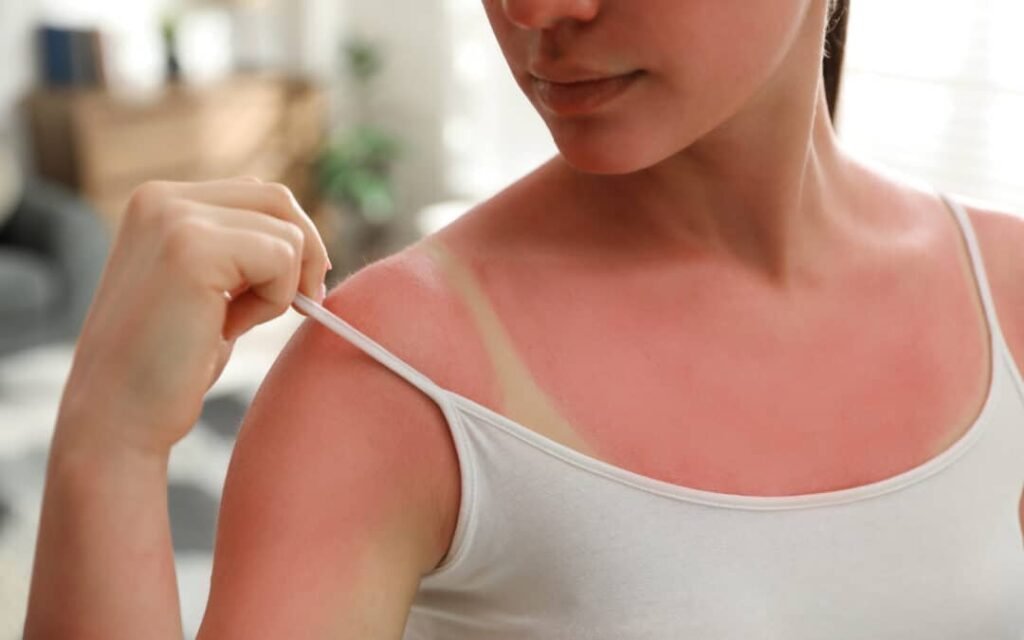
Mild cases usually improve within a few days. More severe reactions, especially with blistering, can take a week or longer to fully heal.
Peeling skin often shows up as things get better. It looks alarming, but it’s just your skin repairing itself.
Quick Recap of the Key Facts
Let me pull it all together in a few lines.
- Sun poisoning is a severe reaction to sun exposure, not real poison
- It’s more intense than a regular sunburn
- Symptoms include blistering, fever, chills, nausea, and skin rash
- UV overexposure and photodermatitis are the main causes
- Home care, hydration, and rest handle most cases
- Prevention with SPF sunscreen and shade is your best defense
Final Thoughts on Staying Sun-Safe
Sun poisoning is one of those things that’s easy to shrug off until it happens to you. A fun day outdoors can turn miserable fast when your skin and body react badly to UV exposure.
The takeaway is simple. Respect the sun, protect your skin, and listen to your body. If you want to read more about the allergic side of sun reactions, this overview of photodermatitis is a solid place to start. Stay cool, stay covered, and enjoy the sunshine the smart way.