





Selling a home is one of the most significant financial transactions many people will undertake. The process involves numerous steps, from staging and marketing to negotiating offers and closing the deal. In some parts of the world, a key component of this process was once the home information pack, a collection of documents designed to provide potential buyers with essential information upfront. While the mandatory nature of these packs has changed, the concept behind them—providing transparent, comprehensive information to buyers—remains incredibly relevant. This guide will explore the history, components, and modern-day equivalents of the home information pack, offering valuable insights for both sellers and buyers in the United States.
Understanding the principles behind the home information pack can help you navigate the complexities of a real estate transaction with greater confidence. Whether you are preparing to list your property or are on the hunt for your dream home, knowing what information is crucial can streamline the process, prevent last-minute surprises, and lead to a more successful outcome for everyone involved.
What is a Home Information Pack?
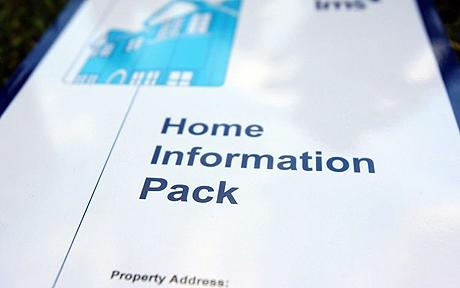
A home information pack (HIP) was a legally required set of documents that a seller in England and Wales had to provide to prospective buyers before marketing their property. Introduced in 2007 and suspended in 2010, the goal was to make the home-buying process faster, more transparent, and less prone to failure. The pack contained crucial information about the property, including energy performance, title deeds, local authority searches, and property information questionnaires. By providing this information at the beginning of the process, the government hoped to reduce the number of sales that fell through due to issues discovered late in the game.
The core idea was to shift the burden of information gathering from the buyer to the seller. Instead of each interested buyer commissioning their own searches and surveys, the seller would compile a single, comprehensive home information pack for all potential purchasers. This was intended to save time and money, as well as ensure that buyers were well-informed before making an offer. While the specific legal requirement for a home information pack no longer exists, its spirit lives on in the form of seller disclosures and the general best practice of preparing a property file before a sale. In the U.S., while there is no federally mandated equivalent, many states have their own disclosure requirements that serve a similar purpose.
The History and Purpose of the Home Information Pack
The concept of the home information pack was born out of a desire to reform a housing market that was often seen as inefficient and frustrating. Before the introduction of HIPs in England and Wales, a significant percentage of property transactions would collapse after an offer was accepted but before the contracts were exchanged. This was often due to problems uncovered during the buyer’s due diligence, such as legal issues with the title, unfavorable survey results, or problems revealed in local authority searches. These failed transactions resulted in wasted time, money, and emotional distress for both buyers and sellers.
The government’s solution was the home information pack. The primary purpose was to front-load the information-gathering process. By requiring sellers to have this information ready before even listing their home, it was believed that:
- Transparency would increase: Buyers would have a clearer picture of the property from the very beginning.
- Transactions would speed up: With essential documents already available, the time between offer acceptance and closing could be significantly reduced.
- “Gazumping” would be less common: Gazumping occurs when a seller accepts a higher offer from a new party after already agreeing to a sale. By speeding up the process, HIPs aimed to shorten the window of opportunity for this to occur.
- Fewer sales would fall through: Buyers would be less likely to back out due to unforeseen issues discovered late in the process.
Although the mandatory home information pack was eventually suspended due to criticisms about its cost and effectiveness, its historical purpose highlights a universal need for clarity and efficiency in real estate dealings.
Why Was the Home Information Pack Suspended?
Despite its well-intentioned goals, the home information pack faced significant criticism from the moment it was introduced. The program was officially suspended in May 2010, just three years after its launch. Several key factors contributed to its demise. One of the primary complaints was the cost. Sellers were required to pay for the creation of the home information pack before they could even market their property, which could range from a few hundred to over a thousand pounds. This upfront cost was a financial burden, especially for those who might not have been certain about selling or who needed to sell quickly due to financial hardship.
Another major issue was the perceived lack of value. Many real estate professionals and sellers argued that the packs did not contain enough useful information to justify their cost and the hassle of compiling them. For instance, the mortgage lender would still require its own valuation, and many cautious buyers would still commission their own independent, more detailed survey. This duplication of effort and cost led many to question the efficiency of the home information pack system. There were also concerns that the information in the pack, particularly the searches, could become outdated if a property remained on the market for an extended period, requiring sellers to pay for updates. The combination of high upfront costs, questionable utility, and administrative burdens ultimately led the new coalition government in 2010 to suspend the requirement, reverting to a system where the buyer is primarily responsible for due diligence.
Key Components of a Traditional Home Information Pack
To truly understand the value proposition of a home information pack, it’s essential to break down its contents. Each document was chosen to provide a snapshot of the property’s legal standing, physical condition, and energy efficiency. While the specific list of required documents evolved slightly during the HIP’s tenure, the core components remained consistent. These documents collectively aimed to answer the most pressing questions a buyer would have before committing to a purchase.
Understanding these components is still useful today, as they form the basis of a comprehensive seller’s disclosure packet, even in markets where a formal home information pack is not required. Preparing this information in advance can make you a more organized and attractive seller in any market.
Mandatory Documents
The original home information pack included several documents that were legally required for every sale. These formed the backbone of the pack and provided the most critical information.
- Property Information Questionnaire (PIQ): This was a standardized form completed by the seller. It covered practical details about the property, such as boundaries, disputes with neighbors, known alterations or building work, parking arrangements, and which utilities were connected.
- Energy Performance Certificate (EPC): This certificate, which remains a legal requirement for sales and rentals in the UK, rates the energy efficiency of the property and provides recommendations for improvement. It gives buyers an idea of their potential future energy costs.
- Title Documents: These official documents from the Land Registry proved the seller’s ownership of the property. They included the title register and title plan, which detailed any rights of way, covenants, or other legal restrictions affecting the property.
- Local Authority Searches: These searches revealed important information held by the local government, such as planning permissions, building control history, proposals for new roads, or whether the property was in a conservation area.
Optional and Recommended Documents
Beyond the mandatory items, a home information pack could be enhanced with additional documents that provided a more complete picture of the property. While not legally required, including them was considered good practice.
- Home Condition Report: This was an optional but highly encouraged report prepared by a qualified home inspector. It was a light version of a full structural survey, providing an objective assessment of the property’s physical condition. The idea was to give buyers an early warning of any potential issues, but many buyers still opted for their own, more detailed survey.
- Leasehold Information: For leasehold properties (common for apartments or condos), the pack would need to include a copy of the lease, along with information about the management company, service charges, ground rent, and the remaining length of the lease.
- Warranties and Guarantees: It was helpful to include any existing warranties for work done on the property, such as for a new roof, damp-proofing, or new windows. Guarantees for appliances being included in the sale were also useful.
The table below summarizes the core components of a classic home information pack.
|
Document Category |
Specific Item |
Purpose |
|---|---|---|
|
Seller Information |
Property Information Questionnaire |
Provide practical details and seller’s knowledge of the property. |
|
Energy Efficiency |
Energy Performance Certificate |
Rate the home’s energy use and provide cost-saving tips. |
|
Legal Status |
Title Register & Plan |
Prove ownership and detail legal rights or restrictions. |
|
Local Factors |
Local Authority Searches |
Reveal planning issues, road schemes, and other public records. |
|
Condition (Optional) |
Home Condition Report |
Give a basic overview of the property’s physical state. |
|
Leasehold |
Lease, Service Charges, etc. |
Detail the terms and costs for leasehold properties. |
The US Equivalent: Seller Disclosures and Due Diligence
While the United States does not have a federally mandated home information pack, the principle of providing key information to buyers is firmly embedded in the real estate process through state-specific seller disclosure laws. Instead of a single, uniform packet, each state has its own set of rules dictating what a seller must reveal to a potential buyer. The responsibility for deeper investigation, known as due diligence, still largely rests with the buyer, who typically hires a home inspector and may conduct other specialized assessments.
This system creates a partnership of disclosure. The seller provides known information, and the buyer verifies and investigates further. The goal is the same as the home information pack: to ensure the buyer makes an informed decision and to minimize the risk of post-sale disputes. However, the American approach places more emphasis on the buyer’s active investigation rather than relying on a pre-packaged set of documents from the seller. For insights into market trends and business news that can affect real estate, resources like https://siliconvalleytime.co.uk/ offer valuable perspectives.
State-by-State Seller Disclosure Requirements
In the U.S., there is no one-size-fits-all rule for seller disclosures. The requirements vary significantly from state to state. Some states, known as caveat emptor or “buyer beware” states, place a heavy burden on the buyer to discover any issues with the property. In these states, sellers may have very minimal disclosure obligations, often limited to specific issues like lead paint. However, even in these states, sellers cannot actively conceal known defects.
In contrast, most states have robust disclosure laws that require sellers to complete a detailed form revealing everything they know about the property’s condition. These forms can be extensive, covering a wide range of topics. Common areas covered in state disclosure forms include:
- Structural Issues: Known problems with the foundation, roof, walls, or floors.
- Systems and Appliances: The condition of the HVAC, plumbing, and electrical systems, as well as included appliances.
- Environmental Hazards: Presence of lead paint, asbestos, radon gas, mold, or contaminated soil.
- Water Issues: History of flooding, leaks, or drainage problems.
- Legal and Title Issues: Any existing liens, easements, or boundary disputes.
- Pest Infestations: Past or present problems with termites, carpenter ants, or other wood-destroying insects.
Sellers who fail to disclose a known material defect can face serious legal consequences, including being sued for damages by the buyer after the sale.
The Buyer’s Due Diligence Period
The American system heavily relies on the buyer’s due diligence period, which is a contractually agreed-upon timeframe after an offer is accepted. This is the buyer’s opportunity to conduct thorough investigations into the property. It’s the modern, practical equivalent of reviewing a home information pack, but it’s driven by the buyer, not the seller. During this period, which typically lasts from 7 to 30 days depending on the market and the contract, the buyer will usually perform several key actions.
The most common is the professional home inspection. A licensed home inspector will examine the property from top to bottom, checking the structure, roof, plumbing, electrical, and HVAC systems. They will produce a detailed report outlining their findings, complete with photographs and recommendations. This report is the buyer’s primary tool for understanding the true condition of the home. Based on the inspection report, the buyer can:
- Proceed with the purchase as-is.
- Request that the seller make specific repairs.
- Negotiate a lower price or a credit to cover the cost of future repairs.
- Cancel the contract and have their earnest money deposit returned, if the issues are significant.
In addition to a general inspection, buyers may also conduct specialized tests for radon, mold, water quality, or pests, especially if the seller’s disclosure or the general inspection raises any red flags. This buyer-led investigation is a cornerstone of the US property transaction process.
Creating Your Own “Seller’s Pack” in the US Market
Even though a formal home information pack is not required in the United States, smart sellers can gain a significant competitive advantage by preparing a similar package of information for potential buyers. By anticipating buyers’ questions and providing comprehensive documentation upfront, you can build trust, streamline the sales process, and potentially attract more serious offers. This proactive approach shows that you are an organized, transparent seller with nothing to hide.
Think of it as a marketing tool. A well-prepared seller’s pack can make your property stand out from the competition. It provides immediate value to buyers and their agents, saving them time and demonstrating that your home has been well-maintained. This can lead to a smoother transaction with fewer last-minute negotiations or surprises that could derail the sale during the due diligence period.
What to Include in a Voluntary Seller’s Pack
To assemble an effective seller’s pack, gather documents that provide a complete and honest overview of your home. Your goal is to answer questions before they are even asked. Here is a checklist of items to consider including:
- Pre-Inspection Report: Hiring your own home inspector before listing the property is a powerful move. It allows you to identify and fix any issues beforehand. Including this clean report in your pack shows buyers that the home is in good condition, potentially encouraging them to make offers with fewer contingencies.
- Completed State Disclosure Forms: Fill out your state’s required disclosure forms completely and honestly. Having them ready for review immediately demonstrates transparency.
- Utility Bills: Provide copies of recent utility bills (electricity, gas, water, and sewer) for the past 12 months. This gives buyers a realistic estimate of their future monthly expenses.
- Maintenance and Repair Records: Compile a folder with receipts, invoices, and warranties for any significant work done on the home. This includes records for a new roof, updated HVAC system, new windows, or major renovations.
- Appliance Manuals and Warranties: Gather the manuals and any active warranties for the appliances that will be included in the sale, such as the refrigerator, oven, dishwasher, and washing machine.
- Survey or Plot Plan: If you have a copy of the property survey, include it. This document officially shows the property lines, dimensions, and the location of the house on the lot.
- HOA Documents: If your home is part of a Homeowners Association (HOA), provide a copy of the covenants, conditions, and restrictions (CC&Rs), bylaws, budget, and meeting minutes. Buyers need to understand the rules and financial health of the association.
Benefits of Proactive Information Sharing
Taking the time to create a voluntary home information pack offers numerous benefits that can lead to a more successful sale. Firstly, it builds immediate trust with potential buyers. In a transaction that can often feel adversarial, transparency is a powerful tool. When buyers see that you have nothing to hide and have gone the extra mile to provide information, they are more likely to view you and your property favorably. This can translate into stronger, more confident offers.
Secondly, it can significantly speed up the transaction process. With a pre-inspection report and all relevant documents readily available, the buyer’s due diligence period can be much shorter and smoother. There are fewer questions to answer and less back-and-forth between agents. This reduces the time between offer acceptance and closing, which in turn lowers the risk of the deal falling through. Finally, having a comprehensive pack can help you justify your asking price. Documentation of recent upgrades, a clean inspection report, and proof of regular maintenance provide tangible evidence of your home’s value, making buyers more comfortable with the price tag and less likely to engage in aggressive, low-ball negotiations. It is a strategic move that positions you as a premium seller in the marketplace.
The Future of Real Estate Transparency
The spirit of the home information pack continues to influence the evolution of the real estate industry. While the mandatory, government-led approach may have been flawed, the underlying principle of upfront, accessible information is more relevant than ever. Technology is playing a huge role in this evolution, with digital platforms making it easier for sellers to compile and share property data and for buyers to access it. We are moving toward a future where a “digital home information pack” may become the new standard.
This digital shift promises to create a more efficient, transparent, and user-friendly market for everyone. Imagine a secure online portal for every listed property, containing everything from deeds and permits to 3D virtual tours and real-time utility data. This level of transparency could fundamentally change how we buy and sell homes, making the process faster and less stressful.
Digital Platforms and Property Passports
The concept of a “property passport” or “digital logbook” is gaining traction as the modern successor to the physical home information pack. These are secure digital hubs that store a home’s entire history in one place. This living document can be created when a home is built and updated throughout its life by various owners. It could contain a vast array of information, including:
- Original building plans and permits.
- A complete record of all renovations and repairs, with dates, contractor details, and warranties.
- Records from smart home devices, detailing energy usage and system performance.
- Official documents like the title, survey, and tax records.
- Photos and videos from every stage of the home’s life.
When the owner decides to sell, they can simply grant access to this digital passport to vetted buyers. This would provide an unprecedented level of transparency and dramatically simplify the due diligence process. Companies are already developing these platforms, which could integrate with government land registries, utility companies, and certified home service professionals to create a verified and trustworthy source of information.
The Ongoing Debate: Seller vs. Buyer Responsibility
The core debate that the home information pack tried to solve still exists: where should the primary responsibility for information gathering lie? Should sellers be required to provide a complete package of information, or should buyers be responsible for conducting their own independent investigations? The American system currently favors buyer responsibility, protected by seller disclosure laws that punish dishonesty. The UK system, post-HIP, has largely reverted to a similar model, although the required Energy Performance Certificate is a remnant of the seller-centric approach.
The future likely lies in a more balanced, hybrid model facilitated by technology. Digital property passports can make it easy for sellers to provide comprehensive, verified information, satisfying the goal of the home information pack. At the same time, buyers will always want the ability to conduct their own independent verification, such as a personal home inspection. The ideal system will empower sellers to be transparent while preserving the buyer’s right to be cautious. This collaborative approach, where both parties contribute to a shared understanding of the property, will ultimately lead to the fairest and most efficient transactions.
Key Takeaways
- A home information pack was a set of legally required documents in England and Wales (2007-2010) that sellers had to provide to buyers. Its goal was to increase transparency and speed up sales.
- Core components included an Energy Performance Certificate, title documents, local searches, and a property information questionnaire.
- The system was suspended due to high upfront costs for sellers and concerns about the pack’s practical value, as buyers often duplicated the efforts.
- The US has no federal home information pack, but state-level seller disclosure laws serve a similar purpose by requiring sellers to reveal known property defects.
- The American system relies heavily on the buyer’s “due diligence” period, where they conduct professional home inspections to verify the property’s condition.
- Proactive US sellers can create a voluntary “seller’s pack” with a pre-inspection report, utility bills, and repair records to build trust and streamline the sale.
- The future of property transparency lies in digital “property passports” or logbooks, which will serve as a comprehensive, living history of a home.
Frequently Asked Questions (FAQ)
Q1: Is a home information pack required in the United States?
No, there is no federal law requiring a home information pack in the US. The process is governed by state-level seller disclosure laws, which vary by state. These laws require sellers to disclose known material defects to potential buyers, but the buyer is still primarily responsible for conducting their own due diligence, such as a home inspection.
Q2: What was the main reason the home information pack program was stopped?
The program was suspended primarily due to strong opposition regarding its cost and effectiveness. Sellers had to pay hundreds or even thousands of dollars for the pack before they could market their home, which was seen as a significant financial burden. Additionally, many argued that the packs didn’t prevent buyers from commissioning their own surveys and searches, leading to a duplication of costs and effort.
Q3: As a US seller, what is the single most useful document I can prepare for buyers?
A pre-listing home inspection report is arguably the most valuable document you can provide. It shows buyers that you are transparent and proactive. By identifying and addressing any potential issues before listing, you can present your home in the best possible light, reduce negotiation friction, and give buyers the confidence to make a strong, clean offer.
Q4: How is a US seller’s disclosure different from a home information pack?
A US seller’s disclosure is a form where the seller lists their knowledge of the property’s condition. It’s based on the seller’s personal experience and memory. A home information pack was more comprehensive, as it included official, third-party documents like local authority searches and title deeds, in addition to seller-provided information. The home information pack was a curated package of official data, whereas a disclosure is a personal statement.
Q5: What happens if a seller in the US lies on their disclosure form?
Lying or intentionally omitting a known material defect on a disclosure form is a serious offense. If the buyer discovers the issue after the sale, they can sue the seller for fraud or breach of contract. The seller could be held liable for the cost of repairs, the diminution in the property’s value, or in some cases, the court could even rescind the sale entirely.
Q6: Will creating a voluntary “seller’s pack” help my home sell faster?
Yes, it very likely will. By providing comprehensive information upfront—like a pre-inspection report, repair history, and utility costs—you eliminate many of the questions and uncertainties that can slow down a transaction. Buyers and their agents can make faster, more informed decisions. This leads to a smoother due diligence period and a quicker path to the closing table.
Although the formal requirement for a home information pack was specific to a particular time and place, the principles of transparency and preparation it championed remain a universal best practice in real estate. Sellers who embrace this spirit by providing thorough and honest information position themselves for a more successful and less stressful transaction. As the industry continues to evolve, the demand for accessible and reliable property data will only grow, a legacy that can be traced back to these early experiments in market reform. For more detailed information, the historical context of the home information pack is well-documented on platforms like Wikipedia and other archival sources.