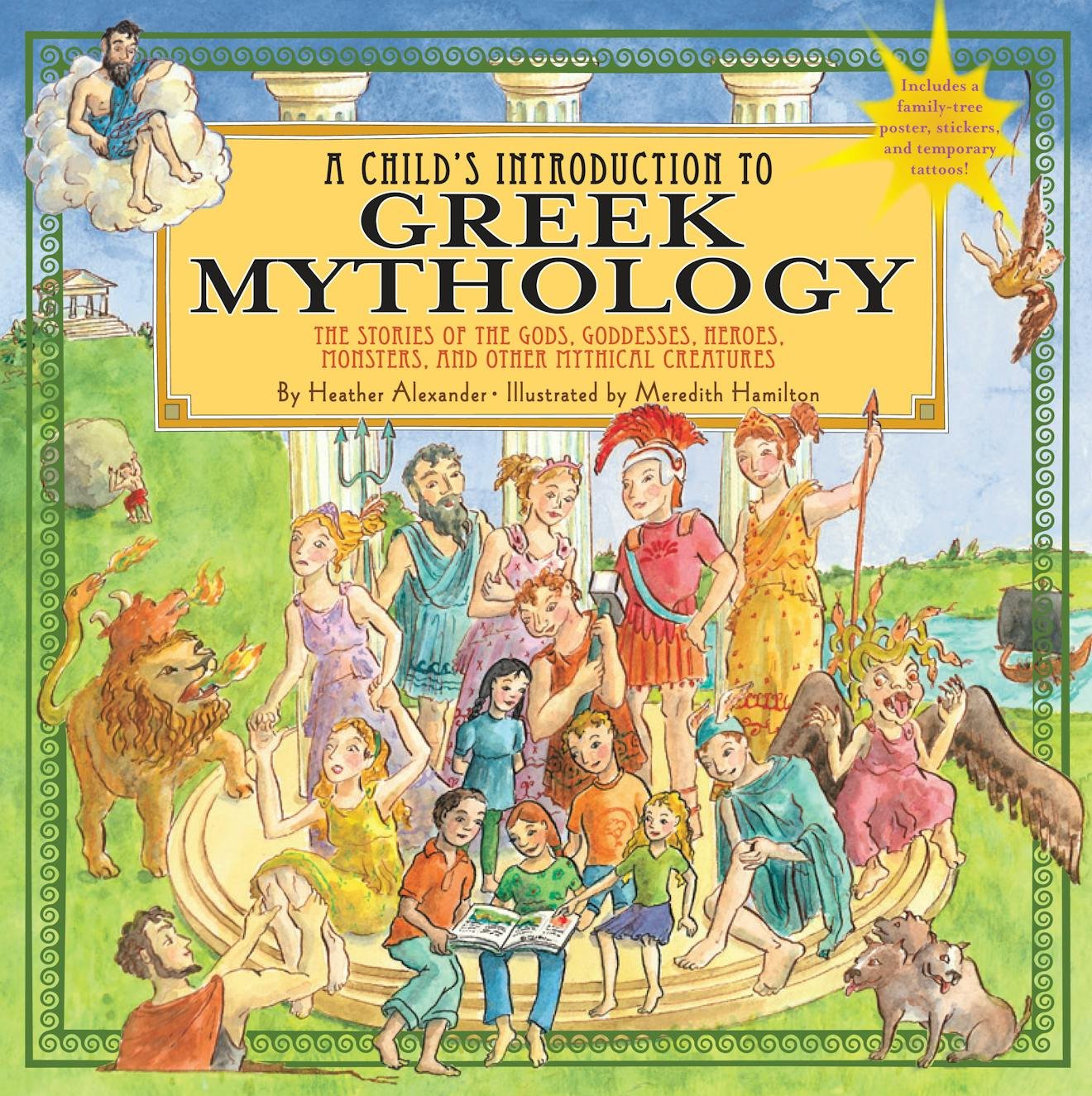
Twelve famous myths from around the world, what each one explains, how myths differ from legends and folk tales, and why they still shape stories today.
Quick answer: Mythology stories are traditional tales that cultures used to explain the world, from how it began to why seasons change. Famous examples include Prometheus stealing fire in Greek myth, Ragnarök in Norse myth, Osiris and Isis in Egyptian myth and the Epic of Gilgamesh from ancient Mesopotamia. Many still shape books, films and games today.
Myths are some of the oldest stories people still tell. They answer big questions about creation, death, nature and right and wrong. This guide introduces famous myths from different cultures and explains what they meant to the people who first told them.
In this article
- What Is a Myth?
- Which Greek Myths Are Most Famous?
- What Are the Best-Known Norse Myths?
- What Do Egyptian Myths Teach?
- What Are Famous Myths From Asia?
- Which Myths Come From Other Parts of the World?
- What Themes Appear Across Different Myths?
- Why Do Myths Still Matter?
- What Should You Keep in Mind When Reading Myths?
- How to Get Started
- Frequently Asked Questions
- Final Thoughts
- Explore More
What Is a Myth?
Encyclopaedia Britannica describes myths as traditional stories that often involve gods or heroes and help explain beliefs, customs or natural events. They were usually passed down orally before being written, which is why many myths survive in several versions.
| Type | What it is | Example |
|---|---|---|
| Myth | Sacred or explanatory story, often with gods | Creation stories |
| Legend | Story said to be based on real people or events, with exaggeration | King Arthur |
| Folk tale | Popular story told for entertainment or a lesson | Fairy tales and trickster stories |
Which Greek Myths Are Most Famous?
1. Prometheus and the gift of fire
The Titan Prometheus steals fire from the gods and gives it to humans, and is punished by Zeus. The story explores progress, defiance and sacrifice.
2. Persephone and the seasons
Persephone is taken to the underworld by Hades. Her mother Demeter’s grief causes winter, and her return each year brings spring.
3. The Odyssey
The hero Odysseus spends years trying to return home after the Trojan War, facing monsters, gods and temptation along the way.
Example 1
A teacher uses the Persephone myth to explain seasons to young students. The story makes it memorable, and the class then compares it with the scientific explanation of the Earth’s tilt.
What Are the Best-Known Norse Myths?
4. Ragnarök
A prophesied battle at the end of the world, in which many gods die before a new world rises.
5. Thor and his hammer
Thor, god of thunder, protects gods and humans with his hammer, Mjölnir, in many adventures against giants.
Silicon Valley Time Tip
If you know Thor and Loki mainly from films, try reading a retelling of the original Norse myths. The characters are often very different, which makes the stories surprising even if you think you know them.
Much of what we know about Norse myths comes from medieval Icelandic texts.
What Do Egyptian Myths Teach?
6. Osiris and Isis
Osiris, a ruler-god, is killed by his brother Set. His wife Isis restores him, and Osiris becomes ruler of the afterlife. The story connected to Egyptian beliefs about death, kingship and renewal.
Their son Horus later fights Set to win back the throne, a struggle often linked to the idea of order defeating chaos. Egyptian kings were closely associated with Horus during their lives, which shows how deeply these stories were tied to real power and religion.
What Are Famous Myths From Asia?
7. The Ramayana
This Hindu epic follows Prince Rama’s quest to rescue his wife Sita from the demon king Ravana. It is central to festivals such as Diwali in many regions.
8. Pangu and the creation of the world
In a Chinese creation myth, Pangu separates the sky and earth, and his body becomes the mountains, rivers and stars.
9. Amaterasu and the cave
In Japanese myth, the sun goddess Amaterasu hides in a cave, plunging the world into darkness, until other gods trick her into coming out.
Example 2
A family celebrating Diwali tells the story of Rama returning home, with lamps lit to welcome him. Children who know the myth understand why lights are such an important part of the festival.
Which Myths Come From Other Parts of the World?
10. The Epic of Gilgamesh
From ancient Mesopotamia, this epic follows King Gilgamesh’s search for immortality. The Epic of Gilgamesh is often described as one of the oldest surviving works of literature.
11. The Hero Twins of the Popol Vuh
In Maya tradition, twin brothers outwit the lords of the underworld in a series of trials, including a famous ball game.
12. Anansi the spider
From West African, especially Akan, tradition, Anansi is a clever trickster whose stories spread to the Caribbean and beyond.
What Themes Appear Across Different Myths?
| Theme | Examples |
|---|---|
| Creation | Pangu in China, many other creation stories worldwide |
| Great flood | The flood story in the Epic of Gilgamesh, and the story of Manu in Hindu tradition |
| Journey to the underworld | Persephone in Greek myth, the Hero Twins in Maya myth |
| Tricksters | Loki in Norse myth, Anansi in West African stories |
| Return of light or life | Amaterasu leaving the cave, Osiris ruling the afterlife |
These shared themes are one of the most fascinating parts of mythology. Cultures that never met often told stories about similar problems, such as death, disaster and the changing seasons. Scholars still debate why this happens, but the patterns show how many human concerns are universal.
Noticing these links can make reading myths more rewarding. When you meet a new story, ask which theme it explores and how its answer compares with myths from other places.
Why Do Myths Still Matter?
- They explain values: myths show what cultures thought was brave, wise or wrong.
- They shape modern stories: films, books and games borrow their characters and plots.
- They connect cultures: similar themes appear across the world, such as floods and tricksters.
- They teach history: myths reveal how people lived and what they believed.
Try this today
Pick one myth from this list that is new to you. Read a short retelling tonight, then think of one modern film or book that uses a similar idea.
What Should You Keep in Mind When Reading Myths?
- Many versions exist: details change between sources and retellings.
- Some are sacred: certain stories are still part of living religions, so treat them respectfully.
- Context matters: myths reflect the time and place they came from.
- Modern retellings change things: films often reshape characters for drama.
How to Get Started
- Choose one culture to start with.
- Read a respected retelling or collection of myths.
- Compare two versions of the same story.
- Look for the themes, such as creation, heroism or the afterlife.
- Explore how modern media uses the myth.
Frequently Asked Questions
What is a mythology story?
A traditional tale, often involving gods or heroes, that explains the world or teaches values.
What is the oldest known myth?
The Epic of Gilgamesh is often cited as one of the oldest surviving written works.
What is the difference between a myth and a legend?
Myths often involve gods and explain the world, while legends are linked to real people or places, with exaggeration.
Why are Greek myths so popular?
They have influenced Western art, language and literature for centuries.
Are myths true?
They are not literal history, but they reveal what people believed and valued.
What is a trickster in mythology?
A clever character who uses tricks to break rules, such as Loki or Anansi.
Final Thoughts
- Myths explain the world and teach values.
- Famous myths come from every part of the world.
- Many have several versions and some remain sacred.
- They still shape books, films and games.
Explore More
- Entertainment: stories and culture
- Blogs: more guides
Sources: Britannica: Myth · Wikipedia: Epic of Gilgamesh
Last updated: November 2026.