





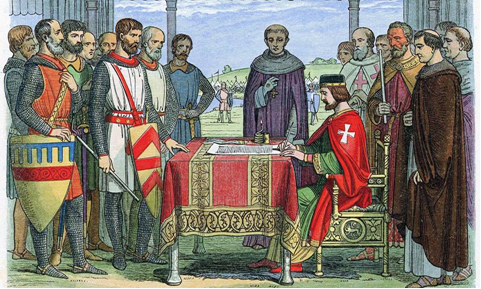

Хартия вольности is one of those history topics that sounds heavy at first, but honestly, it’s a lot simpler than people expect. At its core, it’s a document that told a king, “You don’t get to do whatever you want.” That idea might feel obvious today, but back in the day, it was groundbreaking. Here’s the thing: this charter still shapes how we think about rights and fairness. So let’s break it all down in plain language.
Read more: Morse Code: The Fascinating Language of Dots and Dashes You Need to Know
What Does “Хартия Вольности” Actually Mean?
The phrase translates roughly to “Charter of Liberties.” It refers to a legal and political document that limited a ruler’s power and protected certain rights.
The most famous version is the Great Charter of Liberties, better known worldwide as Magna Carta. In Russian, it’s called Великая хартия вольностей.
To be honest, the name can be confusing because there are a few “charters of liberties” in history. But when most people talk about it, they mean the big one from 1215.
A Quick Overview of the Document
So what was it really? It was an agreement between a king and his nobles. The nobles were fed up with unfair treatment, heavy taxes, and a ruler who ignored old customs.
The хартия вольности put those complaints into writing. It listed rules the king had to follow, especially around justice, property, and the church.
What’s interesting is that it wasn’t meant to change the whole world. The barons just wanted their own problems fixed. But the ideas inside it turned out to be much bigger than anyone planned.
The Background: Why Did People Need It?
To understand the charter, you need to picture the situation in medieval England. Power was messy, and kings often acted like their word was law.
King John and His Troubles
The story centers on King John (король Иоанн). He ruled England in the early 1200s, and let’s just say he wasn’t very popular.
He lost lands in France, demanded huge amounts of money, and pushed the nobles too far. People felt he broke long-standing traditions about how a king should behave.
The Barons Push Back
Eventually the barons had enough. They rebelled and forced the king to negotiate. That pressure led directly to the creation of the charter.
This wasn’t a friendly chat. It was a standoff. The nobles wanted written promises, not just spoken ones that a king could ignore later.
The Year That Mattered: 1215
The document was drawn up in June of 1215 год. That date is a big deal in the history of law.
King John agreed to the terms near a place called Runnymede. He didn’t really want to, but he had little choice at that moment.
Here’s a small twist: the king later tried to cancel it. Even so, the idea survived, got reissued in later years, and became something permanent.
Key Facts and Details About the Хартия Вольности
Let me keep this part simple with the main points people usually want to know.
- It was created in 1215 during a conflict between the king and his barons.
- It’s known in Latin as Magna Carta.
- It aimed to limit royal power and protect certain права и свободы (rights and freedoms).
- It dealt with justice, taxes, church freedom, and the treatment of nobles.
- It was reissued several times after 1215, with changes along the way.
These points cover the basics without drowning you in dates.
What Was Actually Written Inside?
The charter set out specific obligations the king had to respect. Some of these focused on payments and duties tied to nobles and church officials.
It also touched on fairness in legal matters. The general spirit was that even a king should follow rules.
Rights and Freedoms It Protected
The charter is remembered for defending права и свободы. It pushed the idea that people, especially free men of that era, deserved certain protections.
Now, I’ll be honest here. It didn’t protect everyone equally. Most ordinary people didn’t gain much at first. It mainly helped the powerful nobles.
Still, the language planted seeds that grew into bigger ideas about liberty later on.
Its Role in Medieval Law
In terms of средневековое право (medieval law), the хартия вольности was a turning point. It mixed old customs with new written promises.
Before this, a lot of “law” lived in tradition and memory. Putting it on paper made it harder to twist or ignore.
Why the Хартия Вольности Still Matters Today
You might wonder why a document this old still gets so much attention. The answer is its influence on modern thinking.
The хартия вольности helped shape the belief that no one is above the law. That principle sits at the heart of many legal systems now.
It also influenced ideas around конституционные права (constitutional rights). Later thinkers looked back at it as an early example of limiting government power.
A Symbol More Than a Rulebook
What’s interesting is that many of its original clauses aren’t used anymore. Times changed, and most of those specific rules faded.
But its symbolic value stayed strong. People treat it as a foundation stone for freedom and justice, even if the details are outdated.
Related Historical Context
The charter didn’t appear out of nowhere, and it didn’t stop history in its tracks either. It fits into a longer story.
Connections to Later Documents
The ideas inside the хартия вольности echoed in later legal milestones. Think of documents that talk about rights, fair trials, and limits on rulers.
Many historians see a line running from this charter to modern constitutions. It’s not a straight line, but the influence is clear.
The Name “Great Charter of Liberties”
The Великая хартия вольностей name stuck because it stood above smaller charters of the time. “Great” wasn’t just about size. It reflected its lasting importance.
That’s why the term Magna Carta became so famous around the world.
Common Myths About the Charter
People sometimes assume it instantly created democracy. That’s not quite right.
It didn’t give power to everyday citizens overnight. It mostly protected the elite of that period. The bigger effects came slowly, over centuries.
Another myth is that everyone loved it right away. In reality, it caused fights, was canceled, and had to be brought back multiple times.
How to Remember the Хартия Вольности Easily
If you’re studying this or just curious, here’s a simple way to keep it straight:
- Who: King John and rebellious barons.
- When: 1215.
- What: A charter limiting royal power.
- Why it matters: It shaped ideas about rights and constitutional rights.
Keep those four points in mind, and you’ve got the heart of it.
Frequently Asked Questions
1. What is the хартия вольности in simple terms?
It’s a document that limited a king’s power and protected certain rights. The most famous version is Magna Carta, created in 1215.
2. Who signed the хартия вольности?
King John of England agreed to it after his barons pressured him. It happened during a serious conflict, not a peaceful moment.
3. Why is 1215 год so important?
That’s the year the charter was first created. It marks an early step toward the idea that rulers must follow the law too.
4. Did the хартия вольности protect everyone?
No, not really. At first it mainly helped nobles and powerful groups. Ordinary people gained more from its ideas much later.
5. How does it connect to modern rights?
Its principles influenced later thinking about права и свободы and конституционные права. Many legal systems trace ideas about limiting government back to it.
Final Thoughts
The хартия вольности proves that one document can outlive its own time. It started as a fix for specific complaints, then became a symbol of freedom and fairness for the whole world.
Whether you call it Magna Carta or Великая хартия вольностей, the message is the same: power has limits, and law should apply to everyone. If you want to dig deeper into the full history, dates, and original clauses, you can read more on the detailed Великая хартия вольностей page on Wikipedia, which covers everything from the events of 1215 to its lasting role in medieval law.



