





Morse code is one of those clever inventions that just refuses to disappear. It’s been around for nearly 200 years, yet people still learn it, use it, and even geek out over it today. Here’s the thing: it started as a way to send messages over wires, but it turned into something much bigger.
In this post, we’ll break down what morse code actually is, where it came from, and why it still matters. No fluff, just the good stuff.
Read more: LiteBlue USPS: Everything You Need to Know About the Employee Portal
What Is Morse Code, Exactly?
At its core, morse code is a method of sending text using two simple signals: short and long. These are known as dots and dashes.
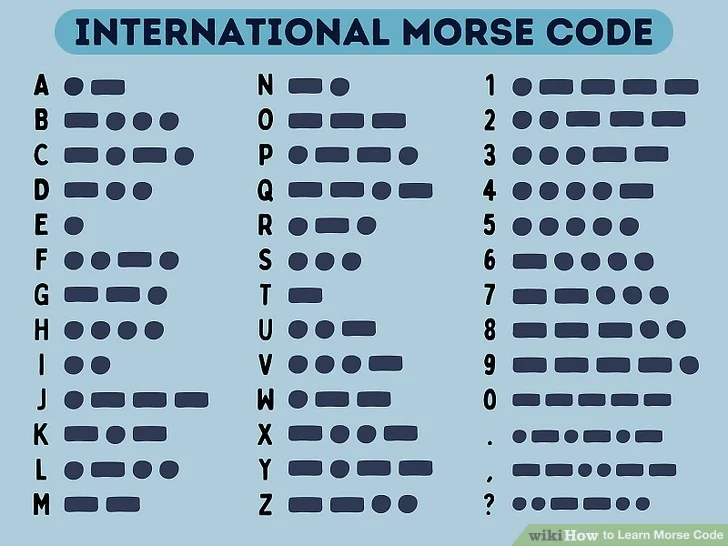
Each letter, number, and punctuation mark gets its own unique pattern. So instead of writing words, you tap out rhythms. Simple idea, huge impact.
To be honest, that’s what makes it so clever. You only need two signals to communicate almost anything.
A Quick Look at the History
Morse code goes back to the 1830s and 1840s. It was developed alongside the telegraph, a machine that could send electrical signals over long distances.
The system is named after Samuel Morse, an American inventor and painter. He worked with Alfred Vail, who helped shape the code into something practical and usable.
What’s interesting is that Morse originally trained as an artist, not an engineer. His interest in messaging came partly from personal loss and slow communication of his time.
The Telegraph Connection
Before phones or the internet, the telegraph was king. Operators would tap out messages that traveled across cities and even countries in seconds.
Morse code made this possible. Without it, the telegraph would’ve just been a machine making noise.
From American Morse to International Morse
The earliest version is now called American Morse code. It worked well but had some quirks that made it tricky over long distances.
Later, a cleaner version called International Morse code took over. This is the standard most people learn and use today.
How Morse Code Actually Works
The whole system runs on timing. That’s the secret sauce.
A dot is a short signal. A dash is a longer one, roughly three times the length of a dot. The spaces between signals matter just as much as the signals themselves.
Get the timing right, and your message is crystal clear. Mess it up, and it turns into gibberish.
The Role of Spacing
Spacing keeps everything organized. There are short gaps between the parts of a single letter, longer gaps between letters, and even longer gaps between words.
Think of it like breathing while you talk. The pauses give the message meaning.
Dots and Dashes Explained
Let’s make this practical. Every character has its own combo of dots and dashes.
Here are a few easy examples:
- A = dot dash (·–)
- E = single dot (·)
- T = single dash (–)
- S = three dots (···)
- O = three dashes (– – –)
Notice how common letters like E and T are the shortest? That wasn’t an accident. The most-used letters got the simplest codes to speed things up.
The Most Famous Signal: SOS
You’ve probably heard of SOS. In morse code, it’s three dots, three dashes, three dots (··· – – – ···).
It became the international distress signal because it’s easy to remember and hard to confuse with anything else. Here’s the thing though: SOS doesn’t actually stand for “Save Our Ship.” That’s just a myth people made up later.
Where Morse Code Is Still Used Today
You might think morse code is a dead skill. It’s not. Plenty of fields still rely on it or at least respect it.
Military Communication
The military has used morse code for over a century. It’s reliable, simple, and works even when fancy tech fails.
During wartime, it allowed secure and fast messaging. Even now, it serves as a solid backup when modern systems go down.
Aviation and Navigation
Pilots still bump into morse code more than you’d expect. Navigation aids like VOR and NDB stations often broadcast their identity codes in morse.
So a pilot can confirm they’re tuned to the right station just by listening to the beeps. Pretty neat, right?
Amateur Radio (Ham Radio)
This is where morse code truly lives on. Amateur radio operators, often called “hams,” love using it.
It cuts through noise and weak signals better than voice. For many hobbyists, learning morse code is a rite of passage and a point of pride.
Key Facts Worth Knowing
Let’s hit some quick highlights that make morse code stand out.
- It works across sound, light, and even touch.
- Ships once used flashing lights to send morse code across the water.
- Prisoners of war have tapped out messages using nothing but wall knocks.
- It doesn’t need electricity to function, just a way to make signals.
That flexibility is a big reason it survived so long.
Why Morse Code Still Matters
You’d think something this old would’ve faded away. But morse code has a strange staying power.
It’s low-tech, which is exactly why it’s dependable. When phones die and networks crash, a simple beeping signal still gets through.
To be honest, there’s also something romantic about it. Learning morse code connects you to inventors, sailors, and soldiers from a completely different era.
A Skill That Builds Focus
Learning morse code trains your brain in a unique way. You start hearing patterns instead of individual sounds.
Many people say it improves listening skills and patience. It’s a bit like learning music by ear.
Fun and Modern Uses
Beyond the serious stuff, morse code shows up in fun places too.
People use it in jewelry, tattoos, and hidden messages in songs or movies. Some folks even flirt using morse code, which is kind of adorable.
What’s interesting is how it keeps popping up in pop culture. Once you know the basics, you start noticing it everywhere.
Tips for Learning Morse Code
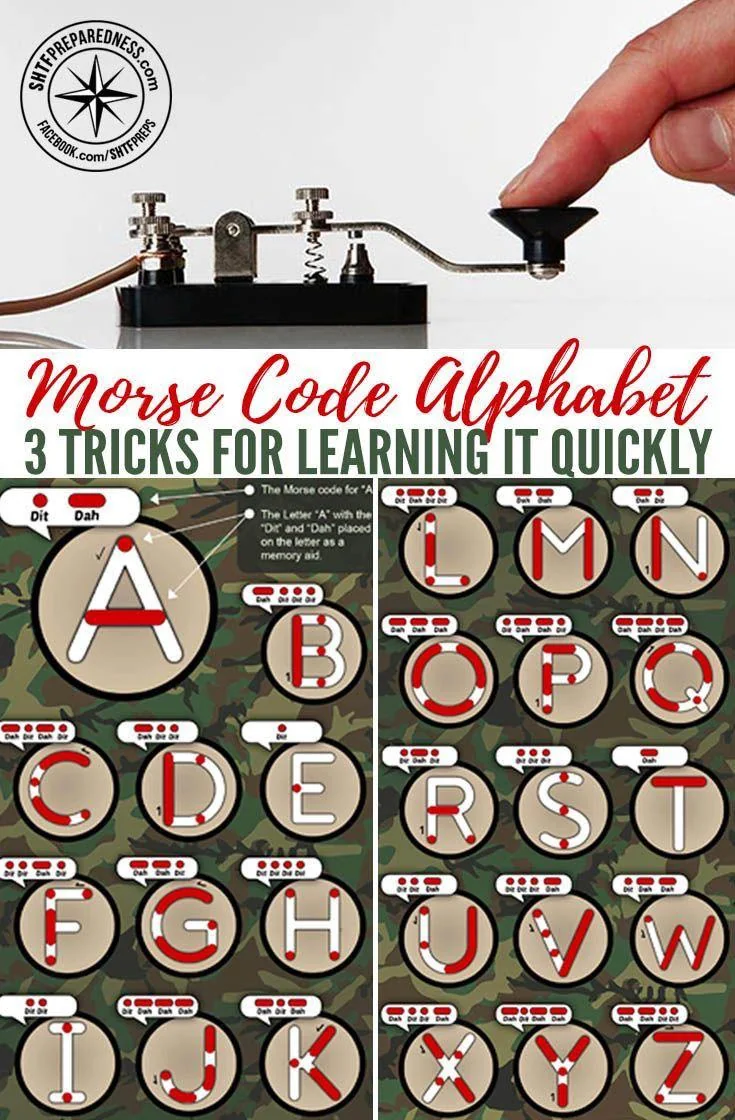
Want to give it a shot? Start small and be patient with yourself.
- Learn the sound, not just the visual dots and dashes.
- Practice a few letters at a time.
- Use apps or online tools that play the signals for you.
- Try spelling short words like your name.
Consistency beats cramming. A little practice each day goes a long way.
Frequently Asked Questions
1. Is morse code hard to learn?
Not really. The basics are pretty simple, though building speed takes practice. Most people can learn the alphabet within a few weeks of casual study.
2. Is morse code still used today?
Yes. It’s used in amateur radio, aviation navigation aids, and as a backup in emergencies. It’s less common in daily life but far from extinct.
3. What does SOS mean in morse code?
SOS is the international distress signal, written as ··· – – – ···. It doesn’t stand for any specific words, despite popular myths.
4. Who invented morse code?
Samuel Morse is credited with it, along with Alfred Vail. They developed it alongside the telegraph in the 1830s and 1840s.
5. Can morse code be sent without electricity?
Absolutely. You can send it with light, sound, tapping, or even hand signals. That’s part of why it’s so useful in emergencies.
Final Thoughts
Morse code is proof that simple ideas can last for generations. From telegraph wires to ham radios, it’s shaped how people talk across distances.
Whether you’re curious about history, into radio hobbies, or just love learning odd skills, this one’s worth exploring. If you want to dig deeper into its full history and character charts, check out this detailed resource on Morse code. Give it a try, and you might just find yourself tapping out messages before you know it.