




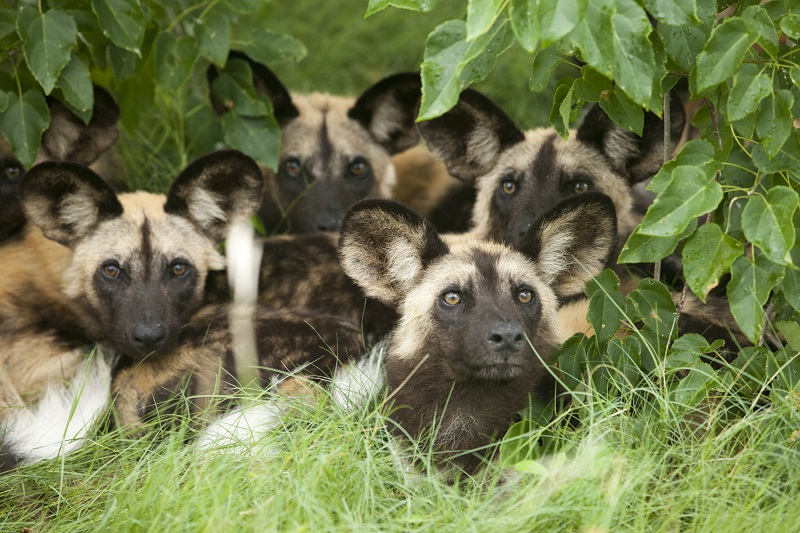

When you hear the term wild dog, you might picture a stray pet wandering the streets of a city. However, in the animal kingdom, this name usually refers to a very specific, fascinating, and endangered animal known as the African wild dog. These creatures are not just dogs that don’t have a home; they are a distinct species with their own unique language, beautiful coats, and incredible social structures. They are some of the most successful hunters in nature, yet they are also some of the most threatened.
In this article, we are going to explore everything you need to know about the wild dog. We will look at where they live, how they hunt, and why they are so important to the ecosystem. We will also touch upon other animals that share the name, like the Australian Dingo. So, get ready to run with the pack and learn about one of nature’s most misunderstood predators!
Key Takeaways
- The African wild dog is a unique species (Lycaon pictus), not a feral domestic dog.
- They are known for their mottled coats, which gives them the nickname “Painted Wolves.”
- They live in tight-knit packs and have a unique “voting” system using sneezes.
- They are critically endangered due to habitat loss and human conflict.
- Unlike domestic dogs, they have four toes instead of five on their front paws.
What Exactly Is a Wild Dog?
When scientists and nature lovers talk about a wild dog, they are usually referring to the Lycaon pictus, native to sub-Saharan Africa. The scientific name literally means “painted wolf,” which is a perfect description of their multi-colored fur. However, the term can be confusing because it is sometimes used to describe other canines.
For example, in Australia, the Dingo is often called a wild dog, and in Asia, there is the Dhole, or Asiatic wild dog. Then there are feral dogs, which are domestic dogs that have returned to the wild. It is important to know the difference. The African wild dog is not a domestic dog that ran away; it is a wild animal that has evolved separately for millions of years. They cannot bark like your pet dog; instead, they make chirping, twittering, and “hoo” sounds to communicate with one another across the savanna.
The Distinction Between Species
To understand the wild dog fully, we have to look at their family tree. While they are part of the Canidae family (which includes wolves, coyotes, and jackals), the African wild dog is the only member of its specific genus, Lycaon. This makes them very special. They split off from the wolf lineage much earlier than domestic dogs did. This means you cannot turn a wild dog into a house pet. Their wild instincts are too strong, and their social needs are too complex for a backyard.
The African Wild Dog: A Unique Appearance
One of the most striking things about the wild dog is its coat. No two dogs have the exact same pattern. Their fur is a mix of black, yellow, white, and brown patches. This isn’t just for show; this camouflage helps them blend into the dappled light of the African bush, making it harder for predators (like lions) and prey to spot them.
Beyond their coat, the wild dog has massive, rounded ears. These ears act like radar dishes. They can pick up the sounds of pack members calling from miles away or the rustling of prey in the tall grass. Their long legs are built for endurance running, and they have a very distinct tail with a white tip. This white tip serves as a flag when the pack is hunting in high grass, allowing pack members to follow the leader without getting lost.
Why Are They Called “Painted Wolves”?
The name “Painted Wolf” is a direct translation of their Latin name. Conservationists often prefer this name over wild dog because “dog” can make people think of pests or feral animals. By calling them Painted Wolves, it highlights their beauty and their rarity. When you see a pack of them moving together, their coats create a confusing visual blur, making it difficult for a predator to single out just one individual. It is one of nature’s most beautiful optical illusions.
Where Does the Wild Dog Live?
Historically, the wild dog roamed across most of the African continent. They were found in deserts, mountains, and forests. Today, their range has shrunk significantly. They are mostly found in fragmented populations in southern and eastern Africa. Countries like Botswana, Zimbabwe, Namibia, Zambia, and Tanzania are their last major strongholds.
The wild dog prefers open plains and sparse woodlands. These environments are perfect for their hunting style, which relies on seeing prey from a distance and running them down over long stretches of land. They avoid deep jungles where it is hard to run, and they try to stay away from areas with high lion populations, as lions are their biggest natural enemy. Unfortunately, as human cities expand, the open spaces the wild dog needs are disappearing, forcing them into smaller and smaller areas.
Understanding the Pack Mentality
If you want to understand the wild dog, you have to understand the pack. They are arguably the most social of all canines. A pack can range from just a few individuals to over 30 dogs. Within this pack, there is a very strict but loving hierarchy. Unlike some wolf packs where there is constant fighting for dominance, the wild dog pack is surprisingly peaceful and cooperative.
The pack is usually led by an alpha pair—a male and a female. They are the only ones who breed. However, the entire pack helps raise the puppies. This is a system called “cooperative breeding.” The uncles, aunts, and siblings will all take turns guarding the den and bringing food back for the mother and her pups. The bond between the members of a wild dog pack is so strong that they will often care for sick or injured members, sharing food with them until they recover.
Social Structure and Hierarchy
In the world of the wild dog, submission is more important than aggression. When two pack members greet each other, they engage in frantic licking, twittering noises, and submissive postures. This reinforces their bond. They rarely fight over food. In fact, when a kill is made, the wild dog pups are allowed to eat first—a behavior that is very rare in the animal kingdom, where adults usually eat first.
Communication: The Sneeze Vote
Scientists have discovered something truly amazing about the wild dog. When the pack is resting and deciding whether to go on a hunt, they hold a “vote.” They do this by sneezing. If the alpha dog sneezes, it signals a desire to move. If enough other dogs in the pack also sneeze, the pack gets up and goes hunting. If not enough dogs sneeze, they stay and sleep. This democratic behavior shows just how intelligent and social the wild dog really is.
Incredible Hunting Tactics of the Wild Dog
The wild dog is one of the most successful hunters in the world. While lions only succeed in about 30% of their hunts, a wild dog pack succeeds in up to 80% of theirs. Their secret isn’t stealth or ambush; it is stamina and teamwork.
When a wild dog pack targets prey—usually an antelope like an impala or kudu—they begin a chase that can last for miles. They can maintain a speed of nearly 40 miles per hour for several miles. Most prey animals are faster in a short sprint, but they tire out quickly. The wild dog just keeps running. Eventually, the prey slows down from exhaustion, and that is when the pack closes in.
Teamwork Makes the Dream Work
During a chase, the wild dog pack works like a well-oiled machine. Some dogs will run directly behind the prey, while others fan out to the sides to cut off escape routes. If the lead dog gets tired, it falls back, and a fresh dog from the rear moves up to take the lead. This relay-style running wears down even the fittest antelope. Once the prey is caught, the pack dispatches it very quickly, unlike cats which suffocate their prey.
Diet: What’s on the Menu?
The wild dog is a carnivore, meaning it only eats meat. Their diet consists mainly of medium-sized ungulates (hoofed animals). Their favorite meals include:
- Impala: The most common prey across their range.
- Greater Kudu: Larger antelope that require the whole pack to take down.
- Thomson’s Gazelle: Fast runners that test the dogs’ speed.
- Wildebeest: Only large packs will attempt to tackle a wildebeest, as they can be dangerous.
- Hares and small rodents: Eaten when larger game is scarce.
Because the wild dog has a high metabolism and burns so much energy running, they need to eat frequently. A large pack will often hunt twice a day, usually in the cool morning and late evening.
The Dingo: Australia’s Famous Wild Dog
While the African species is famous, we cannot ignore the Australian wild dog, the Dingo. Dingoes arrived in Australia roughly 4,000 years ago, likely brought by Asian seafarers. Over thousands of years, they adapted to the harsh Australian outback and became the top predator on the continent.
Unlike the African wild dog, Dingoes often live alone or in small family groups rather than large packs. They are highly intelligent and opportunistic hunters. Dingoes play a crucial role in the Australian ecosystem by controlling populations of kangaroos and rabbits. However, they are often seen as pests by farmers because they sometimes attack sheep.
Origins and History of the Dingo
The classification of the Dingo is debated. Some consider it a subspecies of the grey wolf, while others see it as a distinct species or a primitive dog. Regardless of the label, the Dingo is a true wild dog in behavior. They do not bark much, preferring to howl. Their coat is usually a sandy ginger color, perfect for blending into the desert sands of the Outback.
Threats to Survival: Why Are They Endangered?
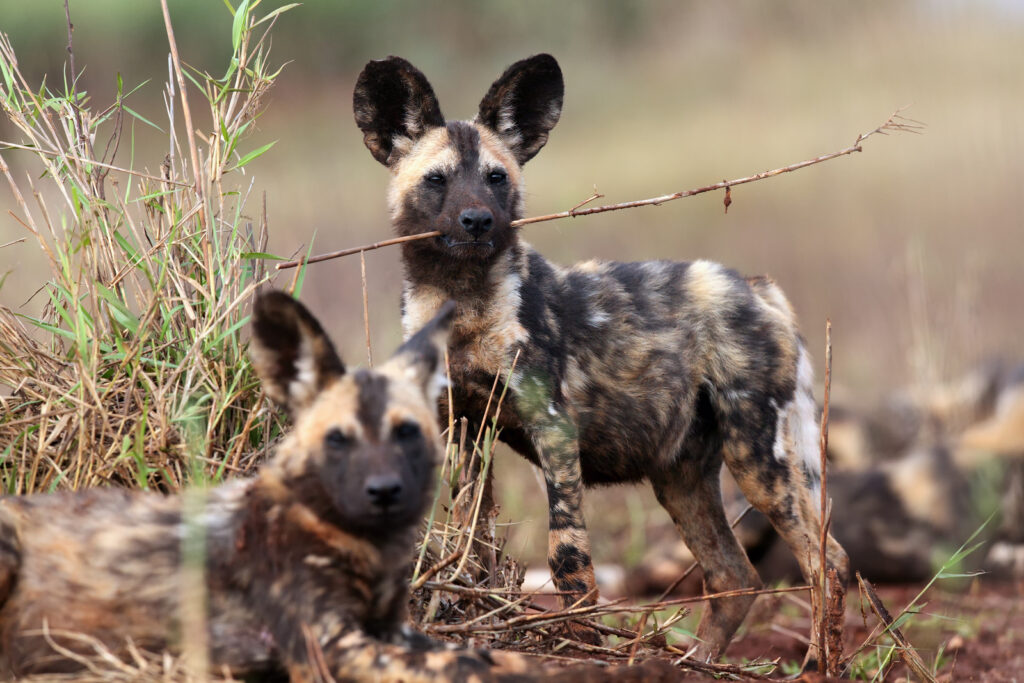
The sad reality is that the African wild dog is one of the most endangered mammals on the planet. There are fewer than 7,000 left in the wild. Several factors are driving them toward extinction, and almost all of them are related to human activity.
Habitat Loss and Fragmentation
The wild dog needs huge areas of land to roam. A single pack can have a territory of over 500 square miles. As humans build roads, farms, and cities, these territories are sliced up. This fragmentation makes it hard for young dogs to leave their packs and find new mates, leading to inbreeding. It also forces the wild dog closer to human settlements, where they face danger.
Human-Wildlife Conflict
Farmers often shoot or poison the wild dog because they fear the dogs will eat their livestock. While it does happen, studies show that wild dog packs usually prefer wild game over cattle. Education programs are crucial to helping farmers understand that these dogs are not the villains they are often made out to be.
Diseases from Domestic Dogs
This is a major killer. When the wild dog comes into contact with domestic village dogs, they can catch diseases like rabies and canine distemper. Because the wild dog is so social and grooms one another constantly, if one dog gets sick, the entire pack can be wiped out in a matter of weeks.
Conservation Efforts: Saving the Species
Fortunately, people are working hard to save the wild dog. Conservation groups are creating “wildlife corridors” that connect different parks, allowing dogs to travel safely between areas. They are also working with local communities to protect the dogs.
One successful strategy is using tracking collars. Scientists put radio collars on the wild dog to track their movements. If a pack gets too close to a farm, the conservationists can alert the farmer or intervene to turn the pack back toward safety. Getting reliable information is key. Just as people read news sources like Silicon Valley Time to stay updated on global technology and trends, conservationists rely on data technology to track and protect these animals.
Wild Dog vs. Domestic Dog: Key Differences
It is easy to think they are similar, but a wild dog and your pet Golden Retriever are very different.
|
Feature |
African Wild Dog |
Domestic Dog |
|---|---|---|
|
Scientific Name |
Lycaon pictus |
Canis lupus familiaris |
|
Toes on Front Paws |
4 (No dewclaw) |
5 (Has dewclaw) |
|
Coat |
Unique mottled patterns |
Solid or mixed colors |
|
Barking |
No (chirps/hoots) |
Yes |
|
Breeding |
Only Alpha pair breeds |
Any adult can breed |
|
Diet |
Strictly Carnivorous |
Omnivorous |
Fascinating Facts You Probably Didn’t Know
- Ancient Species: The African wild dog has been around for about 200,000 years, relatively unchanged.
- Huge Litters: A mother can give birth to up to 16 puppies in a single litter! That is a lot of mouths to feed.
- Regurgitation: To feed the pups (and the babysitters who stayed behind), the hunters carry meat in their stomachs and regurgitate (vomit) it up for the hungry pack members. It sounds gross to us, but for a wild dog, it is an act of love.
- Nomadic Life: They rarely stay in one place for long. They only settle down in a den for a few months when there are new puppies. Once the pups can walk, the nomadic life resumes.
Frequently Asked Questions (FAQ)
Q: Can a wild dog be kept as a pet?
A: No. African wild dogs are wild animals with complex social needs and dangerous instincts. They cannot be domesticated.
Q: How fast can a wild dog run?
A: They can reach speeds of up to 44 mph in short bursts but can sustain 30-35 mph for several miles.
Q: Are wild dogs aggressive to humans?
A: Generally, no. In the wild, they typically fear humans and will run away. There are very few recorded incidents of them attacking people.
Q: Why do they have such big ears?
A: Their large ears help regulate body heat in the hot African sun and allow them to communicate with the pack over long distances.
Conclusion
The wild dog is truly one of nature’s masterpieces. From their intricate painted coats to their touching loyalty to their families, they represent the wild spirit of the African plains. While they face many challenges, there is still hope. Through conservation, education, and protecting their habitats, we can ensure that the “painted wolf” continues to roam free for generations to come.
If you are passionate about wildlife, sharing knowledge is the first step. The more people understand that the wild dog is a caring, social, and vital part of the ecosystem, the better chance they have of survival. For detailed scientific classifications and more history on the wild dog, you can check out this page on Wikipedia.