




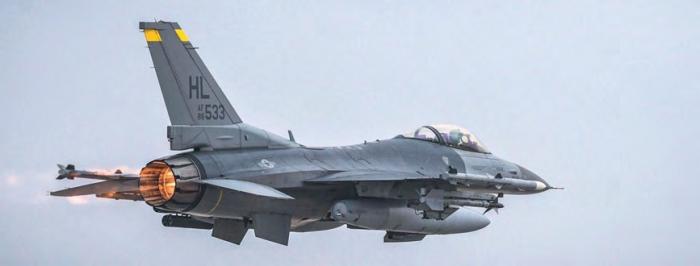

Have you ever wondered how ground troops get help from the sky during a tough battle? It isn’t as simple as calling a pilot and asking them to drop a bomb. There is a whole team of experts dedicated to making sure air power is used safely and effectively. This team is often organized into what is known as a tactical air support squadron. These units are the critical link between the soldiers on the ground and the aircraft soaring above.
In this article, we will dive deep into the world of tactical air support. We will explore their history, their mission, the specialized training they undergo, and the aircraft they work with. Whether you are a military history buff or just curious about how modern warfare works, this guide will explain everything you need to know about the vital role of a tactical air support squadron.
Key Takeaways
- Definition: A tactical air support squadron coordinates air strikes and supports ground troops.
- Key Players: These squadrons often include Joint Terminal Attack Controllers (JTACs) and Tactical Air Control Parties (TACP).
- Mission: Their primary goal is Close Air Support (CAS), ensuring friendly forces are safe while targeting the enemy.
- Training: Members undergo intense physical and technical training to handle high-pressure situations.
What Exactly Is a Tactical Air Support Squadron?
To understand military operations, you first need to understand the structure. A tactical air support squadron is a specific unit within an air force that focuses on “tactical” operations. Tactical means relating to small-scale actions serving a larger purpose, like winning a specific battle. Unlike strategic bombing, which might target factories deep in enemy territory to hurt their economy, tactical air support happens right on the front lines.
These squadrons are composed of highly specialized personnel. They aren’t just pilots. In fact, many members of a tactical air support squadron spend their time on the ground, right next to the infantry or special forces. They act as the “eyes” for the pilots, directing airstrikes with incredible precision. Without them, dropping bombs would be like trying to hit a dartboard in the dark.
Their job is high-stakes. If they make a mistake, they could accidentally hurt their own troops (known as friendly fire) or miss the enemy entirely. Because of this, discipline and communication are the most important tools in their arsenal.
The History of Air Support in Warfare
The concept of air support didn’t start with modern jets. It goes back to the early days of flight. In World War I, pilots would fly low over trenches to spot enemy movements or drop small bombs by hand. However, there was no sophisticated tactical air support squadron back then. Communication was rudimentary, often involving hand signals or dropping notes.
By World War II, things had changed dramatically. Radios allowed pilots and ground troops to talk to each other. This era saw the birth of the Forward Air Controller (FAC), a role that is central to modern tactical support. The need for a dedicated tactical air support squadron became clear as armies realized that air power could decide the outcome of a ground battle.
Vietnam was another turning point. The dense jungles made it hard for pilots to see targets. FACs flying in small, slow planes (like the O-1 Bird Dog) would mark targets with smoke rockets so the faster jets knew where to strike. This evolution proved that specialized units were necessary to manage the chaos of close air support.
Core Missions of a Tactical Air Support Squadron
Close Air Support (CAS)
The bread and butter of any tactical air support squadron is Close Air Support, or CAS. This involves air action by aircraft against hostile targets that are in close proximity to friendly forces. Because the enemy is so close to “good guys,” detailed coordination is required.
CAS missions are intense. The pilot relies heavily on the controller on the ground. The controller must describe the target, the location of friendly troops, and the best way to attack. It is a dance of verbal precision. If a tactical air support squadron is doing its job right, the enemy is neutralized, and the friendly troops are safe.
Command and Control (C2)
Another vital function is Command and Control. A tactical air support squadron helps manage the airspace over a battlefield. Imagine a busy airport, but with explosions and enemy fire. Someone has to direct traffic. They ensure that helicopters, drones, and fighter jets don’t crash into each other and that everyone attacks the right targets at the right time.
Reconnaissance and Surveillance
Before you can attack, you need to know what is out there. These squadrons often coordinate reconnaissance missions. They might use drones or aircraft to gather intelligence on enemy positions. This information is then relayed to commanders to help plan the battle. A tactical air support squadron provides the “big picture” view that soldiers on the ground can’t always see.
Who Are the Key Personnel?
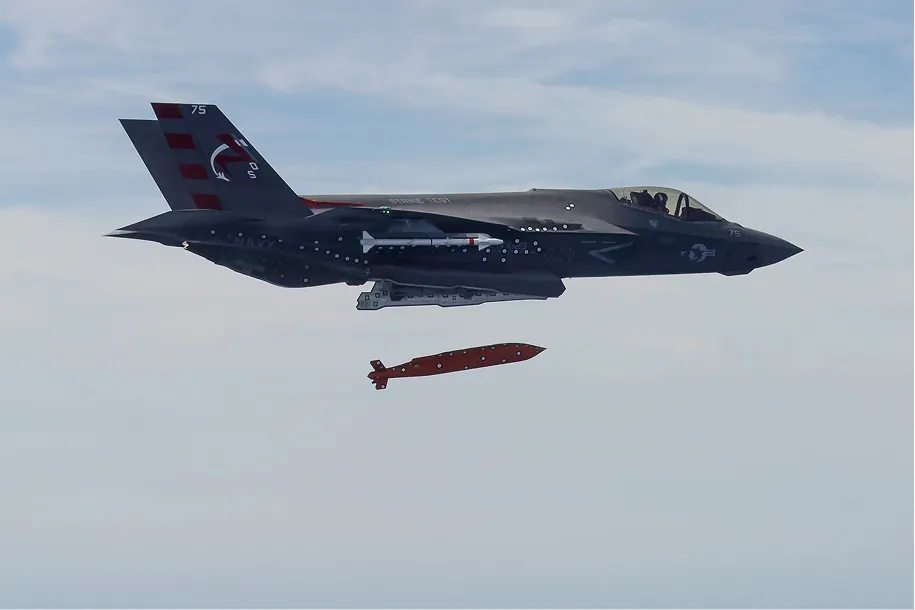
Joint Terminal Attack Controllers (JTAC)
You might hear the term JTAC often when discussing a tactical air support squadron. A Joint Terminal Attack Controller is a qualified service member who directs the action of combat aircraft engaged in CAS and other offensive air operations from a forward position.
JTACs are the experts on the ground. They carry heavy radios, move with the infantry, and have the authority to say “cleared hot” (meaning the pilot is authorized to release their weapon). Becoming a JTAC requires passing extremely difficult schools where they learn everything from map reading to aircraft capabilities.
Tactical Air Control Party (TACP)
The TACP is usually a team of two or more Air Force members aligned with an Army combat unit. They advise ground commanders on the best use of air power. A TACP team usually includes a JTAC and a ROMAD (Radio Operator, Maintainer, and Driver).
While the JTAC controls the aircraft, the TACP as a whole ensures the Army unit gets the air support it needs. They are the diplomats of the tactical air support squadron, bridging the gap between the Army (who walks on the ground) and the Air Force (who flies in the sky).
The Aircraft They Work With
A tactical air support squadron doesn’t just work with one type of plane. They have to be experts on almost everything in the sky. Different situations call for different tools.
|
Aircraft Type |
Primary Role |
Why It’s Useful |
|---|---|---|
|
A-10 Thunderbolt II |
Close Air Support |
Can fly low and slow; massive gun for tanks. |
|
F-16 Fighting Falcon |
Multi-role Fighter |
Fast, versatile, carries many types of bombs. |
|
AC-130 Gunship |
Air Support |
Huge firepower for long durations, usually at night. |
|
MQ-9 Reaper |
Drone/UAV |
Long loiter time; surveillance and precision strikes. |
|
AH-64 Apache |
Attack Helicopter |
Very close support; hovering capability. |
This table shows the variety of assets a tactical air support squadron coordinates.
The A-10 is often the favorite of ground troops. Its famous “BRRRT” sound from its 30mm Gatling gun signals that help has arrived. However, modern warfare relies heavily on drones like the Reaper, which can watch a target for hours before striking.
Training to Be the Best
Joining a tactical air support squadron is not for the faint of heart. The training pipeline is grueling. Candidates must be physically fit, mentally sharp, and able to stay calm under extreme pressure.
Physical Conditioning
TACP members and JTACs often march alongside Army Rangers or Special Forces. This means they need to be in peak physical condition. They carry roughly 60-80 pounds of gear, including radios, batteries, weapons, and body armor. Ruck marches (walking long distances with a heavy backpack) are a staple of their training.
Technical Skills
Aside from muscles, they need brains. They must memorize the capabilities of dozens of aircraft and weapons. They need to know how a specific bomb explodes and what its “danger close” distance is. If a tactical air support squadron member miscalculates, the blast could hurt their own team. They also learn advanced navigation and radio procedures.
Simulation Training
Before they ever direct a real jet, trainees spend hundreds of hours in high-tech simulators. These domes project realistic battlefields where instructors can throw any scenario at them. Bad weather, jamming radios, or surprise enemy attacks—everything is practiced so that real combat feels manageable.
The Role of Technology in Modern Support
Technology has revolutionized the tactical air support squadron. In the past, a controller had to talk a pilot onto a target using visual landmarks (“Do you see the red barn? Go 100 meters north.”). Today, technology makes this much faster and safer.
Digitally Aided CAS (DACAS)
DACAS allows a controller on the ground to send digital data directly to the pilot’s cockpit display. Instead of talking for five minutes, they can send a text message or a map marker instantly. This reduces the chance of mishearing coordinates over a static-filled radio.
Rover Feeds
Many aircraft carry targeting pods that act like high-powered video cameras. With a system called ROVER (Remotely Operated Video Enhanced Receiver), the JTAC on the ground can see exactly what the pilot sees on a tablet or laptop. This confirms that they are both looking at the same target before any weapons are released.
Challenges Faced by Tactical Air Support Squadrons
Urban Environments
Fighting in cities is a nightmare for air support. Tall buildings block vision, and civilians are everywhere. A tactical air support squadron has to be incredibly careful. Collateral damage (hurting civilians or destroying non-military buildings) is strictly avoided. This requires surgical precision and often means they cannot use large bombs.
Enemy Air Defenses
If the enemy has strong anti-aircraft missiles, friendly jets can’t fly safely. In these “contested environments,” a tactical air support squadron has a much harder job. They might have to rely on long-range artillery or stealth aircraft rather than the traditional planes flying overhead.
Communication Jamming
Modern enemies know how important radios are. They use electronic warfare to jam signals. If a JTAC cannot talk to the pilot, they cannot direct the strike. Squadrons constantly train on how to work through interference or use backup communication methods.
How They Coordinate with Other Military Branches
A tactical air support squadron is a prime example of “joint” operations. This means different branches of the military working together.
Army and Air Force Integration
While the squadron belongs to the Air Force, its members live and work with the Army. They sleep in the same mud, eat the same food, and face the same dangers. This builds trust. An Army commander trusts the Air Force captain next to him to bring in the rain of fire when necessary.
Navy and Marine Corps
The Navy and Marines have their own versions of air support, but in large conflicts, everyone works together. An Air Force JTAC might guide a Navy F-18 Hornet launched from an aircraft carrier. The universal language of CAS ensures that any qualified controller can work with any allied pilot.
Why “Friendly Fire” Prevention is Priority #1
The darkest fear of any tactical air support squadron member is fratricide—killing your own troops. This happens when there is confusion on the battlefield.
To prevent this, strict protocols are in place. The “9-Line” is a standardized format used to request an airstrike. It forces the controller to give specific information in a specific order. Before the pilot shoots, they usually have to read back the coordinates to ensure they match. If anything feels wrong, anyone can call “Abort!” to stop the attack immediately.
The Future of Tactical Air Support
Warfare is changing, and the tactical air support squadron is evolving with it. We are moving toward more automation and artificial intelligence.
AI and Autonomous Drones
In the future, we might see swarms of small drones controlled by a single person. AI could help identify targets faster than a human can. However, the human element—the decision to use lethal force—will likely always remain with a trained professional on the ground.
Networked Warfare
Future battlefields will be fully networked. Every soldier might have sensors that feed data to the tactical air support squadron. This creates a “web” of information, making it impossible for the enemy to hide. The speed of war will increase, requiring even faster reactions from support squadrons.
Common Misconceptions About Air Support
Myth: Pilots can see everything from the sky.
Fact: From 20,000 feet, a person looks like a dot. Pilots rely heavily on the tactical air support squadron on the ground to tell them what is happening.
Myth: Airstrikes happen instantly.
Fact: It takes time. The aircraft has to arrive, the pilot has to find the target, and safety checks must be done. It is rarely as fast as it looks in movies.
Myth: They only drop bombs.
Fact: Sometimes, a “Show of Force” is enough. This is where a jet flies very low and fast over the enemy to scare them without dropping anything. It is a psychological weapon.
Career Opportunities in Tactical Air Support
If this sounds exciting to you, there are careers available. The most direct path is joining the Air Force as a TACP specialist or becoming a Combat Control Team (CCT) member.
- Requirements: High School diploma, US Citizenship, clean criminal record.
- Attributes: Leadership, calm under pressure, ability to multitask.
It is a demanding career, but one with immense responsibility and honor. You are directly saving lives on the battlefield.
Key Qualities of Successful Members
- Decisiveness: Making hard choices fast.
- Communication: Speaking clearly when everyone else is yelling.
- Endurance: Keeping going when you are exhausted.
The Global Impact
While we focus on the US military, the concept of the tactical air support squadron is used by allies worldwide. NATO countries use similar standards so that a British pilot can help American troops, or a French JTAC can guide a German jet. This interoperability is crucial for international peacekeeping and defense missions.
Conclusion
The tactical air support squadron is an unsung hero of modern combat. They are the glue that holds the air and ground war together. Through rigorous training, advanced technology, and sheer bravery, they ensure that air power is effective and precise.
From the early days of biplanes to the future of AI drones, their mission remains the same: protect the troops on the ground and defeat the enemy. Next time you see a jet roaring overhead, remember that there is likely a team of professionals on the ground, guiding it safely.
For more insights into modern technology and specialized fields, visit Silicon Valley Time. Their deep dives into tech trends complement the high-tech world of military aviation. Additionally, for a broader historical context, you can read more about the tactical air support squadron and related concepts on Wikipedia.
Frequently Asked Questions (FAQ)
Q: What is the main job of a tactical air support squadron?
A: Their main job is to coordinate air power with ground forces, primarily focusing on Close Air Support (CAS) to protect friendly troops and target enemies.
Q: Do members of these squadrons fly planes?
A: Some do, but many members, like TACP and JTACs, operate on the ground alongside infantry units to direct airstrikes.
Q: What is a “9-Line”?
A: It is a standard format used to pass information to a pilot requesting an airstrike. It ensures all critical details, like location and target description, are clear.
Q: Is this job dangerous?
A: Yes, very. Members on the ground are often on the front lines of combat, exposing them to the same risks as infantry soldiers.
Q: Can drones be part of a tactical air support squadron?
A: Absolutely. Drones (or RPAs) are a huge part of modern air support, providing long-duration surveillance and precision strikes.