




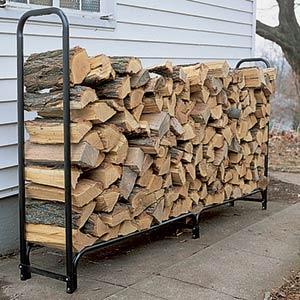

Buying firewood can sometimes feel like learning a new language. You hear terms like “full cord,” “rick,” and “thrown cord,” and it’s easy to get overwhelmed. But if you heat your home with wood or just love a cozy fireplace, there is one term you absolutely need to understand: a face cord of wood. Knowing this measurement prevents you from getting ripped off and ensures you have enough fuel to last through those chilly nights.
In this guide, we will break down everything about purchasing, measuring, and storing firewood. We’ll clarify the confusing terminology and help you become a confident buyer. Whether you are a seasoned lumberjack or just bought your first wood stove, this article has something for you.
Key Takeaways:
- A face cord of wood is a specific measurement different from a full cord.
- Understanding dimensions (4′ x 8′ x log length) is crucial for getting what you pay for.
- Moisture content matters just as much as volume.
- Proper stacking and storage will save you money and hassle.
What Exactly Is a Face Cord of Wood?
When you start shopping for firewood, the most common unit of measurement you will encounter in residential sales is the face cord of wood. But what does that actually look like? A face cord is a stack of wood that measures 4 feet high by 8 feet long. The “face” refers to the front area of the stack, which is 32 square feet.
However, the third dimension—the depth—is where things get tricky. The depth of the stack is determined by the length of the logs. Unlike a full cord, which has a standardized volume, the volume of a face cord varies depending on how long the pieces of wood are cut. Typically, firewood logs are cut to lengths of 16 inches, but they can range from 12 to 24 inches.
So, if you buy a face cord of wood with 16-inch logs, you are getting a stack that is 4 feet high, 8 feet long, and 16 inches deep. If the logs are 24 inches long, the stack is deeper, and you get more wood overall, even though it is still sold as a “face cord.” This variability is why it is essential to ask your supplier about log length before you agree on a price.
The Visual Test: Recognizing a Face Cord
Visualizing this amount of wood can be helpful. Imagine a standard pickup truck. A face cord of 16-inch logs will often fill a standard 8-foot truck bed if the wood is loosely thrown in, or fill about a third to half of the bed if it is stacked neatly up to the rails. If you are stacking it against a wall in your garage or shed, picture a stack that is as long as a typical sedan and about chest-high.
Understanding this visual helps when the delivery truck arrives. If the driver dumps a pile that looks suspiciously small, you’ll have a better sense of whether you’ve received your full order. Always have a tape measure handy when your delivery arrives to verify the 4-foot height and 8-foot length once it is stacked.
Face Cord vs. Full Cord: What’s the Difference?
The biggest source of confusion in the firewood industry is the difference between a face cord of wood and a full cord. A full cord is an official, legal unit of measurement defined by statute in many places. A full cord measures 4 feet high by 4 feet wide by 8 feet long. This equals a total volume of 128 cubic feet.
A face cord is essentially a slice of a full cord. Since a full cord is 4 feet deep (48 inches), and most firewood logs are cut to 16 inches, a single full cord usually contains three face cords of 16-inch wood. The math is simple: 16 inches x 3 = 48 inches (4 feet).
Here is a quick breakdown to keep it straight:
- Full Cord: 4′ H x 8′ L x 4′ D (128 cubic feet)
- Face Cord: 4′ H x 8′ L x Log Length (Volume varies)
Knowing this distinction protects your wallet. Unscrupulous sellers might advertise a “cord” of wood for a low price, but deliver only a face cord. Since a face cord is roughly one-third the volume of a full cord, you should expect to pay roughly one-third of the price. Always clarify if the price quote is for a full cord or a face cord of wood.
Understanding Other Measurements: Ricks and Thrown Cords
You might hear other terms like “rick” or “thrown cord.” A “rick” is often used interchangeably with a face cord, describing a stack 4 feet high by 8 feet long. However, “rick” is a colloquial term and can vary by region, so it is less precise. Always ask for dimensions in feet and inches to be safe.
A “thrown cord” or “loose cord” refers to wood that has been dumped into a truck but not stacked. Because there is more air space between the logs when they are jumbled together, a thrown cord takes up more space than a stacked cord. A rule of thumb is that a loose pile needs to be about 180 cubic feet to equal 128 cubic feet of stacked wood. If you buy loose wood, expect the pile to look much smaller once you stack it neatly at home.
Calculating the Volume of Your Firewood
If you want to get technical, calculating the volume of your purchase is a great way to ensure fairness. To calculate the volume of a face cord of wood, you need to convert all measurements to feet.
Let’s assume standard 16-inch logs.
- Height: 4 feet
- Length: 8 feet
- Depth: 16 inches = 1.33 feet
Calculation: 4 x 8 x 1.33 = 42.56 cubic feet.
Compare this to a full cord, which is 128 cubic feet. You can clearly see that a standard face cord is roughly 33% of a full cord. If the logs are shorter, say 12 inches (1 foot), the volume drops to 32 cubic feet (4 x 8 x 1), which is exactly one-quarter of a full cord.
Why Log Length Matters
The length of the log doesn’t just change the volume; it dictates whether the wood will actually fit in your stove. Standard stoves usually accept 16-inch logs comfortably. Smaller wood stoves or inserts might require 12 or 14-inch logs. Large outdoor boilers can take pieces up to 24 inches or more.
Before ordering a face cord of wood, measure the inside of your firebox. You want logs that are at least 3 inches shorter than the width of your stove to allow for easy loading and airflow. If you order 18-inch wood for a 16-inch stove, you are going to have a very frustrating winter trying to cut dried hardwood logs down to size.
Average Cost of a Face Cord of Wood
Pricing for firewood varies wildly depending on your location, the time of year, and the type of wood. Generally, you can expect to pay anywhere from $120 to $200 for a face cord of wood in the United States. In rural areas with abundant forests, prices might be lower, closer to $100. In urban areas or places where wood must be trucked in from far away, prices can soar above $250.
Delivery fees are another factor. Some sellers include delivery in the price if you are local, while others charge a flat fee or a per-mile rate. Always ask for the “delivered price” rather than just the price of the wood. Stacking services are almost always extra. If you want the driver to stack the wood in your backyard rather than dumping it in the driveway, expect to pay an additional $20 to $50 per face cord.
Factors That Influence Price
Several variables affect the final bill:
- Season: Buying in the spring or early summer is cheaper. Prices spike in autumn and winter when demand is high.
- Wood Type: Hardwoods like oak, hickory, and maple burn longer and hotter, commanding a higher price. Softwoods like pine are cheaper but burn faster and create more creosote.
- Processing: “Green” wood (freshly cut) is cheaper than “seasoned” (dried) wood. Kiln-dried wood, which is premium and bug-free, is the most expensive option.
It is usually worth paying a premium for seasoned hardwood. You will burn less wood to get the same amount of heat, and you will have fewer issues with chimney buildup. Buying cheap, green wood in October often leads to a smoky, frustrating fire that won’t produce heat.
Hardwood vs. Softwood: Which Should You Choose?
Choosing the right species of wood is critical for heating efficiency. Hardwoods are dense and heavy. A face cord of wood made of oak weighs significantly more than a face cord of pine. This density translates to energy content. A dense log holds more potential heat energy, meaning you don’t have to reload the stove as often.
Common hardwoods include:
- Oak: The gold standard. Burns hot and slow.
- Maple: Excellent heat, smells good.
- Ash: Burns well even when slightly green, easy to split.
- Hickory: Very high heat output, great for cooking.
Softwoods are less dense. They ignite quickly and burn hot and fast, making them excellent for kindling or for getting a cold chimney drafted. However, relying solely on softwood for heating means you will be feeding the fire constantly.
Common softwoods include:
- Pine: Great starter wood, smells festive, but sparks a lot.
- Cedar: Smells amazing, snaps and pops, good for short fires.
- Spruce: fast burning, low heat output.
For the best experience, aim for a mix. Get a face cord of wood that is mostly hardwood for the long burns, but ask if you can get a small bundle of pine for starting your fires.
The Importance of Moisture Content
You can buy the best oak in the world, but if it is wet, it is worthless. Freshly cut wood can contain up to 50% water. Trying to burn this is like trying to burn a wet sponge. The fire spends all its energy boiling off the water instead of heating your home. This results in steam, smoke, and creosote—a flammable tar that coats your chimney and causes chimney fires.
Seasoned wood has been cut, split, and stacked to dry for at least six months to a year. Ideally, firewood should have a moisture content roughly below 20%. When shopping for a face cord of wood, ask the seller how long the wood has been seasoned.
How to Check for Seasoned Wood
You don’t need a lab to test wood. Here are some field tests:
- The Sound Test: Bang two pieces of wood together. Wet wood makes a dull “thud.” Dry wood makes a sharp “clink” or ringing sound.
- The Look: Seasoned wood is often gray or dark on the ends and has visible radial cracks (checks) radiating from the center. The bark should be loose or falling off.
- The Weight: Dry wood feels surprisingly light for its size compared to green wood.
If you have the time and space, the cheapest way to get firewood is to buy green wood in the spring and stack it yourself to dry over the summer. By winter, your face cord of wood will be ready to burn, and you will have saved money.
How to Stack and Store Your Face Cord
Once your face cord of wood is delivered, proper storage is key to keeping it dry and preventing rot. Never leave firewood in a pile on the ground for long periods; it will absorb moisture from the soil and attract bugs.
The goal of stacking is to maximize airflow. Air and sun are what dry the wood. Pick a spot that gets good sunlight and wind exposure. Avoid stacking wood directly against your house, as this can invite termites or carpenter ants into your home. A distance of a few inches from any structure is recommended.
Stacking Techniques
- Elevate: Build your stack on pallets, 2x4s, or a dedicated firewood rack to keep the bottom row off the damp ground.
- Ends: If you don’t have a rack with sides, build “towers” at the ends of your stack by alternating the direction of the logs (criss-cross) to create a stable bookend.
- Loose is Better: Don’t pack the logs too tightly. You want air to flow through the stack.
- Cover the Top: Cover only the top of the stack with a tarp or a sheet of metal to keep rain and snow off. Leave the sides open so moisture can escape. Wrapping the whole stack in a tarp traps moisture inside and causes mold.
A neatly stacked face cord of wood is not only practical but can also be an attractive landscape feature. Just remember, safety first: make sure the stack is stable so it doesn’t topple over on pets or children.
Where to Buy a Face Cord of Wood
Finding a reputable supplier can be tricky. You can look at local classifieds, Facebook Marketplace, or specialized firewood dealers. Garden centers and landscaping companies often sell firewood, though usually at a higher premium price.
When contacting a new seller to buy a face cord of wood, ask specific questions:
- “What species of wood is it?”
- “When was it cut and split?”
- “What is the average log length?”
- “Does the price include delivery and stacking?”
Word of mouth is powerful. Ask neighbors who burn wood where they get their supply. If you find a good supplier who delivers quality, dry wood at a fair price, stick with them. Good firewood dealers are worth their weight in gold.
You can also check online resources and community hubs. For example, for broader lifestyle and home tips, visiting sites like Silicon Valley Time can offer additional insights into modern living and home management.
Tips for Measuring Delivery
Trust but verify. When the truck pulls up, take a look at the wood before it is dumped. Does it look seasoned? Is it muddy? Once it is dumped or stacked, measure it.
If you ordered a face cord of wood, stacking it into a 4′ x 8′ rack is the easiest way to confirm the volume. If the stack falls significantly short—say, 4′ x 6’—call the seller immediately. Most honest sellers will make it right by dropping off a bit more wood or adjusting the price.
Common Scams to Avoid:
- “The Pickup Truck Load”: A seller claims a standard pickup bed holds a full cord. It physically cannot. Even a large truck with high sides barely holds a full cord thrown loosely. A standard pickup bed usually holds roughly a face cord or slightly more if thrown.
- “Seasoned Last Week”: Splitting wood exposes wet interior fibers. Wood split a week ago is not seasoned, even if the log was cut down a year ago. Drying happens after splitting.
Firewood Comparison Table
To help you visualize the value, here is a comparison of common firewood units and wood types.
|
Unit of Measurement |
Dimensions |
Approximate Volume (cu. ft.) |
Notes |
|---|---|---|---|
|
Face Cord of Wood |
4′ H x 8′ L x Log Length |
42 – 55 |
Varies by log length (16″ is standard) |
|
Full Cord |
4′ H x 8′ L x 4′ W |
128 |
The official legal standard |
|
Rick |
4′ H x 8′ L x Log Length |
42 – 55 |
Often used interchangeably with Face Cord |
|
Quarter Cord |
1/4 of a Full Cord |
32 |
Roughly 4′ x 6′ x 16″ |
|
Wood Species |
Heat Output (Million BTUs/Cord) |
Ease of Splitting |
Smoking |
|---|---|---|---|
|
Oak (Red/White) |
24 – 29 |
Medium |
Low |
|
Sugar Maple |
24 |
Hard |
Low |
|
Ash |
20 – 24 |
Easy |
Low |
|
Pine (White) |
14 – 16 |
Easy |
High |
This table clearly shows why paying a bit more for Oak is often better value than buying cheap Pine. You get nearly double the heat output per cord!
Environmental Considerations
Burning wood is often considered carbon-neutral because the tree absorbed carbon dioxide while growing, which is released back when burned. However, incomplete combustion creates particulate pollution. To burn a face cord of wood responsibly:
- Burn Dry Wood: Wet wood smokes. Smoke is unburned fuel and pollution.
- Use an EPA-Certified Stove: Modern stoves re-burn smoke, drastically reducing emissions and increasing efficiency.
- Don’t Burn Trash: Never burn plastic, treated wood, or painted wood. These release toxic chemicals.
By burning efficiently, you get more heat from your wood and keep the air cleaner for your neighbors.
Tools You Might Need
Handling a face cord of wood requires some basic gear to save your back and hands.
- Gloves: Leather gloves protect against splinters and bugs.
- Wheelbarrow or Cart: Essential for moving wood from the delivery spot to your stack.
- Maul or Axe: Even if you buy split wood, you might need to split larger pieces down for kindling.
- Moisture Meter: A cheap $20 tool that tells you instantly if your wood is ready to burn.
- Canvas Carrier: Makes bringing wood inside the house clean and easy.
Frequently Asked Questions (FAQ)
1. How many pieces of wood are in a face cord?
It is hard to give an exact number because log thickness varies. However, a standard face cord of wood usually contains between 220 and 260 pieces of firewood, assuming average-sized splits.
2. Can I fit a face cord in my SUV?
Probably not in one trip. A face cord weighs between 1,500 and 2,500 pounds depending on the wood type and moisture. This exceeds the payload capacity of most SUVs and could damage your suspension. It is safer to make multiple trips or rent a trailer.
3. How long will a face cord last?
This depends entirely on your usage. If you only burn fires on weekends for ambiance, a face cord can last almost the entire winter. If you rely on wood for heating a large home 24/7, a face cord might only last 1 to 2 weeks.
4. Is it cheaper to buy a full cord or a face cord?
Buying in bulk is usually cheaper. The price per cubic foot is typically lower if you buy a full cord compared to buying three separate face cords. If you have the storage space, buy the full cord.
5. Why is my “seasoned” wood hissing?
If your wood hisses and bubbles water out of the ends while burning, it is not seasoned. It still has high moisture content. You can try to mix it with very dry wood or compressed wood bricks to help it burn, but it’s best to let it dry longer.
Conclusion
Understanding the terminology of firewood is the first step to a warm, cozy, and cost-effective winter. A face cord of wood is a convenient size for many homeowners, offering a manageable amount of fuel without requiring a massive amount of storage space. By knowing the dimensions—4 feet by 8 feet by log length—you can measure your delivery and ensure you are getting exactly what you paid for.
Remember to prioritize wood quality over just low price. Dry, dense hardwood will always outperform cheap, wet softwood. Take the time to stack your wood properly off the ground, cover the top, and let the wind do the rest. With the right knowledge, buying firewood stops being a gamble and becomes a simple part of your seasonal routine.
For more information on various topics, you can always check out resources like Wikipedia to read more about the history and standardization of wood measurements like the face cord of wood. Stay warm and burn safely