




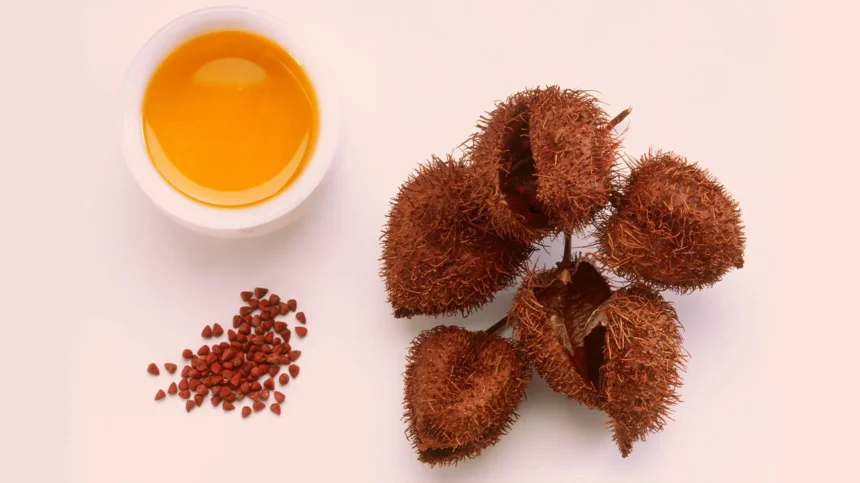

Have you ever wondered what gives cheddar cheese its bright orange glow or why your favorite butter looks so golden and appetizing? The secret ingredient isn’t artificial magic; it is a natural gift from nature called annatto color. While the name might sound scientific or unfamiliar, you have likely eaten it hundreds of times without even realizing it. It is one of the most popular natural food colorings in the world.
In this article, we are going to dive deep into everything you need to know about this vibrant ingredient. We will explore where it comes from, how it is made, and why food companies love using it. We will also answer the big questions about safety and allergies. By the end, you will be an expert on that sunny shade on your plate.
Key Takeaways
- Annatto color comes from the seeds of the achiote tree found in tropical regions.
- It provides yellow, orange, and red hues to foods like cheese, butter, and snacks.
- It is a natural alternative to artificial dyes, making it popular for “clean label” products.
- While generally safe, a small number of people may have allergic reactions to it.
- It has a long history of use in traditional medicine and cooking across Central and South America.
What Exactly Is Annatto Color?
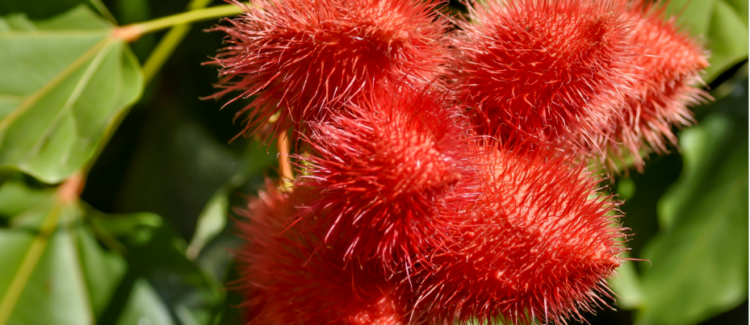
To understand annatto color, we have to travel to the tropical regions of Central and South America. This coloring comes from the seeds of the achiote tree (Bixa orellana). This shrub-like tree produces spiky, heart-shaped pods. When these pods crack open, they reveal bright red seeds inside. These seeds are the source of the color.
The color itself is extracted from the outer coating of these seeds. The main compounds responsible for the yellow-orange dye are called bixin and norbixin. Bixin is soluble in fats (like oil), while norbixin is soluble in water. This versatility is one of the reasons why manufacturers find annatto color so incredibly useful. It can dye a block of fatty cheese just as easily as it can color a water-based sauce.
Unlike artificial dyes made in a lab from petroleum, this is a plant-based ingredient. Historically, indigenous people used it not just for food, but for body paint, fabric dye, and even medicine. Today, it serves a similar purpose but on a much larger industrial scale, replacing synthetic options like Yellow 5 or Yellow 6 in many grocery store items.
Why Is Annatto Used in So Many Foods?
You might be asking yourself, “Why do we need to color food at all?” The truth is, humans eat with their eyes first. We associate bright, consistent colors with freshness and high quality. For example, cows that eat fresh grass produce butter with a natural yellow tint. In winter, when cows eat grain, butter can look pale white. Farmers centuries ago started using annatto color to keep their butter looking “summery” all year round.
This tradition stuck. Today, food manufacturers use it to ensure products look the same every time you buy them. If you bought a bag of cheddar cheese puffs and they were pale white one week and neon orange the next, you might think something was wrong with them. Using this natural coloring ensures consistency.
Furthermore, the “clean label” movement has pushed companies away from artificial additives. Consumers want ingredients they can pronounce and recognize. Because annatto color is plant-based, it fits perfectly into the demand for natural products. It allows brands to create visually appealing food without having to list scary-sounding chemicals on the packaging.
The History of the “Lipstick Tree”
The achiote tree is sometimes called the “lipstick tree.” This fun nickname comes from its traditional use as a cosmetic. Indigenous tribes in the rainforest used the bright red pulp from the seeds to paint their faces and bodies. It wasn’t just for decoration; it also reportedly helped repel insects and protect skin from the sun.
A Culinary Staple
Long before it was a food additive in the US, annatto was a staple spice in Latin American, Caribbean, and Filipino cuisines. In these cultures, it is often sold as “achiote” paste or oil. It adds a subtle, earthy, slightly peppery flavor to dishes like cochinita pibil (slow-roasted pork) or yellow rice.
However, when used industrially as annatto color, the amount used is usually so small that you cannot taste it. Its primary job in processed food is strictly visual. It transforms pale ingredients into something warm and inviting.
Common Foods Containing Annatto Color
You might be surprised at just how many items in your pantry contain this ingredient. Because it is stable and versatile, it appears in dairy, bakery, and snack aisles.
Dairy Products
This is the most common place you will find it.
- Cheddar Cheese: The classic orange cheddar is the most famous example.
- Butter and Margarine: To give that creamy, golden hue.
- Ice Cream: Vanilla or custard flavors often use it for a rich look.
- Yogurt: Used in fruit-flavored yogurts to enhance the color.
Snacks and Baked Goods
- Crackers: Goldfish crackers and Cheez-Its rely on it.
- Cereal: Many yellow or orange cereals use it instead of artificial dyes.
- Popcorn: Movie theater butter flavor often gets its yellow tint here.
- Cakes and Frostings: Natural yellow cake mixes often list it as an ingredient.
|
Food Category |
Common Items |
Reason for Use |
|---|---|---|
|
Dairy |
Cheese, Butter, Ice Cream |
Mimics high-quality, grass-fed dairy color. |
|
Snacks |
Chips, Crackers, Popcorn |
Provides appetizing “cheesy” look. |
|
Bakery |
Cakes, Cookies, Bread |
Adds warmth and consistency to dough. |
|
Beverages |
Juices, Drinks |
Enhances fruit colors like orange or peach. |
Is Annatto Color Safe to Eat?
The short answer is yes, for the vast majority of people. The U.S. Food and Drug Administration (FDA) classifies annatto color as “exempt from certification.” This means it is a natural color additive and is generally recognized as safe. It doesn’t require the strict batch-testing that synthetic dyes do.
However, “natural” doesn’t always mean “allergy-free.” Just like people can be allergic to peanuts or strawberries, some people can be sensitive to annatto. Reactions are rare but can happen. For most of the population, though, it passes through the body without any issues.
There have been some studies on the safety of the specific compounds, bixin and norbixin. These studies generally confirm that at the levels consumed in food, they are non-toxic. It is important to remember that the concentration in a slice of cheese is very low compared to the raw seeds.
Understanding Hypersensitivity
While rare, some individuals report symptoms like hives, itching, or digestive issues after consuming foods with heavy amounts of this coloring. If you suspect you have a sensitivity, it is relatively easy to avoid because it must be listed on the ingredient label in the United States. It cannot simply be hidden under “natural flavors”—it usually appears as “annatto extract” or “annatto (for color).”
Annatto vs. Artificial Dyes: A Comparison
The food industry is constantly battling between natural and artificial. Artificial dyes like Yellow 5 (Tartrazine) and Yellow 6 (Sunset Yellow) are cheap and very bright. However, they have been linked to hyperactivity in children and other health concerns, leading many parents to avoid them.
Annatto color serves as the perfect bridge. It provides similar hues—ranging from soft yellow to deep red-orange—without the chemical baggage.
Advantages of Annatto:
- Natural Origin: Comes from a plant, not petroleum.
- Consumer Trust: Shoppers prefer ingredients they recognize.
- Antioxidants: The seeds contain vitamin E compounds called tocotrienols.
Disadvantages of Annatto:
- Cost: It is generally more expensive than artificial dyes.
- Stability: Natural colors can fade faster in light than artificial ones.
- Flavor: In very high concentrations, it can impart an earthy taste, whereas artificial dyes are flavorless.
Health Benefits of the Achiote Seed
While annatto color is used in food mostly for looks, the seed it comes from actually has some interesting health properties. In traditional medicine, parts of the achiote tree were used to treat everything from heartburn to fevers.
Modern science has looked into these seeds and found they are rich in antioxidants. specifically tocotrienols, a form of Vitamin E. Antioxidants help fight free radicals in your body, which can damage cells.
Does eating orange cheese give you these benefits? Probably not much. The extraction process focuses on the pigment, and the amount used in food is tiny. You would need to use the spice form (achiote paste) in your cooking to really get any potential nutritional boost. But it is nice to know that the source of the color is a nutrient-rich seed rather than a chemical vat.
How Is Annatto Processed?
The journey from a tropical tree to your kitchen table involves a few steps. It isn’t just grinding up seeds and throwing them in the mix.
- Harvesting: Farmers harvest the prickly pods when they are ripe and dry.
- Extraction: The seeds are separated from the pods. To get the color, manufacturers process the seeds using either oil or an alkaline water solution.
-
- Oil Extraction: This pulls out the bixin pigment. This is used for high-fat foods like margarine or salad dressing.
- Water Extraction: This pulls out the norbixin pigment. This is used for cheese, casings, and baked goods.
- Purification: The extract is cleaned and standardized so that every batch has the exact same color strength.
This processing is minimal compared to synthetic dyes, which requires complex chemical reactions. This minimal processing preserves the “natural” status that is so valuable in marketing today.
Reading Labels: How to Spot It
If you are trying to find—or avoid—annatto color, you need to be a label detective. In the United States, regulations require it to be listed on the ingredient panel.
Look for these terms:
- Annatto
- Annatto extract
- Annatto (color)
- Achiote
Sometimes, products might just say “colored with vegetable juice” or “natural color,” but for annatto specifically, it is usually named because of its distinct profile. If you see a product that is bright orange and claims to be “all-natural,” check the back. There is a 90% chance you will see annatto listed there.
The Role of Annatto in Vegan and Vegetarian Diets
For those following a plant-based diet, annatto color is a helpful ingredient. Many red food colorings, like Carmine (or Cochineal), are actually made from crushed beetles. This makes them unsuitable for vegetarians and vegans.
Annatto provides a cruelty-free alternative for achieving red and orange shades. If you are vegan and looking for a “red velvet” type color or a nice yellow curry hue, annatto (along with beet juice or turmeric) is a go-to option. It ensures that no animals were involved in the coloring process.
Cooking with Achiote at Home
You don’t have to be a food scientist to use this ingredient. You can buy achiote paste or seeds at most Latin American grocery stores or in the international aisle of a supermarket.
Making Achiote Oil
One of the best ways to use it is to make achiote oil.
- Heat a cup of vegetable oil in a pan.
- Add a few tablespoons of annatto seeds.
- Let them sizzle gently until the oil turns a bright reddish-orange.
- Strain the seeds out (don’t eat the hard seeds).
You can use this golden oil to sauté onions, cook rice, or marinate chicken. It adds a beautiful color and a very mild, nutty, peppery flavor that is authentic to many Caribbean dishes.
Global Regulations on Annatto
Different countries have different rules about food additives. Fortunately, annatto color is widely accepted globally.
- European Union: It is listed as E160b.
- United States: Exempt from certification.
- Australia/New Zealand: Approved as additive 160b.
This global approval makes it easier for international food companies. They can use the same recipe for a snack sold in New York, London, and Sydney without having to change the coloring agent to meet local laws.
The E160b Classification
In Europe, you will often see E-numbers on labels. E160b refers specifically to annatto extracts. Recently, European regulators have updated guidelines to distinguish between solvent-extracted bixin and alkali-extracted norbixin to ensure even stricter safety standards. This shows that food safety agencies are constantly monitoring even natural ingredients to ensure public health.
Potential Side Effects and Allergies
We touched on this earlier, but it deserves its own section. While annatto color is natural, it is a known allergen for a small group of people.
Symptoms of Annatto Allergy
- Skin Issues: Hives, itchy skin, or eczema flare-ups.
- Digestive Issues: Stomach pain, bloating, or diarrhea (often confused with lactose intolerance in dairy products).
- Respiratory Issues: Very rarely, breathing difficulties.
Sometimes, people think they are allergic to cheese, but they are actually reacting to the coloring in the cheese. If you can eat white cheddar without issue but get sick from orange cheddar, annatto might be the culprit.
IBS and Annatto
Some people with Irritable Bowel Syndrome (IBS) report that annatto triggers their symptoms. While research is ongoing, many dietitians suggest keeping a food diary to see if removing colored foods helps reduce flare-ups.
Frequently Asked Questions (FAQ)
Q: Is annatto color artificial?
A: No, it is a natural color derived from the seeds of the achiote tree.
Q: Does annatto affect the taste of food?
A: In the small amounts used for coloring (like in cheese), it is flavorless. In larger amounts used as a spice (achiote paste), it has a mild, peppery, earthy flavor.
Q: Is annatto vegan?
A: Yes, it is 100% plant-based and suitable for vegans and vegetarians.
Q: Why is my cheese orange?
A: Most orange cheese is dyed with annatto color. Without it, the cheese would likely be white or pale yellow.
Q: Can kids eat annatto?
A: Yes, it is considered safe for children and is a popular alternative to artificial dyes that some parents try to avoid.
Conclusion
Annatto color is a fascinating example of how nature provides solutions that science struggles to replicate. From its roots in ancient tribal traditions to its current status as a superstar in the global food industry, it bridges the gap between the natural world and our modern grocery shelves. It makes our cheese look tastier, our butter look richer, and our snacks look more fun—all without the need for synthetic chemicals.
While it is important to be aware of potential allergies, for the vast majority of us, annatto is a safe, natural, and welcome addition to our food. Next time you see that golden hue on a cracker or a slice of cheese, you will know exactly where it came from—a prickly pod on a tropical “lipstick tree.”
If you are interested in learning more about food trends and tech innovations in the culinary world, check out our friends at Silicon Valley Time. They cover a wide range of topics that intersect with technology and daily life.
For even more scientific details and a deep dive into the chemical structure of this additive, you can visit the Wikipedia page on Annatto.