




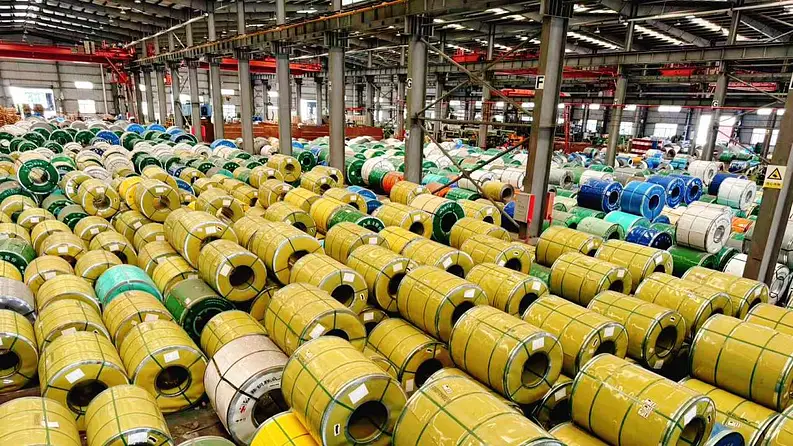

Stainless steel is everywhere. You see it in your kitchen sink, the cutlery you eat with, and even the shiny arch in St. Louis. But in many parts of the world, and increasingly in specialized industries, this versatile metal is referred to by a different name: material inox. It sounds fancy, but “inox” is simply short for inoxydable, the French word for stainless. While the name might be different, the incredible properties remain the same. Whether you are building a home, buying new appliances, or working on a DIY project, understanding this material is crucial.
In this guide, we are going to dive deep into what makes material inox so special. We will explore why it doesn’t rust easily, the different types available, and why it is the go-to choice for hygiene and durability. Get ready to learn everything you never knew you needed to know about this shiny, strong, and reliable metal.
Key Takeaways:
- Material inox is another term for stainless steel, known for its corrosion resistance.
- There are many different grades, like 304 and 316, each suited for specific tasks.
- It is 100% recyclable, making it an eco-friendly choice.
- Proper maintenance keeps it looking shiny and new for decades.
What Exactly Is Material Inox?
When people hear the term material inox, they often get confused. Is it a new super-metal? Is it a special coating? The answer is much simpler. Material inox is an alloy of iron with a minimum of 10.5% chromium. Chromium produces a thin layer of oxide on the surface of the steel known as the ‘passive layer’. This prevents any further corrosion of the surface. Increasing the amount of chromium gives an increased resistance to corrosion.
Think of it like a superhero shield. Regular steel reacts with oxygen and moisture to create rust. But the chromium in material inox reacts with oxygen to create a protective barrier. If you scratch the surface, this barrier heals itself almost instantly in the presence of oxygen. This self-healing property is what makes it “stainless.” It’s not that it never stains, but it stains much less than other metals.
The History of Stainless Steel
The discovery of stainless steel wasn’t a single moment but a series of innovations in the early 20th century. Harry Brearley in England is often credited with discovering “rustless steel” in 1913 while looking for a better metal for gun barrels. He noticed that his scrap pile of chromium-steel samples wasn’t rusting. Today, material inox has evolved into hundreds of different grades and finishes, used in everything from skyscrapers to surgical scalpels.
Why Choose Material Inox for Your Projects?
If you are debating between plastic, wood, or metal, material inox often comes out on top. One of the biggest reasons is durability. This material is incredibly strong and can withstand heavy loads and high impacts without deforming. Unlike wood, it doesn’t rot. Unlike plastic, it doesn’t crack or degrade easily under UV light. It is built to last a lifetime, which often justifies the initial cost.
Another huge factor is hygiene. The surface of material inox is non-porous. This means bacteria, viruses, and mold have nowhere to hide. This is why you see it in every commercial kitchen and hospital operating room. A quick wipe with a disinfectant is usually all it takes to make the surface safe again. For families with young children or anyone concerned about cleanliness, this is a major advantage.
Aesthetic Appeal
Beyond its strength, material inox looks great. It has a modern, sleek appearance that fits well with contemporary design trends. Whether you prefer a mirror finish that reflects light or a brushed matte finish that hides fingerprints, there is a style for everyone. It pairs beautifully with stone, wood, and glass, making it a favorite among interior designers.
The Different Grades of Material Inox
Not all stainless steel is created equal. There are different “grades” or recipes used to make material inox, depending on what it needs to do. The most common numbering system you will see involves 300-series and 400-series numbers. Knowing the difference can save you money and headaches down the road.
The 304 Grade
This is the workhorse of the stainless steel world. It is the most common grade used in household appliances, pots, pans, and sinks. It contains chromium and nickel. It offers excellent corrosion resistance for most indoor applications. If you are buying a stainless steel fridge, it is likely made of 304-grade material inox.
The 316 Grade
If 304 is the standard soldier, 316 is the marine. This grade contains an added element called molybdenum. This addition makes it incredibly resistant to chlorides, like salt. If you live near the ocean or need metal for a swimming pool ladder, you absolutely need 316 material inox. Using a lower grade in a salty environment will lead to pitting and rust much faster.
Material Inox in the Kitchen
The kitchen is the heart of the home, and it is also the kingdom of material inox. From the sink where you wash vegetables to the cutlery you use to eat dinner, this metal is everywhere. Its resistance to food acids is vital here. Tomatoes, lemons, and vinegar can eat away at lesser metals, but stainless steel stands strong. It ensures that your food doesn’t taste like metal and remains safe to eat.
Furthermore, material inox handles heat incredibly well. You can place a hot pot directly on a stainless steel counter (though a trivet is always safer to prevent warping) without it melting or burning. This heat resistance is also why it is used for stove burners and oven interiors. It can endure the daily cycle of heating and cooling without losing its structural integrity.
Cookware Benefits
Cooking with stainless steel pans is a skill, but once mastered, it yields amazing results. Unlike non-stick pans which can scratch and peel, a material inox pan can last for generations. It allows for high-heat searing that creates delicious browning on meats—something hard to achieve with non-stick coatings.
Industrial Applications of Material Inox
While we see it in our homes, the true scale of material inox usage is in industry. In the automotive sector, it is used for exhaust systems because it can handle high heat and corrosive exhaust fumes. In the construction industry, it is used for cladding buildings, roofing, and structural support bars. Its high strength-to-weight ratio allows architects to design soaring structures that are both safe and beautiful.
The medical field relies heavily on material inox. Surgical instruments like scalpels, clamps, and retractors are almost exclusively made from specific grades of stainless steel. It can be sterilized in autoclaves at high temperatures repeatedly without rusting or dulling. Even implants, like artificial hips and screws for broken bones, use bio-compatible versions of this material because the human body generally accepts it without rejection.
Table: Common Industries and Uses
|
Industry |
Application of Material Inox |
Key Benefit |
|---|---|---|
|
Food & Beverage |
Vats, piping, tanks |
Hygiene, non-reactive |
|
Automotive |
Exhaust systems, trim |
Heat resistance, style |
|
Medical |
Surgical tools, implants |
Sterility, bio-compatibility |
|
Construction |
Facades, handrails |
Weather resistance, strength |
|
Energy |
Oil rig components |
Saltwater corrosion resistance |
Comparing Material Inox to Other Metals
How does material inox stack up against competitors like aluminum or carbon steel? Aluminum is lighter and often cheaper, but it is not as strong. It can dent easily and isn’t great for high-heat applications. Carbon steel is very strong and hard, often used for knives, but it rusts very quickly if not oiled and cared for constantly.
Copper is another competitor, especially in cookware and plumbing. Copper conducts heat better than material inox, but it is reactive. Cooking acidic foods in unlined copper can be dangerous. Plus, copper tarnishes and requires constant polishing to keep it looking bright. Stainless steel offers the best balance: it’s stronger than aluminum, more corrosion-resistant than carbon steel, and lower maintenance than copper.
The Cost Factor
It is true that material inox is generally more expensive upfront than mild steel or aluminum. This is due to the cost of the alloying elements like nickel and chromium. However, the “lifecycle cost” is often lower. Because you don’t have to replace it, paint it, or repair it as often, it saves money over the long term.
Environmental Impact of Material Inox
In a world increasingly concerned with sustainability, material inox is a green choice. It is 100% recyclable. In fact, most stainless steel objects you buy today already contain about 60% recycled content. When a stainless steel product reaches the end of its useful life—whether it’s a building facade or a kitchen knife—it can be melted down and turned into new steel with no loss of quality.
Unlike some plastics that degrade and end up in landfills or oceans, scrap material inox is a valuable commodity. It is collected and reused extensively. Additionally, because it lasts so long, we consume fewer resources replacing worn-out items. Choosing durable goods is one of the best ways to reduce your environmental footprint.
Common Misconceptions About Material Inox
There are several myths floating around about this metal. The biggest one is that it never rusts. As we mentioned, it is “stain-less,” not “stain-proof.” If you leave a wet cast-iron pot sitting in a material inox sink for a week, you might see rust spots. Usually, this is transfer rust from the pot, not the sink itself, but in harsh chemical environments, the steel itself can corrode.
Another myth is that it is non-magnetic. While the most common 300-series (austenitic) steels are generally non-magnetic, other types of material inox, like the 400-series used in knife blades, are magnetic. So, taking a magnet to the scrapyard isn’t a foolproof way to identify stainless steel.
It’s Too Hard to Clean
Some people avoid stainless steel appliances because they fear fingerprints. While it’s true that shiny surfaces show smudges, modern finishes often come with “anti-fingerprint” coatings. Furthermore, cleaning material inox is actually very easy if you use the right method, which we will discuss next.
How to Clean and Maintain Material Inox
Keeping your material inox surfaces looking brand new doesn’t require expensive chemicals. In fact, harsh bleaches and chlorides can actually damage the protective layer. The best cleaner is often just warm water and a mild dish soap. Use a soft cloth or sponge. Never use steel wool or abrasive scrubbing pads, as these will scratch the finish and leave particles behind that can rust.
For tougher stains or to restore shine, you can use specialized stainless steel cleaners or even household items like vinegar and olive oil. Wipe with vinegar to remove grease and grime, then buff with a tiny drop of olive oil to make it shine. Always wipe in the direction of the “grain” (the brushed lines) for the best results.
Maintenance Checklist:
- Daily: Wipe down with warm soapy water.
- Weekly: Use a dedicated polish or oil to enhance shine.
- Avoid: Bleach, chloride cleaners, and steel wool.
- Tip: Always dry the surface after washing to prevent water spots.
Material Inox in Architecture
Architects love material inox for its ability to combine strength with beauty. Famous buildings like the Chrysler Building in New York City feature stainless steel cladding that still gleams nearly a century later. It reflects the sky and the surroundings, making buildings feel lighter and more integrated into their environment.
It is also used for invisible strength. Rebar made from material inox is increasingly used in bridges and highways, especially in coastal areas where salt destroys regular steel rebar. Although it costs more initially, it prevents concrete from cracking due to rusting internal supports, saving millions in repair costs over the life of the bridge.
DIY Projects with Material Inox
For the handy homeowner, material inox offers great possibilities. You can buy sheets, tubes, and bars from hardware suppliers. It is harder to cut and drill than wood or aluminum, so you need the right tools. You will need drill bits made of cobalt or titanium-coated high-speed steel (HSS). You also need to drill at a slower speed with steady pressure to avoid overheating the metal, which can harden it and make it impossible to drill.
Some popular DIY projects include custom backsplashes, garden edging that won’t rot, or modern furniture legs. If you are welding, remember that welding material inox requires specific techniques (like TIG welding) and filler rods to ensure the weld doesn’t rust.
The Future of Material Inox
Innovations in metallurgy are constantly improving material inox. Engineers are developing new grades that are lighter, stronger, and even more corrosion-resistant. We are seeing “duplex” stainless steels that mix the properties of different grades to create super-strong alloys for extreme environments like deep-sea oil drilling or desalination plants.
We are also seeing advancements in surface treatments. Nano-coatings are being developed to make material inox inherently anti-bacterial without the need for constant cleaning, which is a huge leap forward for hospitals and public transit.
Choosing the Right Finish
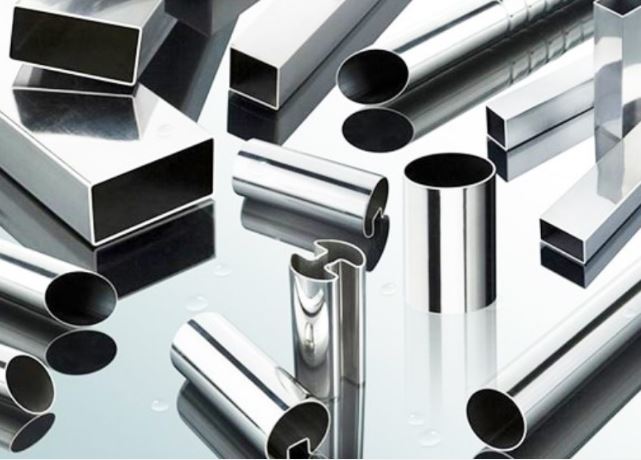
The finish of the metal affects both the look and the performance.
- No. 2B (Matte): A dull, smooth finish. Good for industrial uses where looks don’t matter much.
- No. 4 (Brushed): The most common finish for kitchen appliances. It has short, parallel polishing lines. It hides scratches and fingerprints well.
- No. 8 (Mirror): Highly reflective, looks like a glass mirror. Used for decorative trim and mirrors in public restrooms. It scratches easily, so it’s high maintenance.
Choosing the right finish for your material inox ensures you get the aesthetic you want with the maintenance level you can handle.
Where to Buy Material Inox
You can find small pieces of material inox at big-box hardware stores, usually in the form of kick plates or small metal sheets. For larger projects, look for local metal fabricators or specialized steel suppliers. Online retailers also sell cut-to-size pieces, which is convenient if you don’t have the tools to cut thick metal yourself.
When ordering, be specific about the grade. If you ask for just “stainless steel,” you might get 304 when you really need 316 for your boat. Always double-check the specifications.
Tips for Working with Material Inox
- Protect the Surface: Material inox often comes with a plastic film on one side. Keep this on as long as possible while cutting and fitting to prevent scratches.
- Watch the Heat: When cutting with an angle grinder, the metal can get very hot and change color (heat tint). This discoloration needs to be polished off to restore corrosion resistance.
- Safety First: The edges of cut material inox can be razor-sharp. Always wear heavy gloves and deburr (smooth out) the edges immediately after cutting.
Conclusion
Understanding material inox unlocks a world of durability and design for your home and business needs. It is more than just a shiny metal; it is a marvel of modern chemistry that keeps our food safe, our buildings standing, and our hospitals clean. By choosing the right grade and maintaining it correctly, you invest in a material that will serve you faithfully for decades.
Whether you are remodeling a kitchen or just curious about the materials that shape our world, material inox proves that strength and beauty can go hand in hand. For more insights on technology and innovation, check out resources like Silicon Valley Time, where modern advancements are frequently discussed.
The versatility of this metal ensures it will remain a staple in manufacturing and design for the foreseeable future. If you want to dive even deeper into the chemical composition and extensive history of this alloy, you can find a link from Wikipedia related to this keyword material inox (under the entry for Stainless Steel) which offers a wealth of technical data.
Frequently Asked Questions (FAQ)
Q: Is material inox the same as stainless steel?
A: Yes, “inox” is an abbreviation for inoxydable (from French), which means stainless. The terms are used interchangeably, though “inox” is more common in Europe and industry.
Q: Can material inox rust?
A: Yes, under extreme conditions or if the protective chromium oxide layer is damaged and prevented from reforming (like under dirt or grease), it can rust. However, it is highly resistant compared to other metals.
Q: Is material inox magnetic?
A: It depends on the grade. Austenitic grades (like 304) are usually non-magnetic, while ferritic and martensitic grades (like 440) are magnetic.
Q: How do I remove scratches from material inox?
A: For brushed finishes, you can use a non-abrasive pad (like a Scotch-Brite pad) and rub gently in the direction of the grain. For mirror finishes, you will likely need professional polishing compounds.
Q: Is material inox safe for cooking?
A: Absolutely. It is non-reactive, meaning it won’t leach chemicals into your food, even when cooking acidic ingredients like tomato sauce.