






Key Takeaways
- Lambrusco is not just that cheap, sweet soda-like wine you might remember from the 70s or 80s. It is a diverse family of grapes.
- The Emilia-Romagna region in Italy is the true home of this fizzy red wine, where food and wine go hand in hand.
- Modern lambrusco ranges from bone-dry (secco) to sweet (dolce) and pairs incredibly well with hearty foods like pizza and charcuterie.
- Serving it chilled is essential for the best experience, making it a perfect red wine option for warmer weather.
Lambrusco has faced a bit of an identity crisis over the last few decades. If you ask someone about this wine, they might picture a super sweet, sticky drink that their grandparents served at parties. But the reality is so much more interesting and delicious. This is a wine that has been misunderstood for far too long, especially here in the United States. It is actually one of Italy’s oldest and most respected wine families, offering a variety of flavors that can please almost any palate.
Today, wine enthusiasts are rediscovering lambrusco. They are finding out that it isn’t just a sugary soda replacement. It is a serious wine with deep roots in Italian culture. It has bubbles, yes, but it also has tannins, acidity, and structure. It is the kind of drink that makes a slice of pepperoni pizza taste like a gourmet meal. In this guide, we are going to explore everything you need to know about this sparkling red gem, stripping away the myths and getting down to the tasty truth.
What Exactly Is Lambrusco?
When we talk about lambrusco, we are not talking about a single grape variety. Instead, we are referring to a whole family of grapes. There are over 60 distinct sub-varieties of this grape, although only a handful are commonly used for making quality wine. These grapes are native to Italy, specifically the Emilia-Romagna region, which is famous for its incredible food. Think about Prosciutto di Parma, Parmigiano Reggiano cheese, and Balsamic vinegar. This is the neighborhood where these grapes grow, so you know they are in good culinary company.
The wine itself is almost always sparkling or slightly fizzy (what Italians call frizzante). It is typically red, though you can find rosé versions. What makes it unique is the method used to create those bubbles. Unlike Champagne, which gets its fizz from a second fermentation in the bottle, lambrusco usually gets its sparkle in a large steel tank. This method preserves the fresh, fruity aroma of the grape. The result is a wine that smells like fresh berries and flowers, ready to be drunk young rather than aged in a cellar for decades.
The History of the Grape
The history of this wine goes back way further than the disco era. The ancient Etruscans were cultivating lambrusco vines long before the Romans took over. In fact, the name itself likely comes from the Latin terms for “wild” (labrum) and “vine” (ruscum). This suggests that the grape was originally a wild vine that grew on the edges of fields. It was a rugged survivor, able to withstand pests and weather that would kill more delicate plants. This hardiness made it a staple for farmers in Northern Italy for centuries.
During the 1970s and 80s, large industrial wineries began exporting massive amounts of sweet, low-quality lambrusco to the United States. It was marketed heavily with catchy slogans and became a huge hit because it was cheap and easy to drink. Unfortunately, this success destroyed the wine’s reputation among serious drinkers. People assumed all of it was “soda pop wine.” Thankfully, a new generation of winemakers in Italy has returned to traditional methods. They are focusing on quality over quantity, proving that this ancient grape has a sophisticated side that deserves respect.
The Main Varieties You Should Know
Because there are so many types of this grape, it can be confusing to know what bottle to buy. However, there are three or four main varieties that you will see most often on store shelves. Understanding these differences is the key to finding a bottle you will love. Some are light and floral, while others are dark, tannic, and intense. Knowing which is which will save you from buying a sweet wine when you wanted a dry one, or vice versa.
The most common varieties include Lambrusco di Sorbara, Lambrusco Grasparossa, and Lambrusco Salamino. Each one brings something different to the table. Sorbara is often the lightest in color, sometimes looking more like a dark rosé. It is known for high acidity and floral notes like violets. On the other end of the spectrum is Grasparossa. This one is dark, inky purple, and full of tannins. It feels more like a “real” red wine in your mouth. Salamino falls somewhere in the middle, offering a nice balance of fruit and structure.
Lambrusco di Sorbara: The Elegant Choice
If you are someone who generally prefers white wines or rosés, Lambrusco di Sorbara is the perfect entry point for you. This grape has very thin skin, which means it doesn’t impart a lot of dark color to the juice. The resulting wine is often a pale, translucent red or a vibrant pink. Don’t let the light color fool you, though—it is packed with flavor. The dominant notes are usually bright red berries like strawberries and raspberries, mixed with a distinct floral aroma that smells like orange blossoms or violets.
What makes Sorbara special is its acidity. It is zesty and refreshing, almost like lemonade but made of wine. This high acidity makes it an incredible palate cleanser. When you are eating rich, fatty foods like fried chicken or creamy pasta, a sip of Sorbara cuts right through the heaviness. It is usually made in a dry (secco) style, so it won’t be sugary. It is crisp, clean, and incredibly easy to drink on a hot summer afternoon.
Lambrusco Grasparossa: The Bold Contender
For those who love a heavy Cabernet Sauvignon or a rich Merlot, Lambrusco Grasparossa is going to be your best friend. This variety grows on the hillsides rather than the plains, and the grapes have thicker, darker skins. The wine produced from Grasparossa is a deep, purplish-black color. When you pour it into a glass, it foams up with a beautiful violet froth that looks stunning. But the real surprise is the taste.
Grasparossa has more tannins than other varieties. Tannins are that drying sensation you get in your mouth from black tea or dark chocolate. Because of this structure, this wine feels substantial. It has flavors of dark fruits like blackberries, black currents, and plums. While you can find sweet versions, the dry versions are fantastic dinner wines. They can stand up to heavy meat dishes like steak or lasagna without getting lost. It is a bold, rustic wine that feels very grounded and earthy.
Sweet vs. Dry: Decoding the Label
One of the biggest hurdles for new drinkers is figuring out if a bottle of lambrusco will be sweet or dry. Unlike some wines where the region tells you the style, here you really need to read the label closely. The Italians have specific terms to indicate the sweetness level, and learning these four words will act as your roadmap. The levels are determined by the amount of residual sugar left in the wine after fermentation stops.
- Secco: Dry. This wine has very little sugar and will taste crisp and savory.
- Semisecco: Semi-dry (or off-dry). It has a hint of sweetness but is still mostly balanced.
- Amabile: Sweet. This will be noticeably sugary, similar to a ripe fruit juice.
- Dolce: Very sweet. This is dessert territory.
Most high-quality, modern artisanal bottles found in good wine shops will be Secco or Semisecco. The super-sweet Amabile and Dolce styles are still out there, but they are less common in the premium market. If the label doesn’t explicitly say, look at the alcohol percentage. Generally, higher alcohol (11% and up) usually indicates a drier wine because more sugar has been converted into alcohol. Lower alcohol (8-9%) usually means more sugar was left behind.
Perfect Food Pairings for Lambrusco
There is an old saying in the wine world: “What grows together, goes together.” Since lambrusco comes from Emilia-Romagna, the culinary heart of Italy, it is practically designed to be eaten with food. It is not a wine you sit and sip while contemplating philosophy; it is a wine you drink while laughing with friends over a messy dinner. The bubbles and high acidity act like a scrub brush for your tongue, washing away fat and salt so every bite tastes as good as the first.
This makes it the ultimate pizza wine. Whether you are having a classic pepperoni pie or a fancy artisanal pizza with truffle oil, the wine’s fizz lifts the heavy cheese and dough off your palate. It also works wonders with charcuterie boards. The saltiness of cured meats like salami and prosciutto is balanced perfectly by the wine’s fruitiness. It’s a harmonious match that makes both the food and the drink taste better.
Pairings for Dry (Secco) Styles
When you have a bottle of dry lambrusco, treat it like a versatile red wine that just happens to have bubbles. It loves fat. Think about rich pork dishes. A slow-roasted pork shoulder or sausages on the grill are fantastic matches. The tannins in a dry Grasparossa can handle the protein, while the bubbles cut through the grease. Burgers are another excellent choice. The char from the grill and the savory beef find a great partner in the wine’s earthy undertones.
Don’t be afraid to try it with pasta, specifically meat sauces. A classic Bolognese sauce originates from the same region, so naturally, they are a perfect match. The acidity in the wine balances the acidity in the tomato sauce, while the fruitiness complements the savory meat. Even fried foods work well. Fried calamari, mozzarella sticks, or even fried chicken are elevated by a glass of crisp, dry red bubbly.
|
Food Category |
Specific Dish Ideas |
Why it Works |
|---|---|---|
|
Cured Meats |
Prosciutto, Salami, Mortadella |
The fat and salt need acidity to cut through them. |
|
Pasta |
Lasagna, Bolognese, Tortellini |
Rich sauces are balanced by the wine’s fizz and fruit. |
|
Fast Food |
Pizza, Burgers, Fried Chicken |
The bubbles act as a palate cleanser for greasy foods. |
|
Cheese |
Parmigiano Reggiano, Grana Padano |
Hard, salty cheeses contrast beautifully with fruit notes. |
Pairings for Sweet (Amabile) Styles
If you prefer the sweeter Amabile styles of lambrusco, you have to change your pairing strategy slightly. Sweet wines can actually be tricky with savory foods because the sugar can sometimes make the food taste bitter. However, they shine with spicy foods. If you are eating spicy BBQ wings or even some spicy Asian noodles, the sugar in the wine coats your tongue and soothes the heat from the chili peppers.
Of course, the most obvious pairing is dessert. You don’t want a dessert that is sweeter than the wine, or the wine will taste sour. Simple desserts are best. A fruit tart with fresh berries mirrors the flavors in the glass. Dark chocolate is another winner; the bitterness of the cocoa and the sweetness of the wine create a lovely contrast. Even simple cookies or a slice of panicake can be a delightful end to a meal when paired with a frothy, sweet red wine.
How to Serve Lambrusco Correctly
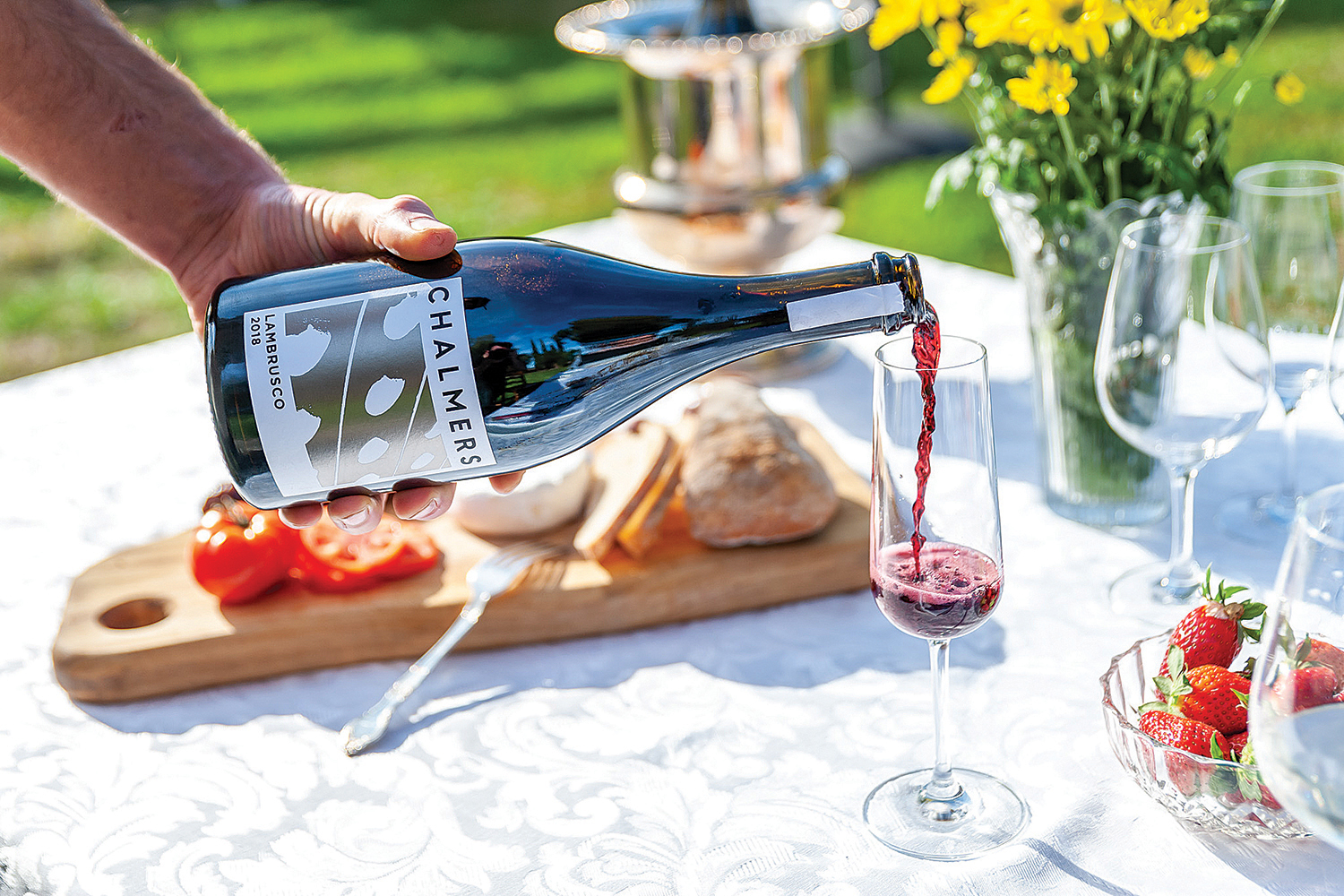
One of the biggest mistakes people make with red wine is serving it too warm. This is especially true for lambrusco. Because it has bubbles and high acidity, serving it at room temperature makes it taste flabby and overly alcoholic. You lose the refreshing “zip” that makes it so enjoyable. You want to treat this wine more like a white wine or a beer when it comes to temperature.
Ideally, you should serve it chilled, around 50-55 degrees Fahrenheit (10-12 degrees Celsius). If you don’t have a fancy wine fridge, don’t worry. Putting the bottle in your regular refrigerator for about 30 to 40 minutes before serving usually does the trick. If it gets too cold, you just lose a bit of the aroma, so let it sit in the glass for a few minutes. It is better to start too cold than too warm.
Glassware: Does It Matter?
You might see people drinking lambrusco out of small tumblers in Italy, sitting at a casual trattoria. That is perfectly acceptable and adds to the rustic charm. However, if you want to really smell the wine and appreciate the bubbles, glassware does help. You don’t need a flute like you would use for Champagne. In fact, a flute can be too narrow, preventing you from smelling the lovely berry aromas.
A standard white wine glass is usually the best choice. It has enough of a bowl to let the wine breathe and release its scents, but it is narrow enough to keep the wine cool. If you are drinking a bold Grasparossa, even a large red wine glass works well. The key is to have a glass that tapers slightly at the top to trap the aromas. But honestly? If all you have is a juice glass or a mason jar, the wine will still taste delicious. It is not a pretentious drink, so don’t stress too much about the vessel.
The Production Method: Charmat vs. Traditional
We mentioned earlier that lambrusco is made differently than Champagne. This process is called the Charmat method (or Martinotti method in Italy). In this process, the wine goes through its second fermentation—the part where bubbles are created—in a large, pressurized stainless steel tank. Once the bubbles are formed, the wine is filtered and bottled under pressure. This is the same way Prosecco is made.
Why do they do this? The Charmat method is fantastic for preserving fresh fruit flavors. If you used the Champagne method (fermenting in the individual bottle), the wine would spend time on yeast cells, which creates flavors like toast, brioche, and nuts. While delicious, those flavors would mask the bright strawberry and violet notes that make lambrusco unique. By using tanks, winemakers capture the pure essence of the grape. There are some producers experimenting with the “Ancestral Method” (Pet-Nat), where the wine finishes fermenting in the bottle leaving a cloudy sediment, but the tank method remains the standard for the crisp, clean style most people love.
Why Lambrusco is Making a Comeback
The resurgence of lambrusco in the US is part of a larger trend where drinkers are looking for authenticity. People are tired of overly manipulated wines that all taste the same. They want wines with a story, wines that speak of a specific place. This Italian bubbly fits that bill perfectly. It is a wine that cannot be made anywhere else but Emilia-Romagna. The soil, the climate, and the local traditions all shape the final product.
Additionally, the price point is very attractive. You can find an outstanding, artisanal bottle of lambrusco for $15 to $20. In a world where Napa Cabs and French Burgundies can cost hundreds, this offers incredible value. It allows adventurous drinkers to try something new without breaking the bank. Sommeliers in trendy restaurants love it because it is food-friendly and unexpected. It surprises guests who think they know what red wine is supposed to be.
Health Benefits and Alcohol Content
Another factor in its popularity is the trend toward lower-alcohol beverages. Many modern red wines have alcohol levels of 14% or even 15%. After two glasses, you might feel quite heavy. Lambrusco, on the other hand, is typically lower in alcohol, often ranging from 10.5% to 11.5%. This makes it a “sessionable” wine, meaning you can enjoy a couple of glasses over a long lunch without needing a nap immediately afterward.
While no alcohol is a “health drink,” red wine does contain polyphenols like resveratrol, which are antioxidants found in grape skins. Since this is a red wine, it has these compounds, unlike white wines where the skins are removed. So, if you are looking for a lighter option that still offers the antioxidant profile of a red wine, this is a solid choice. It fits well into a lifestyle of moderation and enjoyment of food.
Shopping for Lambrusco: A Quick Buying Guide
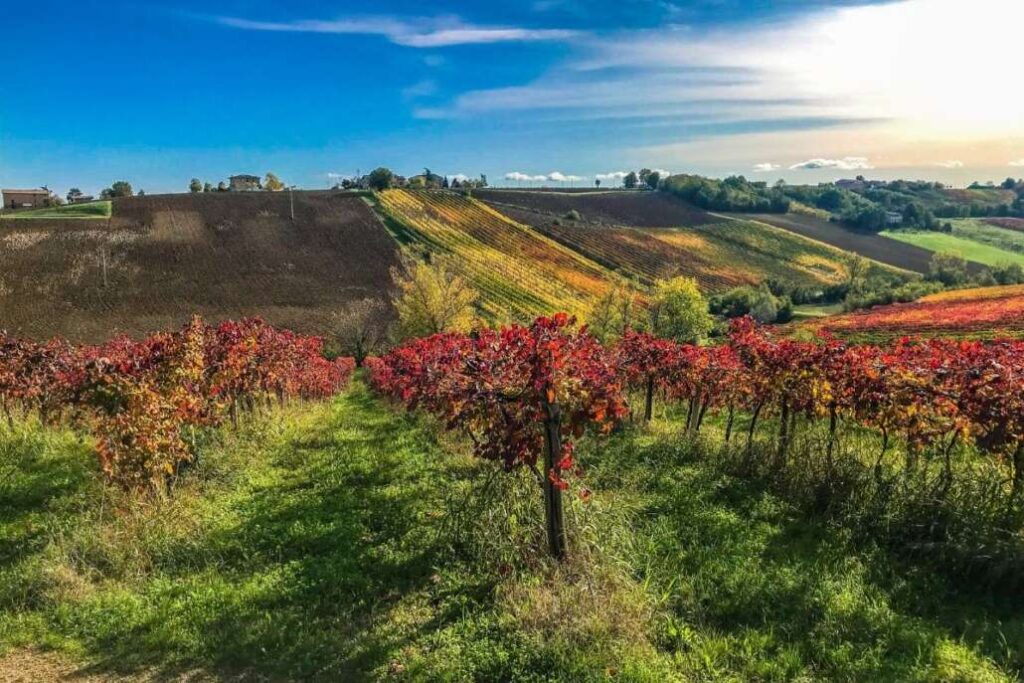
So, you are ready to buy a bottle. What should you look for? First, avoid the bottom shelf jugs with twist-off caps if you are looking for a quality experience. Look for bottles with a cork (often tied down with a string or wire cage) or a high-quality screw cap. Next, look for the “DOC” label on the neck or the label. DOC stands for Denominazione di Origine Controllata, which is an Italian guarantee of quality and origin. It means the wine was actually made in the specific region using specific rules.
Check the importer. Good importers specialize in Italian wines and vet their producers carefully. If you see importers like Kermit Lynch, Oliver McCrum, or similar names known for quality, it’s a safe bet. Also, don’t be afraid to ask the staff at your local wine shop. Tell them, “I want to try a dry, authentic lambrusco.” They will likely be thrilled to show you their favorite bottle because wine geeks love introducing people to this underrated category.
Top Producers to Look For
- Cleto Chiarli: One of the oldest and most consistent producers. Their “Vecchia Modena” is a benchmark for Sorbara.
- Lini 910: Known for making incredibly elegant, dry wines that age surprisingly well.
- Medici Ermete: A producer credited with helping restore the region’s reputation with single-vineyard bottlings.
- Fattoria Moretto: Excellent organic producer making savory, mineral-driven wines.
Conclusion
The world of lambrusco is vibrant, historic, and incredibly tasty. It is far removed from the sugary stereotypes of the past. Today, it stands as a proud symbol of Italian wine culture—unpretentious, food-friendly, and joyful. Whether you choose a pale, floral Sorbara or a dark, grippy Grasparossa, you are in for a treat.
Next time you order a pizza or put together a cheese board, skip the beer or the heavy Cabernet. Grab a chilled bottle of this Italian sparkling red. It might just become your new favorite go-to wine. For more insights on lifestyle and trends, you can explore articles at Silicon Valley Time. It’s time to raise a glass to the comeback of a classic.
Frequently Asked Questions (FAQ)
Q: Is all Lambrusco sweet?
A: No! While sweet versions exist, many traditional and high-quality versions are dry (Secco) or off-dry. They are crisp and savory.
Q: Should I chill Lambrusco?
A: Yes, absolutely. It tastes best when served chilled, similar to a white wine, around 50-55°F.
Q: How long does an open bottle last?
A: Because it is sparkling, it will lose its fizz fairly quickly. It is best to finish the bottle the day you open it, but a good champagne stopper might keep it drinkable for up to 24 hours in the fridge.
Q: Is Lambrusco a red or white wine?
A: It is predominantly a red wine, although the color can range from light pink (rosé) to deep purple depending on the variety.
Q: Why is it frizzy?
A: It undergoes a secondary fermentation in pressurized tanks, which traps carbon dioxide in the wine, creating delicate bubbles.
For a deeper dive into the technical details and extensive history of this fascinating wine, you can check out the page on Wikipedia regarding lambrusco, which offers a wealth of encyclopedic information.