




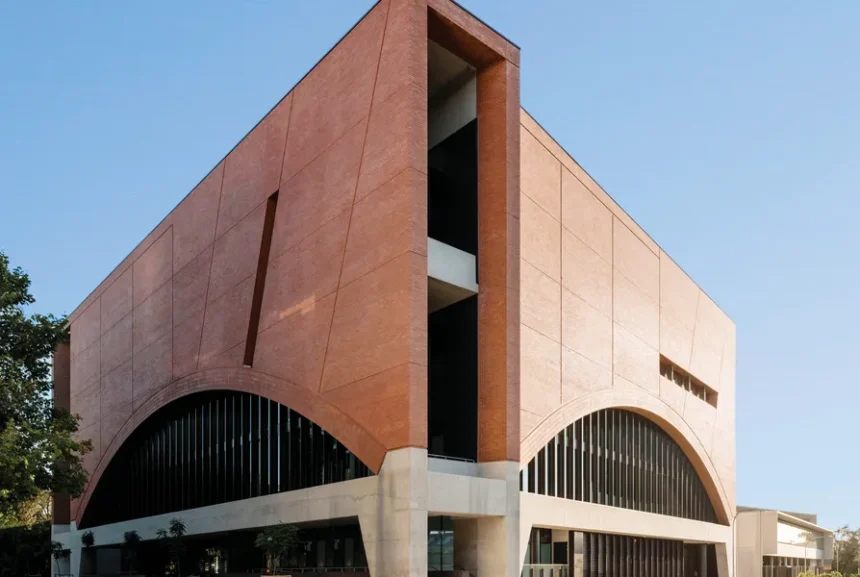

Have you ever wondered how thousands of trains, carrying millions of people and tons of goods, navigate the complex web of railway tracks every single day without a hitch? It’s not magic, but it is a highly sophisticated and coordinated effort managed from a central hub known as a rail operating centre. Think of it as the brain of the railway network, a high-tech command center where critical decisions are made every second to keep the trains moving safely and on time. These facilities are the unsung heroes of modern rail travel, ensuring that your journey is as smooth and efficient as possible.
This article will pull back the curtain on the world of the rail operating centre. We will explore what these centers are, how they function, and the vital role they play in the daily operation of one of the world’s most important modes of transportation. From the advanced technology they use to the skilled professionals who work there, you’ll get a comprehensive look into the heart of the railway.
Key Takeaways
- A rail operating centre is a centralized command hub that manages and monitors train movements across a specific region or network.
- These centers are crucial for ensuring the safety, efficiency, and reliability of the entire railway system.
- They are staffed by highly trained professionals, including dispatchers, controllers, and signaling operators.
- Advanced technology, such as digital signaling, real-time tracking, and communication systems, is fundamental to their operation.
- The primary functions include traffic management, incident response, and communication with train crews and maintenance teams.
What Exactly is a Rail Operating Centre?
At its core, a rail operating centre (ROC) is a facility where all aspects of train operations for a designated geographical area are managed. Before the advent of these modern centers, railway control was decentralized. Small, local signal boxes and towers were scattered along the railway lines, with each one controlling just a small section of the track. While this system worked for a simpler time, it was inefficient and made communication and coordination difficult, especially during disruptions.
The modern rail operating centre consolidates these functions into one large, technologically advanced location. From this single point, teams of controllers can oversee hundreds of miles of track, dozens of stations, and countless train movements. This centralization allows for a much more holistic view of the network, enabling controllers to make better, more informed decisions. They can anticipate potential conflicts, reroute trains to avoid delays, and manage the flow of traffic with a level of precision that was previously impossible. This shift has dramatically improved the safety and performance of railways around the world.
The Evolution from Signal Boxes to Centralized Control
The journey to the modern rail operating centre is a story of technological advancement. It began with mechanical levers in local signal boxes, which required operators to physically pull heavy equipment to change signals and switch tracks. Communication was done via telegraph and, later, telephone. This system was labor-intensive and limited the operator’s view to only their immediate section of the railway.
The introduction of electrical and then electronic systems began the process of consolidation. Power signaling allowed operators to control larger areas from a single location. The real revolution, however, came with computerization and digital technology. These innovations made it possible to bring the control of vast sections of the railway network under one roof. Today’s rail operating centre is a far cry from the old signal boxes, featuring large digital display screens, sophisticated software, and instant communication links, representing a significant leap forward in operational capability.
The Core Functions of a Rail Operating Centre
A rail operating centre is a bustling hub of activity with several key responsibilities. These functions work together seamlessly to ensure the railway network operates like a well-oiled machine. While the specifics can vary between different rail networks, the primary duties are universal.
1. Train Dispatching and Signaling
The most fundamental task of a rail operating centre is to control the movement of trains. This is done through a sophisticated signaling system. Dispatchers, also known as signallers or controllers, use computer-based systems to set routes for each train. They clear signals to tell drivers when it is safe to proceed and switch tracks to guide trains to the correct platforms or lines. Every decision is made with safety as the top priority. The system has built-in fail-safes to prevent conflicting movements, such as two trains being routed onto the same section of track at the same time. The dispatcher’s role is to manage the planned timetable and make real-time adjustments as needed.
2. Real-Time Monitoring and Traffic Management
Operators in a rail operating centre have a bird’s-eye view of the entire network they control. This is typically displayed on a large video wall, often called a “mimic panel,” which shows the location and status of every train, signal, and track circuit in real time. This comprehensive overview allows them to manage the flow of traffic efficiently. They can see if a train is running late and predict the knock-on effect it will have on other services. With this information, they can take proactive steps, such as holding a connecting train for a few minutes or rerouting a service to a different track to minimize overall disruption to the schedule.
3. Incident Management and Emergency Response
When things go wrong, the rail operating centre becomes the critical command post for managing the situation. Incidents can range from minor issues like a signal failure or a sick passenger to major emergencies like a derailment or a security threat. In any of these events, the controllers are the first responders in an operational sense.
Their first priority is to secure the area to ensure the safety of passengers, crew, and the public. This involves stopping all trains in the vicinity and communicating the situation to emergency services. The rail operating centre then coordinates the response, working with maintenance crews to fix equipment failures, arranging for alternative transportation for passengers, and communicating updates to the public and station staff. Their ability to manage these events calmly and efficiently is crucial for restoring normal service as quickly and safely as possible.
The Technology Powering a Modern ROC
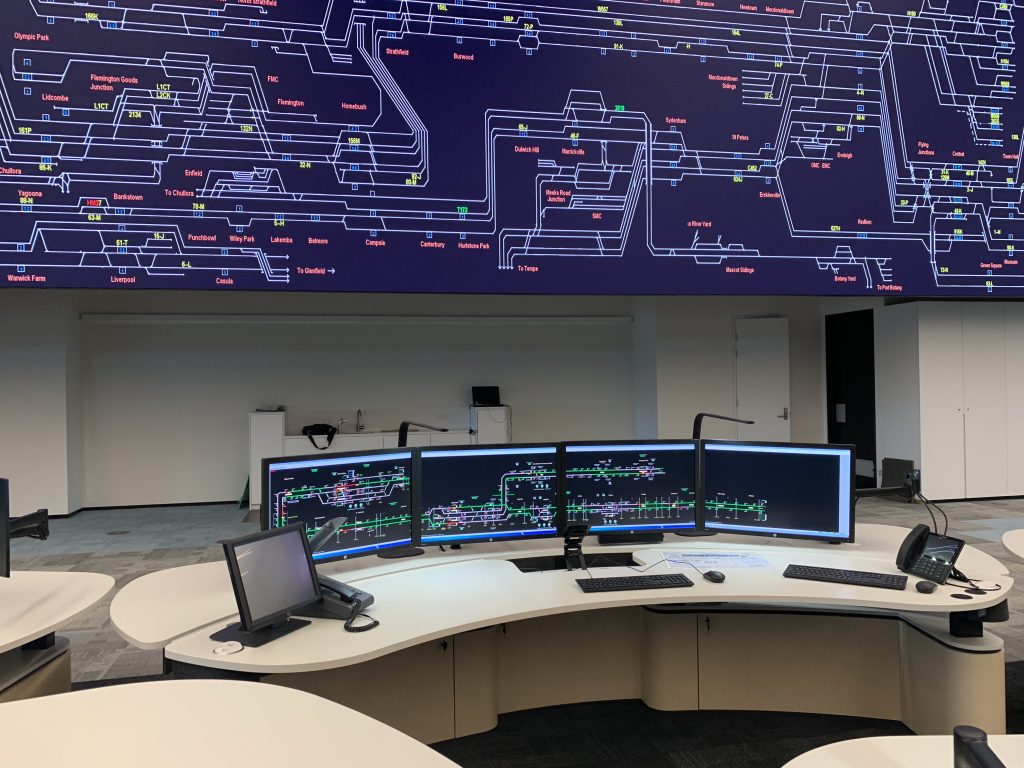
A rail operating centre is a showcase of cutting-edge technology. The systems and tools used are designed for reliability, precision, and speed, as there is no room for error in railway operations.
Advanced Signaling and Control Systems
Modern ROCs rely on computer-based interlocking (CBI) systems. These are sophisticated software programs that control the signals and track switches. They have safety logic programmed into them that prevents operators from setting unsafe routes. For example, the system will not allow a signal to show a green light unless the track ahead is clear and the switches are locked in the correct position. Many networks are also moving towards digital signaling systems like the European Rail Traffic Management System (ERTMS), which provides continuous communication between the train and the rail operating centre, allowing for more efficient use of track capacity.
Communication Networks
Effective communication is the lifeblood of any rail operating centre. Controllers need to be in constant contact with train drivers, maintenance crews, and station staff. This is achieved through a dedicated railway radio system, such as GSM-R (Global System for Mobile Communications – Railway). This secure network allows for instant and clear voice and data communication. In an emergency, a driver can press a single button to send an alert to the rail operating centre, and the dispatcher can broadcast messages to all trains in a specific area.
Data Analytics and Predictive Maintenance
The vast amount of data generated by the railway network is a valuable resource. A modern rail operating centre uses this data not just to monitor current operations but also to predict future problems. Sensors on tracks, signals, and trains continuously send information back to the center. By analyzing this data for trends and anomalies, engineers can identify equipment that may be at risk of failing. This allows them to perform predictive maintenance—fixing a component before it breaks. This proactive approach helps to prevent disruptions, improve reliability, and enhance safety across the network. For those interested in how big data is transforming industries, platforms like Silicon Valley Time often cover such technological integrations.
|
Technology Component |
Primary Function |
Benefit to the Railway |
|---|---|---|
|
Computer-Based Interlocking (CBI) |
Controls signals and track switches with safety logic. |
Prevents human error and ensures safe train movements. |
|
Real-Time Tracking (GPS/Track Circuits) |
Displays the exact location of every train on the network. |
Enables efficient traffic management and scheduling. |
|
GSM-R Radio System |
Provides secure voice and data communication. |
Ensures clear and instant contact with train crews. |
|
Predictive Analytics Software |
Analyzes sensor data to forecast equipment failures. |
Reduces service disruptions and improves reliability. |
|
CCTV and Station Monitoring |
Provides live video feeds from stations and platforms. |
Enhances security and helps manage passenger flow. |
The People Behind the Screens
While technology is a critical component, a rail operating centre would be nothing without the skilled professionals who work there. These individuals undergo extensive training and work in a high-pressure environment where every decision counts.
Key Roles within a Rail Operating Centre
- Train Dispatcher/Controller: The person directly responsible for routing trains and controlling signals. They must have an in-depth knowledge of the railway rules and regulations and be able to think quickly under pressure.
- Traffic Manager: This role takes a broader view of the network, overseeing the work of the dispatchers and making strategic decisions to manage the overall flow of traffic and minimize delays.
- Incident Controller: A specialist who takes charge during disruptions. They coordinate the response, working with emergency services and maintenance teams to resolve the issue.
- Maintenance Coordinator: This person works with engineering teams to schedule and manage maintenance work on the tracks, signals, and other infrastructure, ensuring it can be done with minimal impact on train services.
The Skills and Training Required
Working in a rail operating centre is not for everyone. It requires a unique set of skills, including:
- Intense Focus: The ability to concentrate for long periods on complex information displayed on screens.
- Problem-Solving: The capacity to quickly analyze a situation, identify the best course of action, and implement it.
- Clear Communication: The skill to convey critical information accurately and concisely, especially during stressful situations.
- Resilience: The ability to remain calm and make sound judgments under immense pressure.
Candidates for these roles go through rigorous training programs that combine classroom learning with extensive simulation exercises. These simulators replicate the control systems of the rail operating centre and can throw a wide range of scenarios at trainees, from routine operations to complex emergencies. This ensures they are fully prepared for the demands of the live environment before they ever control a real train.
The Future of the Rail Operating Centre
The evolution of the rail operating centre is far from over. As technology continues to advance, these nerve centers will become even more sophisticated and capable. The integration of Artificial Intelligence (AI) and machine learning will likely play a significant role. AI algorithms could help optimize timetables in real time, predict disruptions with even greater accuracy, and suggest the most efficient solutions to complex operational problems. This could lead to a future where the railway network is largely self-regulating, with human operators moving into a more strategic, supervisory role.
Furthermore, the trend of consolidation is likely to continue. As technology improves, it may become feasible to control even larger sections of the network from a single rail operating centre, or even a national center. This would provide an unprecedented level of oversight and coordination, further enhancing the efficiency and resilience of the entire rail system. These developments promise a future of smarter, safer, and more reliable rail travel for everyone. As documented in various historical and technical sources, the concept of a centralized control room has been a long-standing goal in many complex logistical systems, including railways.
Frequently Asked Questions (FAQ)
1. How does a rail operating centre improve safety?
A rail operating centre improves safety by centralizing control and using technology with built-in fail-safes. Computer-based systems prevent dispatchers from setting conflicting routes, and the real-time overview allows them to spot potential hazards and stop trains long before they are in danger.
2. What happens if there is a power failure at a rail operating centre?
These centers are critical infrastructure and have multiple layers of redundancy. They are equipped with uninterruptible power supplies (UPS) and backup generators that automatically kick in during a power outage, ensuring that operations can continue without interruption.
3. Are all railways controlled by a modern rail operating centre?
While most major railway networks in developed countries have transitioned to centralized control, some smaller, rural, or heritage lines may still use traditional, local signal boxes. However, the trend is overwhelmingly towards consolidation into a rail operating centre.
4. How do controllers handle the stress of the job?
Rail operators receive extensive training in stress management. The work is also structured with mandatory breaks to prevent fatigue. The supportive team environment and robust procedures help individuals manage the pressure of this demanding but rewarding career.
5. Can a rail operating centre be hacked?
Cybersecurity is a top priority for any rail operating centre. The control systems operate on secure, isolated networks that are not connected to the public internet. Multiple layers of security, including firewalls and intrusion detection systems, are in place to protect against cyber threats.