




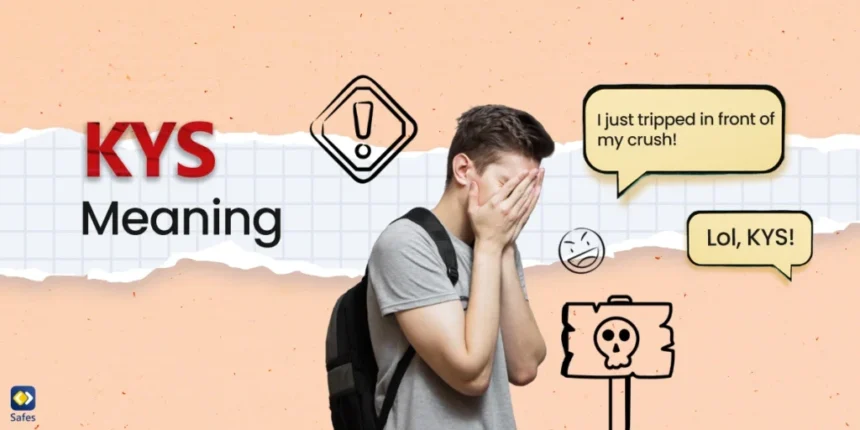

Navigating the internet and online gaming communities often feels like learning a new language. You encounter a constant stream of acronyms and slang that can leave you scratching your head. One of the most jarring and serious acronyms you might come across is “KYS.” If you’ve seen this term and are wondering what does KYS mean, you’re in the right place to understand its meaning, origins, and the significant impact it carries. This acronym is not just casual slang; it represents a form of severe online harassment with real-world consequences.
Understanding terms like KYS is crucial for creating safer online spaces. This guide will walk you through its definition, explore the contexts where it appears, and discuss the psychological impact it can have on individuals. We’ll also provide guidance on how to respond if you encounter this harmful language and what steps you can take to report it.
Key Takeaways
- Direct Meaning: KYS is an acronym that stands for “kill yourself.”
- Harmful Intent: It is primarily used as a form of severe cyberbullying, a direct taunt, or an expression of extreme frustration, often with the intent to cause emotional harm.
- Context is Key: While overwhelmingly negative, its perceived severity can vary depending on the online subculture, though it’s never appropriate.
- Real-World Impact: The use of KYS can lead to serious psychological distress, including anxiety, depression, and feelings of worthlessness for the target.
- Reporting is Crucial: All major online platforms have policies against this type of harassment, and reporting it is a critical step in fostering a safer digital environment.
The Explicit Definition of KYS
When you ask what does KYS mean, the answer is direct and severe. KYS is an acronym for the phrase “kill yourself.” Unlike more ambiguous internet slang, its meaning is explicit and carries an immense weight of hostility. It is a command, a taunt, and a form of aggression packed into three letters. This phrase is used to tell someone, often in a moment of anger, frustration, or malicious intent, that they should end their own life. It’s one of the most extreme forms of verbal abuse found online.
Because of its harsh nature, it’s categorized as a form of cyberbullying and harassment. There’s little room for misinterpretation. When someone uses KYS, they are typically engaging in an act of aggression. The intent is often to shock, hurt, and demean the recipient. Understanding this explicit definition is the first step in recognizing the seriousness of the term and the importance of addressing its use in online communications.
The Origins and Spread of KYS in Online Culture
The acronym KYS didn’t just appear out of nowhere. Its rise is closely tied to the evolution of online communication, particularly within anonymous and competitive environments like early internet forums and online gaming. In the late 1990s and early 2000s, platforms like 4chan and the burgeoning world of multiplayer online games (MMOs) and first-person shooters (FPS) became breeding grounds for unfiltered and often toxic interactions. Anonymity gave users a shield, allowing them to say things they would never say face-to-face.
In these competitive, high-stress environments, “trash talk” became a standard part of the culture. Initially, this might have been limited to taunts about a player’s skill. However, it quickly escalated. Acronyms became popular for their speed and efficiency in text-based chats. Simple taunts evolved into more aggressive and harmful language. This is the environment where an acronym like KYS took hold. It was a quick, impactful way to express extreme rage or to bully an opponent. From these niche communities, the term bled into mainstream social media platforms like Twitter, Twitch, and YouTube, where it continues to be a significant problem in comment sections and live chats.
Deconstructing the Context: When and Why Is KYS Used?
To fully grasp the issue, we must look beyond the simple question of what does KYS mean and examine the contexts in which it appears. The user’s intent can vary, but it almost always falls into a few key categories of harmful behavior.
KYS in Online Gaming
This is perhaps the most common environment where you’ll encounter the acronym. In the heat of a competitive match, players can become incredibly frustrated. A teammate making a mistake or an opponent outplaying them can trigger a rage-filled response. In these moments, a player might type “KYS” in the chat without a second thought. Here, it’s used as a potent insult, a way to vent frustration and inflict maximum emotional damage on another player. It’s a toxic byproduct of competitive culture where winning is prioritized over sportsmanship.
KYS as a Tool for Cyberbullying
Beyond gaming, KYS is a weapon for cyberbullies. It can be directed at individuals on social media, in forums, or through direct messages. Bullies use the term to intimidate, harass, and assert dominance over their victims. In this context, the phrase is often part of a larger campaign of targeted abuse. The goal is to isolate the victim and cause severe emotional distress. When used repeatedly, it can have a devastating impact on a person’s mental health and sense of safety online.
KYS in Meme Culture and Satire
In some corners of the internet, particularly in meme-centric communities, KYS has been co-opted and used in a way that users claim is ironic or satirical. For instance, a meme might feature a frustrating or absurd situation with the caption “KYS.” The creators of these memes might argue that they are not directing the command at a person but are using it as an exaggerated expression of frustration. However, this usage is highly problematic. It desensitizes people to the severity of the phrase and normalizes language that is fundamentally linked to self-harm and abuse. Even when not directed at a specific person, it contributes to a culture where such language is seen as acceptable.
The Psychological Impact on the Recipient
Being told to “kill yourself,” even by an anonymous stranger online, can have a profound and damaging psychological impact. It’s not just “words on a screen.” The human brain is wired to react to social threats, and a directive like KYS is a significant one. Understanding this impact is vital for anyone who has been a target or for those who may not fully appreciate the harm the term causes.
Individuals who are targeted with this phrase can experience a range of negative emotions and psychological effects:
- Immediate Shock and Hurt: The initial reaction is often shock, followed by a deep sense of hurt. It’s a personal and aggressive attack that can make a person feel targeted and devalued.
- Increased Anxiety and Fear: Especially if the harassment is repeated, it can lead to anxiety about going online. The internet, which should be a place for connection and entertainment, can start to feel like a hostile and unsafe environment.
- Feelings of Worthlessness: The message behind KYS is that you are worthless and the world would be better off without you. Even if the logical part of your brain knows this is just a troll, the emotional part can internalize that message, leading to a drop in self-esteem.
- Depression and Suicidal Ideation: For individuals who are already struggling with their mental health, being told to “KYS” can be particularly dangerous. It can exacerbate existing feelings of depression and, in the worst cases, contribute to suicidal thoughts or actions.
It’s crucial to remember that anyone can be vulnerable to these effects. The idea of “just having thicker skin” ignores the real psychological mechanisms at play when someone is subjected to this level of verbal abuse.
Platform Responses and Moderation Policies
Given the severe nature of the acronym, all major online platforms have policies in place to combat its use. The question of what does KYS mean is settled for them: it means harassment. Companies like Twitch, YouTube, Twitter (now X), and Meta (Facebook and Instagram) explicitly list directing someone to self-harm as a violation of their community guidelines.
These platforms use a combination of automated systems and human moderators to detect and take action against this language.
- Automated Filters: Many platforms have chat filters that can automatically block messages containing “KYS” and similar phrases.
- User Reporting: The most effective tool is often user reporting. Platforms rely on users to flag instances of harassment. When a user is reported for using KYS, moderators review the case.
- Consequences: The consequences for using KYS can range from a temporary suspension or chat ban to a permanent account termination, depending on the severity and frequency of the offense.
While these measures are in place, the sheer volume of online communication makes it impossible to catch every instance. This is why user education and active reporting are so important for maintaining a healthier online ecosystem. As technology advances, we might see more sophisticated AI moderation, a topic often explored on tech news sites like SiliconValleyTime.co.uk.
How Different Platforms Handle “KYS”
|
Platform |
Typical Policy for Using “KYS” |
Common Enforcement Action |
|---|---|---|
|
Twitch |
Zero-tolerance policy against hateful conduct and harassment, including encouraging self-harm. |
Temporary chat ban, channel suspension, or permanent ban. |
|
YouTube |
Harassment policy prohibits content that encourages dangerous or illegal acts, including self-harm. |
Comment removal, channel strike, or channel termination. |
|
X (Twitter) |
Abusive behavior policy prohibits wishing or hoping for serious harm on a person or group of people. |
Tweet deletion, account locked, or permanent suspension. |
|
Meta (Facebook/Instagram) |
Bullying and harassment policies forbid content that targets private individuals with calls for self-injury. |
Content removal, account restriction, or account disabled. |
What to Do If Someone Tells You “KYS”
If you are the target of this or any other form of online harassment, it’s important to know how to respond in a way that protects your mental well-being and holds the abuser accountable.
1. Do Not Engage
The primary goal of someone using this language is to get a reaction. Engaging with them—arguing, insulting them back, or trying to reason with them—gives them the attention they are seeking. The best immediate response is no response at all.
2. Block and Mute
Your next step should be to use the tools available to you. Block the user so they can no longer contact you. Mute them so you no longer see their messages. This immediately removes them from your online experience and creates a digital boundary for your own safety.
3. Report the Behavior
This is a critical step. Report the user and their message to the platform’s moderation team. Provide as much context as possible. Reporting does two things: it starts a process that could lead to consequences for the abuser, and it helps the platform improve its detection and response systems.
4. Take a Break and Talk to Someone
After encountering such aggressive language, it’s completely normal to feel upset. Step away from the screen. Take a walk, listen to music, or do something else you enjoy to clear your head. It’s also incredibly helpful to talk about the experience with someone you trust, like a friend, family member, or mental health professional. Sharing what happened can help you process the emotions and reinforce that you are not alone.
Broader Implications for Online Safety and Digital Citizenship
The prevalence of terms like KYS raises larger questions about the kind of online world we want to live in. It highlights the ongoing struggle between free expression and the need for safe, inclusive communities. The casual use of such a violent phrase points to a desensitization to the real-world impact of our words.
Promoting digital citizenship is a key part of the solution. This involves teaching people, from a young age, about the responsibilities that come with online communication. It means fostering empathy and encouraging users to think about the human being on the other side of the screen. When we understand that our words have power, we can make more conscious choices about how we use them. Addressing the root causes of toxic behavior—whether it’s anonymity, competitive pressure, or a lack of consequences—is essential for long-term change.
Conclusion: Moving Beyond the Acronym
The question of what does KYS mean has a simple but deeply troubling answer. It stands for “kill yourself,” and it represents one of the most severe forms of online harassment. It is a tool for cyberbullies, a toxic expression of rage in gaming, and a phrase that, even when used “ironically,” normalizes deeply harmful language. The impact on its targets can be severe, contributing to anxiety, depression, and a diminished sense of self-worth.
Recognizing the harm is the first step. The next is to take action. We can all contribute to a better online environment by refusing to engage with this behavior, using the block and report functions diligently, and advocating for stronger community standards. It’s also important to support those who have been targeted and to promote a culture of empathy and respect online. Understanding the meaning and impact of KYS is not just about learning internet slang; it’s about acknowledging the real harm words can cause and committing to being a better digital citizen. For more information on cyberbullying and its effects, you can consult various resources, including the extensive overview on the topic available from Wikipedia.
Frequently Asked Questions (FAQ)
Q1: What does KYS mean in text?
A1: In text, social media, and online gaming, KYS is an acronym for “kill yourself.” It is considered an extreme form of cyberbullying and harassment.
Q2: Is using KYS illegal?
A2: While using the acronym itself is not typically a criminal offense on its own, it can be part of a larger pattern of behavior, such as stalking or harassment, that is illegal. Many platforms will ban users for it, as it violates their terms of service.
Q3: How do I respond if my child uses or sees the term KYS?
A3: It’s important to have an open and calm conversation. Explain the literal meaning and the severe emotional harm it causes. If they have been targeted, offer support and ensure they know how to block and report users. If they have used the term, help them understand the impact of their words and the importance of empathy online.
Q4: Can someone get in trouble at school for using KYS online?
A4: Yes. Many schools have policies against cyberbullying that extend to off-campus behavior if it creates a hostile environment at school. A student using KYS to harass a classmate could face disciplinary action.
Q5: Why do people say KYS in video games?
A5: In video games, KYS is often used out of extreme frustration or anger, a phenomenon sometimes called “gamer rage.” Players may lash out at teammates for mistakes or at opponents as a form of toxic “trash talk.” While common in some gaming circles, it is a serious form of verbal abuse.