




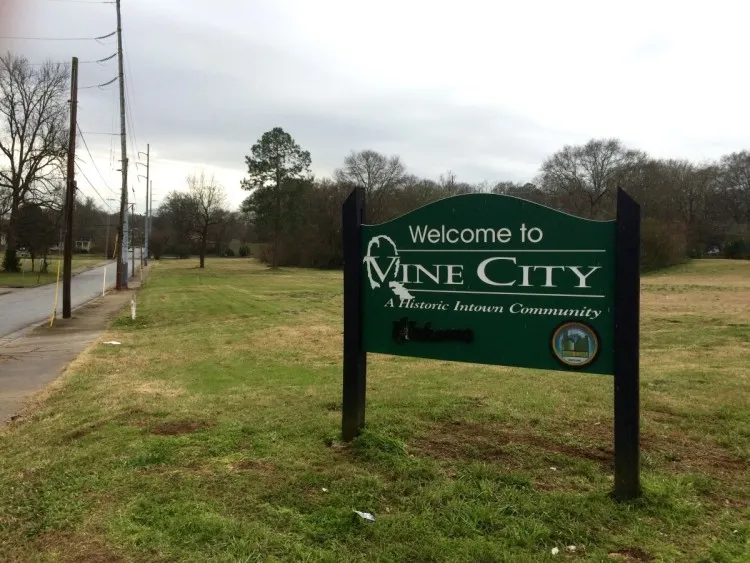

Atlanta is a place full of unique neighborhoods, each with its own story to tell. But few have a history as rich or a future as promising as Vine City. Located just west of downtown Atlanta, this community has seen incredible highs and challenging lows. Today, it stands as a testament to resilience, culture, and the power of community. Whether you are a history buff, a potential resident, or just curious about Atlanta’s geography, understanding this area is essential to understanding the heart of the city itself.
In this article, we are going to take a long walk through the streets of Vine City. We will look at its past, its significant role in the Civil Rights Movement, the changes it is undergoing today, and what makes it such a special part of Atlanta. From the shadows of the Mercedes-Benz Stadium to the quiet residential streets, there is so much to uncover here.
Key Takeaways
- Historical Significance: This neighborhood was a crucial hub during the Civil Rights Movement and home to Dr. Martin Luther King Jr.
- Location: It is perfectly situated right next to downtown Atlanta and major sports venues.
- Revitalization: Major investments are transforming the area with new parks and housing.
- Community: Despite changes, the strong sense of local community remains the neighborhood’s heartbeat.
The Historical Heartbeat of Vine City
When people talk about the history of Atlanta, they often start right here. Vine City isn’t just a collection of streets; it is a living museum of African American history. In the mid-20th century, this was a thriving middle-class neighborhood. It was where professors, business owners, and activists lived side by side. The energy was palpable, and the sense of purpose was strong. Walking through these streets today, you can still feel the echoes of the conversations that shaped the nation.
However, like many urban areas, it faced significant struggles in the latter half of the 20th century. Economic shifts and suburban flight led to a period of decline. Many historic homes fell into disrepair, and the vibrancy dimmed. But the story didn’t end there. The residents who stayed kept the spirit alive, fighting for resources and recognition. Today, that history is being honored as new chapters are being written.
A Pillar of the Civil Rights Movement
You cannot mention Vine City without talking about its monumental role in the fight for equality. This neighborhood was the home of Dr. Martin Luther King Jr. and his family for a time. Living here wasn’t just a matter of convenience; it was a statement of solidarity with the community. The streets here witnessed the planning of marches, the drafting of speeches, and the gathering of brave individuals who were ready to change the world.
Beyond Dr. King, many other civil rights icons walked these sidewalks. It was a safe harbor where strategies were discussed in living rooms and local churches. The legacy of activism is woven into the very soil of the area. For students of history, visiting this area is like stepping onto hallowed ground. It reminds us that big changes often start in small, tight-knit neighborhoods just like this one.
The Architecture of the Past
The buildings in Vine City tell their own story. You will find a mix of architectural styles that reflect different eras of Atlanta’s growth. There are classic Victorian cottages that date back to the late 1800s, sitting next to bungalows from the 1920s and 30s. Some of these homes have been beautifully restored, showcasing the craftsmanship of the past. Others are still waiting for their second chance, standing as reminders of what once was.
Preservation efforts are a big topic of conversation here. There is a delicate balance between modernizing the neighborhood and keeping its historic charm. Local organizations are working hard to save these structures because they are more than just wood and brick; they represent the memories of the families who lived there. Seeing these old homes revitalized brings a sense of pride back to the streets.
Geography and Location: The Center of It All
One of the biggest advantages of living in or visiting Vine City is its location. It is incredibly central. You are practically neighbors with the Georgia World Congress Center and the massive Mercedes-Benz Stadium. This proximity means that residents are close to some of the biggest events in the world, from the Super Bowl to major concerts. It creates a unique dynamic where a quiet residential life exists just steps away from global entertainment.
Being this close to downtown also means easy access to jobs and transportation. The MARTA station located right in the neighborhood makes commuting a breeze. You can hop on a train and be at the airport or in Buckhead in minutes. This accessibility is a huge draw for new residents who want to be connected to the pulse of Atlanta without living in a high-rise tower.
Connectivity to Downtown Atlanta
The connection between Vine City and downtown Atlanta is seamless. In many ways, the neighborhood acts as a gateway to the city’s west side. Bridges and pedestrian paths link the residential streets to the bustling commercial districts. This means you can enjoy the quiet of a porch in the morning and the hustle of a city office in the afternoon. It is the best of both worlds for many urban dwellers.
Recent infrastructure projects have improved these connections even further. Improved sidewalks, bike lanes, and lighting have made it safer and more pleasant to travel between the two areas. As Atlanta continues to grow, this connectivity will only become more valuable. The barrier that once seemed to exist between the “west side” and “downtown” is dissolving, creating a more unified city experience.
Proximity to Higher Education
Education is a cornerstone of the area surrounding Vine City. The neighborhood is deeply connected to the Atlanta University Center (AUC), the world’s largest consortium of African American private institutions of higher education. Spelman College, Morehouse College, and Clark Atlanta University are all just a stone’s throw away. This brings a youthful energy and intellectual vibrancy to the area that is hard to replicate.
Students and faculty often live in or frequent the neighborhood, contributing to the local economy and culture. The influence of these institutions provides stability and a constant influx of new ideas. It also means that the neighborhood is always evolving, influenced by the bright minds that pass through these historic gates.
The Green Revolution: Parks and Recreation
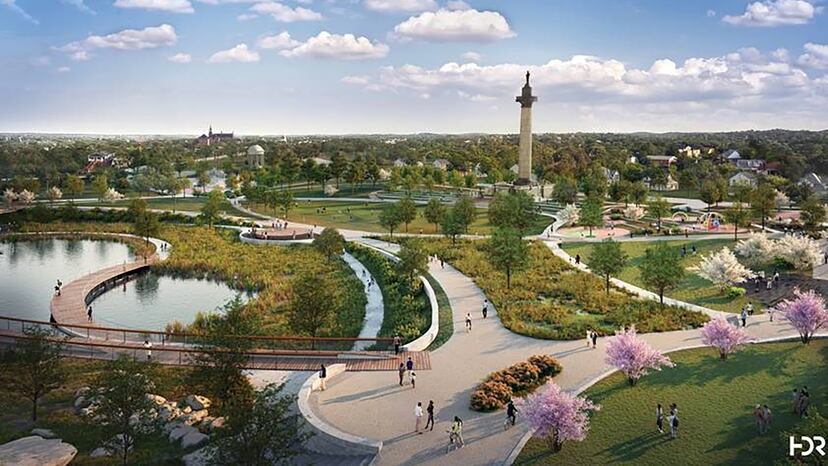
Urban green space is vital for a healthy community, and Vine City has seen a massive upgrade in this department. For years, the area suffered from flooding issues and a lack of usable parks. But innovative engineering and community planning have turned these problems into beautiful solutions. Today, the parks here are some of the most impressive in Atlanta, offering residents a place to relax, exercise, and gather.
The crown jewel of this green revolution is Rodney Cook Sr. Park. This isn’t just a park; it’s a modern engineering marvel designed to manage stormwater while providing a stunning recreational space. It features playgrounds, splash pads, and walking trails that wind around a scenic pond. It has quickly become the backyard for the entire community.
Rodney Cook Sr. Park: A Community Oasis
Rodney Cook Sr. Park represents a new era for Vine City. It was built on land that was once prone to severe flooding, which damaged many homes. The city transformed this liability into a massive asset. The park’s pond actually serves as a retention basin, holding water during heavy rains to protect the surrounding streets. It is a brilliant example of functional landscape design.
But for the kids playing on the playground or the seniors walking the trails, it is just a beautiful place to be. The park also features statues and plaques honoring the area’s civil rights leaders, ensuring that the history is never forgotten. It is a place where the past and the future meet amidst greenery and laughter.
The Westside BeltLine Connector
The Atlanta BeltLine is transforming the entire city, and Vine City is part of that story too. The Westside BeltLine Connector links the neighborhood directly to the main BeltLine loop. This trail system allows residents to walk or bike for miles, connecting them to other neighborhoods, parks, and restaurants. It promotes a healthy lifestyle and reduces the reliance on cars.
This connector has also sparked economic interest along its path. New businesses are popping up to serve the walkers and bikers passing through. It brings a steady stream of visitors who might otherwise never have explored this part of town. It is opening up the neighborhood to the rest of Atlanta in a friendly, accessible way.
Real Estate and Revitalization
The real estate market in Vine City is a hot topic. For investors and homebuyers, it represents a unique opportunity. Prices here have historically been lower than in other parts of Atlanta, but they are rising as the area revitalizes. We are seeing a mix of renovations on historic homes and new construction projects filling in empty lots. It is a neighborhood in transition.
This growth brings challenges, of course. There is a concerted effort to ensure that long-time residents aren’t pushed out by rising costs. Affordable housing initiatives are a key part of the development strategy. The goal is to create a mixed-income community where people from all walks of life can thrive together.
Housing Trends in the Area
|
Housing Type |
Current Trend |
Who is Buying? |
|---|---|---|
|
Historic Renovations |
High Demand |
History enthusiasts, young families |
|
New Construction |
Increasing Rapidly |
Professionals working downtown |
|
Affordable Housing |
Priority Focus |
Long-term residents, seniors |
|
Rental Apartments |
Steady Growth |
Students, young professionals |
As you can see from the table, there is a diverse mix of housing activity. The demand for historic renovations is particularly strong. People love the character of the old Victorian homes and are willing to put in the work to restore them. At the same time, new modern homes are offering options for those who prefer turnkey living.
The “Westside Future Fund” Impact
A major player in the revitalization of Vine City is the Westside Future Fund. This nonprofit organization is dedicated to revitalizing the historic Westside neighborhoods. They focus on four key areas: safety and security, cradle-to-career education, health and wellness, and mixed-income communities. Their work goes beyond just building houses; they are building a support system.
Through their initiatives, many legacy residents have received assistance to pay property taxes, ensuring they can stay in their homes as values rise. They also invest in local schools and community centers. It is a holistic approach to urban renewal that tries to put people first. Their impact is visible on almost every block, from renovated homes to new community programs.
Living in Vine City: The Lifestyle
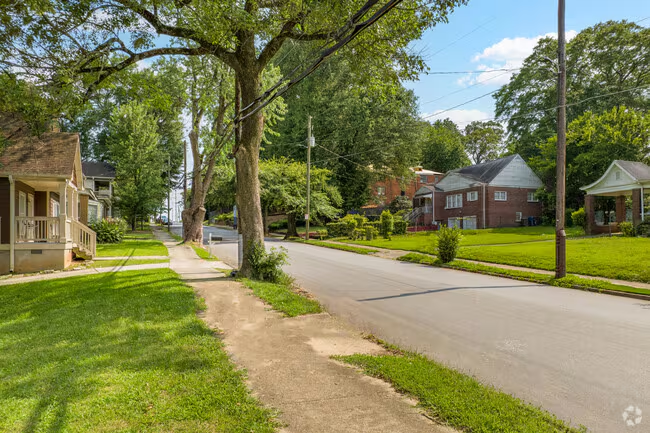
So, what is it actually like to live in Vine City day-to-day? It is a community where neighbors still know each other. There is a front-porch culture here that is disappearing in many other places. People sit out, wave to passersby, and look out for one another. It has a small-town feel despite being right in the shadow of skyscrapers.
The lifestyle is also defined by convenience. You don’t have to travel far for entertainment or basic needs. While there is still a need for more grocery stores and retail options directly within the neighborhood, the surrounding areas fill the gap. And with the new developments, more retail is on the way.
Community Spirit and Culture
The culture of Vine City is resilient and proud. Community meetings are well-attended, and residents are vocal about what they want for their neighborhood. There are frequent festivals, block parties, and church gatherings that bring everyone together. The local churches, in particular, are pillars of the community, providing not just spiritual guidance but social support and leadership.
This spirit is infectious. Newcomers often find themselves quickly welcomed into the fold. Whether it is a community cleanup day or a holiday celebration, there are plenty of ways to get involved. It is a place where you can really feel like you belong to something larger than yourself.
Local Eateries and Hidden Gems
While it may not be a culinary capital yet, Vine City and the immediate area have some incredible spots to grab a bite. You will find legendary soul food restaurants that have been serving the community for decades. These places serve up comfort food that feeds the soul as well as the belly. From crispy fried chicken to savory collard greens, the flavors are authentic and delicious.
Local Favorites to Look Out For:
- Busy Bee Cafe: Located nearby, this is an absolute icon for soul food in Atlanta.
- Local BBQ Joints: Small, family-run spots often pop up, offering incredible smoked meats.
- New Cafes: As the area grows, new coffee shops and sandwich spots are starting to appear, creating “third places” for neighbors to meet.