




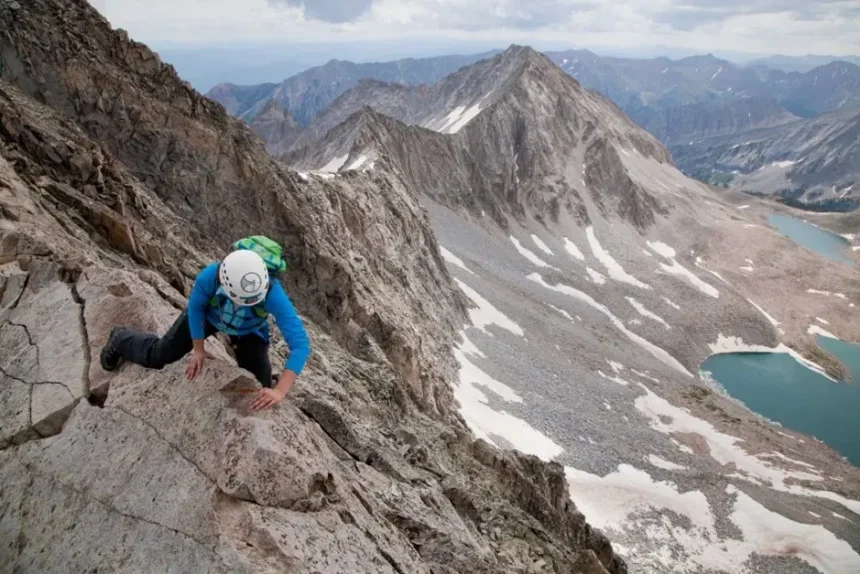

When we hear the word “edge,” we often think of boundaries, limits, or perhaps a thrilling precipice. In the world of geography and hiking, few terms capture this feeling as viscerally as the messeregge. This intriguing term, deeply rooted in German linguistics and geography, translates literally to “knife’s edge.” It evokes images of sharp, narrow ridges that slice through the sky, offering both breathtaking beauty and a sense of formidable challenge. Whether you are an avid hiker looking for your next adventure in Central Europe or a geography buff interested in unique land formations, understanding the messeregge offers a window into how landscape and language intertwine.
For many outdoor enthusiasts, a ridge walk is the ultimate hiking experience. You aren’t just climbing a mountain; you are walking its spine. The messeregge represents a specific type of this formation, one found in the scenic Vorholz hill range in Germany. But the concept goes beyond just a single location; it speaks to the sharpness of the terrain and the history that has unfolded around it. In this guide, we will explore everything you need to know about this fascinating feature, from its geological origins to the practicalities of exploring it safely.
Key Takeaways:
- Definition: The term messeregge comes from German, meaning “Knife’s Edge,” describing a sharp ridge formation.
- Location: The most famous specific messeregge is located in the Vorholz range in Lower Saxony, Germany.
- History: The area surrounding this ridge is steeped in history, including medieval battles.
- Activity: It is a popular destination for hikers seeking scenic views and nature walks.
- Geology: These formations are typically created through erosion or tectonic shifts creating steep slopes on both sides.
What Exactly Is a Messeregge?
To truly appreciate the messeregge, we must first dissect the word itself. German is a language famous for its compound words—smashing two distinct concepts together to create a specific new meaning. In this case, we have “Messer,” which means knife, and “Egge,” which is an older or regional term often referring to a ridge, edge, or selvage. When combined, messeregge paints a vivid picture: a ridge so narrow and defined that it resembles the blade of a knife.
While the term can descriptively apply to many sharp ridges worldwide (often called arêtes in geological terms), it is most properly a proper noun for a specific limestone ridge in the Vorholz hills. This linguistic distinction is important. In English, we might say “knife-edge ridge” to describe a dangerous mountain pass like the Knife Edge on Mount Katahdin in Maine. In the context of Lower Saxony, however, locals referring to the messeregge are talking about a beloved local landmark. It is a place where the earth seems to pinch upward, creating a distinctive silhouette against the horizon that has served as a boundary marker and a lookout point for centuries.
Understanding the name adds a layer of appreciation to the physical site. It wasn’t named arbitrarily; it was named by people who worked the land and walked the paths, people who saw the sharpness of the terrain and chose a name that warned of its steepness. Today, when you visit a messeregge, you are stepping onto a landscape that has been defined by its sharp profile for generations.
The Geographical Wonder of the Messeregge
The primary messeregge is situated within the Vorholz, a ridge of hills located in the district of Hildesheim and Wolfenbüttel in Lower Saxony, Germany. This isn’t the Alps; you won’t find snow-capped peaks reaching into the stratosphere here. Instead, the Vorholz is a Mittelgebirge—a low mountain range—that offers a different kind of beauty. The ridge itself rises to an elevation that provides commanding views over the surrounding plains, specifically the Hildesheim Börde, which is known for its incredibly fertile soil.
Geographically, the messeregge serves as a natural divide. Ridges like this influence local weather patterns, drainage, and vegetation. The northern side of a ridge often sustains different plant life than the southern side due to exposure to the sun. As you traverse the messeregge, you can physically see these transitions. To the walker, the ridge offers a unique vantage point where you can look down into two different valleys or plains simultaneously. This specific ridge runs generally in a northwest-to-southeast direction, aligning with the general tectonic trends of the region.
The prominence of the messeregge in a relatively flat or rolling landscape makes it a magnet for visitors. It stands out. In a region defined by agriculture and gentle hills, the sudden sharpness of the “knife edge” provides a dramatic break in the scenery. It reminds us that even in settled, quiet landscapes, geological forces have left dramatic scars and features that define the character of the region.
The Geology Behind a Sharp Ridge
How does a formation like the messeregge come to be? It is rarely a sudden event. Instead, a sharp ridge is usually the result of millions of years of geological storytelling. In the case of the Vorholz and the messeregge, we are likely looking at sedimentary rock layers—often limestone or sandstone—that have been uplifted by tectonic forces. Once these layers are pushed up, the real artist begins its work: erosion.
Water, wind, and frost are the sculptors of the messeregge. Over millennia, softer rock on either side of the hard central spine wears away. If the central layer of rock is significantly harder or more resistant to weathering than the surrounding material, it remains standing while the rest of the landscape recedes. This process, known as differential erosion, is what creates the “blade” of the knife. In glaciated areas, two glaciers carving valleys on opposite sides of a mountain create a similar feature called an arête, but in lower ranges like the Vorholz, water runoff and weathering are the primary culprits.
The limestone composition of the area also contributes to the specific shape of the messeregge. Limestone tends to fracture and break in sharp, blocky patterns, which helps maintain the definition of the ridge rather than smoothing it out into a gentle dome. Geologists find areas like this fascinating because the exposed ridge often reveals layers of earth history that are usually buried deep underground. Walking the messeregge is, in a very real sense, walking across the exposed pages of geological history.
Why Hikers Are Drawn to the Messeregge
There is a psychological element to hiking a ridge. Walking through a forest is peaceful, and climbing a peak is triumphant, but traversing a messeregge offers a sustained sense of exposure and thrill. Humans are naturally drawn to edges. They offer clarity. When you are on the ridge, the path is clear: you can only go forward or backward; going left or right means going down. This simplicity is incredibly appealing in our complex modern lives.
For hikers in Lower Saxony, the messeregge is a favorite destination because it offers high-reward views for a moderate amount of effort. Unlike high-alpine mountaineering, which requires technical gear and acclimatization, the Vorholz ridge is accessible to most fit walkers. It allows for a Sunday afternoon hike that still feels like an adventure. The trail along the crest of the messeregge allows you to stay “on top of the world” for the duration of your walk, rather than just for a few minutes at a summit.
Furthermore, the area is less crowded than major tourist hotspots. Hikers drawn to the messeregge are often looking for solitude and a connection with nature that isn’t interrupted by cable cars or souvenir shops. It represents the authentic German hiking culture—”Wandern”—which emphasizes quiet contemplation and the physical rhythm of walking through the countryside.
Essential Gear for Exploring a Ridge
Even though the messeregge in the Vorholz isn’t a 4,000-meter peak, traversing any narrow ridge requires respect for the terrain and proper preparation. The weather on a ridge can change faster than in the valley below, as the elevated land is more exposed to wind and rain.
Recommended Gear List:
- Sturdy Footwear: Hiking boots with good ankle support are crucial. The terrain on a messeregge can be uneven, rocky, and slippery, especially after rain.
- Layered Clothing: Wind cuts across ridges. Even on a sunny day, the crest of the messeregge can be chilly. Bring a windbreaker or a fleece layer.
- Navigation Tools: While the ridge path is usually obvious, having a map or a GPS app is wise, especially to identify exit trails that lead back down to the valley.
- Hydration and Snacks: There are no vending machines on the ridge. Carry enough water for the duration of your hike.
- Trekking Poles: These are excellent for stability, taking pressure off your knees during the descents and helping with balance on narrow sections of the messeregge.
Proper gear transforms a potentially miserable experience into a delightful one. Slipping on wet limestone because you wore sneakers, or shivering because you forgot a jacket, distracts from the beauty of the messeregge. Being prepared allows you to focus your attention outward on the stunning views rather than inward on your discomfort.
The Flora and Fauna of the Vorholz Region
The ecosystem surrounding the messeregge is a vibrant tapestry of Central European biodiversity. Because the ridge creates different microclimates on its slopes, it supports a variety of plant and animal life. The forests covering the flanks of the Vorholz are typically mixed broadleaf forests, featuring magnificent beeches, oaks, and maples.
In the spring, the forest floor leading up to the messeregge often bursts into color with wildflowers. You might spot wood anemones, liverworts, and wild garlic, filling the air with a fresh, green scent. The limestone soil is particularly good for orchids, and lucky hikers might spot rare species protected under German nature conservation laws. The ridge itself, often being drier and rockier, supports hardier grasses and shrubs that can withstand the wind.
Animal life is equally abundant. The forests are home to roe deer and wild boar, which are common in Lower Saxony. Birdwatchers will find the messeregge a prime location, particularly for spotting birds of prey. Buzzards and red kites often use the updrafts created by the ridge to soar effortlessly while hunting. The intersection of open farmland below and dense forest on the hills creates the perfect hunting ground for these majestic raptors.
Historical Significance of the Area
The messeregge is not just a geological feature; it is a witness to history. The region around Hildesheim and the Vorholz has been settled for millennia. The ridge would have served as a natural boundary and a strategic defensive line. One cannot discuss this area without mentioning the nearby Battle of Dinklar in 1367. While the battle took place in the fields nearby, the topography of the region, including the ridges like the messeregge, dictated troop movements and strategic advantages.
In medieval times, ridges were often used for signaling. Fire beacons could be lit on high points like the messeregge to warn neighboring settlements of approaching armies. The “knife edge” also likely served as a boundary marker between different landholdings or principalities. In Germany, historical boundary stones (Grenzsteine) can often still be found along such ridges, marking borders that may have existed for hundreds of years.
Exploring the messeregge is a chance to walk in the footsteps of history. From ancient Germanic tribes to medieval knights and modern farmers, countless generations have looked up at this ridge and used it to navigate their world. It is a permanent fixture in a changing human landscape.
Photography Tips for Capturing the Messeregge
Photographing a ridge can be challenging. Without the right technique, a dramatic messeregge can look flat and uninspiring in a photo. To capture the true scale and sharpness of the “knife edge,” you need to think about angles and light.
Tips for Ridge Photography:
- Shoot During Golden Hour: The low angle of the sun at sunrise or sunset creates long shadows. These shadows define the contours of the messeregge, making the ridge pop out against the valleys.
- Use a Leading Line: Position yourself so that the path along the ridge leads the viewer’s eye into the photo. This creates depth and invites the viewer into the scene.
- Include a Human Element: A ridge can look abstract without scale. Have a hiking partner stand further down the path on the messeregge. Their small size relative to the landscape will emphasize the grandeur of the ridge.
- Try a Telephoto Lens: While wide-angle lenses are great for landscapes, a zoom lens can “compress” the distance, making the peaks and the ridge look more dramatic and steep than they appear to the naked eye.
Capturing the messeregge is about capturing the contrast—the contrast between the solid earth and the open sky, and between the steep drop-offs and the safe path.
Safety First: Navigating Narrow Paths
While the messeregge in Vorholz is generally accessible, the very name “knife edge” implies inherent risks. Safety should always be the priority. Narrow paths on ridges leave little margin for error. A stumble that would be harmless on a flat meadow can be dangerous on a ridge with steep slopes on either side.
Safety Guidelines:
- Stay on the Marked Trail: Deviation can lead to loose rock or unstable edges.
- Watch the Weather: Ridges are lightning magnets. If a storm is approaching, descend immediately. Do not try to outrun a storm on top of a messeregge.
- Mind Your Footing: Limestone can be incredibly slick when wet or covered in damp leaves. Take your time.
- Keep Children Close: If hiking with families, ensure children understand they must stay on the path. The drop-offs on a messeregge can be deceptively steep or hidden by vegetation.
By respecting the terrain of the messeregge, you ensure that your adventure remains a positive memory. Most accidents on ridges occur due to carelessness or underestimating the changing weather conditions.
Best Time of Year to Visit
The beauty of the messeregge changes with the seasons, making it a year-round destination, though each season offers a different experience.
|
Season |
Highlights |
Considerations |
|---|---|---|
|
Spring |
Fresh green leaves, blooming wildflowers, active wildlife. |
Trails can be muddy from spring rains. |
|
Summer |
Full canopy providing shade, long daylight hours for extended hikes. |
Can be hot/humid; insects may be active. |
|
Autumn |
Spectacular foliage colors (reds/golds), crisp air, excellent visibility. |
Daylight hours shorten; fallen leaves can hide loose rocks. |
|
Winter |
Stark, dramatic views; potential for snow dusting highlighting the ridge. |
Cold winds; paths may be icy and dangerous; requires caution. |
Most locals would argue that Autumn is the premier time to visit the messeregge. The hardwood forests of the Vorholz turn a brilliant gold, and the cooler air makes the exertion of hiking up the ridge pleasant. The visibility in autumn is often clearer, allowing you to see further across the Northern German plains.
Comparing the Messeregge to Other Ridges
The messeregge is a local celebrity, but how does it stack up against other famous ridges? In the UK, hikers might think of Striding Edge in the Lake District or Crib Goch in Wales. These are rocky, jagged, and require scrambling (using hands and feet). The messeregge in Vorholz is generally greener and less technically demanding than these alpine scrambles.
In the US, hikers might compare it to the Knife Edge on Katahdin or the narrow sections of the Angels Landing trail in Zion. Again, the messeregge is generally more of a hiking trail than a climbing route. It offers the visual drama of a ridge without the extreme vertigo-inducing exposure of these more vertical environments.
This accessibility is the messeregge‘s greatest strength. It provides the “ridge experience”—the wind in your hair, the views on both sides, the feeling of elevation—without requiring mountaineering skills. It democratizes the experience of the knife-edge ridge.
Cultural Impact of the Name
Words matter. Naming a place messeregge imparts a sense of respect. It suggests that the landscape has agency and power. In German folklore and place-naming conventions, descriptive names helped travelers navigate. If you were told to cross the “broad meadow,” you relaxed. If you were told to cross the “knife edge,” you paid attention.
The name also appears in other contexts. “Messer” (knife) and “Egge” (harrow or ridge) appear in various German surnames and place names. It reflects an agricultural society deeply in tune with its tools and its land. The messeregge connects the tool of the farmer (the knife or harrow) with the tool of nature (the ridge).
Interestingly, in modern digital culture, preserving these local names is vital. As we rely more on digital maps, unique local names like messeregge ensure that specific cultural histories aren’t lost to generic labels like “Unnamed Road” or “Trail 4.” Documenting and using the name keeps the local heritage alive.
Planning Your Trip to Lower Saxony
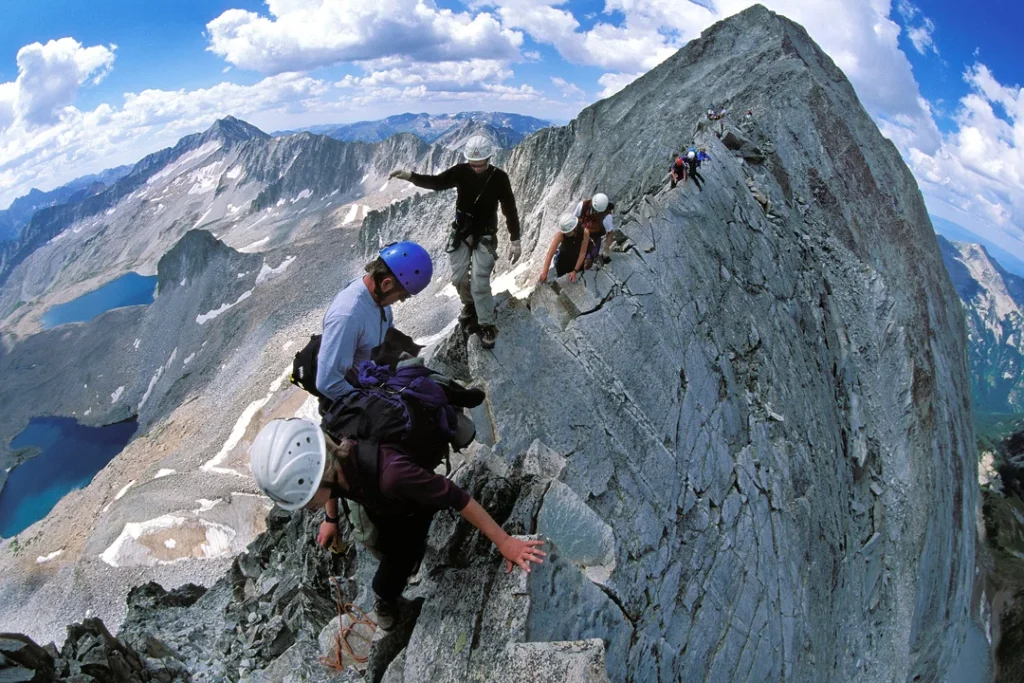
If you are planning to visit the messeregge, you will likely be basing yourself in the region of Lower Saxony. The nearest major cities are Hildesheim and Hanover. Hildesheim itself is a UNESCO World Heritage site, famous for its historic churches and the legendary 1000-year-old rose bush.
Travel Tips:
- Transport: Renting a car is the easiest way to reach the trailheads for the Vorholz and messeregge. Public transport (buses) is available but less frequent in rural areas.
- Accommodation: Look for “Gasthaus” (guesthouses) in the villages surrounding the Vorholz for an authentic experience.
- Language: While many Germans speak English, having a few phrases of German will be appreciated in rural villages.
- Digital Planning: Before you go, check online resources for trail conditions. For broader travel and tech tips that might assist in planning modern excursions, sites like Silicon Valley Time often discuss how digital tools are reshaping how we explore and document the world.
A trip to the messeregge can easily be combined with a broader tour of Northern Germany, taking in the Harz mountains to the south or the Lüneburg Heath to the north.
The Future of Natural Landscapes
Places like the messeregge face challenges in the 21st century. Climate change affects the forests that stabilize the slopes of the ridge. Heavier rainfall events can lead to increased erosion, potentially damaging the trails that make the ridge accessible.
Conservation efforts are crucial. Local forestry commissions and hiking clubs work hard to maintain the paths along the messeregge, ensuring that drainage is managed and that hikers don’t trample sensitive vegetation. As visitors, we play a role too. Practicing “Leave No Trace” principles ensures that the messeregge remains pristine.
The preservation of the messeregge isn’t just about saving a pretty view; it’s about preserving a geological and cultural landmark. It is about ensuring that the definition of a “knife’s edge” remains a physical reality in the landscape for future generations to explore, rather than just a word in a textbook.
Frequently Asked Questions
Q: Is the messeregge hike difficult?
A: It is generally considered a moderate hike. While there are steep sections and the path is narrow (hence the name), it does not require technical climbing gear.
Q: Can I bring my dog on the messeregge?
A: Yes, dogs are generally allowed but should be kept on a leash. The presence of wildlife and the narrowness of the path make a leash essential for safety.
Q: How long does it take to hike the messeregge?
A: This depends on the specific route you take through the Vorholz, but a typical hike covering the main ridge section can take anywhere from 2 to 4 hours.
Q: Is the messeregge accessible in winter?
A: Yes, but with caution. Snow and ice can make the narrow ridge slippery. Proper winter hiking gear is strongly advised.
Q: What does the word “messeregge” mean?
A: It translates from German to “Knife’s Edge,” referring to the sharp, narrow shape of the ridge.
Conclusion
The messeregge is more than just a ridge; it is a testament to the power of nature to sculpt the earth into fascinating forms. From its sharp limestone spine to the lush forests that cling to its sides, it offers a perfect microcosm of the Central European landscape. Whether you are drawn by the geological curiosity of a “knife edge,” the historical whispers of medieval battles, or simply the desire for a good walk with a great view, the messeregge delivers.
By understanding the origins of its name and the geology of its formation, we deepen our connection to the land. We stop being mere tourists passing through and become observers of the deep time and history that shaped the ground beneath our boots. So, lace up your hiking boots, pack your camera, and prepare to walk the blade of the landscape. For more detailed geographical definitions and context, you can explore related topics on Wikipedia to further your understanding of ridge formations like the messeregge.