




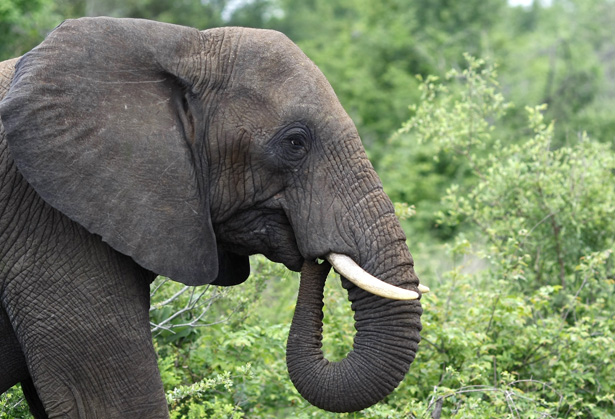

Have you ever wondered about the magnificent tusks of an elephant? These impressive, curved teeth are one of the most recognizable features of the world’s largest land animal. But an elephant tusk is so much more than just a beautiful object. It’s a vital tool, a part of the elephant’s anatomy, and unfortunately, a source of great danger for these gentle giants.
This article will explore everything you need to know about the elephant tusk. We’ll dive into what they are, how elephants use them, and the complex issues surrounding the ivory trade. Understanding the full story of the elephant tusk is the first step in appreciating and protecting these incredible animals.
Key Takeaways
- An elephant tusk is actually a massively overgrown incisor tooth that grows continuously throughout an elephant’s life.
- Tusks are essential tools for elephants, used for defense, digging for water or roots, lifting objects, and marking trees.
- The high demand for ivory has led to a devastating poaching crisis, severely threatening elephant populations worldwide.
- Conservation efforts, including international trade bans and anti-poaching patrols, are crucial for the survival of elephants.
- The structure of an elephant tusk is unique, made primarily of dentin with an outer layer of cementum and a central pulp cavity.
What Exactly Is an Elephant Tusk?
An elephant tusk is not a horn, but a tooth. Specifically, it is a pair of upper incisors that have grown to an extraordinary length. Unlike our teeth, which stop growing once we reach adulthood, an elephant’s tusks grow continuously throughout its life, at a rate of about 7 inches per year. This continuous growth means the size of an elephant’s tusks can often indicate its age.
Both male and female African elephants can have tusks, though they are much larger in males. In Asian elephants, typically only the males grow large tusks. Female Asian elephants may have very small tusks, called tushes, or no tusks at all. An elephant can be “right-tusked” or “left-tusked,” similar to how humans are right-handed or left-handed. The favored tusk, known as the master tusk, is usually shorter and more worn down from frequent use.
The material that makes up an elephant tusk is primarily dentin, a hard, dense, bony tissue. The entire tusk is not solid; a significant portion near the elephant’s skull contains a pulp cavity filled with nerves, blood vessels, and connective tissue. This is why damaging a tusk can be incredibly painful for an elephant and can lead to serious infections.
The Unique Composition of Ivory
The material we call ivory is, in fact, the dentin of the elephant tusk. What makes it so unique and desirable is its combination of hardness, workability, and a smooth, polished finish. Under a microscope, ivory displays a distinct pattern of crisscrossing lines, often referred to as engine-turnings or Schreger lines. This pattern is unique to elephant ivory and helps distinguish it from the bone or tusks of other animals. The main components are:
- Dentin: This makes up the bulk of the tusk. It is a calcified tissue that is harder and denser than bone.
- Cementum: This is the outer layer of the tusk root, which helps anchor it into the elephant’s jaw.
- Pulp Cavity: This inner cone-shaped cavity houses the nerves and blood vessels that nourish the tusk and allow it to grow.
Because a large part of the tusk is embedded in the elephant’s head and connected to living tissue, it is impossible to remove an elephant tusk without killing the animal. This grim reality is at the heart of the elephant poaching crisis.
The Many Functions of an Elephant Tusk
For an elephant, its tusks are essential multi-purpose tools. They are not just for show; they play a critical role in the elephant’s daily survival. From finding food to defending their families, the elephant tusk is one of the most important features an elephant possesses.
Elephants live in complex social structures and diverse environments, and their tusks help them navigate and thrive. Whether it’s a large bull asserting his dominance or a matriarch guiding her herd to a water source, the tusks are constantly in use. The specific ways they use them demonstrate the intelligence and adaptability of these magnificent animals.
A Tool for Foraging and Finding Water
One of the primary uses of an elephant tusk is to help find food and water. Elephants have a varied diet, and their tusks are perfect for accessing different food sources. They use their tusks to dig for roots and tubers, which are nutritious parts of their diet but are often buried underground.
They also use them to strip bark from trees. Tree bark is a good source of roughage and certain minerals. An elephant will press its tusk against a tree and peel away the bark in long strips. In times of drought, this becomes a vital survival skill. Furthermore, elephants can use their tusks to dig for water. In a dry riverbed, an elephant can use its feet and tusks to dig down to the water table, creating a water hole that not only benefits the elephant herd but also many other animals in the ecosystem.
A Weapon for Defense and Dominance
The sheer size and sharpness of an elephant tusk make it a formidable weapon. Elephants use their tusks to protect themselves and their young from predators like tigers and lions. A charging elephant, with its head lowered and tusks pointed forward, is a threat that few predators will challenge. The tusks can inflict fatal wounds, providing a powerful deterrent.
Tusks also play a crucial role in the social dynamics of elephants. Male elephants, or bulls, use their tusks in sparring matches to establish dominance and win mating rights. These fights can be intense, with bulls clashing their tusks together. The size of a bull’s tusks is often a sign of his age, health, and genetic fitness, making him more attractive to females.
African vs. Asian Elephants: Tusk Differences
While we often group them together, African and Asian elephants are distinct species with several key differences, including in their tusks. These differences are a result of their separate evolutionary paths and the different environments they inhabit.
The most noticeable difference is in which elephants grow tusks. For African elephants, both males and females typically grow long, prominent tusks. For Asian elephants, the situation is different. Understanding these distinctions is important for conservation, as the pressures from poaching can affect the two species differently.
African Elephant Tusks
African elephants (genus Loxodonta) are generally larger than their Asian cousins, and their tusks are correspondingly larger. The tusks of a mature African bull can grow to be over 10 feet long and weigh more than 100 pounds each. The tusks tend to curve outwards and forwards. As mentioned, both sexes have them, though a female’s tusks are typically thinner and lighter. The presence of tusks in females means that poachers target both male and female African elephants, which has a devastating impact on herd structures, often leaving orphaned calves behind.
Asian Elephant Tusks
For Asian elephants (genus Elephas), only some males have large tusks. These tusked males are known as “tuskers.” Many other Asian males have very small tusks called tushes, or no tusks at all—these are known as “makhnas.” Female Asian elephants rarely have tusks; if they do, they are small and barely visible. This genetic variation means that poachers targeting ivory in Asia focus almost exclusively on tusked males. This selective poaching has skewed the male-to-female ratio in many populations and is threatening the genetic diversity of the species.
|
Feature |
African Elephant |
Asian Elephant |
|---|---|---|
|
Tusks in Males |
All males have large tusks. |
Only some males (“tuskers”) have large tusks. |
|
Tusks in Females |
Most females have tusks. |
Females rarely have tusks; may have small “tushes.” |
|
Tusk Shape |
Generally larger, more curved outwards. |
Generally smaller, curve more downwards. |
|
Impact of Poaching |
Poachers target both males and females. |
Poachers primarily target tusked males. |
The Dark Side: Poaching and the Illegal Ivory Trade
The beauty and perceived value of the elephant tusk have been its downfall. For centuries, ivory has been carved into ornaments, jewelry, religious icons, and other luxury goods. This demand created a legal trade that was difficult to manage, and eventually, an illegal trade that has pushed elephants to the brink of extinction.
The illegal ivory trade is a brutal business. It is run by international criminal syndicates and fuels conflict and corruption in many parts of Africa and Asia. Every piece of ivory comes from a dead elephant, and the methods used by poachers are incredibly cruel. Understanding the scale of this crisis is essential to grasping why the protection of elephants is so urgent.
The Devastating Impact on Elephant Populations
The peak of the modern poaching crisis occurred in the 1970s and 1980s, when Africa’s elephant population was cut in half in just over a decade. In response, a global ban on the international trade of new ivory was enacted in 1989 by the Convention on International Trade in Endangered Species of Wild Fauna and Flora (CITES).
This ban had a positive effect for a time, and some elephant populations began to recover. However, a resurgence in demand, primarily from Asia, has led to a new poaching crisis in the 21st century. It is estimated that tens of thousands of elephants are killed each year for their tusks. This relentless pressure means that elephants are being killed faster than they can reproduce, leading to sharp population declines in many areas. An elephant tusk on the black market represents a tragic loss of life and a threat to the entire species.
The Rise of Tuskless Elephants
An interesting and sad consequence of intense poaching pressure is the evolution of tusklessness. In some heavily poached elephant populations, scientists are observing a higher proportion of elephants being born without tusks. This is a clear example of natural selection in action.
Because poachers target elephants with the largest tusks, elephants with smaller tusks or no tusks at all are more likely to survive and reproduce. They pass on their tuskless genes to their offspring. While this adaptation may help them survive poaching, it comes at a cost. As we’ve seen, the elephant tusk is a vital tool. Tuskless elephants may struggle to defend themselves, dig for water, or compete for mates, which could have long-term consequences for the species’ survival. Reporting on these trends can be complex, and outlets like siliconvalleytime.co.uk/ often highlight the intersection of technology and conservation in tracking such changes.
Conservation Efforts to Protect Elephants
Faced with this dire situation, conservationists, governments, and non-profit organizations around the world are fighting to protect elephants. The effort to save them is a multi-faceted campaign that involves law enforcement, community engagement, and reducing consumer demand for ivory.
The fight is far from over, but there are signs of hope. A combination of strong international cooperation and dedicated work on the ground can turn the tide against poaching. The survival of elephants depends on the success of these ongoing efforts. Protecting the elephant means protecting the elephant tusk by ensuring it stays where it belongs.
Strengthening Law Enforcement and Anti-Poaching Patrols
A critical part of the strategy is to stop poachers before they can kill. This involves equipping and training rangers who patrol vast national parks and reserves. These brave men and women work on the front lines of conservation, often in dangerous conditions. Modern technology is also playing a role, with tools like GPS tracking collars for elephants, drones for surveillance, and forensic analysis of seized ivory to trace its origin. Stronger laws and better prosecution rates for wildlife criminals are also essential to creating a deterrent.
Reducing Demand for Ivory
Ultimately, the poaching crisis will only end when the demand for ivory disappears. This is why public awareness campaigns are so important. These campaigns aim to educate consumers about the brutal reality behind every ivory carving and to stigmatize the ownership of ivory products. Many countries have enacted or strengthened their domestic bans on ivory sales to close legal loopholes that traffickers exploit. By making ivory socially unacceptable and legally unavailable, these campaigns aim to cut off the financial incentive for poachers to kill another elephant for its elephant tusk.
Community-Based Conservation
Engaging the local communities who live alongside elephants is also key to long-term success. Many community-based conservation programs aim to ensure that local people benefit from the presence of healthy elephant populations. This can include promoting eco-tourism, which provides jobs and revenue, or creating programs that help mitigate human-elephant conflict. When communities see elephants as a valuable asset rather than a threat or a commodity, they become powerful partners in the fight against poaching.
Conclusion: A Future for Elephants
The elephant tusk is a marvel of the natural world—a tool, a weapon, and a symbol of the wild. Yet, humanity’s desire for this material has caused immense suffering and pushed one of our planet’s most intelligent and charismatic species toward extinction. The story of the elephant tusk is a stark reminder of our impact on the natural world.
The path forward requires a global commitment. We must support the brave rangers on the front lines, advocate for stronger laws against wildlife crime, and work to eliminate the demand for ivory once and for all. By understanding the true cost of an elephant tusk, we can choose to be a generation that ensures these magnificent animals continue to roam the savannas and forests for centuries to come. The future of elephants is in our hands. As we learn more about their complex lives, information from resources like Wikipedia’s comprehensive page on the elephant tusk can deepen our appreciation and strengthen our resolve to protect them.
Frequently Asked Questions (FAQ)
Q1: Are elephant tusks bone?
No, an elephant tusk is not bone. It is a long, continuously growing incisor tooth made primarily of dentin, a calcified tissue that is denser than bone.
Q2: Do elephant tusks grow back if they are broken?
Since tusks are teeth that grow throughout an elephant’s life, they can continue to grow if they break above the “nerve line.” However, if a tusk breaks off close to the elephant’s lip, it will not regrow from the base, similar to how a human tooth doesn’t regrow. The remaining part inside the jaw will continue to grow.
Q3: Is it possible to remove an elephant’s tusks without harming it?
No. A significant portion of the elephant tusk is embedded deep inside the elephant’s skull and is connected to nerves and blood vessels in the pulp cavity. Removing a tusk requires cutting into this living tissue, a process that is extremely painful and would almost certainly lead to the elephant’s death from blood loss or infection. Poachers kill the elephant to remove the entire tusk.
Q4: Are all elephants being born without tusks now?
No, not all elephants are being born without tusks. However, in areas with heavy poaching, scientists are observing a higher frequency of tuskless elephants. This is because poachers target tusked elephants, giving tuskless ones a higher chance of survival to pass on their genes. This is a direct evolutionary response to human pressure.
Q5: What is the difference between ivory from an elephant tusk and a mammoth tusk?
Both are forms of ivory, but they have some differences. Mammoth tusks are generally larger and have a more pronounced curve than elephant tusks. The Schreger lines (the crisscross patterns in the dentin) are also different; in mammoth ivory, the angles are more acute. Since mammoths are extinct, trade in mammoth ivory is legal, but it can sometimes be used to disguise the illegal trade of elephant ivory.