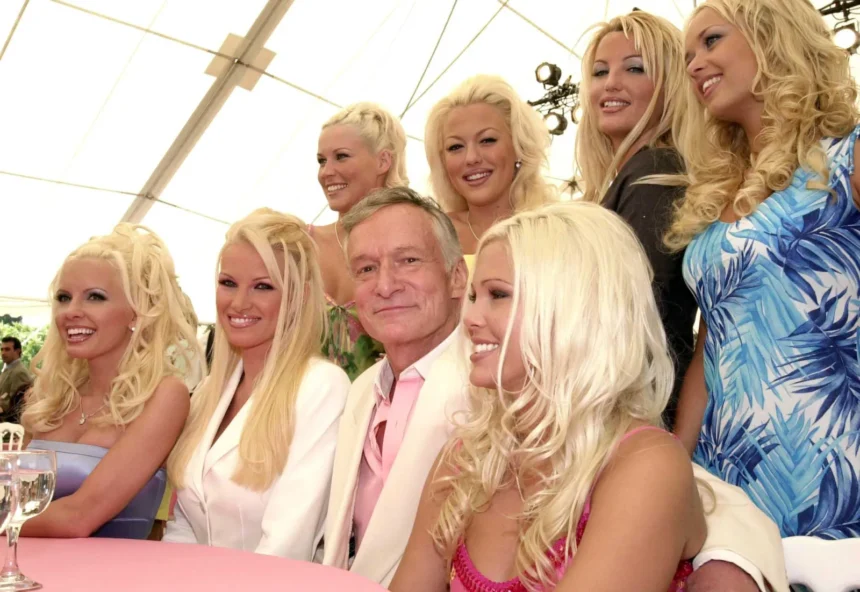

When we talk about titans of the publishing industry, few names stand out quite like Hugh Hefner. He wasn’t just a businessman; he was a cultural icon who built an empire from his kitchen table. While he is often remembered for his silk pajamas and the famous mansion, the story of his finances is a fascinating tale of risks, rewards, and massive success. Many people are curious about the final Hugh Hefner net worth and how he accumulated such wealth over his lifetime.
In this deep dive, we are going to peel back the curtain on the financial life of the man who created one of the most recognizable brands in history. We will look at his early days, the peak of his business empire, and what was left when he passed away. We’ll explore how smart branding and a clear vision turned a small investment into a global phenomenon.
Key Takeaways
- Hugh Hefner started his magazine with a small loan and built a global empire.
- The Hugh Hefner net worth at the time of his death was estimated to be around $50 million.
- His wealth came not just from magazine sales, but from licensing, TV shows, and real estate.
- The sale of the Playboy Mansion played a huge role in his final financial standing.
- Hefner’s estate plan included strict stipulations for his beneficiaries.
The Humble Beginnings of an Empire
Before the fame and the fortune, Hugh Hefner was just a young man with a dream and a typewriter. Born in Chicago in 1926, his early life didn’t necessarily scream “future multi-millionaire.” He served in the army as a writer for a military newspaper and later graduated from the University of Illinois at Urbana-Champaign. But it was his time working as a copywriter for Esquire magazine that truly sparked his ambition.
When Esquire moved its offices to New York, Hefner asked for a $5 raise. They said no. That rejection was the catalyst he needed to strike out on his own. He believed there was a market for a sophisticated men’s magazine, one that combined lifestyle, culture, and interviews.
Starting With Borrowed Money
It is hard to believe, but the foundation of the Hugh Hefner net worth was built on borrowed cash. In 1953, he famously scraped together $8,000 from 45 investors. This included $1,000 from his own mother. He didn’t have a massive corporate backing or a safety net. He was working from his apartment kitchen, putting together the very first issue.
This first issue was a massive gamble. He didn’t even put a date on the cover because he wasn’t sure if there would be a second issue. However, the first edition featured Marilyn Monroe (using a calendar photo he purchased rights to) and sold more than 50,000 copies. This instant success proved his instincts were right and laid the groundwork for a publishing revolution.
The Explosion of the Brand
Once the magazine took off, there was no looking back. The 1960s and 1970s saw the brand explode in popularity. The magazine wasn’t just something people read; it became a status symbol. It featured in-depth interviews with political figures like Martin Luther King Jr., Malcolm X, and Jimmy Carter. This editorial credibility was crucial.
As the circulation numbers climbed into the millions, so did the revenue. This period marked the most significant growth in Hugh Hefner net worth. He wasn’t just selling paper; he was selling a lifestyle. The brand expanded into clubs, hotels, and casinos (though we won’t focus on the gambling aspect here). The logo—the famous bunny head—became one of the most recognized symbols in the world, right up there with Apple and Nike.
Licensing: The Real Money Maker
While selling magazines was great, the real genius of Hefner’s business model was licensing. He realized early on that the logo itself had value. He started putting that bunny head on everything—clothing, cologne, jewelry, and home goods.
This strategy allowed the company to make money without the heavy costs of printing and distribution. Licensing fees became a massive stream of passive income. Even when print circulation began to decline in the digital age, the brand remained strong because of these deals. The global recognition of the logo ensured that money kept flowing in from all corners of the world.
Hugh Hefner Net Worth at Its Peak
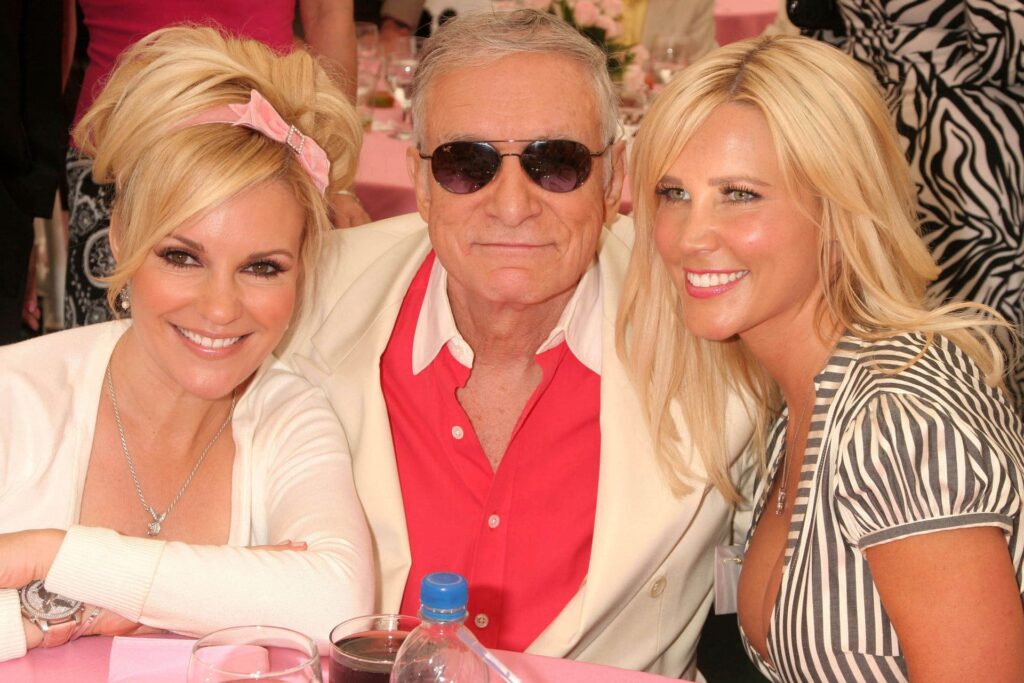
Pinpointing the exact peak of Hefner’s wealth can be tricky because much of it was tied up in stock and the valuation of his company. However, during the height of his success in the 1970s, the company was a financial juggernaut.
At one point, the stock price of his company was soaring, and his personal wealth was estimated to be in the hundreds of millions. He owned a private jet called “The Big Bunny,” multiple properties, and lived a lavish lifestyle that was the envy of many.
|
Era |
Estimated Wealth Status |
Key Factors |
|---|---|---|
|
1950s |
Low (Startup Phase) |
Borrowed money, initial risk. |
|
1970s |
Peak Financial Power |
High circulation, clubs, hotels. |
|
2000s |
Decline in Liquid Cash |
Print decline, took company private. |
|
2017 |
$50 Million (Est.) |
Sale of mansion, residual income. |
The “Big Bunny” Private Jet
To understand the scale of his wealth, you just have to look at his transportation. In the late 60s, Hefner purchased a DC-9 jet for $5.5 million. But this wasn’t just any plane. He painted it black and customized the interior to be a flying living room.
It had a disco, a living area, and sleeping quarters. It was a symbol of his immense success and his desire to travel in ultimate style. This jet was more than a vehicle; it was a flying billboard for his brand and a clear indicator that the Hugh Hefner net worth was substantial enough to support incredible luxury.
The Playboy Mansion Sale
One of the most significant events affecting his final net worth was the sale of the famous Playboy Mansion. For decades, this Gothic Tudor estate in Los Angeles was his home and office. It was legendary for its parties and its celebrity guests.
However, the mansion was technically owned by the company, not Hefner personally, for many years. He paid rent to live there! In 2016, the mansion was sold to Daren Metropoulos, a neighbor and business heir, for $100 million.
A Unique Living Arrangement
The sale came with a very specific condition: Hugh Hefner was allowed to live there for the rest of his life. This “life estate” allowed him to maintain his lifestyle without disruption. The sale injected cash into the company and solidified the value of the estate, directly influencing the financial legacy he left behind.
Even though he didn’t pocket the entire $100 million personally, the value of the property was a huge part of the brand’s assets. The sale highlighted just how valuable the real estate aspect of his empire had become over time.
Challenges in the Digital Age
No business story is without its downturns. As the internet exploded in the late 1990s and early 2000s, the print industry took a massive hit. Why buy a magazine when you could find content online for free? This shift had a direct impact on the company’s bottom line and, subsequently, Hugh Hefner net worth.
The company struggled to adapt initially. Circulation dropped, and stock prices fell. Hefner eventually took the company private in 2011 to gain more control and stop the bleeding from public market scrutiny.
Taking the Company Private
Taking the company private was a strategic move. It cost around $207 million to buy back the shares. This move allowed Hefner and a private equity firm to restructure without having to answer to public shareholders every quarter.
While this reduced his “paper wealth” compared to the public stock highs of the 70s, it secured his control over the brand he built. It ensured that he remained the Editor-in-Chief and the face of the company until the very end.
TV Shows and Renewed Fame
Just when some people thought Hefner was fading into history, he found a second wind through reality television. The show “The Girls Next Door,” which aired on E!, introduced him to a whole new generation.
The show focused on his life at the mansion with his girlfriends. It was a massive hit. It didn’t just bring in TV revenue; it revitalized the brand. Suddenly, teenagers and young adults were buying clothing with the bunny logo. This cultural resurgence helped stabilize the company’s finances and kept the Hugh Hefner net worth steady in his later years.
Hugh Hefner’s Final Net Worth
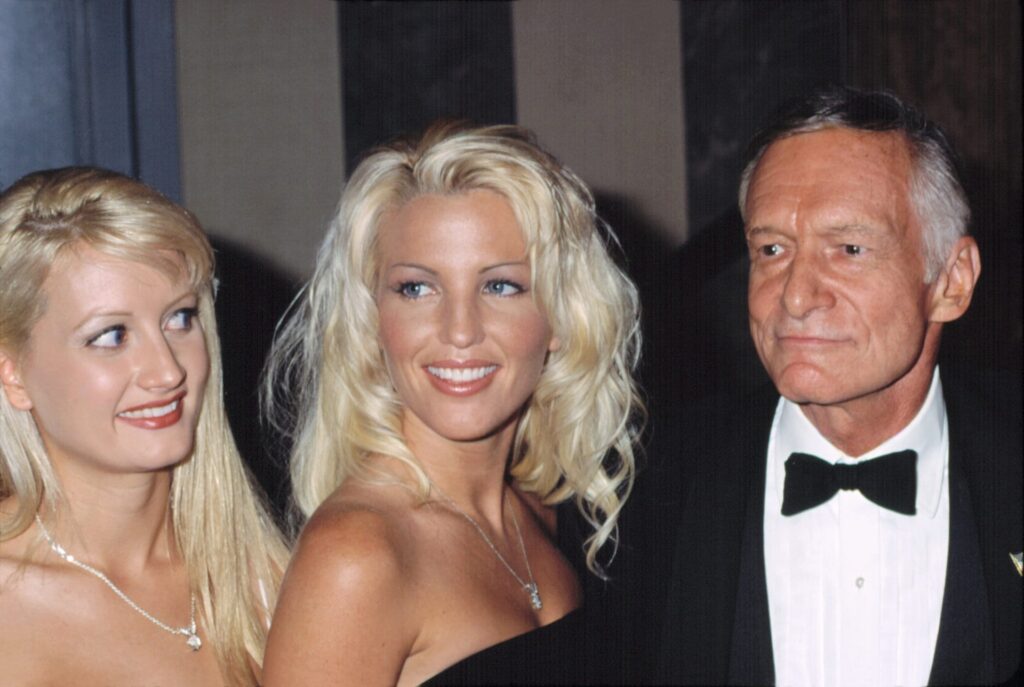
So, what was the final number? When Hugh Hefner passed away in September 2017 at the age of 91, his estimated net worth was approximately $50 million.
While $50 million is a huge amount of money, some people were surprised it wasn’t higher, given his fame. However, we have to remember that he lived a very expensive life for over 60 years. He spent lavishly on parties, travel, friends, and family. He didn’t just hoard his wealth; he enjoyed it.
Breakdown of Assets
His final net worth wasn’t just sitting in a checking account. It was a mix of various assets:
- Cash and Liquid Assets: Savings and income from the sale of shares.
- Stocks and Bonds: Traditional investments.
- Licensing Revenue: Ongoing payments from brand deals.
- Personal Property: Memorabilia, clothing, and collectibles.
It is important to note that he didn’t own the mansion at the time of his death, so that $100 million value wasn’t part of his personal estate in 2017.
Who Inherited the Fortune?
Hefner was married three times and had four children: Christie, David, Marston, and Cooper. Naturally, people wonder where the money went. His estate plan was very specific.
He left the majority of his fortune to his children and his widow, Crystal Harris. He also left a portion to the University of Southern California film school and various charities.
The Prenuptial Agreement
Before marrying Crystal Harris, Hefner had a strict prenuptial agreement in place. Initially, reports suggested she might not inherit anything. However, it was later revealed that he left her a $7 million home and a $5 million lump sum. This ensured she was taken care of, while the bulk of the estate went to his children and charitable causes.
For more insights into business legacies and wealth management, you can check out resources at Silicon Valley Time. They often cover how successful entrepreneurs manage their estates.
Trust Fund Stipulations
Hefner was known for being controlling, and that extended to his money even after death. His trust reportedly had a clause that would cut off any beneficiary who abused substances. He wanted to ensure that his hard-earned money wasn’t wasted on destructive habits. This showed that he cared about the well-being of his family and wanted his financial legacy to be a positive one.
Philanthropy and Giving Back
It wasn’t all about buying things for himself. Hugh Hefner was a significant philanthropist. He championed civil rights and First Amendment rights throughout his career.
He started the Playboy Foundation, which supported reduced censorship and civil liberties. He also gave heavily to film restoration projects. He famously donated the funds needed to save the Hollywood sign—twice! These donations reduced his liquid Hugh Hefner net worth but added immense value to his social legacy.
The Cultural Impact vs. Financial Wealth
When assessing a figure like Hefner, money is only one metric. His influence on culture was arguably worth more than his bank account. He changed how society talked about lifestyle and relationships.
He provided a platform for writers like Ray Bradbury, Ian Fleming, and Margaret Atwood. By paying writers well and giving them creative freedom, he elevated the quality of magazine journalism. This cultural capital is a huge part of what he left behind.
Comparing Hefner to Other Media Moguls
How does the Hugh Hefner net worth compare to other media giants?
- Oprah Winfrey: Worth billions, she owns her network and production company entirely.
- Rupert Murdoch: Worth billions, built a massive global news empire.
- Hugh Hefner: Worth $50 million.
Why the difference? Hefner’s lifestyle was his business. He spent heavily to maintain the image of the brand. Also, the print industry suffered more than television or news conglomerates in the digital shift. Hefner was also less ruthless in expanding into other sectors compared to someone like Murdoch.
Lessons from Hefner’s Financial Life
There are several financial lessons we can learn from Hugh Hefner’s journey:
- Invest in Yourself: He bet his own money and borrowed from his mother because he believed in his vision.
- Branding is Key: He created a logo that transcended the product. The bunny head made money even when the magazine didn’t.
- Adapt to Survive: When print failed, he moved to TV and licensing.
- Protect Your Assets: He used trusts and prenups to ensure his wealth went exactly where he wanted it to go.
- Enjoy Your Wealth: He didn’t die with billions in the bank because he spent his life enjoying the fruits of his labor.
Frequently Asked Questions (FAQ)
Here are some common questions people ask about Hugh Hefner and his money.
How much was Hugh Hefner worth when he died?
Hugh Hefner had an estimated net worth of approximately $50 million at the time of his death in 2017.
Did he own the Playboy Mansion when he died?
No. He sold the mansion in 2016 for $100 million but retained the right to live there until he passed away.
Who inherited Hugh Hefner’s money?
His wealth was divided among his four children (Christie, David, Marston, and Cooper), his widow Crystal Harris, and several charities, including the USC film school.
Did his wife get anything?
Yes. Despite a prenuptial agreement, Crystal Harris reportedly received a house worth $7 million and a $5 million cash sum.
How did he make most of his money later in life?
In his later years, the majority of the revenue came from licensing the brand logo and from his reality TV shows, rather than direct magazine sales.
Conclusion
The story of the Hugh Hefner net worth is about more than just numbers on a balance sheet. It is the story of a man who turned a $600 loan into a global empire that defined a generation. While he may not have died a billionaire like some modern tech moguls, his $50 million fortune and the iconic brand he built are testaments to his business acumen.
He navigated the golden age of print, survived the digital revolution, and found new life on television. He lived exactly the way he wanted to, spending his wealth on a lifestyle that became his trademark. In the end, his financial legacy was secured through smart estate planning, ensuring his children and wife were cared for.
For more interesting financial profiles, you might want to read about other figures in the industry. You can even find information on different types of net worth profiles, such as the Eli Tomac net worth page on Wikipedia, which details the earnings of a top motocross racer. Just like Hefner, figures like Tomac show how passion can be turned into a lucrative career.