




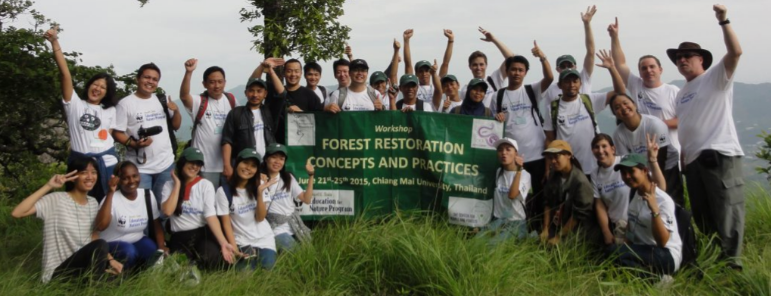

Are you passionate about protecting our planet? Do you want a career that makes a real difference? Exploring jobs at World Wide Fund for Nature could be the perfect next step for you. The WWF is one of the world’s leading conservation organizations, working in nearly 100 countries to tackle the most pressing environmental challenges. A career here means contributing to a mission that safeguards natural habitats, protects endangered species, and builds a sustainable future for all. This guide will walk you through everything you need to know, from the types of roles available to how you can stand out as a candidate.
This is more than just a job search; it’s a chance to align your professional life with your personal values. We’ll explore the diverse opportunities, the skills you need, and the impact you can make. Get ready to discover how you can become part of a global team dedicated to creating a world where people and nature thrive together.
Key Takeaways
- Diverse Opportunities: WWF offers a wide array of roles, from scientific research and policy advocacy to marketing, finance, and technology.
- Global Impact: A job at WWF means contributing to conservation efforts on a global scale, addressing issues like climate change, deforestation, and wildlife protection.
- Essential Skills: Beyond technical expertise, WWF values passion, collaboration, adaptability, and strong communication skills.
- Application Process: A successful application requires a tailored resume and a compelling cover letter that highlights your passion for conservation and relevant experience.
- Beyond Full-Time: Opportunities include internships, volunteer programs, and consultancies, providing multiple pathways to get involved.
What is the World Wide Fund for Nature (WWF)?
Before diving into the specifics of jobs at World wide fund for nature, it’s important to understand the organization’s mission and scope. Founded in 1961, the World Wide Fund for Nature has grown into a massive global network with a single, powerful mission: to stop the degradation of the planet’s natural environment and to build a future in which humans live in harmony with nature. This isn’t just a catchy slogan; it’s the guiding principle behind every project, campaign, and role within the organization.
The WWF works across six key areas: forests, oceans, freshwater, wildlife, food, and climate. Their approach is rooted in science, involving everything from on-the-ground fieldwork with local communities to influencing international policy at the highest levels. They collaborate with governments, corporations, and other non-profits to find innovative solutions to complex environmental problems. Understanding this comprehensive strategy is crucial for anyone aspiring to join their team, as it shows that you appreciate the depth and breadth of their work beyond the famous panda logo.
The Core Mission and Values
At the heart of the WWF are its core values: courage, integrity, respect, and collaboration. These aren’t just words on a website; they are the bedrock of the organization’s culture. Courage is about speaking truth to power and taking on bold challenges. Integrity means operating with transparency and accountability. Respect involves listening to and learning from the communities and partners they work with. Collaboration is the understanding that global problems require collective action. When you apply for jobs at world wide fund for nature, demonstrating how your own values align with these principles can make your application much more powerful.
Types of Jobs at World Wide Fund for Nature
Many people assume that all jobs at World Wide Fund for Nature are for scientists in remote jungles. While those roles certainly exist, the reality is far more diverse. To achieve its ambitious goals, the WWF needs a wide range of professionals with different skills and backgrounds. The organization is like any large global entity, requiring experts in various fields to keep it running effectively and to drive its mission forward.
This diversity means that you don’t have to be a biologist or an ecologist to contribute. Whether your expertise is in digital marketing, financial management, or software development, there could be a place for you. The key is to connect your professional skills to the organization’s conservation mission. By doing so, you can find a fulfilling role that uses your talents to protect the planet.
Field and Conservation Roles
These are the jobs that often come to mind first. They are the frontline of WWF’s work and involve direct engagement with conservation projects.
- Conservation Scientists: These professionals conduct research, monitor wildlife populations, and analyze data to inform conservation strategies. They might specialize in areas like marine biology, forestry, or climate science.
- Project Managers: They oversee specific conservation projects, managing budgets, timelines, and teams. This could involve anything from a reforestation initiative in the Amazon to a community-based anti-poaching program in Africa.
- Community Outreach Coordinators: These roles focus on working with local communities to ensure conservation efforts are sustainable and beneficial for the people who live in and around protected areas.
Policy and Advocacy Positions
Changing laws and corporate practices is a huge part of WWF’s strategy. Policy and advocacy roles are crucial for driving large-scale change.
- Policy Advisors: Experts in this area work to influence government policies related to the environment. They might lobby for stronger climate change legislation or advocate for better regulations on plastic pollution.
- Corporate Engagement Specialists: These professionals work with companies to help them adopt more sustainable business practices. This could involve supply chain management, reducing carbon footprints, or investing in conservation.
- Campaign Managers: They design and execute public campaigns to raise awareness and mobilize support for key environmental issues, encouraging people to take action.
Business Support and Operations Roles
Like any major organization, WWF needs a strong operational backbone to support its mission. These roles are essential for keeping the global network running smoothly.
- Finance and Accounting: Managing grants, donations, and budgets is critical. Accountants and financial analysts ensure that resources are used effectively and transparently.
- Human Resources: HR professionals are responsible for recruiting, training, and supporting the talented people who make up the WWF team. Finding the right candidates for jobs at world wide fund for nature is a key part of their work.
- Marketing and Communications: These teams tell the WWF story. They manage social media, create content, and work with the press to share successes and raise awareness.
- Information Technology (IT): In an increasingly digital world, IT experts are vital. They manage the organization’s technical infrastructure, develop conservation tech tools, and ensure data security.
What Skills and Qualifications Does WWF Look For?
Securing one of the coveted jobs at World Wide Fund for Nature requires more than just a passion for the environment, though that is certainly important. The organization seeks a specific blend of professional skills, personal attributes, and relevant experience. Because the work is complex and collaborative, they look for well-rounded individuals who can thrive in a dynamic, mission-driven environment.
Your technical qualifications are the foundation. Whether you’re an accountant, a biologist, or a communications expert, you need to be highly skilled in your field. However, WWF places equal importance on soft skills. How you work with others, solve problems, and adapt to change is just as critical as your formal training. Understanding this combination of hard and soft skills is the first step toward crafting a standout application.
Essential Hard Skills and Educational Background
The required qualifications vary significantly by role. However, some common themes emerge.
- Educational Requirements: Many professional roles require at least a bachelor’s degree in a relevant field. For scientific and technical positions, a master’s degree or even a PhD is often preferred. For example, a Conservation Scientist role might require an advanced degree in ecology, biology, or environmental science.
- Language Proficiency: As a global organization, proficiency in English is typically required. For many positions, especially those in the field or in regional offices, fluency in another language (such as Spanish, French, or a local dialect) can be a significant advantage.
- Technical Expertise: This is role-specific. An IT professional needs to know about network security and cloud computing. A finance manager needs expertise in non-profit accounting. A GIS (Geographic Information System) specialist needs to be proficient in mapping software.
Crucial Soft Skills and Personal Attributes
WWF operates in a complex, multicultural world. The following soft skills are universally valued across the organization:
- Passion for the Mission: You must have a genuine commitment to conservation and WWF’s goals. This passion fuels the hard work and perseverance required to tackle daunting environmental challenges.
- Collaboration and Teamwork: No one at WWF works in a silo. The ability to collaborate effectively with colleagues, external partners, and local communities is essential.
- Adaptability and Resilience: Conservation work is often unpredictable. You might face political obstacles, funding challenges, or unforeseen project complications. The ability to adapt and remain resilient is key.
- Strong Communication Skills: Whether you are writing a grant proposal, presenting research findings, or speaking with a local community leader, clear and respectful communication is vital.
The Application and Recruitment Process
Navigating the application process for jobs at World Wide Fund for Nature is a key step in turning your dream into a reality. The process is designed to identify candidates who not only have the right skills but also a deep alignment with the organization’s mission and culture. It’s a competitive field, so taking the time to prepare a thoughtful and professional application is crucial.
The process typically begins on the WWF careers website, where all open positions are listed. From there, it involves submitting a detailed application, followed by a series of interviews for shortlisted candidates. Each stage is an opportunity to showcase your qualifications and your passion for conservation. Being prepared and understanding what recruiters are looking for will significantly increase your chances of success.
How to Find Open Positions
The primary source for all jobs at World Wide Fund for Nature is the official careers section of their website. Most WWF national offices, like WWF-US or WWF-UK, have their own dedicated career pages. You can typically search for jobs by location, keyword, or area of expertise. It’s a good idea to set up job alerts for positions that match your interests, so you are notified as soon as a relevant role is posted. Professional networking sites like LinkedIn are also valuable resources, as WWF often posts openings there as well.
Crafting a Winning Resume and Cover Letter
Your resume and cover letter are your first impression. They need to be tailored specifically for the role you are applying for.
- Your Resume: Don’t just list your job duties. Use bullet points to highlight your achievements and quantify them whenever possible. For example, instead of saying “Managed a project budget,” say “Managed a $500,000 project budget, delivering the project 10% under budget.” Connect your experience directly to the requirements listed in the job description.
- Your Cover Letter: This is where you tell your story and show your passion. Don’t just repeat your resume. Use the cover letter to explain why you want to work for WWF and why you are the perfect fit for this specific role. Mention a specific WWF project or campaign that inspires you to show you’ve done your research. This is your chance to connect your personal values to the organization’s mission.
The Interview Stages
If your application is successful, you will be invited for an interview. The process may involve multiple rounds.
- Initial Screening: This is often a brief phone or video call with an HR representative to discuss your background and your interest in the role.
- Technical Interview: This stage involves a deeper dive with the hiring manager and potential team members. They will ask specific questions about your skills and experience. You may be given a practical task or a case study to solve.
- Panel Interview: For senior roles, you might meet with a panel of interviewers from different departments. These interviews often focus on behavioral questions (“Tell me about a time when…”) to assess your soft skills like collaboration, problem-solving, and leadership.
Internships and Volunteer Opportunities
Full-time jobs at World Wide Fund for Nature are not the only way to get involved. Internships and volunteer programs offer fantastic opportunities to gain experience, build your network, and contribute to the conservation mission. These pathways are often a stepping stone to a permanent role and provide an invaluable inside look at how the organization operates.
For students, recent graduates, or career changers, an internship can be the perfect way to apply academic knowledge in a real-world setting. Volunteering, on the other hand, allows individuals from all walks of life to donate their time and skills to a cause they care about. Both options demonstrate a strong commitment to environmental protection, which is highly valued by recruiters.
Paid and Unpaid Internships
WWF offers a variety of internship programs, many of which are paid. These programs are structured to provide meaningful, hands-on experience. Interns are typically assigned to a specific department and given a real project to work on. This could involve conducting research for a policy report, helping to create content for a social media campaign, or assisting with data analysis for a conservation project. An internship is an excellent way to see if a career in conservation is right for you while building tangible skills for your resume.
Volunteer Programs
Volunteering with WWF can take many forms. You might help out at a local fundraising event, participate in a citizen science project, or offer your professional skills on a pro-bono basis. Some national offices have formal volunteer programs with specific roles and responsibilities. While volunteering doesn’t provide a salary, it offers immense personal satisfaction and a chance to connect with like-minded individuals. It also shows a level of dedication that can be very attractive when you later apply for paid jobs at World Wide Fund for Nature.
What is it Like to Work for WWF?
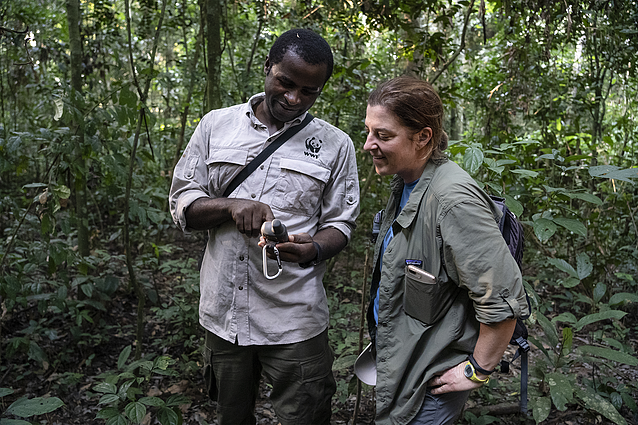
A job is more than just a list of tasks; it’s about the culture, the people, and the overall experience. Working at WWF means being part of a global community of dedicated, passionate individuals who are all driven by the same goal. The work environment is generally described as collaborative, inspiring, and dynamic. Employees are united by a shared commitment to making a positive impact on the planet.
The culture emphasizes scientific rigor, respect for diversity, and a focus on solutions. You’ll be working alongside leading experts in their fields, from scientists and economists to policy wonks and communication gurus. The challenges are significant, but the sense of purpose is unparalleled. As noted by some tech professionals who have transitioned into the non-profit sector, the mission-driven work provides a unique sense of fulfillment, a sentiment you can explore further on platforms like https://siliconvalleytime.co.uk/.
Organizational Culture and Work-Life Balance
WWF strives to create a supportive and inclusive work environment. There’s a strong emphasis on teamwork and cross-departmental collaboration. Given its global nature, you will likely interact with colleagues from different countries and cultures, which enriches the work experience.
In terms of work-life balance, the organization recognizes the demanding nature of its work and generally promotes a healthy balance. Flexible work arrangements may be available depending on the role and location. However, it’s also true that the passion for the mission can lead to long hours, especially during critical campaigns or project deadlines. The key is that the work feels meaningful, which can make the effort feel incredibly worthwhile.
Salary and Benefits Overview
Salaries at WWF are competitive for the non-profit sector. While they may not match the levels found in for-profit corporations, they are designed to attract and retain high-quality talent. Compensation is typically benchmarked against similar organizations in the same geographic location.
In addition to salary, WWF generally offers a comprehensive benefits package. This often includes:
|
Benefit Type |
Description |
|---|---|
|
Health Insurance |
Comprehensive medical, dental, and vision coverage. |
|
Retirement Plans |
Generous retirement savings plans, often with an employer contribution. |
|
Paid Time Off |
A good amount of vacation time, sick leave, and paid holidays. |
|
Professional Development |
Opportunities for training, attending conferences, and continuing education to help you grow in your role. |
|
Flexible Work |
Options for flexible schedules or remote work, depending on the position and team needs. |
Conclusion: Your Path to a Career in Conservation
Embarking on a search for jobs at World Wide Fund for Nature is the first step toward a deeply rewarding career. It’s a chance to use your professional skills to tackle some of the most critical challenges of our time. From protecting endangered species to promoting sustainable living, the impact you can make is both tangible and global. The path isn’t always easy, and the roles are competitive, but for those with the right blend of skill, passion, and perseverance, a career at WWF is an unparalleled opportunity.
Remember that there are many ways to contribute. Whether you are a scientist, a marketer, a financial analyst, or a recent graduate looking for an internship, there is a potential place for you in this global effort. Start by exploring the opportunities available, carefully tailor your application to highlight your unique strengths, and let your genuine passion for conservation shine through. Your journey to help build a future where people and nature thrive together can start today. As a part of a global movement, the work done by the WWF is a crucial component of broader conservation efforts, a topic extensively covered by organizations and resources you can find through platforms like the one detailed on its official Wikipedia page.
Frequently Asked Questions (FAQ)
1. Do I need a science degree to work at WWF?
No, you do not necessarily need a science degree. While many roles are in conservation science, WWF also needs professionals in fields like communications, finance, human resources, IT, and policy. Your professional skills, combined with a passion for the mission, are what’s most important.
2. Where are most jobs at World Wide Fund for Nature located?
WWF has offices all over the world. Major hubs are located in Washington D.C. (WWF-US headquarters), Gland, Switzerland (WWF International headquarters), and Woking, UK (WWF-UK headquarters). However, there are hundreds of offices and field sites in nearly 100 countries across Africa, Asia, and Latin America.
3. Are the salaries at WWF competitive?
Salaries are competitive within the non-profit sector. While they might not be as high as in the for-profit corporate world, WWF offers a comprehensive benefits package and the immense non-monetary reward of contributing to a meaningful global mission.
4. How can I make my application stand out?
Tailor your resume and cover letter for each specific job. Quantify your achievements, highlight skills mentioned in the job description, and use your cover letter to express your genuine passion for conservation. Mentioning a specific WWF project that inspires you shows you’ve done your homework.
5. Does WWF offer remote work opportunities?
Yes, many roles at WWF, particularly in operational and support functions, may offer options for remote or hybrid work. The availability of remote work depends on the specific position, the team’s needs, and the policies of the national office. Field-based roles, by their nature, require an on-site presence.