




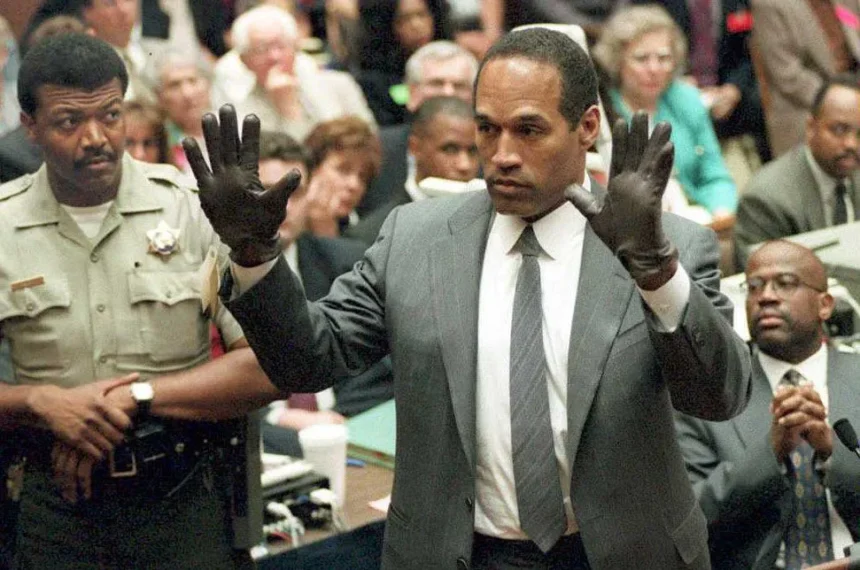

The world of celebrity literature is often filled with autobiographies and memoirs that give us a peek behind the curtain of fame. However, few figures in history have sparked as much conversation, debate, and curiosity as Orenthal James Simpson. While primarily known for his football career and the highly publicized trial of the century, there is another aspect of his life that draws significant attention: the books written by OJ Simpson. These publications offer a unique, albeit controversial, window into his mindset during and after the events that changed his life forever.
In this guide, we are going to explore the literary works associated with Simpson. We will look at why he wrote them, what they contain, and how the public reacted. Whether you are a true crime enthusiast or just curious about pop culture history, understanding these books provides a deeper layer to one of the most talked-about sagas in American history.
Introduction to OJ Simpson’s Literary Works
When people think of authors, OJ Simpson is rarely the first name that comes to mind. Yet, his contributions to the literary world, primarily through two specific books, have left a lasting mark on the true crime genre. The books written by OJ Simpson are not typical memoirs. They are extensions of a legal and media battleground that captivated the entire world. To understand these books, we first need to understand the man behind them and the circumstances that led him to pick up a pen—or perhaps dictate his thoughts to others.
Writing a book is often a way for celebrities to control their narrative. For Simpson, the stakes were much higher than just image maintenance. His writings came at times when public opinion was fiercely divided. Some saw him as a fallen hero, while others viewed him as a villain who escaped justice. His books served as a platform for him to speak directly to the public, bypassing the filters of news anchors and journalists.
Who is OJ Simpson?
Before we dive into the books written by OJ Simpson, it is helpful to remember who he was before the controversy. O.J. Simpson, born in 1947, was an American football hero. He won the Heisman Trophy in college and became a superstar in the NFL, most notably with the Buffalo Bills. He was nicknamed “The Juice” and was beloved for his charisma and talent. After retiring from sports, he became a successful actor and broadcaster.
However, his life took a dark turn in 1994 when his ex-wife, Nicole Brown Simpson, and her friend, Ronald Goldman, were found murdered. Simpson was accused of the crime, leading to a televised trial that gripped the nation. Although he was acquitted in criminal court, a civil court later found him liable for the deaths. This dramatic shift from beloved icon to accused murderer is the backdrop for all the books written by OJ Simpson. Without this context, the books would simply be stories from a retired athlete; with it, they become historical documents of a tragic era.
Why Did OJ Simpson Write Books?
The motivations behind writing a book can be complex. For Simpson, the reasons likely varied between his two major publications. Financial gain is often a primary driver, especially after the civil trial judgment which ordered him to pay millions to the victims’ families. Writing books offered a potential revenue stream, although legal battles often complicated his ability to profit from them.
Beyond money, there was a clear desire for self-expression and defense. During his trial, Simpson did not testify. The public never heard his story from his own mouth in a courtroom setting. The books written by OJ Simpson became his testimony. He wanted to answer the thousands of letters he received in jail. He wanted to address the rumors. In his later book, the motivation became even more murky and controversial, blurring the lines between a hypothetical confession and a shocking money-grab. Regardless of the reason, the act of writing allowed him to reclaim some agency over his story.
The Controversy Surrounding His Publications
It is impossible to discuss books written by OJ Simpson without addressing the massive controversy they generated. Most authors hope for publicity, but the attention Simpson received was largely negative. Critics argued that allowing an accused murderer to profit from his story was morally wrong. The families of Nicole Brown Simpson and Ron Goldman were particularly vocal, rightfully feeling that these books caused them further pain.
The controversy wasn’t just about him writing; it was about the content. One book, in particular, presented a “hypothetical” account of the murders. This sparked outrage across the globe. Bookstores refused to stock it, television specials were canceled, and publishers were fired. The backlash showed that while the public was fascinated by the case, there was a limit to what they would accept. The saga of the publication rights itself became a legal drama, eventually leading to the victims’ families acquiring the rights to one of the books to prevent Simpson from profiting.
Overview of Books Written by OJ Simpson
When searching for books written by OJ Simpson, you will primarily find two major titles attributed to him. While there are hundreds of books about him written by lawyers, journalists, and friends, the list of books actually authored or co-authored by him is short. This scarcity makes them even more significant to those studying the case.
These books serve as bookends to different chapters of his post-football life. One was written from a jail cell while he was awaiting the verdict of his murder trial. The other was written more than a decade later, revisiting the crime scene in a way that shocked the conscience of the public.
How Many Books Has OJ Simpson Written?
Strictly speaking, there are two main books written by OJ Simpson:
- I Want to Tell You: My Response to Your Letters, Your Messages, Your Questions (1995)
- If I Did It (2006/2007) – Later released as If I Did It: Confessions of the Killer
The first book, I Want to Tell You, was released while the trial was still ongoing. It was a bestseller, largely because of the intense public interest in the case. The second book, If I Did It, had a much more complicated path to publication and is often cited as the more controversial of the two. While Simpson may have contributed to other smaller projects or forwards, these are the two definitive works that constitute his literary output.
Themes and Topics Covered in His Books
The themes in the books written by OJ Simpson are heavily centered on his legal troubles and his personal defense.
- Innocence and Victimhood: In his first book, the overwhelming theme is his proclamation of innocence. He portrays himself as a victim of a corrupt system and a misunderstood man who is grieving his ex-wife.
- Faith and Support: He discusses his reliance on God and the support he received from fans and family during his incarceration.
- Hypothetical Scenarios: The second book introduces a dark theme of “what if.” It explores the events of the murder night through a hypothetical lens, describing how the murders would have happened if he had been the one to commit them.
- Anger and Resentment: Both books reveal undercurrents of anger toward the media, the prosecution, and sometimes even the victims, painting a complex psychological portrait.
The Public’s Reaction to His Books
The public reaction to books written by OJ Simpson has always been polarized.
For I Want to Tell You:
- Supporters: Fans who believed in his innocence bought the book to hear his side of the story. It offered them reassurance and talking points to defend him.
- Skeptics: Many viewed it as a PR stunt designed to influence the jury pool and garner sympathy before the verdict was read.
For If I Did It:
- Outrage: The reaction was almost universally negative. The idea of a “hypothetical confession” was seen as deeply tasteful and cruel to the victims’ families.
- Morbid Curiosity: Despite the moral outrage, there was undeniable curiosity. People wanted to know what he admitted to, even hypothetically.
- Boycotts: There were widespread calls to boycott the publisher and the book itself, leading to the original publication being cancelled before the rights were transferred.
Detailed Analysis of OJ Simpson’s Books
To truly understand the significance of the books written by OJ Simpson, we need to look closer at what lies between the covers. These aren’t just stories; they are historical artifacts from the trial of the century.
I Want to Tell You: My Response to Your Letters, Your Messages, Your Questions
Published in 1995, this book was a collaborative effort. Since Simpson was in jail, he couldn’t sit at a typewriter. Instead, he dictated his thoughts to Lawrence Schiller. The book was marketed as Simpson’s direct line of communication to the outside world.
Summary and Key Takeaways
The book is structured as a response to the thousands of letters Simpson received while in the Los Angeles County Jail.
- Addressing the Public: He categorizes the letters he received—some supportive, some hateful, some confused—and uses them as prompts to discuss his feelings.
- Financial Defense: He explains that the book was a way to help pay for his “Dream Team” of defense lawyers.
- Proclamation of Innocence: He repeatedly states he did not kill Nicole or Ron. He expresses frustration that the police didn’t look for other suspects.
Key Takeaways:
- The book reveals Simpson’s charm and his ability to garner sympathy.
- It highlights the immense pressure of the trial and the isolation of jail.
- It serves as a time capsule of the racial and social tensions of 1995.
Public Reception and Criticism
When I Want to Tell You hit the shelves, it flew off them. It reached the top of the New York Times Best Seller list. However, critics were harsh.
- Literary Critics: They panned the writing style, calling it disjointed and self-serving.
- Legal Experts: Some lawyers worried that publishing a book mid-trial could jeopardize his defense, as anything he wrote could potentially be used against him.
- Ethical Concerns: Many felt it was inappropriate for a man on trial for double murder to be making money from a book about the case. Despite the criticism, the sales numbers proved that the public’s appetite for anything related to books written by OJ Simpson was insatiable.
If I Did It: Confessions of the Killer
This is arguably one of the most infamous books in American publishing history. Originally planned for release in 2006, the premise was shocking: Simpson would describe how he would have committed the murders if he were the one responsible.
The Story Behind the Book
The story of this book’s publication is a thriller in itself.
- The Deal: Simpson reportedly received a large advance to write the book and participate in a TV special.
- The Ghostwriter: The book was ghostwritten by Pablo Fenjves, who later stated that he believed Simpson’s “hypothetical” account was actually a confession.
- The Cancellation: Following a massive public outcry, the publisher (ReganBooks, an imprint of HarperCollins) cancelled the project. Tens of thousands of printed copies were destroyed.
- The Rights Transfer: In a twist of poetic justice, a bankruptcy court awarded the rights to the book to the Goldman family to help satisfy the civil judgment Simpson had never paid.
Controversy and Legal Battles
The legal battles over this entry in the list of books written by OJ Simpson were intense. The Goldman family, who had relentlessly pursued justice for their son Ron, saw an opportunity. By acquiring the rights, they changed the title to If I Did It: Confessions of the Killer. They also redesigned the cover so that the word “If” was tiny and hidden inside the “I” of “I Did It,” making it look like a bold admission of guilt.
This move was controversial even among victims’ advocates. Some felt the book should never see the light of day. The Goldmans argued that publishing it was the only way to force Simpson to “confess” and to finally collect some payment for the wrongful death judgment.
Key Takeaways from the Book
The content of If I Did It is disturbing.
- The “Lost” Chapter: The crucial chapter describes the night of the murders. Simpson describes going to Nicole’s house with a friend named “Charlie.”
- Detailed Violence: The description of the confrontation and the ensuing violence is graphic and specific.
- The “Blackout”: In the narrative, Simpson claims to “black out” at the exact moment of the killings, only regaining awareness when he is covered in blood.
- Psychological Insight: Readers often point to the text as evidence of Simpson’s temper and possessiveness over Nicole, regardless of the “hypothetical” framing.
The Impact of OJ Simpson’s Books
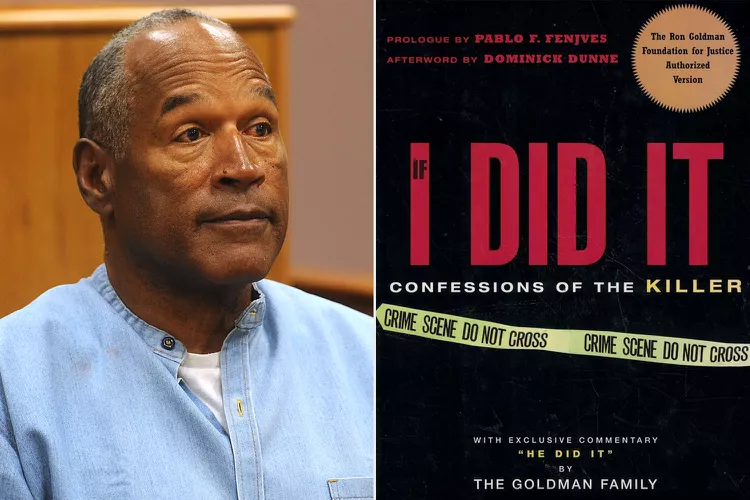
The books written by OJ Simpson did more than just tell a story; they impacted the real world. They influenced how people viewed the case, how the media covered crime, and even how laws regarding “Son of Sam” statutes (laws preventing criminals from profiting from crimes) were viewed.
How His Books Shaped Public Opinion
Public opinion on OJ Simpson was already set in stone for most people by the time the books came out. However, the books reinforced those beliefs.
- Reinforcing Guilt: For those who believed he was guilty, If I Did It was the smoking gun. The detailed knowledge of the crime scene described in the book convinced many undecided people that he was the killer.
- Reinforcing Support: For his staunch supporters, I Want to Tell You provided a narrative of a man wrongly accused, fighting a corrupt system. It gave them a reason to keep believing in the “Juice.”
Ultimately, the books likely did more damage to his reputation than good. The sheer audacity of writing a hypothetical murder manual alienated even some who had previously given him the benefit of the doubt.
The Role of Media in Promoting or Criticizing His Work
The media played a huge role in the lifecycle of books written by OJ Simpson.
- The Hype Machine: Every time a book was announced, news outlets covered it 24/7. This free advertising guaranteed sales but also guaranteed backlash.
- The Gatekeepers: In the case of If I Did It, the media effectively acted as a gatekeeper. The intense criticism from Fox News (which was owned by the same parent company as the publisher) and other outlets was a major factor in the book’s initial cancellation.
- The Interviews: Simpson gave interviews to promote his first book, but the cancelled TV special for the second book remains a legendary piece of “lost” media that was eventually aired years later, further fueling the spectacle.
Legal and Ethical Implications of His Publications
These books raised serious ethical questions.
- Profiting from Crime: Should a person acquitted in criminal court but found liable in civil court be allowed to make millions from the story of the crime? This debate raged furiously.
- Free Speech vs. Decency: Publishers had to balance the right to free speech with standards of common decency. The cancellation of If I Did It showed that corporate responsibility (or fear of public boycotts) could override the potential for profit.
- Intellectual Property: The court’s decision to strip Simpson of the copyright to his own book and give it to the victim’s family was a landmark legal move, setting a precedent for how victims can seek restitution.
Key Takeaways from OJ Simpson’s Books
When we step back and look at the books written by OJ Simpson, several major lessons stand out. These aren’t just books; they are case studies in media, law, and psychology.
Lessons Learned from His Writings
- The Power of Narrative: The books show how desperate public figures are to control their own story, even when the evidence is stacked against them.
- The Complexity of the Justice System: The fact that Simpson could be acquitted, then found liable, then write a book about the crime, highlights the strange nuances of the American legal system.
- The Limits of Fame: Simpson’s fame protected him in many ways, but it also put a magnifying glass on his actions. His books proved that fame could not shield him from public morality forever.
The Influence of His Books on Pop Culture
The books written by OJ Simpson have become dark artifacts of pop culture.
- If I Did It is frequently referenced in documentaries and dramas, such as the American Crime Story TV series.
- The books are collectors’ items for those interested in macabre history.
- They serve as a cautionary tale for publishers about the risks of prioritizing sensation over sensitivity.
Frequently Asked Questions (FAQs)
Here are some common questions people have about the books written by OJ Simpson.
Why Did OJ Simpson Write If I Did It?
While Simpson claimed he wrote it to earn money for his children, many speculate it was an ego-driven need to taunt the public and the police. The ghostwriter, Pablo Fenjves, stated that Simpson seemed to want to get the story off his chest, viewing the “hypothetical” angle as a mere technicality.
Are OJ Simpson’s Books Still Available for Purchase?
Yes. I Want to Tell You is out of print but can be found used online. If I Did It: Confessions of the Killer is readily available in bookstores and online retailers. However, remember that the proceeds from the sales of If I Did It now go to the Goldman family, not to Simpson or his estate.
What is the Most Controversial Book Written by OJ Simpson?
Undoubtedly, If I Did It holds this title. The concept of writing a “how-to” guide on the murders of your ex-wife and her friend is unprecedented in its controversy. The backlash was global and resulted in the firing of high-profile publishing executives.
Conclusion
The saga of the books written by OJ Simpson is as complex and dramatic as the man himself. From the jailhouse defense of I Want to Tell You to the shocking quasi-confession of If I Did It, these literary works offer a disturbing yet fascinating look into the mind of a fallen icon. They remind us that the search for truth is often messy and that the written word can be a powerful tool for both defense and incrimination.
These books challenge us to think about the ethics of true crime, the rights of victims, and the enduring power of celebrity. While OJ Simpson has passed away, his words remain on the shelf, continuing to spark debate and curiosity for new generations.
Final Thoughts on Books Written by OJ Simpson
If you decide to read the books written by OJ Simpson, do so with a critical eye. Understand the context in which they were written. Recognize the pain of the families involved and the legal battles that shaped the final products. These are not ordinary memoirs; they are pieces of evidence in the court of public opinion.
Where to Learn More About OJ Simpson’s Books
For those who want to dig deeper into this topic, there are many resources available. Documentaries like O.J.: Made in America provide excellent context for the books. You can also explore legal analyses of the trials to understand the specific claims Simpson makes in his writings.
For more insights into current events, history, and pop culture analysis, visit Silicon Valley Time. We strive to bring you detailed and thoughtful content on the stories that shape our world.
Additional Resources
Related Articles and Books
- Outrage: The Five Reasons Why O.J. Simpson Got Away with Murder by Vincent Bugliosi
- The Run of His Life: The People v. O. J. Simpson by Jeffrey Toobin
External Links for Further Reading
- For a detailed history of the legal cases and the books, you can read more at this Wikipedia page related to books written by OJ Simpson.