





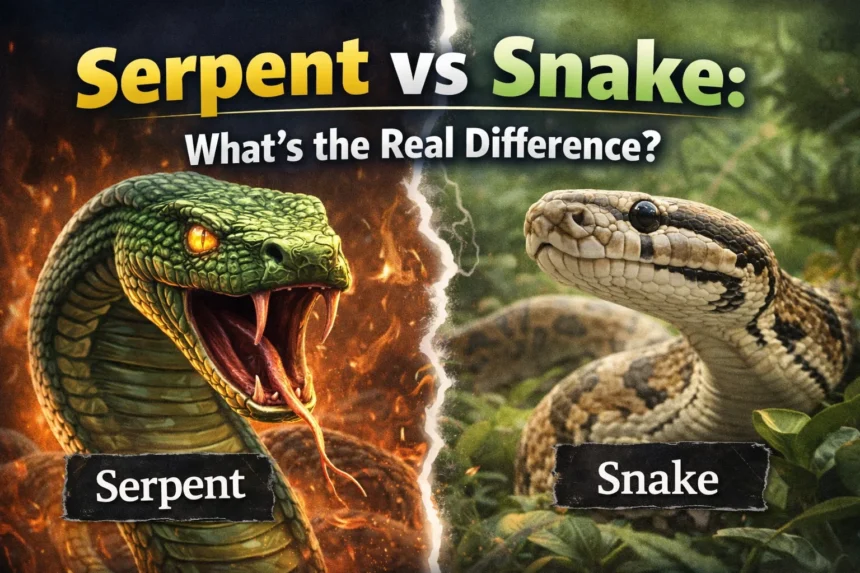

Have you ever wondered what the real difference is between a serpent and snake? For centuries, humans have been fascinated, terrified, and mesmerized by these slithering reptiles. Whether you spot one gliding through the grass in your backyard or read about giant mythical beasts in ancient stories, these creatures capture our imagination.
In this guide, we will explore everything you need to know about the fascinating world of the serpent and snake. We will look at their history, how they live, what they eat, and why they matter to our world today.
Key Takeaways
- The terms serpent and snake are often used interchangeably, but they have different historical and cultural meanings.
- A serpent usually refers to a large, mythical, or highly symbolic snake.
- A snake is the biological, scientific term for the legless reptiles we see today.
- There are thousands of snake species, living in almost every habitat on Earth.
- Snakes play a vital role in our ecosystem by controlling pest populations.
Understanding the Serpent and Snake Connection
When we talk about a serpent and snake, we are generally talking about the same biological animal. However, the way we use the words can change the meaning of the conversation. Let us dive into what makes each term special.
What is a Serpent?
The word serpent comes from older languages. It often brings to mind massive, powerful creatures from ancient myths. When people use this word, they are usually talking about an animal that represents something bigger, like wisdom, danger, or rebirth. You will often see serpents in fantasy books, historical texts, and ancient art.
What is a Snake?
On the other hand, a snake is the modern, everyday word we use. If you are hiking in the woods and see a reptile sliding away under a rock, you call it a snake. Scientists use this term to describe the actual living, breathing reptiles that belong to the suborder Serpentes.
The Biological Differences
Biologically speaking, there is no difference between a serpent and snake. Both refer to long, legless, carnivorous reptiles covered in overlapping scales. They are cold-blooded, meaning they rely on the sun and their environment to stay warm.
|
Feature |
Serpent (Mythological/Historical) |
Snake (Biological) |
|---|---|---|
|
Size |
Often described as giant or monstrous |
Ranges from 4 inches to 30 feet |
|
Traits |
Sometimes breathes fire or talks |
Relies on scent, scales, and venom/constriction |
|
Symbolism |
Good, evil, rebirth, healing |
Pest control, natural predator |
|
Context |
Literature, religion, art |
Science, nature, ecology |
The History Behind the Words
Language is a fascinating thing. The way we talk about the serpent and snake has changed a lot over thousands of years.
Ancient Myths About Serpents
In ancient times, almost every culture had a story about a giant serpent. These creatures were sometimes seen as gods. For example, some ancient societies believed a giant serpent held the world together. Others saw them as guardians of treasure. The shedding of their skin made early humans believe they had the power of eternal life.
How Science Classifies Snakes Today
Today, we use science to understand these animals. Zoologists classify them into different families, like boas, pythons, vipers, and elapids. Instead of looking at them as magical creatures, we study their DNA, their venom, and how they survive in the wild.
Fascinating Habitats
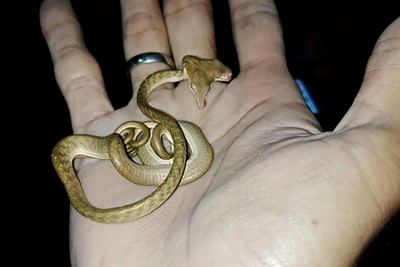
You can find a serpent and snake almost anywhere in the world. The only places they cannot survive are places with extreme cold, like Antarctica, or isolated islands like Ireland and New Zealand.
Where Do They Live in the United States?
In the United States, snakes are incredibly common. They have adapted to survive in many different types of environments.
Deserts and Dry Lands
In places like Arizona and Texas, you will find snakes that love the heat. The rattlesnake is a perfect example. They blend in with the sand and rocks, waiting patiently for their prey. Their tough scales help them keep moisture inside their bodies so they do not dry out in the hot sun.
Forests and Wetlands
If you travel to the southeastern United States, you will find snakes that love water and trees. The cottonmouth, also known as the water moccasin, thrives in swamps and rivers. Meanwhile, rat snakes are excellent climbers and can be found high up in the trees of dense forests.
Diet and Hunting Habits
One of the most interesting things about any serpent and snake is how they eat. They do not have flat teeth for chewing. Instead, they swallow their meals whole!
What Do These Creatures Eat?
All snakes are carnivores. This means they only eat meat. A small snake might eat bugs, worms, or tiny frogs. Larger snakes eat mice, rats, birds, and sometimes even larger mammals like deer.
To catch their food, they use two main methods:
- Constriction: Squeezing the prey until it stops breathing.
- Venom: Injecting a special liquid that paralyzes the prey.
The Role of Venom
When people think of a serpent and snake, they often worry about venom. However, it is important to know that most snakes are completely harmless to humans.
Venomous vs. Non-Venomous
Out of the thousands of snake species in the world, only a small percentage are venomous. In the United States, the most common venomous snakes are rattlesnakes, copperheads, cottonmouths, and coral snakes. Most snakes you encounter in your yard, like garter snakes or king snakes, are non-venomous and are actually great to have around because they eat destructive mice and rats.
Cultural Impact
Even today, the image of the serpent and snake is everywhere. We might not believe in giant dragons anymore, but these creatures still hold a special place in our culture.
Symbolism in Modern Times
You can find the symbol of a serpent on ambulances and hospitals. This symbol, called the Rod of Asclepius, represents healing and medicine. It shows that even though some people fear them, snakes are also deeply respected.
Conclusion
Understanding the true nature of the serpent and snake helps us appreciate these amazing animals. They are not just the scary monsters from old stories; they are important parts of our natural world. By learning about their habits, their habitats, and their benefits to the ecosystem, we can learn to live safely alongside them. The next time you see one, you will know exactly what makes it so incredible!
Frequently Asked Questions (FAQs)
What is the main difference between a serpent and snake?
There is no biological difference. Serpent is usually a historical or literary word used to describe large or mythical snakes, while snake is the everyday and scientific term.
Are all snakes dangerous?
No. The vast majority of snakes are non-venomous and naturally avoid humans. They are actually very helpful because they eat pests.
How long can a snake live?
It depends on the species. Some small snakes live only a few years, while large snakes like pythons can live for 20 to 30 years in captivity.
Do snakes really hypnotize their prey?
No, that is a myth. Snakes do not have eyelids, so they cannot blink. This makes it look like they are staring intensely, which led to the myth of them hypnotizing animals.
To explore even more scientific details and historical facts about the biology and cultural impact of the serpent and snake, you can read further on https://www.wikipedia.org/.



