





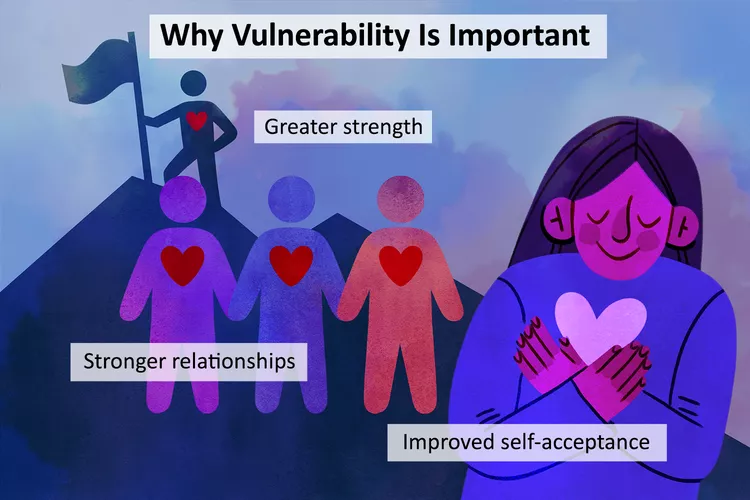

Opening up to others takes a massive amount of courage. When you allow yourself to be seen without a shield, you step into a space that feels risky but holds incredible potential for connection. Many people grow up believing that hiding their true feelings keeps them safe from harm. However, emotional walls often do more to isolate us than protect us. Exploring the concept of being vulnerable reveals that sharing our authentic selves is a fundamental human need.
In this comprehensive guide, we will break down the psychological, emotional, and social dimensions of vulnerability. You will learn why this trait is frequently misunderstood and how you can harness it as a tool for immense personal growth. By shifting your perspective, you can transform moments of uncertainty into opportunities for profound strength and deeper relationships. We will explore everything from everyday interactions to workplace dynamics, giving you a complete picture of how emotional openness shapes our lives.
Key Takeaways
- Being vulnerable means opening yourself up to emotional exposure and uncertainty, which is a core component of human connection.
- Emotional openness is often mistaken for weakness, but psychological research shows it requires significant courage and inner strength.
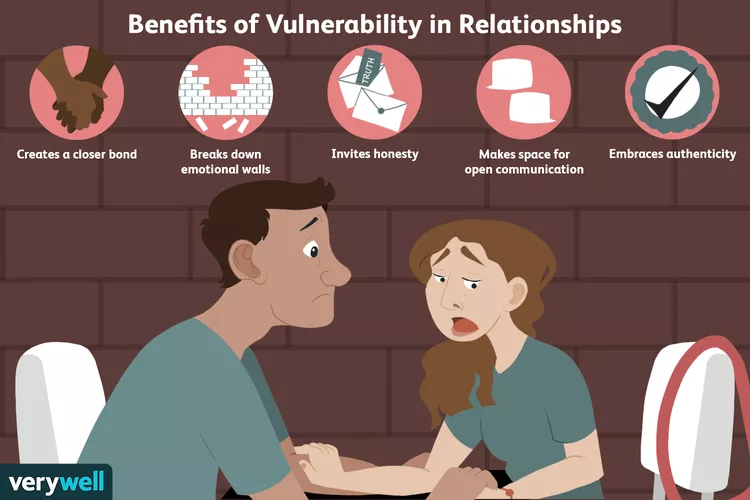
- Practicing healthy emotional sharing improves relationships by fostering deep trust and authentic communication.
- Setting boundaries is essential; sharing your feelings safely means knowing who to trust and when to protect your emotional energy.
- Embracing your true feelings can significantly reduce stress and improve long-term mental health outcomes.
Read more: Complete Guide to Family Fun at Celebration Station
The True Definition of Being Vulnerable
Defining this complex human experience requires looking beyond simple dictionary terms. At its core, being vulnerable involves stepping into situations where the outcome is entirely unknown and you have no control over how others will react. This emotional exposure happens when you express your true thoughts, share your hidden fears, or ask for help when you are struggling. It means taking off the protective masks we all wear to navigate society. When you expose your authentic self, you risk judgment, rejection, or misunderstanding.
Yet, this exact risk is what makes the experience so valuable. Without the willingness to face potential hurt, we block ourselves from experiencing true joy, deep love, and genuine belonging. Living an open life means accepting that pain is a possibility, but deciding that the reward of authentic connection is worth the risk. By embracing this uncertainty, we allow ourselves to experience life in full color, rather than playing it safe and missing out on meaningful interactions.
Psychological Perspectives
Psychologists have spent decades studying how emotional exposure impacts the human brain and our overall well-being. From a clinical standpoint, being vulnerable is tied to emotional regulation and resilience. When you suppress your emotions to avoid feeling exposed, your brain actually works overtime, leading to increased stress and anxiety. Psychologists suggest that leaning into emotional risks helps desensitize us to fear over time.
By repeatedly facing situations where we feel exposed, we train our brains to handle uncertainty better. This builds a psychological framework of resilience. Furthermore, studies show that individuals who regularly practice emotional openness report higher levels of self-esteem and life satisfaction. They do not rely on external validation to feel worthy, because they have already accepted their own flaws and imperfections. This psychological acceptance is a powerful mechanism for overcoming trauma and navigating the natural ups and downs of human existence.
Emotional Vulnerability Explained
Emotional exposure is perhaps the most common and difficult form of openness we encounter. This specific type of openness happens when we share our deepest feelings, whether they are positive or negative. Saying “I love you” first, admitting you made a mistake, or crying in front of a friend are all prime examples. Emotional openness requires us to sit with uncomfortable feelings like shame, grief, or fear without rushing to fix them or push them away.
When you allow yourself to be emotionally open, you give others permission to do the same. This creates a ripple effect of honesty and empathy. Many people struggle with this because they fear their emotions are a burden to others. However, shared emotions are the glue that holds communities and relationships together. By acknowledging your emotional state and communicating it clearly, you build a bridge between your inner world and the people who care about you.
Why Society Misunderstands Vulnerability
For generations, culture has conditioned us to view emotional openness through a lens of judgment and skepticism. We are often taught to “tough it out,” keep our chins up, and never let them see us sweat. This societal conditioning frames emotional exposure as a character flaw or a liability. In many cultures, success is equated with stoicism, independence, and an unbreakable exterior. Consequently, when someone expresses that they are feeling vulnerable, they are often met with awkwardness or unwarranted advice rather than simple empathy.
This misunderstanding creates a culture of silence where people suffer alone rather than reaching out for support. We see this in schools, workplaces, and families, where individuals hide their struggles out of fear of being labeled incompetent or overly emotional. Breaking down this societal misunderstanding requires active unlearning. We must challenge the narratives that tell us independence means never needing anyone, and redefine strength to include the courage it takes to ask for a helping hand.
Myths vs. Reality
There are several persistent myths surrounding emotional openness that need to be dismantled. The most common myth is that being open equates to being fragile or easily broken. In reality, it takes massive emotional endurance to remain open in a world that often encourages us to shut down. Another myth is that you must share everything with everyone to be truly authentic.
Reality dictates that healthy openness involves discernment and boundaries. You do not need to broadcast your deepest traumas to strangers to live an authentic life. Another pervasive myth is that emotional exposure is something you can eventually outgrow or “fix.” The truth is that as long as we care about things and people, we will always face moments of uncertainty. Recognizing these myths helps us approach our feelings with logic and self-compassion, rather than judging ourselves based on false societal standards.
|
Common Myth |
The Actual Reality |
|---|---|
|
It means you are weak and fragile. |
It requires immense courage and inner strength. |
|
You must tell everyone your secrets. |
It requires boundaries and trusting the right people. |
|
It is only about sharing sad emotions. |
It also includes sharing joy, love, and bold ideas. |
|
You can eventually outgrow it completely. |
It is a lifelong part of caring and connecting. |
The Stigma We Carry
The stigma surrounding emotional openness often stems from early childhood experiences and inherited family patterns. If you grew up in an environment where emotions were dismissed or mocked, you likely learned to equate emotional sharing with danger. This learned behavior turns into a heavy stigma that we carry into adulthood, affecting our friendships, romantic partnerships, and professional lives.
Overcoming this stigma involves recognizing the physical and emotional toll of holding everything inside. The energy it takes to maintain a perfect facade is exhausting. Releasing this stigma requires self-compassion and patience. It means forgiving yourself for the times you closed off to protect yourself, and gently encouraging yourself to take small emotional risks now. As we collectively work to normalize these conversations, the stigma loses its power, making room for more genuine, supportive communities.
The Emotional Aspects of Feeling Vulnerable
The sheer weight of feeling emotionally exposed can trigger a wide range of physical and mental reactions. When we step into a space of uncertainty, our bodies often react as if we are facing a physical threat. Your heart might race, your palms might sweat, and your mind might race with worst-case scenarios. This happens because our brains are hardwired to protect us from pain, and social rejection registers in the brain very similarly to physical pain.
However, learning to navigate these intense emotional aspects is essential for growth. When we stop running from the discomfort, we start to understand ourselves on a much deeper level. We discover what triggers our defenses and what makes us feel safe. This self-awareness allows us to communicate our needs more effectively. Instead of lashing out in anger or shutting down in fear, we can articulate our feelings calmly. This mastery over our emotional landscape transforms uncertainty from a source of panic into a source of profound self-discovery.
Navigating Fear and Anxiety
Fear and anxiety are the most immediate companions to emotional exposure. When you are about to share something deeply personal, the fear of judgment can feel paralyzing. Anxiety whispers that you will be mocked, abandoned, or misunderstood. Navigating this requires a strong anchor in the present moment. Mindfulness techniques, such as deep breathing and grounding exercises, can help calm the nervous system when fear threatens to take over.
It is helpful to acknowledge the anxiety without letting it dictate your actions. You can say to yourself, “I feel terrified right now, and I am going to share my feelings anyway.” This separates your identity from the emotion. Anxiety wants you to believe that avoiding the situation will keep you safe, but avoiding it only reinforces the fear. Pushing through the discomfort, even with a shaking voice, builds undeniable confidence and proves to your brain that you can survive emotional exposure.
Embracing Authentic Emotions
Embracing your true, unfiltered emotions is a cornerstone of living an open life. We often filter our feelings to make them more palatable for others. We smile when we are hurting, or we act indifferent when we actually care deeply. Embracing authenticity means dropping the act and letting your emotions exist exactly as they are. If you are sad, allow yourself to grieve. If you are ecstatic, let yourself celebrate without downplaying your joy.
This practice requires significant self-reflection. You must first figure out what you are actually feeling, which can be surprisingly difficult if you are used to numbing your emotions. Journaling, therapy, and quiet contemplation can help you reconnect with your authentic emotional state. When you start living in alignment with your true feelings, you attract people and opportunities that resonate with the real you. This creates a life that feels deeply fulfilling and grounded in truth.
Social Vulnerability in Daily Life
Our daily interactions provide countless opportunities to practice emotional openness. Social situations are inherently unpredictable, making them the perfect training ground for navigating uncertainty. Whether you are meeting someone new, speaking up in a group setting, or apologizing for a mistake, you are putting yourself out there. Social openness is about showing up and letting yourself be seen, even when you cannot guarantee a positive reception.
People who embrace this concept socially tend to form faster and deeper connections. They make others feel comfortable because they do not project an aura of unapproachable perfection. By admitting a harmless flaw or sharing a relatable struggle, you give others the green light to relax and be themselves. This dynamic shifts everyday conversations from superficial small talk to meaningful dialogue, enriching your daily life and building a strong, supportive social network.
Building Stronger Connections
Strong, lasting connections are built on a foundation of mutual honesty and emotional risk. When one person takes the leap to share something real, it invites the other person to do the same. This reciprocal sharing deepens the bond between friends, family members, and partners. Without this element of risk, relationships remain surface-level and easily broken by conflict.
To build stronger connections, you must be willing to initiate the deeper conversations. Ask meaningful questions and listen actively without planning your response. Share your own experiences, especially the ones that did not end perfectly. When people see that you are comfortable with your own imperfections, they feel safer bringing their own flaws to the table. This shared humanity creates a resilient bond that can withstand life’s inevitable challenges and disagreements.
The Role of Trust in Relationships
Trust and emotional exposure exist in a symbiotic relationship. You need a certain level of trust to open up, but opening up is also what builds trust in the first place. It is a delicate dance of giving and receiving. Trust is built in small, everyday moments. It is established when someone listens to your fears without mocking them, or when they keep your confidence after you share a secret.
When trust is broken, the instinct is to build massive walls and never let anyone in again. However, repairing trust requires even more emotional courage. It requires expressing how you were hurt and being willing to give the relationship another chance. Healthy relationships prioritize creating an environment where both parties feel safe expressing their needs and boundaries, ensuring that trust continues to grow over time.
Vulnerability as a Hidden Strength
Reframing emotional exposure as a hidden strength completely changes how we navigate life’s challenges. When we stop viewing it as a weakness, we unlock a powerful tool for resilience and leadership. Strength is not the absence of fear; it is the willingness to act in the face of fear. The people we admire most—innovators, activists, artists, and leaders—are often those who took massive emotional risks to share their vision with the world.
Operating from a place of open authenticity allows you to bounce back from failure much faster. Because you are not tying your self-worth to a facade of perfection, a setback does not destroy your identity. You can admit, “I failed at this, but I am still a worthy person.” This perspective keeps you moving forward. Recognizing this hidden strength empowers you to tackle bigger challenges and live a more expansive, adventurous life.
Courage in Everyday Actions
Courage does not always look like grand, heroic gestures. More often, it looks like small, quiet moments of honesty in our everyday lives. It is the courage to say “I don’t know” when asked a question, rather than pretending to have all the answers. It is the bravery to ask for an extension on a project when you are overwhelmed, or to tell a friend that their joke hurt your feelings.
These everyday actions accumulate over time, building a character defined by integrity and authenticity. When you consistently choose honesty over comfort, you train yourself to be courageous. This daily practice makes it much easier to handle the major, life-altering moments of uncertainty when they inevitably arise. Acknowledging these small acts of bravery helps you appreciate your own growth and resilience.
Fostering Personal Growth
Personal growth is impossible without stepping into the unknown. If you only ever do what is comfortable and safe, you will remain stagnant. Growth requires stretching beyond your current capabilities, which inherently makes you feel exposed and uncertain. Whether you are learning a new skill, starting a new career path, or entering a new relationship, you have to be willing to be a beginner.
Being a beginner means making mistakes, asking basic questions, and looking foolish sometimes. Embracing this phase of growth accelerates your learning process. Instead of hiding your mistakes, you can analyze them and learn from them. This open approach to self-improvement fosters a growth mindset, where challenges are viewed as opportunities to expand your abilities rather than threats to your ego.
How to Practice Being Vulnerable Safely
While emotional openness is crucial for connection, doing it safely is equally important. You do not owe everyone your deepest secrets or your emotional energy. Practicing healthy openness means engaging with your emotions in a way that respects your own boundaries and well-being. It involves assessing the situation, understanding your own limits, and choosing the right moments to share.
Safe emotional sharing requires self-awareness. You must know what you are comfortable discussing and what topics are still too raw. It also involves observing how others respond to your initial, smaller disclosures. If someone responds with empathy and respect, they earn the right to hear more of your story. If they respond with judgment or gossip, you learn that they are not a safe person for deeper emotional sharing.
Setting Healthy Boundaries
Boundaries are the protective framework that makes emotional exposure possible and safe. Without boundaries, sharing everything can lead to emotional exhaustion and resentment. Setting a healthy boundary means clearly defining what you are willing to accept and what you are not. For example, you might choose to share your struggles with anxiety with a close friend, but set a boundary that you do not want unsolicited advice—you just want them to listen.
Communicating these boundaries clearly helps others know how to support you. It also protects you from oversharing in moments of panic or desperation. A crucial part of setting boundaries is learning to say no without feeling guilty. By protecting your emotional energy, you ensure that when you do choose to open up, it comes from a place of genuine desire for connection, rather than obligation or pressure.
Recognizing Safe Spaces
Identifying safe spaces and safe people is a vital skill. A safe space is an environment where you feel respected, heard, and free from harsh judgment. This could be a therapy office, a support group, or simply the living room of a trusted friend. Safe people demonstrate consistent empathy, respect your boundaries, and do not use your personal information against you later.
To recognize a safe person, pay attention to how they treat others. Do they gossip about mutual friends? Do they dismiss people’s feelings? If so, they are likely not a safe place for your emotions. Look for individuals who validate your experiences and offer support without trying to immediately “fix” you. Cultivating a circle of safe people gives you a reliable support system when you need to let your guard down.
Knowing When to Step Back
Just as it is important to know when to open up, it is crucial to know when to step back and protect yourself. There are situations where emotional exposure is not appropriate or safe. For example, in a highly toxic work environment, oversharing personal struggles might be used against you. Similarly, if you are interacting with someone who consistently violates your boundaries, the healthiest choice is to pull back.
Stepping back is not the same as building permanent walls. It is a strategic retreat to protect your well-being in a specific situation. It shows high emotional intelligence to assess a dynamic and decide that your inner world needs protecting right now. Give yourself permission to keep certain things private until you feel truly secure and ready to share.
The Impact of Vulnerability on Mental Health
The connection between emotional openness and long-term mental health is profound. Keeping emotions bottled up requires a tremendous amount of psychological energy. Over time, this emotional suppression can lead to burnout, depression, and severe anxiety. When you finally allow yourself to feel exposed and share your internal struggles, you release a significant mental burden.
Therapy itself is built entirely on the premise of emotional exposure. A therapist provides a guided, safe environment for you to explore the thoughts and feelings you usually hide. Through this process, individuals learn to process trauma, manage anxiety, and develop healthier coping mechanisms. Embracing this openness in your personal life mirrors the therapeutic process, leading to greater emotional stability, a more positive self-image, and a deeper sense of inner peace.
Reducing Stress Through Openness
Chronic stress is often exacerbated by the pressure to maintain a perfect image. When you are constantly worried about how others perceive you, your body stays in a state of hyper-vigilance. Opening up about your imperfections and struggles acts as a pressure release valve. Admitting that you are overwhelmed, tired, or unsure immediately removes the burden of pretending everything is fine.
Sharing your stress with others also opens the door for collaborative problem-solving. When people know you are struggling, they can offer tangible help or emotional support. Furthermore, verbalizing your stress helps your brain process it more logically. What feels like an insurmountable problem in your head often becomes much more manageable when spoken out loud to a supportive listener.
Overcoming Emotional Blockages
Emotional blockages occur when we suppress specific feelings—like grief, anger, or shame—for so long that they become trapped, affecting our daily behavior. These blockages prevent us from experiencing joy and forming deep connections. Overcoming them requires leaning directly into the discomfort we have been avoiding. It requires facing the raw emotion head-on.
This process is highly challenging but deeply rewarding. By allowing yourself to feel the suppressed emotion without judgment, you process it and allow it to pass through you. Techniques like expressive writing, art therapy, and deep-dive conversations with trusted individuals can help dislodge these blockages. As you clear out suppressed emotions, you make room for more positive, life-affirming experiences, fundamentally shifting your mental health trajectory.
Vulnerability in Leadership and the Workplace
The professional world is traditionally viewed as a place where emotions should be left at the door. However, modern workplace dynamics are shifting rapidly. Companies are realizing that robotic, unfeeling leadership leads to high turnover and low morale. Employees want to work for people who are authentic, relatable, and honest. Embracing emotional openness in leadership transforms workplace culture from a rigid hierarchy into a collaborative community.
When leaders admit their mistakes or share their uncertainties, it humanizes them. It shows employees that perfection is not the expectation, but honest effort and learning are. This environment encourages innovation because employees are not terrified of making a wrong move. They feel safe pitching bold ideas and reporting problems early, rather than hiding issues until they become disasters.
Leading with Empathy
Empathetic leadership requires a high degree of emotional intelligence and openness. A leader who leads with empathy actively tries to understand the emotional and practical realities of their team members. This means listening without interrupting, validating concerns, and being transparent about company challenges. When a leader says, “I know this transition is stressful, and I am feeling it too,” it validates the team’s experience.
Leading with empathy also involves taking accountability when things go wrong. Instead of shifting the blame, an empathetic leader absorbs the responsibility and focuses on solutions. This builds immense loyalty and respect. Employees are much more willing to go the extra mile for a leader who treats them as whole human beings rather than just cogs in a machine.
Creating a Supportive Team Culture
A supportive team culture does not happen by accident; it is built through intentional, open communication. Teams that practice healthy emotional sharing are more cohesive and productive. They can navigate conflicts without damaging relationships because they assume good intentions and communicate honestly. Creating this culture starts with establishing psychological safety—the belief that you will not be punished or humiliated for speaking up.
Managers can foster this by modeling open behavior, celebrating learning moments (even failures), and checking in on their team’s well-being regularly. Team-building exercises that focus on shared values and communication styles can also help break down barriers. When a team operates with psychological safety, they collaborate more effectively, support each other through heavy workloads, and achieve better overall results.
Teaching Vulnerability to Future Generations
If we want to build a more compassionate, connected society, we must change how we teach emotional expression to children. Kids naturally experience intense emotions, but they quickly learn how to hide them based on the reactions of the adults around them. If they are told to “stop crying” or “toughen up,” they internalize the message that their feelings are wrong.
Teaching children to embrace their emotions sets them up for a lifetime of healthy relationships and strong mental health. It equips them with the emotional vocabulary needed to articulate their needs and resolve conflicts peacefully. This generational shift requires adults to do their own emotional work, so they can guide children with patience and understanding, rather than projecting their own learned stigmas onto the next generation.
Modeling Openness for Children
Children learn far more from what we do than from what we say. If you want a child to feel comfortable sharing their feelings, you must model that behavior yourself. This means letting children see you experience appropriate emotions. If you are sad about a loss, it is okay to let a child see you cry and explain, “I am feeling sad today, and crying helps me feel better.”
Modeling also means apologizing when you lose your temper or make a mistake. Saying, “I am sorry I yelled; I was feeling frustrated, but I should not have taken it out on you,” teaches children accountability and emotional regulation. When children see adults navigating emotions openly and responsibly, they learn that feelings are a natural, manageable part of life, rather than something to be feared and hidden.
Creating Emotionally Safe Environments
Whether in a classroom or a home, the environment dictates how comfortable a child will feel expressing themselves. An emotionally safe environment is one where feelings are validated rather than dismissed. When a child says they are scared of the dark, responding with, “There is nothing to be scared of” invalidates their experience. Responding with, “I understand the dark can seem scary; let’s leave a light on,” validates the emotion while offering support.
Creating these environments involves active listening, setting clear but gentle boundaries, and offering unconditional positive regard. Children need to know that your love or approval is not contingent on them being happy or perfect all the time. By providing a secure base, you give them the confidence to explore the world, make mistakes, and come back to a safe harbor to process their experiences.
FAQs About Being Vulnerable
What is an example of being vulnerable?
A common example is admitting to a friend or partner that you are struggling with a mental health issue. Other examples include asking for a promotion at work, saying “I love you” without knowing if the other person will say it back, or apologizing for a mistake you made.
Does being vulnerable mean crying in front of people?
It can include crying, but it is much broader than that. It is about emotional honesty. You can be emotionally open while calmly stating your needs, sharing a bold creative idea, or expressing deep joy. Crying is just one physical expression of deep emotion.
How do I stop feeling so exposed and scared?
You cannot completely eliminate the fear, but you can manage it. Start by taking small emotional risks with people you trust deeply. As you experience positive outcomes, your brain will slowly learn that emotional exposure is not a life-threatening danger, and the intense fear will decrease.
Can emotional openness be used against me?
Yes, unfortunately, if you share personal information with toxic or manipulative people, they may use it against you. This is why setting boundaries and carefully choosing who you trust (finding “safe people”) is an essential part of healthy emotional expression.
Why is it so hard for some people to open up?
Many people find it difficult due to childhood trauma, societal conditioning, or past experiences of betrayal. If someone was punished or mocked for showing emotion in the past, their brain creates a strong defensive wall to prevent that pain from happening again.
Conclusion
Embracing the state of being vulnerable is a transformative journey that touches every aspect of our lives. It is the bridge between isolation and deep, meaningful connection. While the risks of emotional exposure—fear, judgment, and rejection—are real, the rewards far outweigh them. By tearing down the walls we build to protect ourselves, we allow genuine love, empathy, and joy to enter our lives. We have explored how psychological resilience, social connections, and even workplace leadership all thrive on a foundation of authentic emotional expression.
As you move forward, remember that you do not have to conquer your fears all at once. Start small. Share a genuine thought with a friend, ask for help when you need it, or simply allow yourself to feel an emotion without trying to fix it immediately. Over time, these small acts of courage will build a life defined by truth and connection rather than fear and hiding.
The path to a fulfilled life requires us to show up entirely as we are, and taking that leap is the most powerful thing you can do for your personal growth. For further exploration on how different species and systems experience exposure to risk and harm in a broader scientific context, you can read more about what it means to be vulnerable across various disciplines.



