
Have you ever wondered what happens behind the scenes when you flip a light switch? We expect the lights to turn on immediately. But keeping the power flowing takes a lot of hard work, planning, and money.
This post will guide you through the current state of our power grid. We will look at how severe weather, aging equipment, and new technologies affect the electricity we use every day. By following the latest grid reliability news, you can understand the challenges our energy systems face and how experts are fixing them.
Key Takeaways:
- The power grid faces new challenges from extreme weather and older equipment.
- Upgrading to “smart grids” helps prevent long power outages.
- Renewable energy sources like solar and wind require large batteries to keep power steady.
- Following grid reliability news helps you prepare for local energy changes.
Read more: The Ultimate Guide to Andy Cohen Net Worth and His Rise to Stardom
What Is the Power Grid and Why Does It Matter?
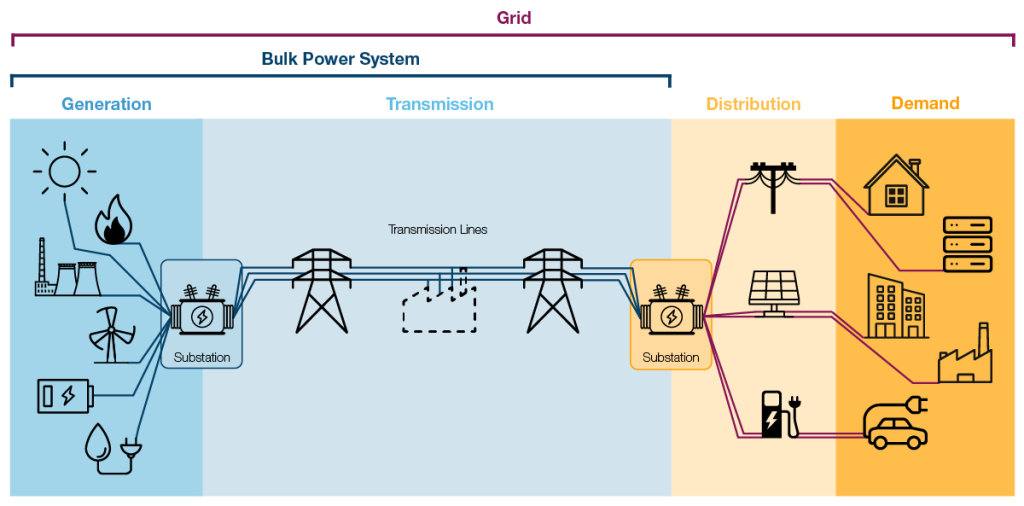
The power grid is a massive network that carries electricity from power plants to your home. It includes wires, poles, transformers, and control centers. Think of it as a giant highway system, but instead of cars, it moves energy.
When the grid works perfectly, you never notice it. However, when parts of the system break down, it can cause massive blackouts. Keeping this network stable is essential for hospitals, schools, businesses, and homes. Without a reliable grid, modern life simply comes to a halt.
The Basics of Electricity Delivery
Electricity travels a long way before it reaches your favorite gadgets. First, power plants generate electricity using coal, natural gas, nuclear power, wind, or the sun. Next, large transformers step up the voltage so the electricity can travel long distances over high-voltage transmission lines.
Once the power reaches your town, local substations lower the voltage. Finally, smaller distribution lines carry the safe, lower-voltage electricity right to your neighborhood. Every step must work flawlessly. If one part fails, the whole system feels the impact.
Why We Need Reliable Power Now More Than Ever
Our lives depend on electricity more than at any point in history. We use it to charge our phones, heat our homes, and run our internet routers. In recent years, more people have also started driving electric cars, which adds even more demand to the system.
Because we rely so heavily on continuous power, maintaining grid stability is a top priority. When you read the latest grid reliability news, you quickly see that experts are racing to upgrade our systems. They want to make sure the grid can handle all these new electronic devices and electric vehicles without failing.
Breaking Down the Latest Grid Reliability News
If you look at the headlines, you will see many stories about the power grid. A major focus of recent grid reliability news is how unpredictable weather patterns put extra stress on our electrical infrastructure. From freezing cold snaps to boiling heatwaves, nature constantly tests our energy networks.
Weather Events and Power Outages
Mother Nature does not always cooperate with power companies. High winds can knock down power lines, and lightning can strike crucial transformers. As weather patterns become more extreme, power grid operators have to prepare for the worst.
Winter Storms and Freezing Grids
Winter storms cause unique problems for the power grid. Heavy ice can weigh down power lines until they snap. Even worse, extremely cold temperatures can freeze the equipment at power plants. When natural gas pipelines freeze, power plants cannot generate enough electricity to keep homes warm. This leads to dangerous rolling blackouts.
Summer Heatwaves and Energy Spikes
Summer heatwaves present a completely different set of challenges. When temperatures soar, millions of people turn their air conditioners on at the exact same time. This sudden spike in demand can overload the grid. If power plants cannot produce enough energy to match the demand, the grid can overheat and shut down to protect itself.
Key Factors Affecting Our Electrical Grid
Aside from the weather, several other major issues impact the stability of our electricity. Power grid operators must juggle aging equipment, the shift toward green energy, and the rise of digital threats.
Aging Infrastructure
Much of the equipment used to deliver our electricity is decades old. Some power lines and transformers were built over fifty years ago. Like an old car, an old power grid breaks down more often and needs more repairs. Replacing these ancient parts is incredibly expensive and takes a lot of time, but it is necessary to prevent widespread outages.
The Shift to Renewable Energy
The world is slowly moving away from fossil fuels and toward clean, renewable energy. While this is great for the environment, it makes managing the power grid a bit tricky. The wind does not always blow, and the sun does not always shine. Grid operators must figure out how to keep the power flowing smoothly even when renewable sources take a temporary dip.
Cybersecurity Threats
Because our power grid relies heavily on computers and the internet, it is vulnerable to digital attacks. Hackers try to find weak spots in the software that controls the grid. Protecting the system from these cyber threats is a massive priority for national security.
|
Threat Type |
How It Impacts the Grid |
Prevention Strategy |
|---|---|---|
|
Physical Damage |
Trees falling on lines, animal interference, or severe weather breaking equipment. |
Regular tree trimming, upgrading line strength, and moving lines underground. |
|
Overloading |
Too much power demand at one time causes system failures. |
Asking the public to save energy, building backup power plants. |
|
Cyber Attacks |
Hackers disrupting the software that controls electricity flow. |
Upgrading software security, constant network monitoring. |
How Operators Are Improving Grid Reliability
To combat these challenges, energy companies are spending billions of dollars to modernize the grid. They are installing new hardware and using advanced software to track power flow in real-time.
Upgrading Power Lines and Transformers
One of the simplest ways to fix the grid is by replacing old wires and transformers with newer, stronger versions. In some areas, companies are burying power lines underground. Underground lines are safe from wind, ice, and falling trees, which drastically reduces power outages during severe storms.
Smart Grid Technologies
The future of electricity delivery lies in the “smart grid.” A smart grid uses digital communication technology to detect and react to local changes in usage. If a tree falls on a line, a smart grid can automatically reroute power around the broken section.
What Is a Smart Grid?
A smart grid is basically a power grid that can think for itself. It uses sensors placed all along the power lines to gather data. This data goes back to a central control room, allowing operators to see exactly where problems are happening the second they occur.
Benefits of Smart Meters
Many homes now have smart meters installed on the outside walls. Unlike old meters that only measure how much power you use in a month, smart meters communicate with the power company every few minutes. They help companies find outages quickly and let homeowners see exactly when they use the most electricity.
The Role of Renewable Energy in Grid Stability
Adding wind and solar power to the grid is a major topic in grid reliability news. While clean energy is vital for our future, we must change how we manage the grid to support it.
Solar Power Integration
Solar panels produce plenty of energy during the middle of the day. However, power demand usually peaks in the early evening, right as the sun goes down. Power companies have to quickly turn on other types of power plants to make up for the loss of solar energy as evening approaches.
Wind Energy Challenges and Triumphs
Wind energy is powerful and clean, but it can be unpredictable. Sometimes the wind blows hardest in the middle of the night when people are sleeping and demand is low. To make the most of wind energy, we need better ways to transport that power from windy rural areas to busy cities.
Battery Storage Solutions
The best way to solve the puzzle of renewable energy is through massive battery storage systems. Giant batteries can charge up using solar power during the day or wind power at night. Then, when the grid needs extra energy, the batteries can discharge that stored power instantly. Expanding battery storage is a huge step toward a reliable, green power grid.
Policy Changes and Grid Reliability News
Government leaders and lawmakers play a big part in keeping our electricity flowing. They create rules that power companies must follow and provide money to help pay for massive grid upgrades.
Government Funding and Grants
Upgrading the power grid costs hundreds of billions of dollars. To help cover these massive costs, governments often provide grants and special funding to energy companies. This money helps build new transmission lines, install huge battery parks, and improve cybersecurity defenses.
New Regulations for Power Companies
Lawmakers frequently pass new rules requiring power companies to meet strict reliability standards. For example, some regions now legally require power plants to weatherize their equipment. This means they must insulate pipes and protect sensitive machinery so that power plants do not freeze during brutal winter storms.
What You Can Do During a Power Outage
Even with all these upgrades, power outages will still happen occasionally. Being prepared can keep you and your family safe and comfortable until the lights come back on.
Preparing an Emergency Kit
Every home should have a basic emergency kit ready to go. Here are a few essential items you should include:
- Flashlights and extra batteries
- A battery-powered or hand-crank radio
- Bottled water and non-perishable food
- Blankets and warm clothing
- A portable phone charger or power bank
Energy Conservation Tips
When the grid is stressed—like during a major heatwave—your power company might ask you to conserve energy. You can help prevent a blackout by:
- Turning up your thermostat a few degrees in the summer.
- Delaying the use of large appliances, like dishwashers and dryers, until the late evening.
- Turning off lights and unplugging electronics when you are not using them.
Frequently Asked Questions (FAQ)
What is grid reliability?
Grid reliability refers to the ability of the power grid to deliver uninterrupted electricity to homes and businesses, even during times of high demand or severe weather.
Why are power outages becoming more common?
Power outages are often caused by a combination of extreme weather events, aging equipment, and sudden spikes in electricity demand.
How does a smart meter help with grid reliability?
Smart meters send instant data to your power company. If your power goes out, the smart meter alerts the company immediately, helping them fix the problem much faster.
Are electric vehicles overloading the power grid?
As more people buy electric vehicles, the demand for power goes up. However, if owners charge their cars at night when overall power demand is low, the grid can handle it easily.
Conclusion
Understanding the modern power grid can seem complicated at first. Between aging wires, wild weather, and the transition to renewable energy, maintaining our electricity takes incredible coordination. By following grid reliability news, you stay informed about the changes happening in your own community and understand why your energy bill or services might fluctuate.
As technology improves, we will see smarter grids and massive battery storage systems solve many of today’s challenges. In the meantime, practicing energy conservation and keeping an emergency kit handy will help you handle any bumps in the road. For more detailed information on how experts are protecting our critical infrastructure from modern threats, you can read about Electrical grid security in the United States.