




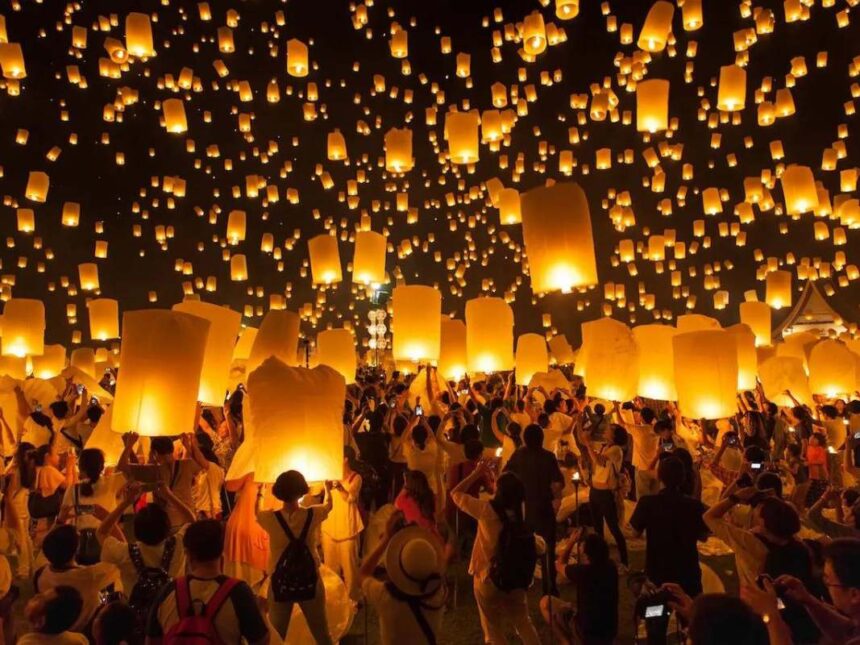

Celebrations around the world give us a unique window into the heart of different cultures. Every country has its own way of marking special moments, whether it is welcoming a new season or honoring ancient spirits.
Here’s the thing about human nature: we love a good reason to gather, eat, and party. These global festivals show us how connected we truly are, even if our traditions look completely different.
To be honest, reading about these events usually sparks a serious case of wanderlust. Let’s look at some of the most fascinating cultural events that bring people together across the globe.
Introduction to global festivities
Humans have been throwing epic parties for thousands of years. Early festivals usually revolved around farming seasons, like harvest times or the arrival of spring rain.
Today, celebrations around the world still honor these ancient roots. But they have also evolved into massive, city-wide events that attract millions of visitors.
What’s interesting is how many of these events share similar themes. Light, food, music, and family are almost always the main ingredients for a great holiday.
Light and life: Diwali in India
When it comes to massive celebrations around the world, Diwali is easily one of the brightest. This ancient Hindu festival of lights usually falls between October and November.
Millions of people light small clay lamps outside their homes. The glow symbolizes the victory of light over darkness and good over evil.
Background of the festival of lights
Diwali lasts for five days, and each day has its own special meaning and rituals. Families spend weeks cleaning their homes to welcome Lakshmi, the goddess of wealth and prosperity.
It is a time for fresh starts. People buy new clothes, exchange gifts, and share boxes of rich, colorful sweets with their neighbors.
Key details you should know
Firework displays are a massive part of the event. The night sky in major Indian cities completely lights up during the main night of the festival.
Intricate floor designs made of colored powder or sand, known as rangoli, are placed near entrances to bring good luck.
Colors and rhythm: Carnival in Brazil
If you want to experience the loudest and most colorful celebrations around the world, you need to head to Rio de Janeiro. Carnival is a massive party that takes place just before the Catholic season of Lent.
For nearly a week, the streets of Brazil transform into a sea of music, dancing, and giant parade floats.
The history behind the party
The roots of Carnival go back to European traditions where people feasted before starting 40 days of fasting. When the tradition reached Brazil, it mixed with African and Indigenous cultures.
This blend created something entirely new and incredibly energetic. Today, it is recognized globally as the ultimate street party.
The role of samba schools
The heart of Rio’s Carnival is the samba parade. Local community groups, called samba schools, spend an entire year building giant floats and sewing thousands of costumes.
They compete in the Sambadrome, a massive stadium built specifically for this event. The energy is absolutely electric from start to finish.
Honoring the departed: Day of the Dead in Mexico
Many celebrations around the world focus on the living, but Mexico’s Día de los Muertos honors those who have passed away. Held on November 1st and 2nd, it is a beautiful, deeply emotional holiday.
Despite the name, it is not a sad or scary event. It is a joyful family reunion where the guests of honor are deceased ancestors.
Understanding Día de los Muertos
The core belief behind this holiday is that the gates of heaven open at midnight on October 31st. Spirits can then rejoin their living families for 24 hours.
Families gather in graveyards to clean tombs, sing songs, and share stories about their grandparents and great-grandparents.
Ofrendas and marigolds
People build beautiful altars, or ofrendas, in their homes. They fill these altars with photos, sugar skulls, and the favorite foods of the departed.
Bright orange marigold flowers are scattered everywhere. Tradition says the strong scent of the flowers helps guide the spirits home.
Springtime splashes: Songkran in Thailand
Looking for the wettest celebrations around the world? Look no further than Songkran. This is the Thai New Year festival, happening every April.
April is the hottest month in Thailand, making this festival the perfect way to cool down.
The world’s biggest water fight
Songkran originally involved gently pouring scented water over the hands of elders for good luck. Today, it has turned into a massive, nationwide water fight.
People line the streets with buckets, hoses, and giant water guns. Nobody is safe from getting soaked, from tourists to police officers on duty.
The water represents washing away the bad luck of the past year. It gives everyone a fresh, clean start for the year ahead.
Lanterns and legends: Lunar New Year in China
The Lunar New Year, often called the Spring Festival, is the most important holiday in China. It is also one of the most widely recognized celebrations around the world.
The dates change every year based on the lunar calendar, usually falling between late January and mid-February.
The meaning behind the red envelopes
Red is the undisputed color of the season. It represents good fortune and joy, which is why streets are draped in red lanterns.
Older family members hand out red envelopes filled with money to children and unmarried adults. This tradition is meant to transfer good luck and wealth to the younger generation.
Families travel incredible distances just to share a reunion dinner on New Year’s Eve.
Mud and magic: Boryeong Mud Festival in South Korea
Not all global festivals are ancient. Some celebrations around the world are actually quite modern, like the Boryeong Mud Festival.
Started in 1998, this event was originally meant to promote the health benefits of the local mineral-rich mud.
Why millions play in the mud
Every July, millions of people flock to Daecheon Beach. Organizers truck in massive amounts of mud from the Boryeong flats.
There are mud slides, mud wrestling pits, and even mud painting. It is a purely fun, messy celebration that lets adults feel like kids again.
Beyond the mess, the mud is genuinely great for your skin. It is the perfect excuse to get dirty while technically getting a spa treatment.
Wrapping up global traditions
Learning about celebrations around the world reminds us that joy is universal. We might use water, mud, fire, or flowers, but the goal is always the same.
We just want to connect with our communities and take a break from daily life. Whether you travel to experience these events in person or just read about them from home, they offer a great perspective on human culture.