







The glamping economy is quietly reshaping the entire travel industry right before our eyes. You see luxury tents, cozy yurts, and treehouses popping up on your social media feeds every single day. People want the beauty of nature, but they do not want to sleep on a hard patch of dirt.
Here’s the thing. This is not just a passing trend for weekend getaways. It has grown into a massive market with real financial power.
Investors, farmers, and everyday landowners are turning empty spaces into highly profitable retreats. The demand for outdoor hospitality is higher than ever.
Let’s break down how this industry grew so fast and what it means for the future of travel.
What Exactly Is the Glamping Economy?
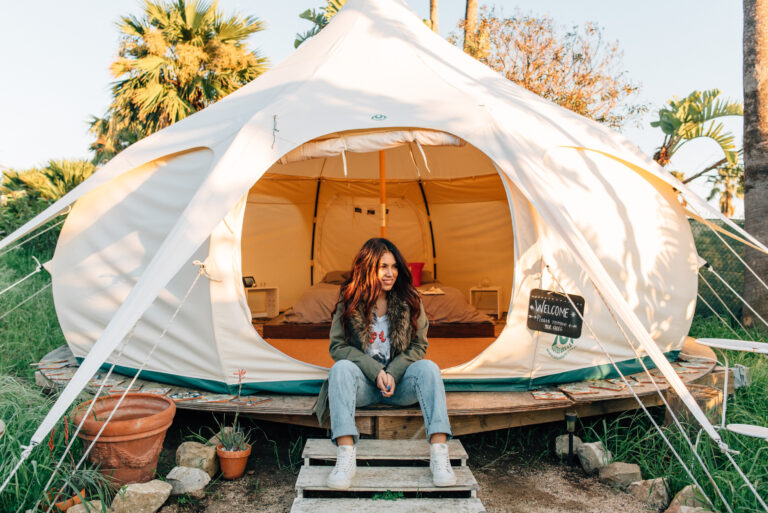
At its core, the glamping economy represents the business of luxury camping. It combines the rugged appeal of the outdoors with hotel-style comfort.
Instead of packing a sleeping bag and a tiny stove, guests arrive at a fully furnished site. They get real beds, running water, and sometimes even Wi-Fi and air conditioning.
This creates a whole new economic sector. It involves tent manufacturers, booking platforms, local cleaning crews, and landowners.
A Quick Look Back
To be honest, the concept of luxury tents is not entirely new. Kings and wealthy travelers used elaborate tents centuries ago.
However, the modern glamping economy really started taking shape around the early 2010s. That is when the word “glamping” officially entered the dictionary.
Boutique travel companies started offering high-end safari tents in the United States and Europe. It offered a middle ground for people who loved scenery but hated roughing it.
Why Luxury Camping Took Off
What’s interesting is how quickly the general public embraced this idea. Traditional hotels often feel crowded. Regular camping feels like too much hard work for a short vacation.
Glamping solved both problems perfectly. You get privacy, fresh air, and a great night of sleep.
Key Drivers Behind the Glamping Economy
Several distinct factors pushed this industry from a small niche into a billion-dollar global market.
People changed how they spend their money. They also changed how they work and travel.
The Shift Toward Experiences
Modern travelers value unique experiences over physical items. A standard hotel room looks the same in almost every city.
A geodesic dome under the stars in a desert offers a memory you cannot easily replicate. People gladly pay a premium price for that unique memory.
This desire for memorable moments is the main fuel for the glamping economy.
The Impact of Remote Work
The shift to remote work completely changed travel habits. People no longer need to wait for a long holiday to leave the city.
They can book a cabin in the woods for a week, work during the day, and sit by a fire at night.
Digital Nomads in Nature
Many glamping sites quickly adapted to this new type of worker. They installed high-speed internet and comfortable workspaces inside their luxury tents.
This means a steady stream of mid-week bookings, which heavily boosts the local glamping economy.
The Financial Side of Outdoor Hospitality
The numbers behind this industry are impressive. It is a highly lucrative space for those who understand the market.
How Big Is the Glamping Market?
Market reports show the global glamping economy is worth billions of dollars. It continues to grow by a large percentage every single year.
North America and Europe hold the largest share of this market. However, regions like Asia-Pacific are catching up rapidly.
Experts predict this upward growth will continue for the next decade.
Who Is Making Money Here?
The wealth generated by luxury camping spreads across several different groups.
Landowners and Farmers
Many farmers use the glamping economy to save their family land. By putting a few luxury pods on an unused field, they create a brand new, steady income stream.
This helps them survive when traditional farming profits dip.
Dedicated Glamping Resorts
Large companies are also building massive, dedicated resorts. These operate much like five-star hotels, complete with spas and fine dining.
These high-end locations employ hundreds of local workers, boosting the surrounding rural economy.
Eco-Tourism and the Glamping Economy
Travelers care about the environment now more than ever. They want to explore nature without destroying it.
The glamping economy fits perfectly into the eco-tourism model. Most sites require very little permanent construction.
Sustainability Sells
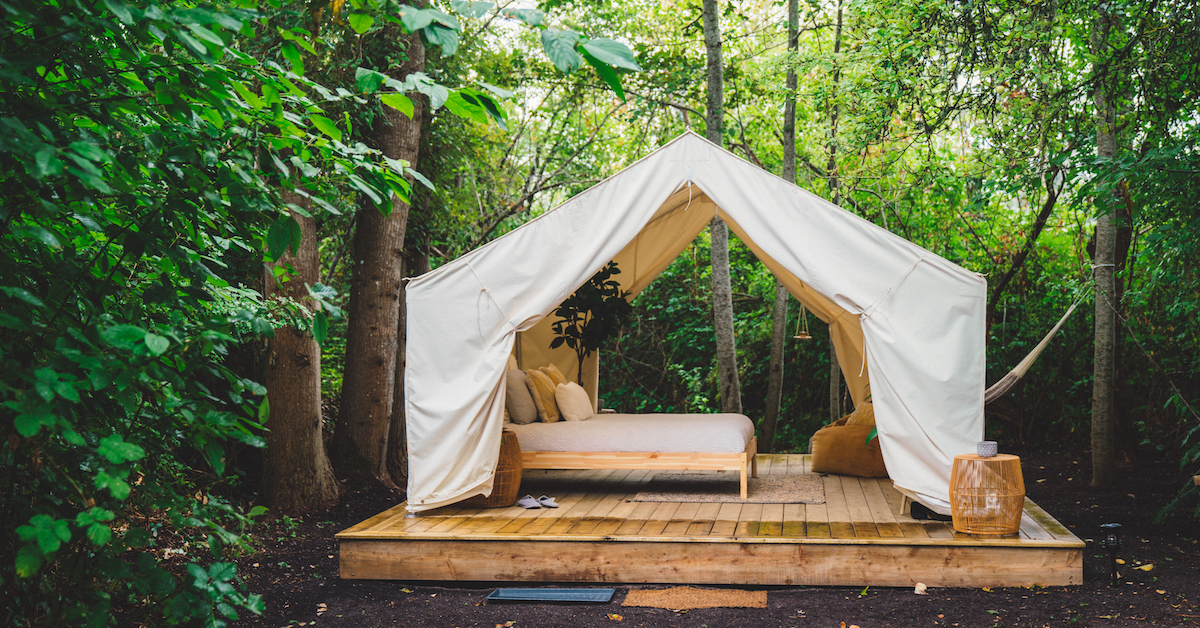
You can set up a canvas tent or a wooden pod without pouring massive concrete foundations. If the business closes, the land easily returns to its natural state.
Many glamping operators use solar power, composting toilets, and local spring water. This low-impact approach attracts environmentally conscious tourists.
The Future of the Glamping Economy
The future looks very bright for outdoor hospitality. We are seeing constant innovation in how people sleep outdoors.
We will likely see more unique structures, like floating cabins and mirrored treehouses.
The glamping economy will also become more integrated with wellness tourism. Expect to see more yoga retreats and mental health escapes hosted in luxury outdoor settings.
As long as people want to escape the stress of city life, this industry will thrive.