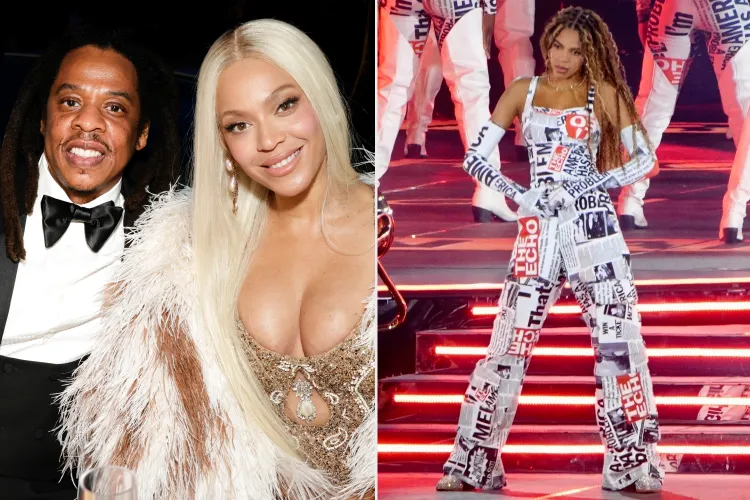

The jay-z blue ivy hair story is one of those moments that started small but said a lot about how people treat Black children, especially Black girls, in the public eye. It began with a single petition online and turned into a wider talk about natural hair, parenting, and self-love. Here’s the thing: a child’s hair shouldn’t be a national debate. But it became one anyway.
Let me walk you through what actually happened, why people reacted the way they did, and why this story still gets brought up years later.
Read more: Lottery Explained: How It Works, Odds, Prizes, and Smart Tips
Who Is Blue Ivy Carter?
Blue Ivy Carter is the first child of Beyoncé and Jay-Z. She was born into one of the most famous families in music. From the moment she arrived, cameras and fans paid close attention to her every move.
To be honest, that level of attention is a lot for any kid. Add the pressure people put on Black hair, and you can see why the jay-z blue ivy hair story took off.
Quick Facts About Blue Ivy Carter
|
Detail |
Information |
|---|---|
|
Full Name |
Blue Ivy Carter |
|
Date of Birth |
January 7, 2012 |
|
Parents |
Beyoncé and Jay-Z (Shawn Corey Carter, born December 4, 1969) |
|
Siblings |
Rumi Carter and Sir Carter |
|
Nationality |
American |
|
Occupation |
Singer, dancer, performer |
Jay-Z and Beyoncé as Parents
Jay-Z and Beyoncé are two of the biggest names in entertainment. Together they’ve built music empires, businesses, and a family. They share three kids: Blue Ivy and the twins, Rumi and Sir.
What’s interesting is how private they try to keep their kids despite their fame. They rarely overshare. So when public criticism hit their daughter’s hair, it touched something personal.
What the Jay-Z Blue Ivy Hair Story Was Actually About
The jay-z blue ivy hair story centers on an online petition that circulated on social media. The petition criticized Blue Ivy’s natural hair and demanded that her parents “comb” it or style it differently.
People signed it. Strangers, who had never met this little girl, felt entitled to comment on how her hair looked. That’s the part that really stung many fans.
A Petition That Crossed a Line
Think about that for a second. A child’s curls became the target of a public campaign. The petition framed her natural hair as a “problem” that needed fixing.
For a lot of people, this wasn’t just about Blue Ivy. It reflected a bigger issue with how Black natural hair gets judged.
How Jay-Z and Beyoncé Responded
Here’s the thing about how her parents handled it. They didn’t cave to the pressure. Instead, they kept showing Blue Ivy as she was, curls and all.
Beyoncé especially has been vocal over the years about embracing natural hair and Black beauty. The Blue Ivy hair controversy didn’t push them to change their daughter. If anything, it strengthened their message of self-love.
Embracing Natural Hair, Not Hiding It
Rather than respond with anger to every critic, the family let their actions speak. Blue Ivy continued to appear in public looking like herself. That quiet confidence sent a clear message.
To be honest, that’s a powerful way to answer hate. No long speeches. Just acceptance.
Why Blue Ivy Carter’s Natural Hair Became a Cultural Talk
The jay-z blue ivy hair story stopped being about one child pretty fast. It became a conversation about Blue Ivy Carter natural hair and what it represents.
Black natural hair has a long history of being policed. From schools to workplaces, people with natural curls and coils have faced unfair rules and comments. So when this happened to a famous toddler, it hit a nerve.
Standing In for a Bigger Issue
Many Black parents saw their own kids in Blue Ivy. They knew the feeling of someone judging their child’s hair as “messy” or “unkempt.”
That’s why the Beyoncé daughter hair debate sparked such strong feelings. It wasn’t really about styling. It was about respect.
The Black Natural Hair Movement Connection
You can’t talk about this story without mentioning the Black natural hair movement. For years, people have pushed back against the idea that straight hair is the only “neat” or “professional” option.
Movements and laws, like the CROWN Act in parts of the U.S., aim to protect people from hair-based discrimination. The Blue Ivy hair controversy fit right into that wider push.
Hair as Identity
For many in the Black community, natural hair is tied to identity and pride. It’s not just style. It’s heritage.
So seeing a young Black girl criticized for her curls felt like an old, tired pattern repeating itself.
Public and Cultural Reaction
The reaction to the petition was loud, and most of it defended Blue Ivy. Fans, writers, and everyday people called the petition mean-spirited and unnecessary.
Plenty of folks pointed out the obvious: she’s a child. Leave her alone. That defense became a rallying point.
Support Outweighed the Hate
What’s interesting is how the backlash flipped. The petition meant to shame her, but it ended up rallying support for natural hair instead.
Lots of people used the moment to celebrate Black children and their curls. The negative spark created a positive flame.
Celebrity Parenting Under a Microscope
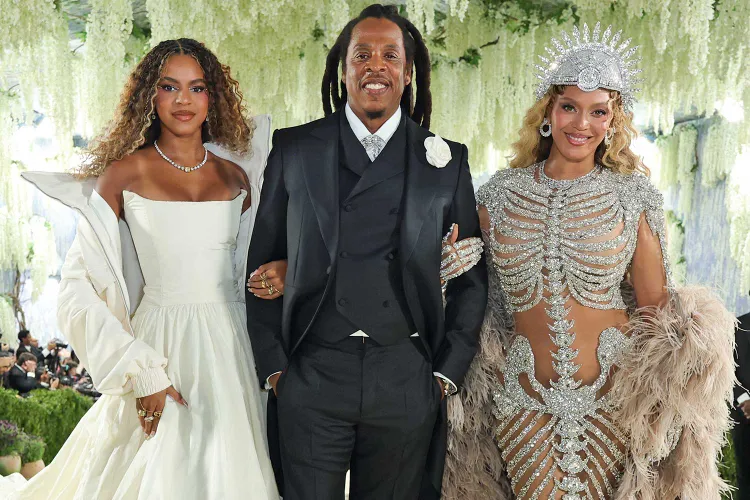
This story also shows the strange world of celebrity parenting. Famous parents like Jay-Z and Beyoncé deal with public opinion on choices most parents make in private.
Hair, clothes, school, behavior. All of it gets watched. And when the child is biracial or Black, the scrutiny often comes with extra layers of bias.
The Pressure on the Jay-Z Family
The Jay-Z family has faced this kind of attention for years. Their kids grow up with eyes on them constantly.
Handling that while raising confident children is no small task. The way they navigated the hair story gave a lot of parents something to think about.
Why the Jay-Z Blue Ivy Hair Story Still Matters Today
So why do people still talk about this? Because the issue behind it hasn’t fully gone away.
Black natural hair still gets unfair treatment in some schools and jobs. The jay-z blue ivy hair story remains a reminder of how quickly society judges something as simple as a child’s curls.
A Lesson in Self-Love
The lasting takeaway is about self-love and acceptance. Blue Ivy grew up surrounded by people who told her she was beautiful as she is.
That message matters for every kid watching. You don’t have to change yourself to fit someone else’s standard.
Related Context: The Bigger Picture
Stories like this connect to ongoing talks about representation. When a famous child’s natural hair is defended publicly, it helps normalize natural styles for everyone.
The cultural significance is real. Each time society chooses acceptance over judgment, it chips away at old, harmful beauty standards.
What Parents Can Take From It
If you’re a parent, here’s a simple lesson. Confidence often comes from how the adults around a child respond to criticism.
Blue Ivy’s parents showed that you can protect your child’s self-image just by refusing to apologize for who they are.
Final Thoughts
The jay-z blue ivy hair story may have started with a petition, but it grew into something much bigger. It became a talk about Black natural hair, dignity, and how we treat kids in the spotlight.
At its core, the message is simple. Natural hair is beautiful, and no child should be shamed for it. If you want to read more verified background on her life and family, you can check out her Wikipedia page on Blue Ivy Carter, which covers the basic facts clearly.