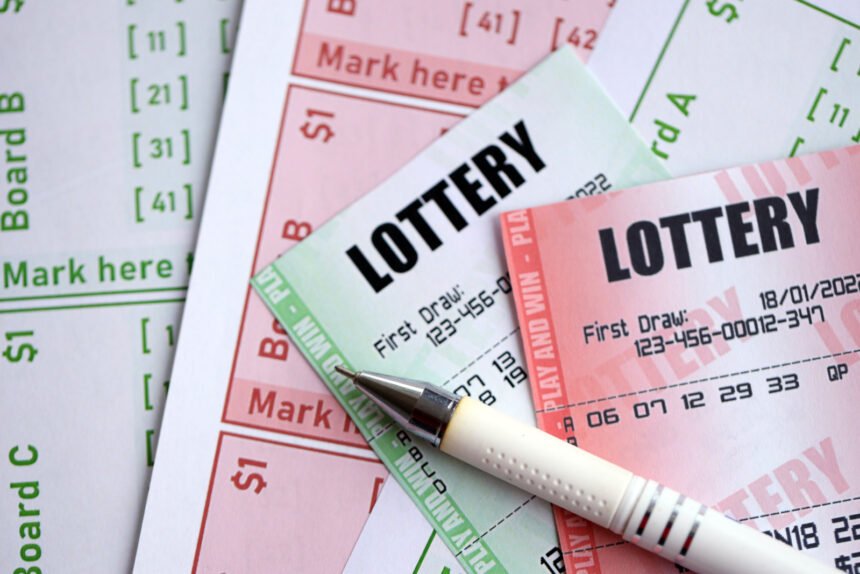

Lottery games have been around for centuries, and millions of people still buy a ticket every single week hoping for that life-changing win. The idea is simple. You pick some numbers, you pay a small amount, and then you wait to see if luck is on your side. But there’s actually a lot more going on behind those drawn balls than most folks realize.
Here’s the thing. A lottery is more than just a game of chance. It’s a massive industry, a fundraising tool for governments, and for some people, a regular hobby. Let’s break it all down in plain English.
Read more: Emergency: Understanding What It Means and How to Respond Effectively
What Is a Lottery?
A lottery is a form of gambling where numbers are drawn at random for a prize. You buy a ticket, choose or get assigned numbers, and if your numbers match the drawn ones, you win.
Some governments ban lotteries completely. Others run them and use the money to fund schools, roads, and public programs. So depending on where you live, the lottery might be illegal, state-run, or somewhere in between.
A Quick Look at Lottery History
Lotteries are old. Really old. Some of the earliest recorded ones date back to the Han Dynasty in China, around 205 to 187 BC. People believe these games helped fund big projects, possibly even parts of the Great Wall.
In Europe, lotteries became popular during the Roman Empire. They were often used at dinner parties, where guests received tickets and prizes.
How Lotteries Funded Big Projects
What’s interesting is that early American colonies leaned heavily on lotteries. They used the money to build roads, libraries, churches, and even colleges. Some famous universities got a financial boost from lottery funds back in the day.
How Does a Lottery Actually Work?
The basic process is pretty straightforward. You buy a ticket and select a set of numbers. Then, on draw day, numbers get pulled at random.
If your chosen numbers match the drawn numbers, you win a prize. The more numbers you match, the bigger your reward usually is.
Random Number Drawings
Most modern lotteries use either physical ball machines or computerized random number generators. Both methods are designed to keep the draw fair and unpredictable.
To be honest, this randomness is the whole point. Nobody can predict the outcome, which is exactly why winning feels so exciting.
Common Types of Lotteries
Not all lotteries are the same. There are several formats, and each one plays a little differently.
Number Draw Games
These are the classic ones. You pick numbers, wait for the draw, and check your matches. Games like Powerball and Mega Millions fall into this group.
Scratch Cards
Scratch-off tickets give you instant results. You scratch a coating off the card to reveal whether you’ve won. No waiting required.
Daily and Instant Lotteries
Some lotteries run daily draws with smaller prizes. These appeal to players who want frequent chances to win rather than one big weekly jackpot.
Understanding Lottery Odds
Now let’s talk about the part most people skip. The odds.
Lottery odds are usually very, very long. For big jackpot games, your chance of winning the top prize can be one in hundreds of millions. That’s a tiny sliver of a chance.
Why the Odds Are So Long
The math is simple, even if it stings. The more numbers you have to match, the harder it gets. A game asking you to pick six numbers from a large pool naturally has steep odds.
Smaller lotteries with fewer number choices usually offer better odds, but the prizes are smaller too. It’s a trade-off.
Lottery Prizes and Jackpots
The prizes are what keep people coming back. Jackpots can roll over and grow when nobody wins, sometimes reaching staggering amounts.
When a jackpot isn’t won, the prize money rolls into the next draw. This is why you sometimes hear about jackpots climbing into the billions.
Lump Sum vs. Annuity
Here’s something many winners don’t expect. You often get to choose how you receive your money. You can take a one-time lump sum, which is smaller overall, or an annuity paid out over many years.
The lump sum gives you cash now. The annuity gives you more total money but spread out. Both have pros and cons depending on your plans.
Taxes on Lottery Winnings
This part surprises a lot of new winners. In many countries, lottery winnings are taxed.
In the United States, for example, federal taxes apply to large prizes, and many states add their own taxes too. So that headline jackpot number isn’t what actually lands in your bank account.
Some countries, though, don’t tax lottery winnings at all. It really depends on local laws, so it’s smart to check the rules where you live before celebrating too hard.
Popular Lotteries Around the World
Lotteries are a global thing. Almost every region has its own well-known games.
United States
Powerball and Mega Millions are the giants here. They’re famous for record-breaking jackpots that grab headlines worldwide.
Europe
EuroMillions is a big one across several European countries. Spain also has its famous Christmas lottery, known as El Gordo, which is one of the largest in the world.
Other Regions
Plenty of other countries run national lotteries too, often using the proceeds to support public causes and community programs.
Tips for Lottery Players
Let me be clear. There’s no trick to guarantee a win. The lottery is random, full stop. But there are a few sensible habits worth knowing.
Play Responsibly
Only spend what you can afford to lose. Treat the lottery as entertainment, not as an investment or a retirement plan.
Check Your Tickets
You’d be shocked how many prizes go unclaimed every year. Always double-check your numbers, and keep your tickets somewhere safe.
Don’t Chase Losses
If you don’t win, don’t keep buying more tickets to make up for it. That’s a fast way to spend more than you intended.
Are Lottery Systems and Strategies Real?
You’ll find tons of “systems” online claiming to boost your chances. To be honest, most of them don’t hold up.
Since the draw is random, no pattern or formula can truly predict the winning numbers. Picking less common numbers won’t improve your odds of winning, though it might mean sharing the prize with fewer people if you do win.
The Social Side of Lotteries
Lotteries aren’t just about individual players. They fund a lot of good stuff too.
Many governments direct lottery profits toward education, health programs, parks, and other public services. So even when you don’t win, your ticket money often supports something useful in your community.
Should You Play the Lottery?
That’s a personal call. For some, buying an occasional ticket is harmless fun and a little thrill. For others, it can become a costly habit.
The key is balance. Enjoy the excitement, but keep your expectations realistic and your spending under control.
Final Thoughts
The lottery has a long, fascinating history and remains hugely popular across the globe. It mixes hope, chance, and a tiny dose of math into one simple ticket. Just remember the odds are steep, so play for fun rather than as a money-making plan. If you want to dig deeper into how these games developed and how they work in different countries, this detailed overview of the lottery on Wikipedia is a great place to start.