



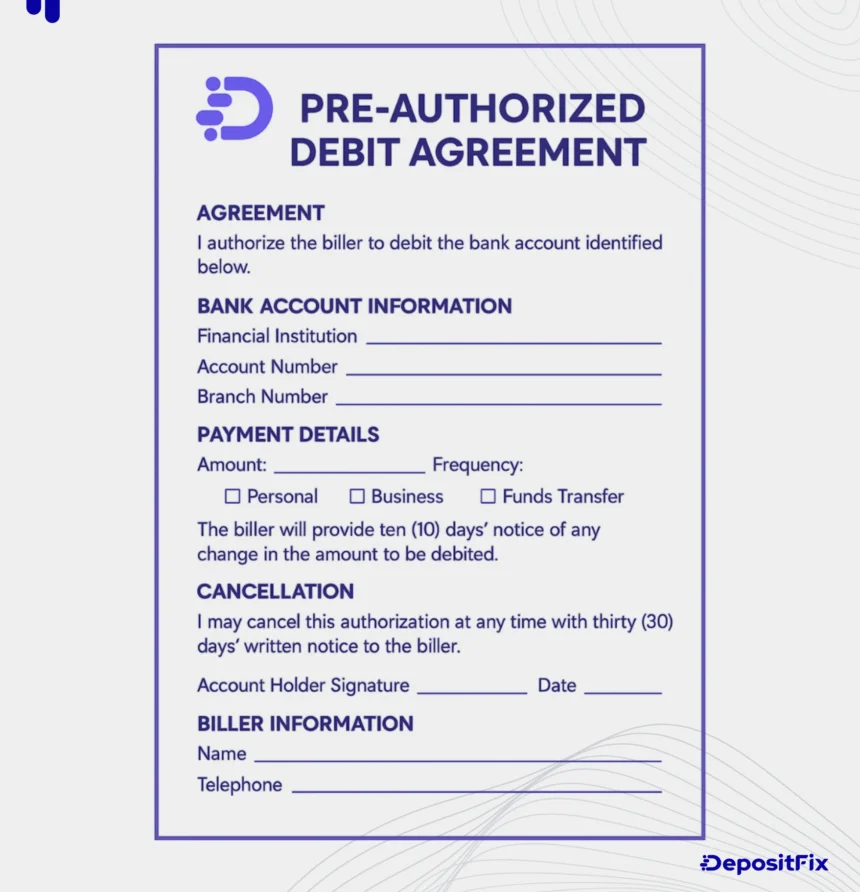

A pre-authorized debit agreement is one of those things most of us sign without really reading. You set up a gym membership, a phone bill, or a subscription, and boom — the money just leaves your account every month. Convenient, right? But here’s the thing: it’s worth understanding what you’re actually agreeing to.
Let me break it all down in plain English so you know exactly what you’re dealing with.
Read more: Best Chess Openings for Beginners: Simple Moves That Actually Work
What Is a Pre-Authorized Debit Agreement?
A pre-authorized debit agreement is a document you sign that gives a company permission to pull money directly from your bank account. It’s basically you saying, “Yes, you can take this amount, on this date, without asking me every time.”
You’ll also hear it called a PAD agreement or a payment authorization form. In some countries, people just call it direct debit. The idea is the same everywhere.
Why It’s Different From a One-Time Payment
A regular payment happens once and stops. A pre-authorized debit agreement keeps going until someone cancels it. That’s the key difference — it’s built for recurring payments, not single transactions.
How Does a Pre-Authorized Debit Agreement Work?
The process is simpler than you’d think. You fill out a form with your bank account details and sign it. That signature is your bank authorization.
Once it’s set up, the company sends a request to your bank on the agreed date. Your bank sees the authorization on file and releases the money automatically. No new approval needed each time.
The Steps in Plain Terms
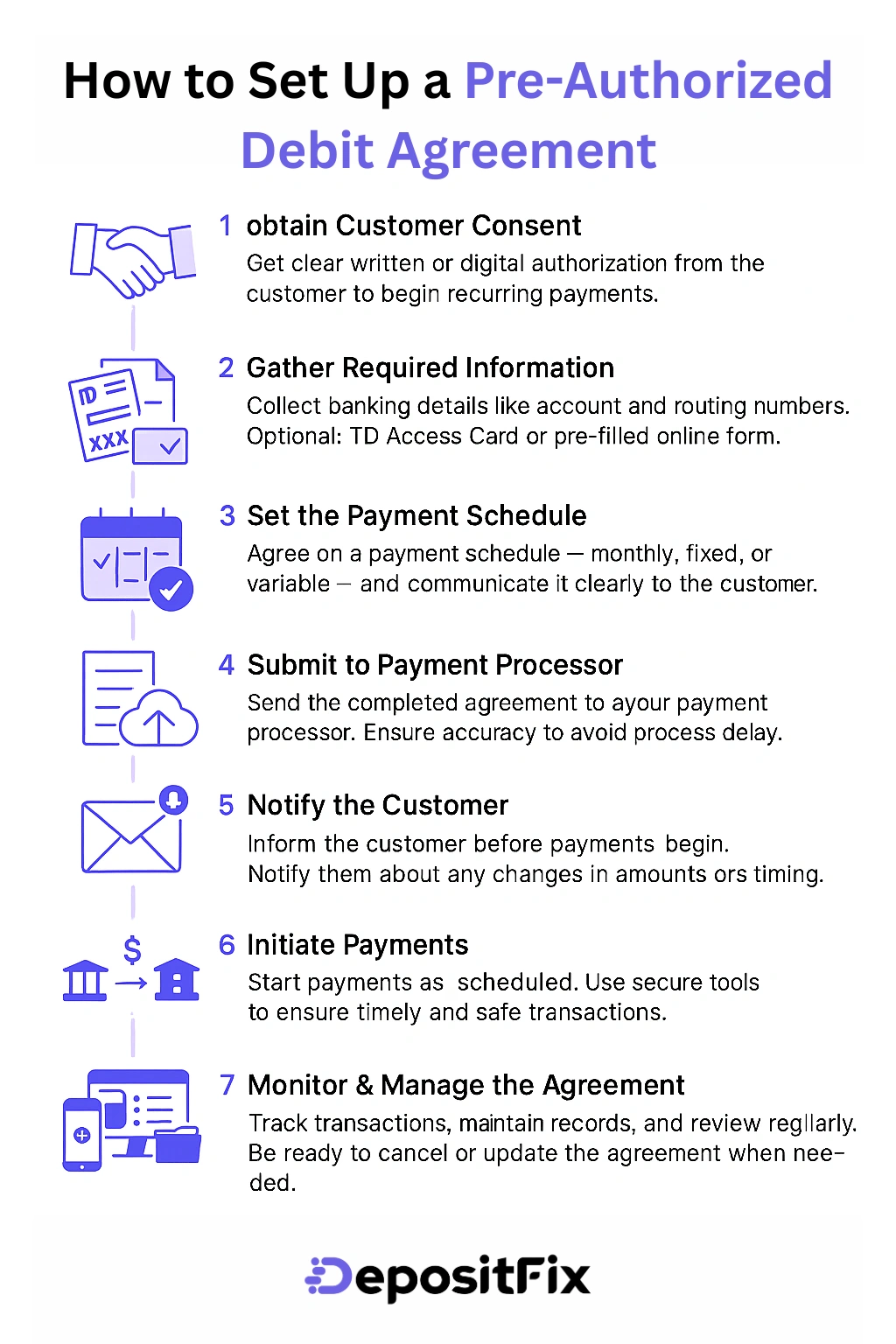
- You provide your account number and routing details.
- You sign the agreement (paper or digital).
- The company stores your authorization.
- Payments run automatically on schedule.
To be honest, that’s the whole magic behind those “set it and forget it” bills.
Why Do Businesses Use Pre-Authorized Debits?
Companies love automatic payments for one simple reason: they get paid on time, every time. No chasing customers. No late invoices.
What’s interesting is that it also helps you, the customer. You avoid missed payments and those annoying late fees that sneak up when life gets busy.
Common Places You’ll See PAD Agreements
- Gym and fitness memberships
- Streaming and software subscriptions
- Insurance premiums
- Utility and phone bills
- Loan and mortgage payments
If you’ve got any recurring payments right now, chances are at least one runs on a pre-authorized debit agreement.
What to Check Before You Sign a PAD Agreement
Here’s where people get burned. They sign fast and read nothing. Slow down for a second — this part matters.
1. The Exact Amount
Make sure the agreement states how much will be taken. Is it a fixed amount or does it vary? Variable ones (like utility bills) can surprise you.
2. The Payment Schedule
Weekly? Monthly? On what date? Knowing the timing helps you keep enough money in your account.
3. Cancellation Terms
Check how you’re allowed to cancel. A fair pre-authorized debit agreement makes this clear and easy.
4. Notification Rules
Good companies tell you before pulling money, especially if the amount changes. Look for that in the fine print.
Is a Pre-Authorized Debit Agreement Safe?
For the most part, yes. These agreements are regulated, and you have real protections as a consumer. Banks take unauthorized withdrawals seriously.
That said, safety depends on who you’re dealing with. A trusted company with a clear payment authorization form is one thing. A sketchy website asking for your bank details is another.
A Quick Safety Tip
Only sign a PAD agreement with businesses you actually trust. Keep a copy of what you signed, too. It’s your proof if something goes wrong.
How to Cancel a Pre-Authorized Debit Agreement
Cancelling is your right, and it shouldn’t be a nightmare. Here’s the usual path.
First, contact the company directly and ask them to stop the payments. Do it in writing if you can — email works great as a record.
Second, tell your bank. You can ask them to block future debits from that company. This is helpful if the business keeps charging after you’ve cancelled.
What If They Keep Charging You?
If a company ignores your cancellation and keeps taking money, that’s now an unauthorized withdrawal. Contact your bank right away. In many cases, you can get that money back.
Your Consumer Rights With Automatic Payments
You’ve got more power here than you might realize. Rules vary by country, but a few rights show up almost everywhere.
The Right to Be Informed
You should know the amount, date, and terms before any money moves. No surprises allowed.
The Right to Cancel
You can end a pre-authorized debit agreement whenever you choose, as long as you follow the notice terms.
The Right to a Refund
If a payment is taken in error or without proper authorization, you can usually claim it back through your bank.
Common Mistakes People Make
Let me be real with you — most PAD problems come from small mistakes. Here are the ones I see most often.
Not Reading the Fine Print
People skip it, then get shocked by hidden fees or price hikes. Read it once. Save yourself the headache.
Forgetting About Old Subscriptions
That trial you signed up for two years ago? It might still be pulling money. Review your bank statements every so often.
Not Keeping Enough Money in the Account
If the payment bounces, you could face overdraft or NSF fees. Track your payment schedule so you’re never caught short.
Ignoring Notification Emails
Companies often warn you before a price change. Delete those without reading, and you’ll get surprised later.
Pre-Authorized Debit vs. Direct Debit vs. Automatic Card Payments
People mix these up all the time. Let’s clear it up quickly.
A pre-authorized debit agreement and a direct debit are basically the same thing — money pulled straight from your bank account. Automatic card payments, on the other hand, charge your credit or debit card instead of your bank account directly.
The difference matters when you cancel. Bank-based recurring payments and card-based ones sometimes follow different rules.
Tips for Managing Your PAD Agreements
Staying on top of these is easier than you think. A little effort goes a long way.
- Keep a simple list of every automatic payment you have.
- Check your statements monthly.
- Cancel anything you no longer use.
- Store copies of every payment authorization form you sign.
Do this and you’ll never wonder where your money went.
Final Thoughts on Pre-Authorized Debit Agreements
A pre-authorized debit agreement can make your life a whole lot easier when you understand how it works. It saves time, prevents missed bills, and keeps your recurring payments running smoothly. The trick is simply staying aware — read before you sign, track your payments, and cancel what you don’t need.
If you want to dig deeper into how these systems work around the world, this Wikipedia article on direct debit covers pre-authorized debit (PAD) and gives a solid overview of the whole setup. It’s a handy read if you’re curious about the bigger picture behind those automatic payments hitting your account each month.