




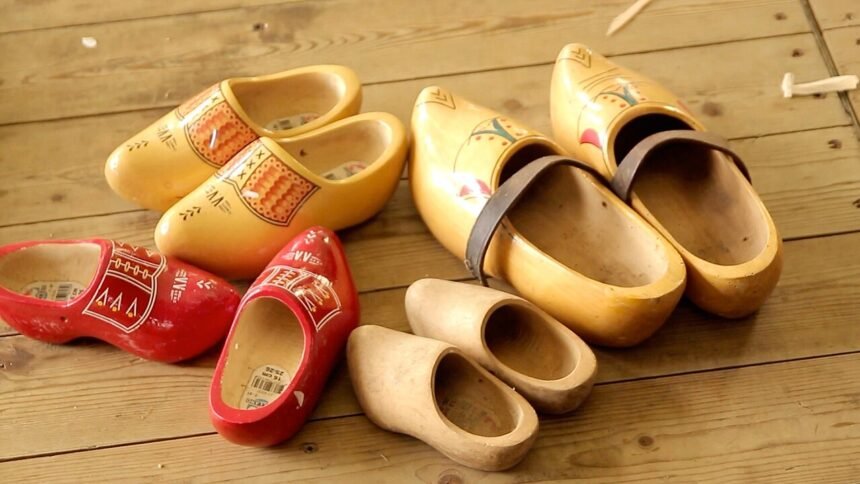

Clogs have been around for centuries, and somehow they keep coming back into style. You see them on farmers, on nurses, on chefs, and lately, all over fashion runways too. Here’s the thing—they’re not just a trend. They’ve earned their spot through comfort, durability, and a look that’s hard to ignore.
If you’ve ever wondered what makes clogs so special, you’re in the right place. This guide covers their history, the different types, what they’re made of, and how to wear them without looking like you’re heading to a costume party.
Read more: Jay-Z Blue Ivy Hair Story: What Really Happened and Why It Matters
What Are Clogs, Exactly?
At their core, clogs are a type of footwear with a thick, rigid sole, traditionally made of wood. That’s the classic definition anyway. These days, the term covers shoes with stiff soles made from other materials too.
What sets clogs apart is that solid, often open-back design. Many slip right on, which is part of why people love them. No laces, no fuss.
To be honest, that slip-on convenience is half the appeal. You step in and go.
A Quick Look at the History of Clogs
Clogs aren’t a modern invention. People have been wearing wooden shoes for hundreds of years across Europe and parts of Asia. They were practical, cheap to make, and tough enough for daily labor.
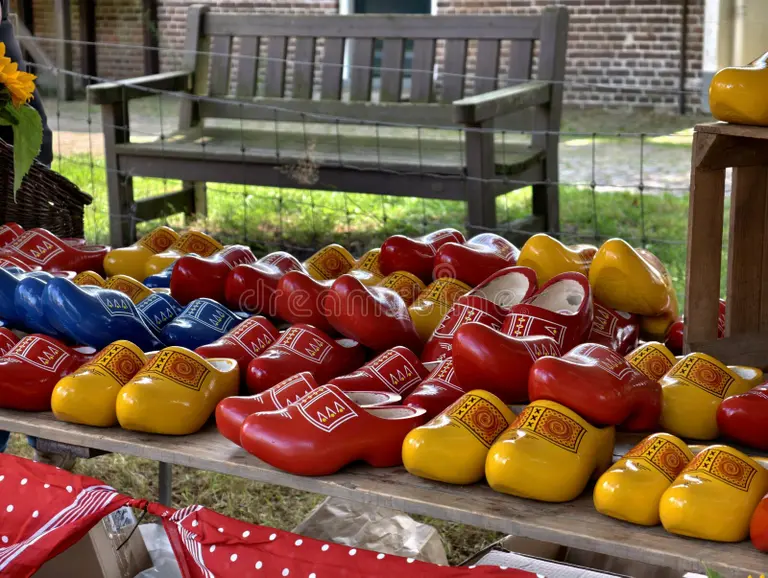
What’s interesting is how different cultures developed their own versions. The famous Dutch clogs, carved entirely from wood, became almost a symbol of the Netherlands. Farmers wore them in muddy fields because they kept feet dry and protected.
Other regions had their own takes. Turkish bath houses, for example, used raised clogs to keep feet above dirty, soapy water.
Why Wooden Shoes Made Sense Back Then
Wood was everywhere and easy to shape. A solid wooden sole protected feet from rough ground, sharp tools, and wet conditions. For working folks, that mattered more than fashion.
So clogs started as workwear, plain and simple. The style came later.
Types of Clogs You’ll Find Today
Not all clogs look the same. The category has grown a lot over the years. Here are the main types worth knowing.
Traditional Wooden Clogs
These are the originals—the all-wood Dutch clogs you picture when someone says “wooden shoes.” They’re heavy, sturdy, and more of a cultural icon now than everyday footwear.
Clog Sandals
Clog sandals mix the classic clog sole with open, breathable straps. They’re great for warm weather and give you that clog vibe without the closed-toe feel.
Platform Clogs
Platform clogs add extra height with a chunky raised sole. They’re a fashion favorite and show up often in retro-inspired outfits.
Work Clogs
Work clogs are built for people on their feet all day—nurses, chefs, factory workers. They focus on support, slip resistance, and easy cleaning. Comfort wins over style here.
Slip-On Casual Clogs
Then you’ve got the everyday slip-on shoes made from rubber or foam. Light, washable, and super comfy. These are the ones you grab for quick errands.
What Materials Are Clogs Made From?
The material makes a big difference in how clogs feel and wear. Wood started it all, but today there’s plenty of variety.
- Wood – the classic choice, sturdy but heavy
- Leather – often used for the upper part, looks polished
- Rubber – flexible, waterproof, easy to clean
- Foam (like EVA) – lightweight and cushiony
- Cork – common in stylish platform clogs for a softer feel
Each material suits a different need. A chef might want rubber for easy wiping, while someone after a fashion look might pick leather and cork.
Are Clogs Actually Comfortable?
This is the question everyone asks. The honest answer? It depends on the pair.
A good clog supports your arch and keeps your foot stable. The rigid sole can feel strange at first if you’re used to soft sneakers. Give it a few wears, though, and many people swear by them.
The open back helps with ventilation. But it also means less heel support, so they’re not ideal for running or long hikes.
Getting the Right Fit
Fit matters a lot with clog footwear. Too loose and your foot slides around. Too tight and that stiff material rubs.
You want your foot to sit firmly with a little room at the toes. Try them on in the afternoon when feet are slightly swollen—that’s a small trick that helps.
Clogs in Fashion: From Farms to Runways
Here’s where it gets fun. Clogs jumped from practical workwear to genuine fashion statements. Designers have featured them in collections again and again.
What’s interesting is how versatile they’ve become. You’ll spot leather clogs paired with jeans, platform clogs with dresses, and clog sandals at the beach. They’re no longer just for the field.
Celebrities and influencers helped push this comeback. Once a few well-known faces wore them, the rest followed.
How to Style Clogs Without Overthinking It
Styling clogs is easier than people assume. They work with a surprising number of outfits.
- With jeans – roll the hem slightly and let the clogs stand out
- With dresses – platform clogs add height and a cool, casual edge
- With socks – yes, chunky socks and clogs is a real, popular look
- For work – plain leather or rubber clogs keep things clean and simple
The key is balance. Since clogs are chunky, keep the rest of your outfit a bit more relaxed and let the shoes do the talking.
How to Care for and Maintain Your Clogs
Take care of your clogs and they’ll last for years. The routine depends on the material.
Cleaning Wooden Clogs
Wipe them with a damp cloth, not soaking wet. Too much water can crack or warp the wood over time. A little wood polish now and then keeps them looking sharp.
Cleaning Leather Clogs
Use a soft brush to remove dirt, then a leather conditioner to stop cracking. Keep them away from direct heat when drying.
Cleaning Rubber or Foam Clogs
These are the easy ones. Soap, water, a quick scrub, and you’re done. That’s why work clogs are often made this way.
Store all your clogs somewhere dry and cool. Damp spots invite odor and damage.
Pros and Cons of Clogs
Like any footwear, clogs have ups and downs. Here’s a quick rundown.
The Pros
- Easy slip-on design, no laces
- Durable and long-lasting
- Good arch support in quality pairs
- Tons of styles, from work clogs to fashion picks
- Often simple to clean
The Cons
- Stiff sole takes getting used to
- Open back means less heel support
- Wooden ones can feel heavy
- Not great for sports or long walks
So they’re not perfect for everything. But for daily wear and standing jobs, they hold up well.
Who Should Consider Wearing Clogs?
Clogs suit a lot of people. If you stand all day, work clogs can save your feet. If you love comfy slip-on shoes, the foam versions are a dream.
And if you just want something stylish and a bit different, platform clogs or clog sandals fit the bill nicely. There’s really a pair for most needs.
Key Takeaways
- Clogs are footwear with a thick, rigid sole, traditionally wooden
- Types include Dutch clogs, clog sandals, platform clogs, and work clogs
- Materials range from wood and leather to rubber and foam
- Comfort depends heavily on fit, so try before you commit
- They’ve grown from workwear into a real fashion staple
- Care varies by material, but most are easy to maintain
Final Thoughts
Clogs have proven they’re far more than a passing fad. They started as tough, practical wooden shoes and grew into comfortable, stylish footwear you can wear almost anywhere. Whether you’re after support for long shifts or a trendy look, there’s a pair that fits.
If you’re curious to dig deeper into their roots and global history, you can learn more about clogs on Wikipedia. Once you understand where they came from, it’s easy to see why clogs still have a place in our closets today—so go ahead, try a pair and see how they feel for yourself.