




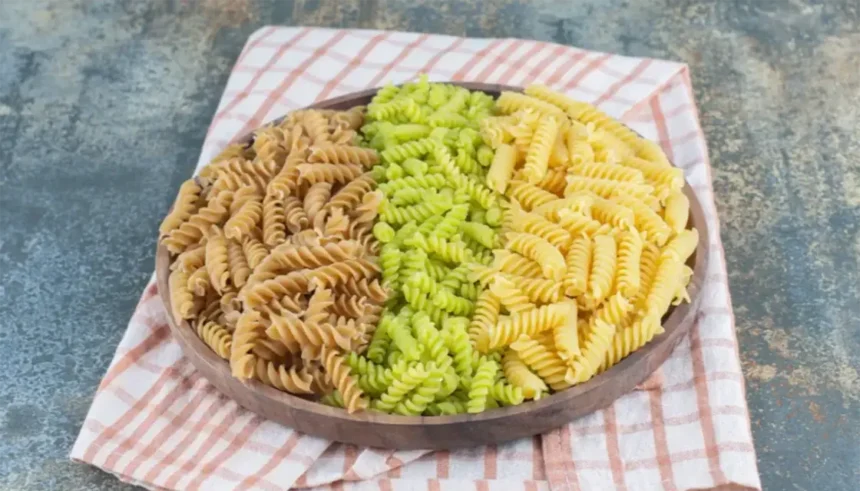

Rotini is one of those pasta shapes that just makes dinner more fun. You know the type — those little corkscrew spirals that look like tiny springs on your plate. To be honest, it’s hard not to love a pasta shape that’s basically built to hold onto sauce. If you’ve ever wondered what makes rotini special, you’re in the right place.
Let’s break it all down, from where it comes from to how you should cook it.
Read more: 2022 Tesla Model 3: Everything You Need to Know Before Buying
What Is Rotini, Anyway?
Rotini is a short, spiral-shaped pasta with a tight corkscrew twist. The name comes from the Italian word for “twists,” which honestly fits perfectly. Each piece curls around itself like a little helix.
Here’s the thing — that twisty shape isn’t just for looks. The spirals create grooves and ridges that trap sauce, cheese, and tiny bits of veggies or meat. Every bite ends up packed with flavor.
The Corkscrew Shape Explained
What’s interesting is how the shape actually works. Rotini has a tight helix, which means the spiral wraps closely together. This gives it more surface area than a smooth, straight noodle.
More surface area means more sauce sticking to each piece. That’s the whole magic right there.
Why the Spiral Matters
Think about pouring a thick tomato sauce over plain spaghetti. A lot of it just slides off. With rotini, the sauce gets caught in all those little curves. Nothing goes to waste.
Where Does Rotini Come From?
Rotini has Italian roots, like most beloved pasta shapes. The spiral design comes from a long tradition of pasta-making in southern Italy.
Pasta makers there learned that shaping noodles into twists and curls made them better at holding sauces. Over time, these spiral shapes became popular all over the world.
A Quick Note on the Name
The word “rotini” basically means “small spirals.” Simple, right? The name describes exactly what you’re looking at on your plate.
Rotini vs. Fusilli: What’s the Difference?
People mix these two up all the time, and it’s easy to see why. They both look like spiral pasta. But there’s a real difference.
Rotini has a tighter helix. The spirals are wound closely together, almost like a spring. Fusilli, on the other hand, usually has a looser, longer twist.
The Tighter Twist
To put it simply, rotini’s twist is snug and compact. Fusilli tends to stretch out a bit more. In the United States and Canada, the names sometimes overlap, which adds to the confusion.
Does the Difference Matter When Cooking?
Honestly, not a huge amount for everyday cooking. Both shapes grab sauce well. But the tighter spirals of rotini make it especially good for thick, chunky sauces and pasta salads.
How to Cook Rotini the Right Way
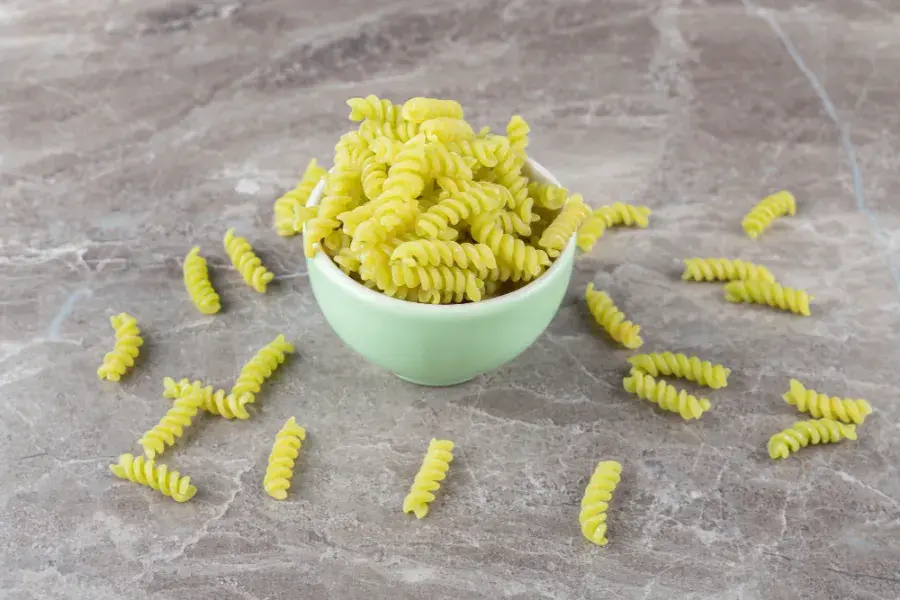
Cooking rotini is pretty straightforward, but a few tips can make a real difference.
Start with a big pot of water. You want enough room for the pasta to move around freely. Add a generous pinch of salt once it boils — this is where a lot of the flavor comes from.
Timing Is Everything
Most rotini cooks in about 8 to 10 minutes. Check the box, since brands vary a little. Taste a piece a minute or two before the timer ends.
You’re aiming for al dente, which means it’s tender but still has a slight bite. Mushy pasta is no fun.
Don’t Forget to Reserve Some Water
Here’s a tip a lot of people skip. Save a cup of the starchy pasta water before you drain. Adding a splash to your sauce helps everything cling together beautifully.
Best Sauces for Rotini
Rotini works with almost any sauce, which is part of why it’s so popular. But some pairings just shine.
Thick tomato sauces are a natural fit. The spirals hold onto every drop. Creamy sauces, like alfredo or a cheesy blend, also cling nicely to the twists.
Chunky Sauces Win
If your sauce has bits of sausage, peppers, or mushrooms, rotini is your friend. Those chunks get caught in the spirals, so each forkful has a little of everything.
Pesto Works Too
A bright green pesto coats rotini wonderfully. The oil and herbs settle into the grooves, giving you a fresh, herby bite every time.
Rotini in Pasta Salads
This might be where rotini really steals the show. Cold pasta salads love this shape.
The spirals hold dressing, veggies, and cheese without falling apart. Plus, the fun shape makes the whole dish look more appealing at a picnic or potluck.
Easy Pasta Salad Idea
Toss cooked and cooled rotini with cherry tomatoes, cucumber, olives, feta, and a simple Italian dressing. It’s quick, colorful, and people always come back for seconds.
Nutritional Info You Should Know
Rotini is usually made from wheat flour, so it’s mostly carbohydrates. A typical serving gives you energy plus a bit of protein.
Regular rotini doesn’t have much fiber on its own. But you can find whole wheat versions that bump up the fiber content.
Healthier Versions
These days you’ll spot rotini made from chickpeas, lentils, or brown rice. These options add more protein and fiber, which can keep you fuller longer. They’re great if you’re watching your nutrition.
To be honest, what you put on the pasta matters just as much as the pasta itself. Loading up on veggies and lean protein turns a simple bowl of rotini into a balanced meal.
Fun Facts About Rotini
Let me share a few things that make rotini even more interesting.
The spiral shape isn’t just decorative — it was designed on purpose to hold sauce. Pasta makers really thought this through centuries ago.
Kids Love It
Rotini is a hit with children. The fun shape makes eating veggies and sauce a little more exciting. Parents know this trick well.
It Comes in Colors
You can find tri-color rotini made with spinach and tomato added to the dough. It brings green, red, and plain pasta together for a pretty plate. The flavor is mild, but the look is fun.
Storing and Reheating Rotini
Dry rotini lasts a long time in your pantry. Just keep it sealed and away from moisture.
Cooked rotini stores well in the fridge for a few days. When you reheat it, add a splash of water or a little sauce so it doesn’t dry out.
Freezing Leftovers
You can freeze cooked rotini too, especially if it’s already mixed with sauce. Let it cool first, then pop it in a sealed container. It’s a handy way to save a quick meal for later.
Why Rotini Deserves a Spot in Your Kitchen
When you add it all up, rotini is versatile, fun, and great at holding flavor. It works in hot dishes, cold salads, and everything in between.
It’s affordable, easy to find, and pairs with almost anything. That’s a lot to love from one little spiral.
So next time you’re at the store, grab a box. Whether you’re making a quick weeknight dinner or a big batch of pasta salad, rotini won’t let you down. If you’d like to read more about how rotini connects to its cousin fusilli and the history of these twisted shapes, you can check out the detailed Fusilli page on Wikipedia, which mentions how the two pasta types are closely related.