





Manila Clam Spreading Along the Atlantic Coastline
The manila clam spreading atlantic coastline story is one of those quiet science moments that turned into big news. This little shellfish has finally shown up in the one place scientists thought it might never reach. And to be honest, it’s a bigger deal than most people realize.
Here’s the thing: the manila clam was basically everywhere in the Northern Hemisphere except the northwestern Atlantic. Now that’s changed. Let’s break down what happened, why it matters, and what could come next.
Read more: Josh Grisetti: Biography, Career, Broadway Success, TV Roles, and Life Story
Manila Clam Spreading Along the Atlantic Coastline?
The manila clam, or Ruditapes philippinarum, is an edible saltwater clam in the Venus clam family. You might also hear it called the Japanese littleneck clam, Japanese cockle, or Japanese carpet shell.
It’s a big name in the food world too. This bivalve is the second most important clam grown in aquaculture worldwide.
Where It Comes From
Originally, this clam is native to the Pacific and Indian Ocean coasts. Its home range stretches from Pakistan and India up through China, Japan, Korea, and the Kuril Islands.
So it’s an Asian native at heart. But it’s traveled far beyond those waters over the last century.
The Manila Clam Spreading Atlantic Coastline: The New Discovery
What’s interesting is where it just turned up. A team of biologists led by UMass Amherst, MIT Sea Grant, and the Center for Coastal Studies found the manila clam living along the northwestern Atlantic.
The clams have settled into the Cape Cod and Boston area. This region was the last spot in the Northern Hemisphere that stayed manila-clam-free.
Why This Region Matters
For scientists, this is a rare front-row seat. They now get to watch an introduced species establish itself in a brand new environment, almost from day one.
As lead author Aly Putnam put it, the clams are pretty much everywhere else, so it was only a matter of time before they arrived. Researchers had been watching for them.
A Quick Look at Its Spread History
The manila clam spreading atlantic coastline moment didn’t happen overnight. This species has been moving across the globe since at least the early 20th century.
It spread partly by accident and partly on purpose, because people wanted it as a harvested food clam. Over decades, it settled into coastlines all over the Northern Hemisphere.
What the Clam Actually Looks Like
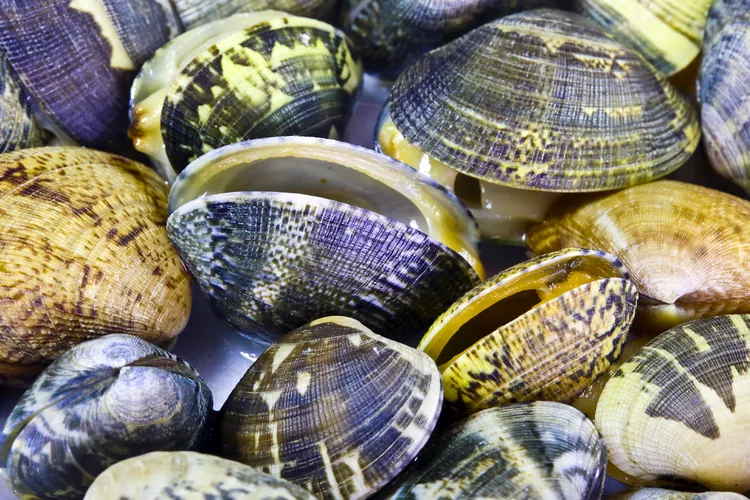
If you spotted one on the beach, you might not think twice. The shell is oval and elongate, with radiating ribs running across it.
Size-wise, they’re usually 40 to 57 millimeters wide. The biggest can reach about 79 millimeters.
Where Manila Clams Like to Live
This is a burrowing clam, and it’s not picky. It thrives in shallow water with sand, mud, and gravel.
You’ll find it in the intertidal zone, in estuaries, and even in brackish water. It burrows only about 10 centimeters down and sometimes hangs out in eelgrass beds.
Tough and Adaptable
Part of why this species travels so well is its toughness. It handles a wide range of salinities and temperatures, though breeding needs a narrower comfort zone.
That flexibility helps explain how it keeps expanding into new marine ecosystems.
How Fast Can It Breed?
Here’s where things get a little wild. In warmer areas, a manila clam can be ready to reproduce in its first year, at around 15 millimeters wide.
And they’re productive. A single 40-millimeter female can release up to 2.4 million eggs. That kind of output is a big reason an introduced species can settle in fast.
A $7 Billion Industry
Let’s not forget the money side. Manila clams make up about 25% of the world’s commercially produced mollusks.
Globally, they represent a shellfish industry worth roughly $7 billion a year. They’re sold live or frozen, and they’re considered a sustainable aquaculture product.
Loved in Kitchens Everywhere
They’re a favorite in Asian cooking, especially in the Philippines, Korea, and Japan. Think miso soup, udon noodles, and plenty of savory clam dishes.
So this isn’t just an ecology story. It’s a food story too.
The Ecological Concerns
Now for the worry part. When an invasive species shows up, scientists pay close attention to what it might disrupt.
Manila clams can compete with native shellfish for space and food. They can also hybridize with similar species, and in dense colonies they may reshape the surrounding marine ecosystem.
Why It’s Not a Simple Answer
To be honest, nobody knows the full impact yet. Researchers still aren’t sure exactly how the clams reached northwestern Atlantic waters.
They’re also unsure whether this newcomer becomes a minor addition or a major player in New England coast ecosystems. That uncertainty is exactly why the study matters.
Could There Be an Upside?
Believe it or not, yes. Not every effect of the manila clam spreading atlantic coastline has to be bad.
Because these clams can become food for other animals, they might relieve pressure on native species. For example, if green crabs eat manila clams, they might ease their heavy predation on softshell clams.
A Balancing Act
As MIT Sea Grant researcher Carolina Bastidas explained, there could be positive impacts alongside the risks. It’s a genuine balancing act.
That’s why more research is on the way to understand how this saltwater clam interacts with other species.
What Scientists Will Watch Next
Finding the clams is only step one. Now the real work begins.
Researchers want to map the clam’s distribution, track whether populations are expanding, and study how they fit into New England coastal systems. Their findings will shape how we manage this species going forward.
Key Takeaways
- The manila clam has reached the northwestern Atlantic, its last unclaimed Northern Hemisphere region.
- It’s a hugely valuable aquaculture bivalve tied to a $7 billion industry.
- The spread brings both ecological risks and possible benefits.
- Scientists still have a lot to learn about its long-term effects.
Frequently Asked Questions
1. What is the manila clam?
It’s an edible saltwater clam, Ruditapes philippinarum, native to Pacific and Indian Ocean coasts. It’s also known as the Japanese littleneck clam and is a major aquaculture species.
2. Why is the manila clam spreading atlantic coastline news so important?
Because the northwestern Atlantic, around Cape Cod and Boston, was the last manila-clam-free region in the Northern Hemisphere. Its arrival gives scientists a rare chance to study an invasion as it starts.
3. Are manila clams harmful to native species?
They can compete with native shellfish, hybridize with similar clams, and alter ecosystems in dense numbers. But they might also help by becoming food for predators like green crabs.
4. How do manila clams reproduce so successfully?
They mature quickly, sometimes within a year, and produce huge numbers of eggs. A single female can release up to 2.4 million eggs, which fuels fast population growth.
5. Are manila clams still safe and valuable to eat?
Yes. They remain a prized seafood worldwide and a big part of the global shellfish industry, popular in soups and noodle dishes across Asia.
Final Thoughts
The manila clam spreading atlantic coastline shift is a reminder that our coastal waters are always changing. This introduced species has crossed one of its final frontiers, and the story is just beginning.
Whether it becomes a quiet neighbor or a disruptive force in the New England coast ecosystem, time and research will tell. If you want the full scientific background on this fascinating bivalve, the detailed Ruditapes philippinarum Wikipedia page is a great next stop.