





Aortic dissection is one of those medical emergencies that can go from “I feel weird” to life-threatening in a matter of minutes. It’s not something most people think about until it happens to them or someone they love. But knowing the basics could genuinely save a life.
Here’s the thing: this condition affects the body’s largest blood vessel. When it goes wrong, every second counts. So let’s break it all down in plain English.
Read more: argentina vs switzerland: A Complete Look at One of Football’s Most Memorable Matchups
What Is an Aortic Dissection?
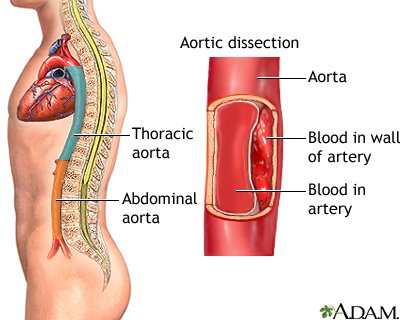
Your aorta is the big artery that carries blood away from your heart to the rest of your body. Its wall has three layers stacked together.
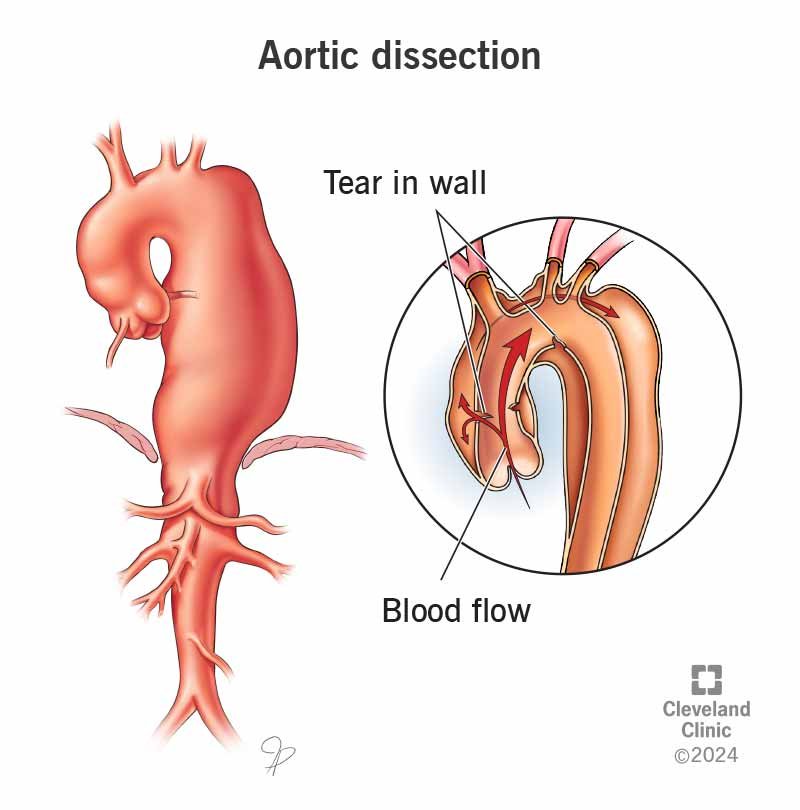
An aortic dissection happens when the innermost layer tears. Blood then pushes its way between the layers, splitting them apart. Not good.
Once that split starts, it can spread quickly along the vessel. That’s what makes it such a scary situation.
How Does It Actually Happen?
To be honest, the mechanics are simpler than they sound. A small tear forms on the inside wall of the aorta. Blood, under high pressure, forces its way into that tear.
This creates a “false channel” inside the artery wall. Blood now flows where it shouldn’t, and the wall gets weaker with each heartbeat.
If that weakened wall bursts completely, it becomes a rupture. That’s often fatal without immediate care.
The Two Main Types
Doctors group an aortic dissection into two categories, depending on where the tear sits. Knowing the type matters a lot because it changes the treatment.
Type A Dissection
This one involves the part of the aorta closest to the heart, the ascending aorta. It’s the more dangerous of the two.
Type A usually needs emergency surgery. Waiting isn’t really an option here.
Type B Dissection
Type B affects the aorta further down, past the arch. It’s still serious, but doctors can sometimes manage it with medication instead of immediate surgery.
What’s interesting is that treatment plans for Type B vary a lot from patient to patient. It really depends on how the dissection behaves.
What Causes an Aortic Dissection?
The root cause usually comes down to a weakened aortic wall. Over time, stress and pressure wear it down until a tear forms.
High blood pressure is the biggest culprit. When your blood pushes hard against the artery walls day after day, the damage adds up.
Sometimes an injury, like a serious car accident, can trigger it too. But that’s less common than the slow, silent damage from pressure.
Who’s Most at Risk?
Not everyone faces the same odds. Some people carry a much higher risk than others, and it’s worth knowing where you stand.
Common Risk Factors
- High blood pressure – the number one factor by far
- Age – it’s more common in people between 60 and 80
- Being male – men get it more often than women
- Smoking – it damages blood vessels over time
- Hardened arteries (atherosclerosis)
Genetic and Health Conditions
Certain inherited conditions raise the risk significantly. Marfan syndrome is a big one, since it affects connective tissue and weakens the aorta.
Other conditions like Ehlers-Danlos syndrome or a bicuspid aortic valve can also play a part. Pregnancy, in rare cases, adds strain too.
If aortic problems run in your family, it’s worth mentioning that to your doctor.
Symptoms to Watch For
This is the part everyone should remember. The signs can hit suddenly and feel intense.
The classic symptom is a sudden, severe chest or upper back pain. People often describe it as a “tearing” or “ripping” feeling. It’s hard to ignore.
Other warning signs include:
- Pain that moves as it spreads
- Shortness of breath
- Sudden trouble speaking or weakness on one side (stroke-like signs)
- Fainting or dizziness
- A weak pulse in one arm compared to the other
Here’s the thing about these symptoms: they can look like a heart attack. That’s exactly why an aortic dissection sometimes gets missed at first.
How Is It Diagnosed?
Speed matters more than almost anything else with this condition. Doctors need to confirm it fast so treatment can begin.
Imaging tests do most of the heavy lifting. A CT scan is usually the go-to because it’s quick and detailed.
Other tools include:
- MRI – detailed but slower
- Echocardiogram – uses sound waves to see the heart and aorta
- Chest X-ray – can hint at problems but isn’t the final answer
Blood tests and heart monitoring often run alongside imaging. The goal is to rule out or confirm an aortic dissection as quickly as possible.
Treatment Options
Once diagnosed, the clock is ticking. Treatment depends heavily on the type and how severe things have gotten.
Surgery
For a Type A dissection, open surgery is usually the answer. Surgeons repair or replace the damaged section of the aorta, sometimes using a graft.
It’s a big operation, but for Type A cases, it’s often the only way to survive.
Medication and Monitoring
For many Type B cases, doctors start with medicine. The main aim is lowering blood pressure and heart rate to ease the strain on the aorta.
Beta-blockers are common here. Patients also get close monitoring to make sure the dissection isn’t getting worse.
Endovascular Repair
Some patients get a less invasive procedure. Doctors thread a stent-graft through the blood vessels to reinforce the weak spot from the inside.
It’s gentler than open surgery, though it isn’t right for every case.
Survival Rates: The Honest Picture
Let’s not sugarcoat this. An aortic dissection is deadly, especially when treatment is delayed.
For Type A, the risk of death climbs sharply with every passing hour without surgery. Fast treatment dramatically improves the odds.
Type B tends to have better short-term outcomes when managed with medication. Still, long-term monitoring stays important because complications can pop up later.
The big takeaway? Getting to a hospital fast makes a huge difference in survival.
Related Conditions Worth Knowing
An aortic dissection doesn’t exist in a vacuum. A few other conditions are closely linked and sometimes confused with it.
An aortic aneurysm is a bulge in the artery wall. It can weaken the aorta and set the stage for a dissection.
An aortic rupture is when the wall bursts completely. It’s different from a dissection but can be the tragic result of one.
Knowing the difference helps you understand why doctors act so fast when they suspect aortic trouble.
Can You Prevent It?
There’s no guaranteed way to avoid an aortic dissection, but you can lower your risk. A lot of it comes down to protecting your blood vessels.
Keep your blood pressure in check. Quit smoking. Stay active and eat in a way that supports heart health.
If you have a family history of aortic problems, regular check-ups and imaging can catch warning signs early.
Frequently Asked Questions
Is aortic dissection the same as a heart attack?
No, but they can feel similar. A heart attack involves blocked blood flow to the heart muscle, while an aortic dissection is a tear in the aorta’s wall. Both are emergencies.
Can you survive an aortic dissection?
Yes, many people do, especially with fast treatment. Survival depends a lot on the type and how quickly care begins.
What does aortic dissection pain feel like?
Most people describe a sudden, severe “tearing” or “ripping” pain in the chest or back. It usually comes on out of nowhere and feels intense.
Who is most likely to get an aortic dissection?
Older adults, men, people with high blood pressure, and those with genetic conditions like Marfan syndrome face the highest risk.
Can aortic dissection be prevented?
You can’t fully prevent it, but managing blood pressure, not smoking, and getting regular check-ups (especially with a family history) can lower your chances.
Final Thoughts
An aortic dissection is serious, but understanding it puts you in a stronger position. Knowing the symptoms and acting fast can be the difference between life and death.
If you want to dig deeper into the medical side of things, this detailed aortic dissection overview on Wikipedia is a solid place to start.