




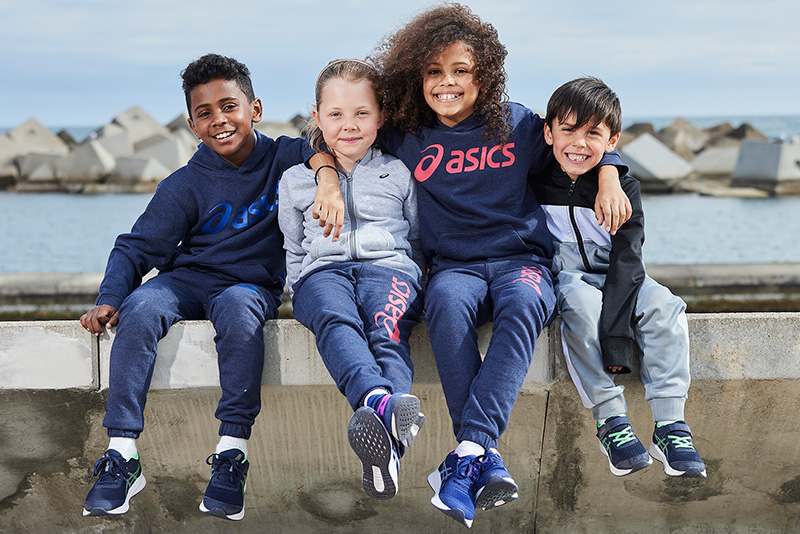

Finding the right pair of boys trainers can feel like a marathon. From navigating endless styles and sizes to ensuring proper support for growing feet, the options are vast. You want a shoe that not only looks cool but also holds up to the rigors of playground adventures, school sports, and everyday wear. This guide is here to simplify your search. We’ll walk you through everything from understanding different types of youth athletic shoes and materials to mastering the fit and keeping them clean. By the end, you’ll have the confidence to choose the perfect pair of trainers that your child will love and that will support their every step.
Key Takeaways
- Fit is paramount: Always measure your child’s feet and leave about a thumb’s width of space at the toe. Proper fit prevents discomfort and supports healthy foot development.
- Activity dictates the shoe: Choose trainers designed for their primary use, whether it’s running, court sports, or casual wear, to ensure proper support and durability.
- Materials matter: Look for breathable uppers like mesh or leather and durable outsoles with good traction. The right materials contribute to comfort, longevity, and safety.
- Support is non-negotiable: Features like arch support, ankle stability, and adequate cushioning are crucial for protecting growing feet and joints during high-impact activities.
- Care extends life: Regular cleaning and proper storage can significantly extend the lifespan of boys trainers, saving you money in the long run.
Understanding the Importance of Quality Boys Trainers
Choosing the right footwear for kids is more than just a style choice; it’s an investment in their physical health and well-being. A good pair of boys trainers provides the essential foundation for active play, sports, and daily life. Growing feet are malleable and require footwear that offers proper support to ensure healthy development. Ill-fitting or poorly constructed shoes can lead to a range of issues, from immediate discomfort like blisters and chafing to longer-term problems with foot alignment, posture, and joint strain.
Quality youth athletic shoes are engineered with specific features to handle the high-impact demands of running, jumping, and climbing. They incorporate cushioning to absorb shock, stable construction to prevent ankle rolls, and durable materials to withstand constant use. A well-designed trainer supports the natural mechanics of a child’s foot, promoting a healthy gait and reducing the risk of injury. By prioritizing quality, you’re not just buying a shoe; you’re providing a tool that enables your child to move confidently and safely.
How to Get the Perfect Fit: Sizing Boys Trainers Correctly
The single most critical factor in selecting boys trainers is achieving the correct fit. A shoe that is too tight can restrict growth and cause painful rubbing, while a shoe that is too loose can lead to tripping and instability. Children’s feet can grow surprisingly fast, so it’s essential to measure them regularly—ideally every few months.
Step-by-Step Measurement Guide
- Have your child stand on a piece of paper with their heel against a wall.
- Ensure their weight is evenly distributed on both feet.
- Trace the outline of their foot.
- Measure the distance from the back of the heel to the tip of the longest toe.
- Repeat for the other foot, as it’s common for one foot to be slightly larger. Use the measurement of the bigger foot when selecting a size.
When trying on new trainers, always have your child wear the type of socks they would typically use. There should be about a thumb’s width (approximately half an inch) of space between the end of their longest toe and the front of the shoe. Check the width to ensure the shoe isn’t squeezing the sides of their foot. Finally, have them walk or jog around to confirm there is no slipping at the heel.
Decoding Materials: What Are the Best Trainers Made Of?
The materials used in a pair of boys trainers directly impact their comfort, durability, breathability, and overall performance. Understanding the common components can help you make a more informed decision. Modern kids sneakers are typically constructed from a blend of synthetic and natural materials, each serving a specific purpose.
Upper Materials
The upper is the part of the shoe that covers the top and sides of the foot.
- Breathable Mesh: This is a popular choice for running and athletic shoes. Its open-weave structure allows air to circulate, keeping feet cool and dry during intense activity.
- Leather and Suede: Often found in lifestyle and retro-style trainers, leather offers excellent durability and a premium feel. It molds to the foot over time but is less breathable than mesh.
- Synthetics: Materials like synthetic leather and nylon provide a cost-effective and lightweight alternative to genuine leather. They are often easy to clean and offer good support.
Midsole and Outsole
The midsole provides cushioning, while the outsole delivers traction.
- EVA Foam: A lightweight and flexible foam used in many midsoles for excellent shock absorption.
- Rubber: The go-to material for outsoles. It is highly durable and provides reliable grip (traction) on various surfaces, from gym floors to playgrounds. Different patterns on the outsole are designed for specific activities.
Essential Support Features for Active Kids
When kids are running and playing, their feet and joints endure significant impact. The right support features in their boys trainers are crucial for protection and injury prevention. These features work together to stabilize the foot, cushion impact, and promote a healthy stride.
Arch Support
The arch of the foot acts as a natural shock absorber. Many children have flat feet when they are young, but as they grow, their arches develop. Trainers with built-in arch support help cradle the foot, distribute pressure evenly, and prevent conditions like plantar fasciitis. Good arch support is especially important for kids who spend a lot of time on their feet or participate in sports. It helps maintain proper alignment, reducing strain on the feet, ankles, and knees.
Cushioning and Shock Absorption
Cushioning is what makes a shoe feel comfortable and protective. Located in the midsole, cushioning materials like foam or gel pads absorb the shock generated from every step, jump, and landing. For active boys, adequate cushioning is non-negotiable. It protects their developing bones and joints from a jarring impact, reducing fatigue and the risk of stress-related injuries. When evaluating a shoe, press on the midsole to feel its firmness and response. It should feel supportive yet forgiving.
Ankle Support
Ankle stability is vital, particularly for sports that involve quick lateral movements, like basketball or tennis. High-top and mid-top trainers extend upward to provide extra support around the ankle, helping to prevent twists and sprains. Even in low-top trainers, a well-structured heel counter—the firm cup at the back of the shoe—plays a key role. It locks the heel in place, preventing excessive side-to-side motion and ensuring a secure fit.
Running, Court, or Lifestyle: Choosing the Right Category
Not all boys trainers are created equal. They are often designed with a specific activity in mind. Matching the shoe to its intended purpose ensures optimal performance, comfort, and longevity.
Running Shoes
Designed for forward motion, running shoes prioritize cushioning and flexibility. They typically feature a lightweight build, a highly breathable upper (often mesh), and a significant amount of shock-absorbing foam in the midsole. The outsole is crafted to provide traction for pavement or track surfaces and is flexible at the forefoot to facilitate a smooth heel-to-toe transition. These are the perfect PE shoes for track and field days or general running activities.
Court Shoes
Court shoes are built for sports like basketball, tennis, or volleyball, which involve rapid side-to-side movements, pivoting, and jumping. They offer enhanced lateral support to prevent ankle rolls. The outsoles are usually made of durable rubber with a flatter, wider base and specific herringbone or circular patterns to provide maximum grip on indoor or outdoor courts. Many basketball shoes are high-tops to offer extra ankle stability.
Lifestyle and Casual Trainers
These trainers, often called kids sneakers, prioritize style and everyday comfort over specialized athletic performance. They are perfect for school, hanging out with friends, and light activities. While they may borrow design elements from athletic shoes, they generally have less aggressive cushioning and support. Their focus is on durable materials that can handle daily wear and versatile aesthetics that pair well with different outfits.
Comparing Key Features for Different Activities
To simplify your choice, this table breaks down the essential features of boys trainers based on their primary activity.
|
Feature |
Running Trainers |
Court Trainers |
Lifestyle/Casual Trainers |
|---|---|---|---|
|
Primary Use |
Forward motion, jogging, PE |
Lateral movements, jumping |
Everyday school and play |
|
Cushioning |
High (especially in heel) |
Moderate to High |
Moderate |
|
Ankle Support |
Low (for flexibility) |
High (mid or high-tops) |
Low to Moderate |
|
Traction |
Designed for grip on pavement |
Designed for grip on courts |
Versatile, for various surfaces |
|
Flexibility |
High (in forefoot) |
Moderate (more rigid for stability) |
Moderate to High |
|
Durability |
Moderate to High |
High (reinforced in key areas) |
High (for daily wear) |
Budget vs. Premium: Is It Worth Spending More?
The price range for boys trainers is vast, leaving many parents wondering whether it’s worth investing in a premium pair. While a higher price tag doesn’t always guarantee a better shoe, premium brands often invest more in research, technology, and quality materials.
Budget-friendly trainers can be a great option, especially for younger children whose feet grow rapidly. They can provide adequate support for general play and are cost-effective to replace. However, they may lack the advanced cushioning, specialized support, and overall durability of their premium counterparts. For a child heavily involved in a specific sport, investing in a high-quality, sport-specific shoe from a reputable brand is often a wise decision. These shoes are engineered to enhance performance and, more importantly, reduce the risk of injury. For everyday wear, a mid-range shoe often hits the sweet spot, balancing cost, durability, and supportive features.
The Rise of Sustainable and Eco-Friendly Trainers
As environmental awareness grows, so does the demand for sustainable products. The footwear industry is responding with a growing selection of eco-friendly boys trainers. Brands are innovating by using recycled materials, such as plastics recovered from the ocean, to create uppers and outsoles. Other sustainable practices include using plant-based materials like canvas, natural rubber, and foams derived from sugarcane. Some companies are also focusing on manufacturing processes that reduce water usage and carbon emissions. When shopping, look for labels or product descriptions that highlight recycled content or environmentally friendly materials. Choosing a sustainable option is a great way to teach kids about responsible consumption while still getting a high-quality, stylish shoe.
Keeping Them Fresh: Care and Maintenance Tips
A little care can go a long way in extending the life of boys trainers and keeping them looking and smelling fresh. With kids constantly running through mud, grass, and puddles, shoes are bound to get dirty.
Here are some simple maintenance tips:
- Regular Cleaning: For surface dirt, use a soft brush or old toothbrush to scrub away mud and grime. For a deeper clean, mix a small amount of mild soap with warm water and use a cloth to gently wipe down the uppers. Avoid fully submerging leather shoes in water.
- Washing Laces: Shoelaces can be removed and hand-washed in soapy water or placed in a mesh laundry bag and thrown in the washing machine.
- Drying Properly: Never put trainers in a clothes dryer, as the intense heat can warp the materials and break down adhesives. Instead, stuff them with newspaper or paper towels to absorb moisture and help them keep their shape. Let them air-dry in a well-ventilated area away from direct sunlight.
- Fighting Odors: To combat bad smells, sprinkle baking soda inside the shoes overnight and empty it out in the morning. Removable insoles can also be taken out to air-dry separately.
Style and Substance: Making Trainers a Fashion Statement
For many boys, trainers are as much about style as they are about function. They are a key part of self-expression. Fortunately, today’s market offers a dizzying array of colors, designs, and collaborations, ensuring there’s a pair of boys trainers to match every personality. From classic white or black kids sneakers that go with everything to bold, vibrant colorways that make a statement, the options are endless. Retro designs inspired by the 80s and 90s are popular, offering a cool, vintage look. Many brands also release special editions linked to popular movies, cartoons, or athletes. Encourage your child to be part of the selection process. When they love how their shoes look, they’ll be more excited to wear them.
Conclusion
Selecting the right pair of boys trainers is a crucial task that balances function, fit, and style. By focusing on a proper fit, matching the shoe to the activity, and understanding the importance of support and materials, you can ensure your child’s feet are protected and comfortable. Whether you opt for a budget-friendly daily pair or invest in premium athletic footwear, the goal is the same: to provide a durable, supportive foundation for every run, jump, and adventure. With the knowledge from this guide, you are well-equipped to navigate the world of youth athletic shoes and find that perfect pair that both you and your child can feel great about.
Frequently Asked Questions (FAQ)
1. How often should I replace my son’s trainers?
Children’s feet grow quickly, so you should check the fit every 2-3 months. Beyond size, you should replace trainers when you see significant signs of wear, such as a worn-down outsole, compressed midsole cushioning, or fraying uppers. For a very active child, this might be every 6-8 months.
2. Can my son wear running shoes for court sports?
While he can, it’s not ideal. Running shoes are designed for forward motion and lack the lateral support needed for court sports. Using them for activities with side-to-side movements increases the risk of an ankle injury.
3. What’s the difference between a wide fit and a regular fit?
A wide-fit shoe offers more volume and a broader base, particularly in the forefoot area. If your child’s foot seems squeezed in a standard shoe or if they complain of pressure on the sides of their feet, they may need a wide fit for better comfort.
4. Are slip-on trainers as supportive as lace-up ones?
Lace-up trainers generally offer a more secure and customizable fit, as you can tighten the laces to lock the foot in place. However, many modern slip-on designs with elastic bands or hook-and-loop straps provide excellent support for casual wear and light activity. For intense sports, laces are usually the better choice. Some trend analysis, like that found on sites such as https://siliconvalleytime.co.uk/, often shows how convenience features are becoming more popular in footwear design.
5. How do I clean white trainers to keep them looking new?
For white mesh or canvas trainers, create a paste of baking soda and a little water. Use a toothbrush to gently scrub the paste onto stains, let it sit, and then wipe it away with a damp cloth. For white leather, a magic eraser or a cloth with mild soap and water works well. Cleaning them promptly after they get dirty is the best way to prevent permanent stains.