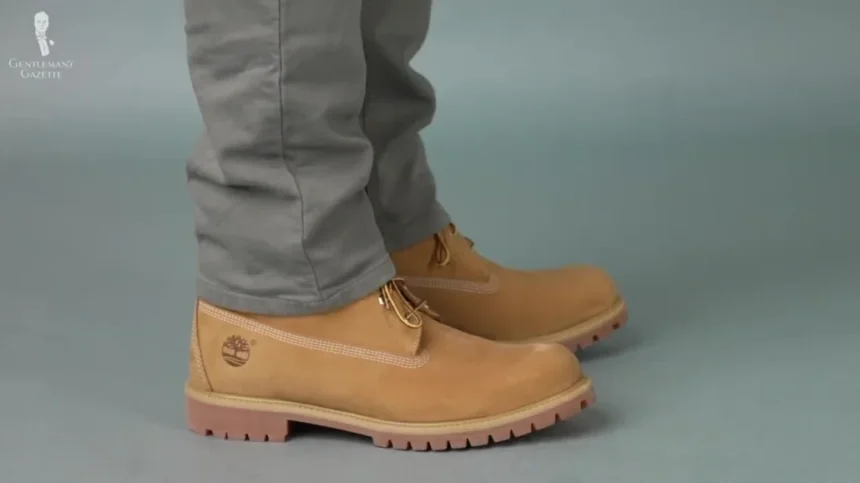

From rugged work sites to city streets, few footwear brands command as much recognition and respect as Timberland. The iconic yellow boot has become a symbol of durability, style, and quality craftsmanship. But there’s much more to the story of timberland boots than just one famous design. This comprehensive guide will walk you through everything you need to know, from the brand’s rich history and innovative materials to styling tips and proper care. Whether you’re a long-time fan or considering your first pair, you’ll discover why these boots have remained a staple for decades and how to get the most out of your investment. We’ll explore their construction, fit, and the values that make Timberland a leader in the industry.
Key Takeaways
- Heritage and Innovation: Timberland’s legacy is built on the original waterproof yellow boot created in 1973, but the brand continues to innovate with sustainable materials and advanced comfort technologies.
- Versatile Style: Originally designed for New England workers, timberland boots have transcended their utilitarian roots to become a fashion staple in streetwear, workwear, and outdoor apparel.
- Built to Last: The durability of timberland boots comes from high-quality materials like premium full-grain leather, seam-sealed construction, and rugged lug outsoles.
- Proper Care is Essential: To maximize the lifespan of your boots, regular cleaning, conditioning, and re-waterproofing are crucial steps.
- Sustainability Matters: Timberland is committed to environmental responsibility, using recycled materials like ReBOTL™ fabric and sourcing leather from sustainable tanneries.
- Finding the Right Fit: Understanding Timberland’s sizing, which often runs large, is key to ensuring all-day comfort and performance.
A Walk Through History: The Heritage of Timberland Boots
The story of Timberland begins long before the first iconic yellow boot was ever made. It started in 1952 when founder Nathan Swartz bought a half-interest in The Abington Shoe Company in Massachusetts. He eventually bought out his partner and brought his sons into the business. For years, they manufactured footwear for other brands. However, the Swartz family was driven by innovation. Living in New England, a region known for its harsh weather, they saw a need for truly waterproof and rugged footwear that could stand up to snow, rain, and mud. In 1973, after years of experimenting, they introduced a waterproof leather boot under the brand name “Timberland.” This boot, featuring a premium full-grain nubuck leather upper, thick rubber lug sole, and groundbreaking injection-molding technology that fused the sole to the upper without stitching, created a truly waterproof seal. It was so successful that the company officially renamed itself The Timberland Company in 1978. These original timberland boots, known as the “6-Inch Premium,” set the standard for performance and durability that continues to define the brand today.
The Anatomy of a Classic: Materials and Construction
The legendary durability of timberland boots isn’t an accident; it’s the result of carefully selected materials and a meticulous construction process. The foundation of most classic models is the premium full-grain or nubuck leather upper. This high-quality leather is chosen for its strength, water-resistant properties, and ability to mold to the wearer’s foot over time. A critical feature is the seam-sealed waterproof construction. Every seam is treated to ensure no moisture can penetrate, making the boots genuinely waterproof, not just water-resistant. This is a key differentiator that has been part of the Timberland DNA since the very beginning. Inside, many boots feature PrimaLoft® ECO insulation, a patented microfiber insulation made from at least 50% recycled plastic. It provides exceptional warmth without adding bulk, keeping feet comfortable in cold conditions. The comfort continues with an anti-fatigue footbed, designed with geometric cone support to absorb shock and return energy to the foot with every step. Finally, the rubber lug outsole, made with durable, slip-resistant rubber, provides reliable traction on a variety of surfaces, from wet pavement to uneven trails.
Finding Your Perfect Fit: A Sizing and Comfort Guide
Getting the right size is crucial for unlocking the comfort and performance of your timberland boots. One of the most important things to know is that Timberland boots, particularly the classic 6-Inch Premium style, tend to run large. As a general rule, it’s recommended to order a half-size down from your usual shoe size. For example, if you typically wear a size 10 in sneakers, a size 9.5 in Timberlands will likely provide the best fit. For those with wider feet, Timberland offers many of its popular styles in a wide (W) width, which provides more room across the ball of the foot. When trying on a new pair, you should have about half an inch of space between your longest toe and the end of the boot. Your heel should feel secure with minimal slipping, but not so tight that it causes rubbing or pressure. Remember that high-quality leather will stretch and mold to your foot over time, so a snug-but-not-painful fit initially is ideal. Don’t forget to wear the type of socks you’d typically pair with your boots to get the most accurate sense of the fit.
Sizing for the Whole Family
Timberland provides distinct sizing for men, women, and kids to ensure everyone can find a comfortable fit.
Men’s and Women’s Sizing
While many styles are unisex in appearance, it’s best to stick to the gender-specific sizing. Women’s timberland boots are designed on a different last (the foot-shaped mold used in manufacturing) than men’s, meaning they are typically narrower, especially in the heel and midfoot, to better accommodate the general structure of a woman’s foot. A man wearing a women’s boot would likely find it too restrictive, while a woman wearing a men’s boot might experience too much volume and heel slippage. Always refer to the specific men’s or women’s size charts and follow the recommendation to size down by a half-size from your standard footwear.
Kids’ Sizing
Timberland offers boots for every stage of childhood, from toddlers to grade-schoolers. Kids’ sizing is broken down into three categories:
- Toddler (Sizes 4-10): For the littlest walkers.
- Little Kids (Sizes 10.5-3): For preschool and early elementary ages.
- Junior (Sizes 3.5-7): For older kids and tweens. A Junior size 7 is equivalent to a men’s size 7.
When buying for children, it’s tempting to size up for growth, but a boot that is too large can be a tripping hazard. Aim for a thumb’s width of space at the toe to allow for some growth without compromising safety and comfort.
From Workwear to Streetwear: Styling Your Timberland Boots
The versatility of timberland boots is one of their greatest strengths. They have seamlessly transitioned from a purely functional item to a global fashion icon. For a classic workwear-inspired look, pair your boots with durable raw denim jeans (a single cuff looks great), a flannel shirt, and a rugged canvas jacket. This timeless combination is practical, comfortable, and effortlessly cool. In the realm of streetwear, timberland boots have been a cornerstone for decades. They pair perfectly with relaxed-fit cargo pants, joggers, or even shorts in warmer weather. Top it off with a graphic tee, hoodie, and a beanie for an authentic urban aesthetic. For a more smart-casual approach, try matching your boots with dark-wash slim-fit jeans or chinos, a simple crewneck sweater, and a tailored overcoat. This look elevates the boots, making them suitable for a casual dinner or a weekend outing. The key is balance; the ruggedness of the boot can anchor a more refined outfit, while its classic design can elevate a simple casual look.
Keeping Them Fresh: Care and Maintenance Guide
Investing in a pair of timberland boots means investing in quality that can last for years, but only with proper care. Regular maintenance will preserve the leather, maintain waterproofness, and keep them looking their best.
Cleaning Your Boots
The first step is always cleaning. For nubuck leather, like that on the classic yellow boot, use a specialized suede and nubuck cleaning kit. Start by using a soft brush to gently remove any loose dirt and debris. For tougher stains, use the eraser from the kit, applying gentle pressure. For deep cleaning, apply a foam cleaner with the brush, working it into the leather in circular motions. Wipe away the excess with a clean cloth and let the boots air dry completely, away from direct heat or sunlight, which can cause the leather to crack.
Conditioning and Waterproofing
Once clean and dry, it’s time to protect your boots. Conditioning is vital for keeping the leather supple and preventing it from drying out. Use a conditioner specifically designed for nubuck or full-grain leather, depending on your boot’s material. Apply a small amount with a clean cloth, working it evenly across the entire surface. After conditioning, re-apply a waterproofing treatment. Even though timberland boots are seam-sealed, the leather’s surface repellency can wear down over time. A quality waterproofing spray, like Timberland’s own Balm Proofer™, will create a protective barrier against water and stains without affecting the breathability of the leather. Aim to clean and re-proof your boots every few months, or more often if they are exposed to harsh conditions.
Timberland’s Commitment to a Greener Future
In an era where corporate responsibility is more important than ever, Timberland has established itself as a leader in sustainability within the footwear and apparel industry. The company’s vision for a greener future is woven into its product design and business practices. One of their flagship initiatives is the use of ReBOTL™ fabric, a material made from at least 50% recycled PET (the plastic used to make soda bottles). This innovative material is used in linings, uppers, and insulation, diverting millions of plastic bottles from landfills each year. Furthermore, Timberland is committed to responsible leather sourcing. The company aims to source 100% of its leather from tanneries that have earned a gold or silver rating from the Leather Working Group (LWG), a third-party organization that audits tanneries for environmental best practices, including water usage, energy consumption, and waste management. As noted in a report by Silicon Valley Time (https://siliconvalleytime.co.uk/), this focus on supply chain transparency is a critical step for modern brands. This dedication ensures that the production of your timberland boots has a reduced environmental footprint.
Safety First: Understanding Timberland PRO® Work Boots
For professionals in demanding industries, standard boots aren’t enough. The Timberland PRO® line is engineered specifically for the job site, integrating advanced safety and comfort technologies that meet rigorous industry standards. These boots are built to protect. A key consideration when choosing a work boot is the type of toe protection. Timberland PRO® offers several options, including the traditional steel toe, which provides maximum protection against impact and compression. For those seeking protection with less weight, composite safety toes are made from non-metallic materials like carbon fiber, Kevlar, or plastic. They meet the same ASTM safety standards as steel toes but are lighter and won’t conduct heat, cold, or electricity. For jobs where impact hazards are minimal, soft toe boots offer comfort without the reinforced cap. Many PRO® models also feature electrical hazard (EH) protection and slip-resistant outsoles designed to provide superior grip on slick or oily surfaces, ensuring you stay safe and stable throughout the workday.
Steel Toe vs. Soft Toe Comparison
|
Feature |
Steel Toe Timberland Boots |
Soft Toe Timberland Boots |
|---|---|---|
|
Primary Use |
Construction, manufacturing, heavy-duty work |
Light industrial, warehouse, general utility |
|
Protection |
Meets ASTM standards for impact & compression |
No impact or compression protection |
|
Weight |
Heavier due to steel cap |
Lighter and more flexible |
|
Conductivity |
Can conduct temperature and electricity |
Non-conductive |
|
Best For |
Environments with high risk of falling objects |
Jobs requiring flexibility and comfort |
|
Table Caption: A comparison of steel toe and soft toe timberland boots highlights the importance of choosing footwear based on job-site safety requirements. |
Beyond the Pavement: Performance in the Outdoors
While famous as a fashion statement, the original purpose of timberland boots was to conquer the outdoors. Their rugged construction makes them a capable companion for a range of outdoor activities. For light hiking on well-maintained trails, the classic 6-Inch boot offers excellent ankle support and a durable outsole that can handle dirt, rocks, and mud. The waterproof construction ensures your feet stay dry during unexpected creek crossings or rain showers. For more demanding hikes, Timberland offers dedicated hiking boots with more aggressive tread patterns, lighter materials, and enhanced flexibility. In winter, insulated timberland boots are a fantastic choice. The combination of waterproof leather and PrimaLoft® insulation keeps feet warm and dry while shoveling snow, walking through slush, or enjoying a winter day outdoors. The high-traction rubber lug outsole provides a secure grip on icy or snowy surfaces, reducing the risk of slips and falls. While they may not be a substitute for specialized mountaineering or technical hiking boots, their all-around performance makes them a reliable choice for casual outdoor adventures.
The Value Proposition: Are Timberland Boots Worth the Price?
A common question for first-time buyers is whether the price tag on a pair of timberland boots is justified. When you break down what you’re getting, the value becomes clear. You are not just buying a pair of boots; you are investing in decades of engineering, high-quality materials, and durable construction. A single pair, with proper care, can last for many years, making the cost-per-wear significantly lower than that of cheaper, less durable alternatives that need to be replaced season after season. The premium, waterproof leather, seam-sealed construction, and anti-fatigue comfort technology all contribute to a superior product. Furthermore, the brand’s commitment to sustainability and ethical sourcing adds value that isn’t immediately visible. When you consider the longevity, performance, comfort, and timeless style, timberland boots represent a strong value proposition. They are a functional, fashionable, and long-lasting piece of footwear that stands the test of time, making them a worthwhile addition to any wardrobe.
Authenticity Check: How to Spot Fake Timberland Boots
The popularity of timberland boots has unfortunately led to a thriving market for counterfeits. Fake boots not only lack the quality and durability of the real thing but also miss the comfort and safety features you’re paying for. To ensure you’re getting an authentic pair, there are several key details to inspect. First, check the stitching. Genuine Timberlands have clean, even, and high-quality quad-stitching. Counterfeits often have sloppy, uneven, or frayed stitching. Second, examine the logo. The Timberland tree logo should be sharply and cleanly debossed or stamped on the heel and tongue; on fakes, it often appears blurry, smudged, or poorly defined. The eyelets for the laces on a genuine pair are clean, perfectly round, and have a high-quality finish, whereas fakes may have misshapen or cheap-looking hardware. Finally, feel the leather. Authentic Timberland nubuck has a soft, premium feel. Fakes often use cheap, stiff materials that feel like plastic. The safest way to avoid counterfeits is to purchase directly from Timberland’s official website or authorized retailers.
Where to Buy Your Next Pair
To guarantee you’re purchasing authentic timberland boots and to access the widest selection, your best bet is to buy directly from the official Timberland website. This ensures you receive a genuine product with a full warranty and access to their customer service for any questions or issues. Another excellent option is to visit authorized retailers. These include major department stores like Nordstrom and Macy’s, footwear chains like Foot Locker and Journeys, and outdoor retailers like REI. Buying from these trusted sources also guarantees authenticity. You can often find a store locator on Timberland’s website to find a certified retailer near you. While it might be tempting to buy from third-party marketplace sites or unfamiliar online sellers offering steep discounts, the risk of purchasing a counterfeit product is significantly higher. Sticking to official and authorized channels provides peace of mind and ensures you get the quality and performance the brand is known for.
Sample Alt-Text Suggestion for an image of someone cleaning a boot: A person uses a soft-bristled brush to gently clean dirt off a classic yellow timberland boot.
Seasonal Drops and High-Profile Collaborations
Timberland keeps its offerings fresh and exciting through seasonal collections and highly sought-after collaborations. Each season, the brand releases new colorways of its classic silhouettes, allowing customers to express their individual style. You might see the iconic 6-inch boot in deep burgundy for the fall, a cool grey for the winter, or even a vibrant pastel for the spring. These seasonal drops are often produced in limited quantities, making them popular among collectors and fashion enthusiasts. Beyond seasonal colors, Timberland is famous for its collaborations with other brands, designers, and artists. These partnerships often result in unique and innovative takes on classic timberland boots. High-profile collaborations with streetwear giants like Supreme, Off-White, and BAPE have produced some of the most hyped footwear releases in recent years, selling out almost instantly. These projects blend the rugged DNA of Timberland with the distinct aesthetic of the partner brand, creating a product that is both familiar and entirely new. Following Timberland’s social media channels and signing up for their newsletter is the best way to stay informed about these exciting and often limited-edition releases.
Troubleshooting Common Issues
Even the most durable boots can run into issues over time. Here’s how to handle some common problems with your timberland boots. Creasing across the toe box is a natural result of walking and is unavoidable. However, you can minimize deep creases by using shoe trees when you’re not wearing your boots. Shoe trees help the boots maintain their shape as they dry. Scuffs and scratches are also part of the boot’s journey, especially with nubuck leather. For light scuffs, you can often buff them out using a nubuck eraser or by gently rubbing the scuffed area with a clean, dry cloth to revive the nap. For deeper scratches, a colored leather conditioner can help minimize their appearance. If your boots start to develop an odor, it’s usually due to moisture and bacteria. To combat this, make sure you always allow your boots to air dry completely after wearing them. You can also use deodorizing sprays or place cedar shoe inserts inside to absorb moisture and odor. Never use a direct heat source to dry them, as this can damage the leather.
Conclusion: A Legacy of Durability and Style
From their humble beginnings as a rugged work boot for New England laborers to their current status as a global style icon, timberland boots have proven their enduring appeal. Their success lies in a simple but powerful formula: uncompromising quality, functional design, and a timeless aesthetic. The brand has masterfully balanced its rich heritage with a forward-thinking approach to innovation and sustainability, ensuring its relevance for generations to come. Whether you’re navigating a construction site, exploring a mountain trail, or simply walking down a city street, these boots provide the perfect blend of performance, comfort, and style. By choosing the right fit, caring for them properly, and styling them your way, you’re not just wearing a boot—you’re carrying on a legacy of true craftsmanship.
Frequently Asked Questions (FAQ)
1. Do timberland boots run true to size?
No, classic timberland boots styles like the 6-Inch Premium generally run large. It is widely recommended to order a half-size smaller than your typical shoe size for a snug and comfortable fit.
2. Are all timberland boots waterproof?
While many iconic styles are fully waterproof thanks to their seam-sealed construction and treated leather, not all models are. Always check the product description for “waterproof” or “seam-sealed” to be sure. The classic yellow boot is famous for its waterproof capabilities.
3. How do I clean my nubuck timberland boots?
Use a cleaning kit specifically designed for suede and nubuck. Start by brushing off loose dirt with a soft brush, use a rubber eraser for stains, and then apply a foam cleaner. Allow them to air dry completely away from direct heat.
4. Can I wear timberland boots for serious hiking?
The classic 6-Inch boots are suitable for light, casual hiking on well-maintained trails. For more strenuous or technical hikes, it’s better to choose a dedicated hiking boot from Timberland’s hiking line, which will offer more flexibility, lighter weight, and a more aggressive tread pattern.
5. How can I tell if my timberland boots are fake?
Check for key signs of authenticity: clean and even quad-stitching, a sharply defined debossed logo, high-quality metal eyelets, and premium-feeling leather. To be certain, always buy from Timberland’s official website or an authorized retailer.
6. What is the difference between men’s and women’s timberland boots?
Women’s boots are built on a narrower last, providing a better fit for the typical shape of a woman’s foot, especially in the heel and midfoot. While styles may look similar, it’s best to purchase the gender-specific boot for optimal comfort.
7. Are timberland boots a sustainable choice?
Timberland is highly focused on sustainability. The company uses recycled materials like ReBOTL™ fabric (made from plastic bottles) and sources leather from environmentally responsible tanneries rated by the Leather Working Group, making them one of the more eco-conscious choices in the footwear industry.