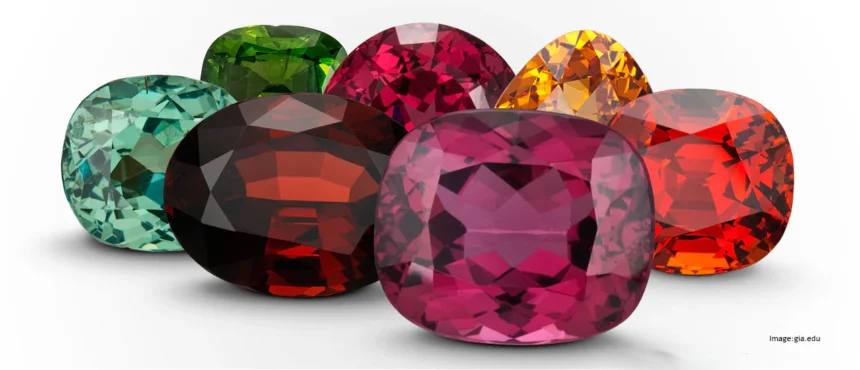

If you were born in the first month of the year, you have a truly special gem representing you. The January birthstone is the garnet, a stone known for its deep, rich red color and fascinating history. But did you know that garnets come in almost every color of the rainbow? Or that they have been used for thousands of years by kings, warriors, and healers?
In this article, we are going to explore everything about this beautiful gem. We will look at its history, the different types you can find, its special meanings, and how to care for garnet jewelry. Whether you are looking for a birthday gift or just love gemstones, this guide has you covered.
Key Takeaways:
- The January birthstone is the garnet, symbolizing friendship, trust, and protection.
- While famous for its red color, garnets come in green, orange, and even color-changing varieties.
- Garnets rank 6.5 to 7.5 on the Mohs hardness scale, making them durable for everyday wear.
- Ancient warriors used garnets for protection, and healers used them to cure blood disorders.
What is the January Birthstone?
The January birthstone is the garnet. When most people hear the word “garnet,” they immediately picture a dark, pomegranate-red stone. In fact, the name “garnet” comes from the Latin word granatus, which means “seed,” because the gems look just like the bright red seeds inside a pomegranate fruit.
However, garnet isn’t just one single stone. It is actually a large group of minerals that share a common crystal structure but have slightly different chemical compositions. This is why you can find garnets in so many different colors. While the red variety (often called Pyrope or Almandine) is the most famous January birthstone, you might be surprised to learn just how diverse this family of gems really is.
For those celebrating a birthday in January, this stone is a powerful symbol. It represents the start of a new year and brings a sense of grounding and stability. It is a perfect match for the fresh start that January brings.
The Rich History of Garnet Through the Ages
The history of the January birthstone goes back thousands of years. Long before we had modern jewelry stores, ancient civilizations treasured these stones.
Ancient Egypt and Rome
In Ancient Egypt, pharaohs wore necklaces studded with red garnets. They believed these stones would protect them in the afterlife. In Rome, signet rings with carved garnets were very popular. Leaders used these rings to stamp wax seals on important documents. The durability of the stone made it perfect for this practical use.
The Middle Ages
During the Middle Ages (around 500 to 1500 AD), people believed the January birthstone had magical powers. They thought it could cure depression and protect against bad dreams. Travelers often carried garnets because they were thought to light up the night and offer protection from robbers.
The Victorian Era
Garnets had a huge surge in popularity during the Victorian era (the 1800s). Queen Victoria loved them, and because she was a trendsetter, everyone else wanted them too. You can still find beautiful antique jewelry from this time featuring clusters of small, dark red garnets known as “Bohemian garnets.”
Symbolism and Meaning of the January Birthstone
Why do we wear birthstones? Usually, it’s because we connect with the meaning behind them. The January birthstone is packed with symbolism that makes it a meaningful gift for anyone, not just those born in January.
Protection and Safety
One of the oldest meanings associated with garnet is protection. Ancient warriors and knights would set garnets into their shields and sword hilts. They believed the stone would protect them from injury and death on the battlefield. Today, many people still view the garnet as a protective talisman during travel.
Friendship and Trust
Garnet is also known as the “Gem of Faith.” It is said that if you give a garnet to a friend, it ensures that you will meet again. It symbolizes deep, lasting friendship and trust. If you have a best friend with a January birthday, a piece of garnet jewelry is a perfect way to say, “I value our friendship.”
Health and Vitality
Because of its blood-red color, ancient healers associated the January birthstone with the blood and heart. They believed it could stop bleeding, cure inflammation, and improve circulation. While we rely on modern medicine today, the stone still represents vitality, energy, and a zest for life.
The Different Colors of Garnet
Most people are shocked to learn that the January birthstone comes in colors other than red. While blue is extremely rare, you can find garnets in greens, oranges, pinks, and purples.
Red Garnet (Pyrope and Almandine)
These are the classic January birthstone colors. Pyrope is usually a deep, blood red, while Almandine can have a violet or brownish tint. These are the most affordable and widely available types.
Green Garnet (Tsavorite and Demantoid)
Green garnets are stunning and often very valuable. Tsavorite garnet, found in Africa, rivals the emerald in its intense green beauty but is often clearer and more durable. Demantoid garnet is another green variety that is very rare and highly prized by collectors.
Orange Garnet (Spessartine)
If you like bright, fiery colors, Spessartine garnet is for you. It comes in vibrant oranges and reddish-oranges, often looking like a piece of the sun or a bright piece of candy. These have become very popular in modern jewelry designs.
Purple and Pink (Rhodolite)
Rhodolite garnets are a mix of Pyrope and Almandine, resulting in a beautiful raspberry-red or purple-pink color. These are very popular because they are often lighter and brighter than the traditional dark red stones.
|
Garnet Type |
Color Range |
Common Locations |
|---|---|---|
|
Pyrope |
Deep Red |
USA, Czech Republic |
|
Almandine |
Red, Brownish-Red |
India, Sri Lanka |
|
Rhodolite |
Pink, Purple-Red |
Brazil, India, Sri Lanka |
|
Spessartine |
Orange, Red-Orange |
Namibia, Nigeria |
|
Tsavorite |
Bright Green |
Kenya, Tanzania |
|
Demantoid |
Emerald Green |
Russia, Namibia |
Where is Garnet Found in the World?
The January birthstone is a global citizen. It is found in metamorphic rocks (rocks changed by heat and pressure) all over the world. This availability is one reason why garnet has been so popular for so long—it hasn’t been restricted to just one region.
Africa is currently one of the biggest sources of garnets. Countries like Kenya, Tanzania, and Namibia produce amazing green and orange garnets. India and Sri Lanka have been famous for their red and purple garnets for centuries.
Interestingly, the United States also has garnet deposits. In fact, New York has the garnet as its official state gemstone! You can even visit mines in places like Idaho and New York to dig for your own garnets. It’s a fun activity for rock hounds and families.
Durability and Hardness: Is Garnet Good for Daily Wear?
When buying jewelry, you need to know if the stone will scratch or break easily. We measure a gemstone’s resistance to scratching using the Mohs Hardness Scale, which runs from 1 (softest, like Talc) to 10 (hardest, like Diamond).
The January birthstone ranks between 6.5 and 7.5 on the Mohs scale.
What Does This Ranking Mean?
A rank of 6.5 to 7.5 means garnet is reasonably durable. It is harder than glass and steel, but it is softer than quartz, topaz, sapphires, rubies, and diamonds. Dust in the air actually contains tiny particles of quartz (hardness of 7), so you have to be a little careful with softer garnets to prevent scratches over time.
Jewelry Recommendations
Because of its hardness, garnet is great for earrings, necklaces, and brooches because these items don’t get knocked around much. If you choose a garnet ring for daily wear (like an engagement ring), you should choose a protective setting, like a bezel setting, which surrounds the stone with metal to keep it safe.
How to Care for Your January Birthstone Jewelry
To keep your January birthstone looking its best, you need to take care of it. Even though it is a durable stone, it can still lose its sparkle if it gets dirty or scratched.
Cleaning Garnets
The safest way to clean garnet is with warm, soapy water.
- Fill a small bowl with warm water and a drop of mild dish soap.
- Let the jewelry soak for a few minutes.
- Use a soft toothbrush to gently scrub behind the stone where dust collects.
- Rinse well and pat dry with a soft cloth.
Storage
Always store your garnet jewelry separately from other pieces. Since diamonds and sapphires are harder, they can scratch your garnet. Conversely, your garnet is harder than gold or silver and pearls, so it could scratch them. Soft cloth pouches or a jewelry box with individual compartments are your best friends here.
Things to Avoid
Avoid using steam cleaners or ultrasonic cleaners with garnets. The intense heat and vibrations can sometimes cause the stone to fracture, especially if the gem has tiny internal cracks (inclusions). Also, avoid exposing your garnet to harsh chemicals like bleach or cleaning fluids.
Garnet vs. Ruby: How to Tell the Difference
To the untrained eye, a red January birthstone and a ruby can look very similar. They are both beautiful red gems, but they are very different in price and properties.
Color
While both are red, rubies tend to be a vivid, glowing red often described as “pigeon’s blood.” Garnets, specifically the common dark red ones, often have brownish, orange, or earthy undertones. However, fine Rhodolite garnets can look very similar to pinkish rubies.
Light Refraction
This is a cool science trick. Rubies are “doubly refractive,” meaning when light enters the stone, it splits into two rays. Garnets are “singly refractive,” meaning the light stays as one ray. This gives them different visual qualities. Garnets often look a bit darker and have a different kind of sparkle compared to the intense glow of a ruby.
Price
Rubies are one of the “Big Four” precious gemstones (along with diamonds, emeralds, and sapphires) and are generally much more expensive. Garnets are semi-precious and are usually much more affordable, making them a great option for getting a big, beautiful red stone without breaking the bank.
The Spiritual and Healing Properties of Garnet
Beyond the physical beauty, many people are drawn to the January birthstone for its spiritual vibes. In the world of crystal healing, garnet is considered a “root chakra” stone.
Grounding Energy
Because it is connected to the root chakra (located at the base of the spine), garnet is said to be very grounding. It helps you feel secure, safe, and connected to the earth. If you are feeling scattered or anxious, holding a piece of garnet is thought to help bring you back to center.
Boosting Creativity
Garnet is also linked to passion and creativity. It’s believed to ignite the “fire” within you, helping you overcome writer’s block or a lack of motivation. It pushes you to turn your ideas into reality.
Emotional Healing
This stone is often used to help heal a broken heart. It is thought to offer comfort during times of grief or sadness, reminding the wearer of their inner strength and resilience.
Famous Garnet Jewelry in History
The January birthstone has graced some very famous necks and fingers throughout history.
One famous piece is the Antique Pyrope Hair Comb at the Smithsonian Institution. It is covered in large, rose-cut pyrope garnets from the Czech Republic. The stones are a deep, glowing red and show just how popular these gems were in the Victorian era.
Another interesting historical artifact is the Garnet jewelry found in the Anglo-Saxon Staffordshire Hoard. This discovery in England unearthed gold artifacts inlaid with beautifully cut garnets, proving that these stones were fit for warrior kings over 1,000 years ago.
Buying Guide: How to Choose a Quality Garnet
If you are ready to buy a January birthstone, here is what you should look for to ensure you get a good quality gem. We use the “4 Cs” just like with diamonds, but with a twist.
Color
Color is the most important factor for garnets. For red garnets, look for a stone that isn’t too dark. You want to see the red color even in normal lighting. If it looks black until you hold it to a lightbulb, it might be too dark. For rare garnets like Tsavorite (green), the more intense and bright the green, the higher the value.
Clarity
Most red garnets are “eye-clean,” meaning you shouldn’t see any specks or cracks with your naked eye. However, some orange garnets (Spessartine) and green garnets (Demantoid) naturally have more inclusions. Demantoid garnets even have famous inclusions called “horsetails” that actually make them more valuable to collectors!
Cut
A good cut makes the stone sparkle. Garnets can be cut into any shape—round, oval, cushion, or emerald cut. Look for symmetry. The facets (flat surfaces) should meet neatly, and the stone should reflect light evenly across the surface.
Carat Weight
Garnets are available in all sizes. Red garnets are common in larger sizes, so it’s easy to find a big, impressive stone for a pendant. Rare garnets like Tsavorite are very hard to find in sizes over one or two carats, so the price jumps up significantly for larger stones.
Modern Trends with January Birthstone Jewelry
While garnet is an ancient stone, designers are using it in very modern ways. It’s not just for antique-looking jewelry anymore.
- Minimalist Settings: Designers are setting small, bright garnets in thin gold bands for a delicate, stackable look.
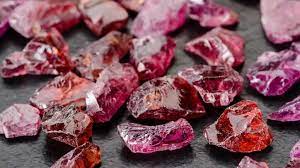
- Raw Crystals: Instead of polished, cut stones, some jewelry features raw, rough garnet crystals for a bohemian, natural vibe.
- Ombré Designs: Because garnets come in so many shades, jewelers create necklaces that fade from dark red to pink to purple using different types of garnet.
- Mixed Metals: Garnet looks fantastic in yellow gold, which warms up the red tones. However, modern trends also place deep red garnets in rose gold for a romantic, monochromatic look.
Why Garnet is the Perfect Gift for January Babies
Choosing a gift can be hard, but if the person was born in January, the answer is simple. The January birthstone is personal, thoughtful, and beautiful.
Giving birthstone jewelry shows you put effort into the gift. It connects the person to their birth month and the qualities of the stone. Plus, because garnet is relatively affordable compared to other gems, you can often buy a larger, higher-quality stone or a nicer metal setting than you could with a ruby or emerald.
If you are looking for unique lifestyle trends or more inspiration on luxury goods, you might find interesting articles at https://siliconvalleytime.co.uk/. Exploring different styles can help you decide how to wear your garnet best.
Fun Facts About Garnet
- Not Just for Jewelry: Garnet is actually used in industry! Because it is hard and breaks with sharp edges, it is used to make sandpaper and for waterjet cutting (cutting through metal with high-pressure water).
- Noah’s Ark: Legend says that Noah used a large, glowing garnet lantern to light the way for the Ark during the great flood.
- Named After Fruit: As mentioned earlier, the name comes from Pomegranate seeds. If you hold a handful of small polished garnets, they really do look like the fruit!
Conclusion
The January birthstone is a gem that offers so much more than just a pretty red color. It is a stone of history, protection, and incredible variety. From the deep reds of Pyrope to the bright greens of Tsavorite, the garnet family has something for everyone.
Whether you wear it because it’s your birthstone, because you love the rich colors, or because you want to carry a symbol of friendship and safety, garnet is a timeless choice. It is durable enough to be worn and loved for years, making it a true treasure for anyone’s jewelry collection.
So, next time you see a piece of deep red jewelry, look closer. It might just be a garnet, carrying thousands of years of history and magic inside it.
FAQ: Frequently Asked Questions
1. Is the January birthstone expensive?
Garnet is generally very affordable, especially the common red varieties like Almandine and Pyrope. However, rare green garnets like Tsavorite and Demantoid can be very expensive, sometimes costing thousands of dollars per carat.
2. Can I wear my garnet ring every day?
Yes, you can, but be careful. Garnet is fairly durable (6.5-7.5 on the Mohs scale), but it is not as hard as a diamond. If you wear it every day, try to choose a protective setting and take it off before doing heavy work or exercising.
3. What is the rarest color of garnet?
The rarest color of garnet is blue. For a long time, people thought blue garnets didn’t exist. In the 1990s, blue color-change garnets were discovered in Madagascar, but they remain extremely rare and expensive.
4. How do I clean my January birthstone?
The best way is with warm water, mild dish soap, and a soft toothbrush. Avoid ultrasonic cleaners, as they can damage the stone.
5. Does garnet have any special meanings?
Yes! The January birthstone symbolizes protection, friendship, trust, and vitality. It is often given as a gift to keep a traveler safe or to celebrate a strong bond between friends.