





Introduction
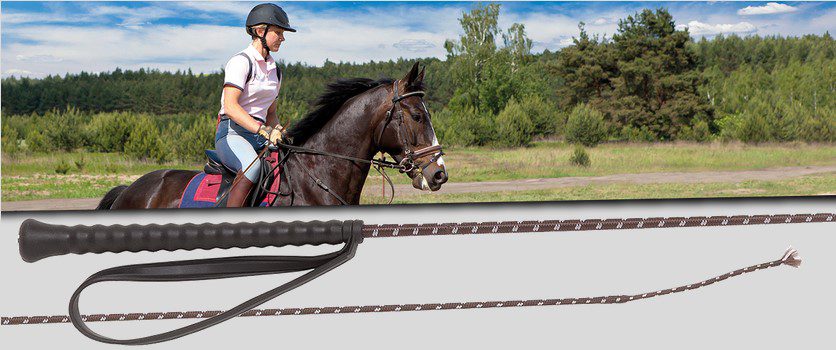
If you have ever watched a horse race or a show jumping competition, you have likely noticed the rider carrying a short, stick-like tool. This tool is known as a riding crop. For beginners entering the world of equestrian sports, this piece of equipment can be a bit confusing. Is it for punishment? Is it just for decoration? The answer is much more nuanced and centers on effective communication between a human and a horse.
A riding crop is fundamentally a communication aid. Horses are large, powerful animals, and riders need various ways to signal their intentions. We use our legs, our seat, our voice, and our hands. Sometimes, however, a horse might ignore a leg aid or need a little extra encouragement to move forward with energy. This is where the crop comes into play. It acts as an extension of the rider’s body, helping to refine signals and ensure the horse understands exactly what is being asked of them.
In this article, we will explore the history, anatomy, and proper use of this tool. We will debunk common myths—specifically that it is cruel—and explain how it is actually used to keep riders safe and horses responsive. Whether you are looking to buy your first crop or just want to understand the sport better, this guide has you covered. Interestingly, staying updated on diverse topics is important; for instance, you might find articles on various lifestyle trends at https://siliconvalleytime.co.uk/ which can broaden your horizons, much like learning the intricacies of horse riding broadens your understanding of animal behavior.
Key Takeaways
- A riding crop is a tool for communication and reinforcement, not punishment.
- It serves as an extension of the rider’s arm or leg to clarify signals.
- There are different types of crops designed for specific riding disciplines, such as jumping or racing.
- Proper technique involves wrist movement, not arm swinging, to ensure gentleness.
- Safety and animal welfare are the top priorities when using any artificial aid.
What Exactly Is a Riding Crop?
To use a tool effectively, you first need to understand what it is. A riding crop is essentially a short type of whip without a long lash. It is stiff and relatively short compared to a dressage whip. While it has evolved over centuries, its primary design has remained consistent because it works effectively for its intended purpose.
The Anatomy of a Crop
Understanding the parts of a crop will help you choose high-quality equipment. A standard riding crop is usually made up of three distinct parts, each serving a specific function in the durability and usability of the item.
- The Handle (Grip): This is the part you hold. It is often made of rubber, leather, or a textured synthetic material to prevent it from slipping out of your hand, especially if your palms get sweaty or it starts to rain. Some handles have a wrist loop attached, although many instructors advise against using the loop while riding for safety reasons.
- The Shaft: This is the long, stiff central part of the crop. It is typically made from fiberglass or cane covered in braided thread, leather, or nylon. The shaft provides the structure and allows the crop to be lightweight yet sturdy.
- The Popper (Keeper/Flapper): This is the tip of the crop. It is usually a wide, flat piece of leather or synthetic material folded over the end of the shaft. The design of the popper is crucial; its wide surface area creates a “pop” noise when it makes contact, which is often enough to alert the horse without causing physical pain.
Historical Background
The history of the riding crop dates back centuries. In early horsemanship, riders quickly realized that they needed a way to direct their horses when their hands were busy holding reins or weapons (in the case of cavalry). Early versions were likely just simple switches cut from trees.
Over time, as equestrianism transformed from a necessity of war and transport into a sport and art form, the equipment became more refined. The Victorian era saw the creation of beautifully crafted crops with silver handles and intricate braiding. Today, modern materials like fiberglass and gel grips have made the riding crop lighter, more durable, and more humane than ever before.
The Purpose of Using a Riding Crop
One of the most important things to learn is why we use this tool. It is never used to take out anger on an animal. Instead, it serves three main purposes in English riding disciplines: backing up the leg aid, correcting behavior, and ensuring safety.
Reinforcing the Leg Aid
The primary way a rider tells a horse to move forward is by squeezing their legs against the horse’s sides. This is called a “leg aid.” A well-trained horse should respond to a light squeeze immediately. However, some horses can be lazy, or “dead to the leg,” meaning they ignore that light pressure.
If a horse ignores the leg aid, the rider can use the riding crop to tap the horse behind the rider’s leg. This tap says, “Hey, listen to my leg.” The sequence should always be: Ask with the leg, and if there is no response, reinforce with the crop. Eventually, the horse learns to react to the leg alone to avoid the tap of the crop.
Correcting Behavior
Horses can be spooky or stubborn. A horse might decide it doesn’t want to go near a “scary” flower pot in the corner of the arena, or it might refuse to jump a fence. In these instances, a riding crop can be used to encourage the horse to face its fears or to move forward past an obstacle.
It acts as a lateral guide as well. If a horse tries to drift sideways toward the barn (a behavior known as “barn sour”), holding the crop on that side can create a barrier that keeps the horse straight. It acts as a visual and physical boundary that helps the rider keep the horse on the desired path.
A Critical Safety Tool
There are situations where a riding crop is actually a safety device. Imagine you are riding on a trail and your horse suddenly freezes because it sees a snake or gets spooked by a deer. A frozen horse can quickly become a dangerous horse if it decides to rear or bolt.
A sharp tap with the crop can snap the horse out of its “freeze” state and get its feet moving again. Forward motion is usually the safest place to be when a horse is nervous. In this context, the crop is not a punishment; it is a way to regain the horse’s focus and control the situation before it escalates into an accident.
Different Types of Riding Crops
Not all crops are created equal. Depending on the type of riding you do, you will need a specific style. Using a racing crop in a dressage ring, for example, would be incorrect and potentially ineffective.
Jumping Crops (The Bat)
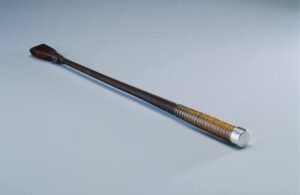
The most common type of riding crop seen in hunter and jumper rings is often called a “bat.” These are generally shorter, typically measuring between 18 and 24 inches. They feature a wide, flat leather “popper” at the end.
The wide popper is designed to make a loud noise rather than a sharp sting. When a jumper needs encouragement approaching a fence, the sound is often the primary motivator. These crops are short enough to be easily maneuvered while the rider is in a forward jumping position.
Dressage Whips vs. Crops
It is important to distinguish a riding crop from a dressage whip. A dressage whip is much longer, usually 39 to 43 inches, and often lacks the wide popper at the end, having a short lash instead.
The purpose of the long dressage whip is to touch the horse’s hindquarters without the rider having to take their hands off the reins. A standard riding crop is too short for this; to use it on the hindquarters, a rider often has to take one hand off the reins to reach back, which disrupts the contact with the horse’s mouth.
Racing Crops
In the sport of horse racing, the equipment is heavily regulated. A racing riding crop is designed with specific foam-padded poppers to ensure they absorb impact. The rules regarding how many times a jockey can use the crop and in what manner are very strict to ensure the welfare of the racehorse. These are specialized tools that average riders will rarely encounter or need to use.
Materials Used in Modern Crops
|
Material |
Characteristics |
Best For |
|---|---|---|
|
Fiberglass |
Lightweight, slightly flexible, durable |
General riding, Jumping |
|
Cane |
Stiffer, traditional feel, can be brittle |
Hunting, Traditional showing |
|
Leather |
Premium look, durable, requires care |
Showing, Fox hunting |
|
Rubber/Gel |
Excellent grip, shock-absorbing handle |
Everyday schooling, Kids |
How to Hold a Riding Crop Correctly
Holding the crop correctly is the first step to using it safely. If you hold it wrong, you might accidentally tap the horse when you don’t mean to, or you might drop it when you need it most.
Grip and Hand Position
The riding crop should be held in your hand along with the reins. It should lay across your palm, with the handle coming out by your pinky finger and the shaft pointing upwards across your thumb.
- Pick up your reins as you normally would.
- Slide the handle of the crop into your hand so that it runs parallel to the rein.
- The “popper” end should be pointing slightly across the horse’s shoulder, not sticking straight out to the side like a wing.
- Keep your thumbs on top. The crop stays secured by the pressure of your thumb pressing down on the rein and the handle.
Important Note: You do not grip it like a hammer. It should balance naturally in your hand so that your wrist remains flexible.
Switching Hands
As you change directions in the arena, you often need to switch the riding crop to the inside hand. This can be tricky for beginners because you have to do it without dropping the reins or the crop.
To switch hands:
- Bring both hands together slightly.
- Use your free hand (the one receiving the crop) to grab the top of the handle.
- Pull it through the other hand while maintaining your rein contact.
- Rotate it into the correct position.
Practicing this movement at home while sitting in a chair is a great way to build muscle memory before trying it on a moving horse!
When and How to Use a Riding Crop
Knowing the mechanics of usage is vital to ensure you are being humane and effective. The motion should never be a large, swinging arm movement.
The Tap Behind the Leg
The most common use is to reinforce the leg aid. To do this, you do not need to let go of the reins.
- The Movement: Rotate your wrist sharply so the crop taps the horse’s side, just behind where your leg sits (the girth area).
- The Intensity: Start with a light tap. Only increase the intensity if the horse ignores the first request.
- The Position: You should never raise your hand high in the air to strike. The movement is subtle and comes almost entirely from the wrist.
Using it on the Shoulder
Sometimes, a rider will use the riding crop on the horse’s shoulder. This is often seen in racing or when a horse is misbehaving significantly in the front end (like trying to bite or turn sharply).
While tapping the shoulder creates a noise that can wake a horse up, it is generally less effective for creating forward motion than tapping behind the leg. Tapping the shoulder can sometimes cause a horse to back up or stop, which might be the opposite of what you want.
Timing is Everything
In animal training, timing is crucial. If a horse refuses to move, and you wait 10 seconds before using the riding crop, the horse will not understand why it is being tapped. The correction must happen immediately after the ignored behavior.
Conversely, as soon as the horse responds and moves forward, you must stop using the crop. This release of pressure is the “reward.” If you continue to tap the horse after it has done what you asked, you will confuse and frustrate the animal.
Common Misconceptions About Riding Crops
There is a lot of debate and misunderstanding surrounding the use of whips and crops in horse riding. It is important to address these concerns honestly.
It Is Not a Punishment Tool
The biggest myth is that a riding crop is used to punish a horse. In ethical riding, this is false. It is a reinforcement tool. It says “do this,” not “you are bad.” Using a crop in anger is abusive and is strictly prohibited in all reputable equestrian organizations. If a rider is seen hitting a horse out of frustration, they can be disqualified from competitions and banned from riding schools.
Does It Hurt the Horse?
Horses have much thicker skin than humans, and they are much larger. A tap that might sting a human is often felt as just a dull thud or a light touch to a horse. Furthermore, the design of the “popper” is meant to create noise rather than pain. The “smack” sound startles the horse into paying attention.
However, a riding crop can cause pain if used improperly, with excessive force, or on sensitive areas of the horse (like the flank or head). This is why learning proper technique is mandatory. A crop should never leave a mark or welt on the horse. If it does, excessive force was used, which is abusive.
Choosing the Right Riding Crop for You
If you are going to the tack shop to buy your first crop, the options can be overwhelming. Here is how to break it down.
Length and Weight Considerations
- For Ponies and Kids: Look for a shorter crop, around 18 inches. A long crop can be unwieldy for small hands and might accidentally touch the pony when not intended.
- For Adults/Horses: A standard 24-inch crop is usually best. It provides enough reach to tap behind the leg without requiring a huge shift in body position.
- Weight: You want something lightweight. A heavy crop will tire out your wrist and can make your hand bounce, which disturbs the horse’s mouth via the reins.
Poppers and Flappers
Pay attention to the tip.
- Slapper/Wide Popper: Best for schooling and jumping. It makes a good noise and is gentle on the skin.
- Narrow Keeper: More common on dressage whips, but if found on a crop, it delivers a sharper sensation. Beginners should stick to wide poppers.
H4: Style and Personalization
Crops come in every color imaginable! From sparkly pink to conservative black leather. While color is fun, ensure the quality of the handle and shaft is your priority. A cute crop that snaps in half after one week isn’t a good investment.
Safety Rules and Etiquette
Whether you are riding alone or in a busy arena, there are rules regarding the riding crop.
Show Ring Rules
If you plan to compete, you must check the rulebook for your specific discipline.
- Hunters: Riders often carry a crop but rarely use it. Using it might be seen as a sign the horse was misbehaving, which lowers your score.
- Jumpers: You are allowed to use the crop, but there are strict limits (often no more than 2 or 3 times per incident) to prevent abuse.
- Dressage: Whips are allowed in warm-up areas but are usually forbidden during the actual championship test.
Barn Etiquette
- Don’t Wave it Around: When you are on the ground, don’t wave the crop near horses’ faces. They can be head-shy and might pull back, potentially hurting you or themselves.
- Don’t Use it on Other People’s Horses: Never discipline or aid someone else’s horse with a crop unless explicitly asked by the owner or instructor.
- Storage: Don’t leave crops on the floor where horses can step on them or people can trip over them.
Caring for Your Equipment
A good riding crop can last for years if you take care of it.
Cleaning Leather Crops
If your crop has a leather handle or popper, clean it just like you would your saddle or bridle. Use a quality saddle soap to remove sweat and dirt, and follow up with a leather conditioner to keep it from cracking.
Storage Tips
- Hang it Up: The best way to store a crop is hanging by its handle or wrist loop.
- Keep it Straight: Don’t lean it against a wall where the shaft is bent under pressure. Over time, the fiberglass can warp, and you will end up with a permanently crooked crop.
- Avoid Extreme Heat: Don’t leave it in a hot car dashboard. The glue holding the handle and popper can melt, causing the crop to fall apart.
Alternatives to the Riding Crop
The riding crop is just one tool in the toolbox. There are other artificial aids that riders use to communicate.
Spurs
Spurs are metal devices worn on the rider’s boots. They provide a very precise, sharp aid directly to the horse’s side. Spurs are generally considered more advanced than a crop because they require a very stable lower leg. If a beginner wears spurs and has “wobbly legs,” they will accidentally kick the horse constantly.
Voice Commands
The voice is an underrated tool. A sharp “cluck” or “kiss” sound can encourage a horse to move forward just as well as a crop. A low, soothing “whoa” is excellent for slowing down. Many riders try to use voice commands before resorting to the crop.
Frequently Asked Questions (FAQ)
Q: Can I use a riding crop on a trail ride?
A: Yes, it is actually recommended to carry one for safety. If your horse balks (refuses to move) or gets spooked, a crop can help you regain control.
Q: At what age should a rider start using a crop?
A: It is less about age and more about ability. A rider should only carry a crop once they have a stable hand position. If their hands are bouncing around, they aren’t ready for a crop.
Q: Is it okay to hit the horse hard if they are being really bad?
A: No. Violence is never the answer in horse training. If a horse is dangerous or “really bad,” it usually indicates pain, fear, or a lack of understanding. Hitting hard only increases fear and can cause the horse to fight back.
Q: Why do some crops have a loop on the handle?
A: The loop is for hanging the crop up for storage. While some riders put their wrist through it, this is dangerous. If you fall off and the crop gets tangled in the gear, your hand could be trapped.
Q: Can I use a twig instead of a riding crop?
A: In a pinch, yes! Historically, that’s what they were. However, a manufactured crop is balanced, easier to hold, and safer for the horse’s skin than a rough tree branch.
Conclusion
The riding crop is a misunderstood but essential piece of equestrian equipment. Far from being a weapon, it is a precise instrument of communication that aids the rider in conveying clear signals to the horse. It bridges the gap between a rider’s intention and a horse’s understanding.
By choosing the right type of crop, learning how to hold it, and understanding the psychology of reinforcement, you become a better, more empathetic rider. Remember, the goal of all riding aids is to eventually not need them. We strive for a partnership where the horse responds to the lightest whisper of a leg aid. But until that level of mastery is achieved, the riding crop remains a helpful guide on the journey of horsemanship. Treat it with respect, use it with kindness, and it will serve you and your horse well.