





Have you ever opened a book or a legal document and read the first few sentences, only to realize they weren’t part of the main story? That introductory statement, setting the stage for everything that follows, is often a preamble. It’s the “why” before the “what”—a powerful tool used to explain the purpose, philosophy, and goals of the text it precedes. While many of us might skip over it, a preamble is a crucial element that provides context and meaning. It’s the foundational paragraph that tells you why the document you’re about to read even exists.
This article will dive deep into the world of the preamble. We will explore its definition, dissect its purpose, and look at some of the most famous examples from history, including the iconic opening to the U.S. Constitution. We’ll examine how a preamble is structured, its legal weight, and how it differs from similar introductory sections like a preface or prologue. By the end, you’ll have a complete understanding of what a preamble is and why it’s so much more than just a few opening words.
Key Takeaways
- What is a Preamble?: A preamble is an introductory statement in a document that explains its purpose and underlying philosophy.
- Purpose and Function: Its main goal is to set the context, state objectives, and establish the authority behind the document.
- Legal Standing: Generally, a preamble does not grant powers or rights on its own but can be used to interpret the intentions of the main text.
- Famous Examples: The U.S. Constitution and the Universal Declaration of Human Rights contain some of the most influential preambles in history.
- Modern Relevance: The concept of a preamble extends beyond legal documents into modern business, technology, and international agreements.
What Exactly Is a Preamble?
At its core, a preamble is an introductory and expressionary statement in a document that explains the document’s purpose and underlying philosophy. Think of it as the mission statement for a constitution, treaty, or statute. It’s not just a simple “hello”; it’s a declaration of intent. The word itself comes from the Latin praeambulus, which means “walking before.” This origin perfectly captures its function: it walks before the main text, guiding the reader and setting the scene for what is to come. A well-crafted preamble articulates the hopes, dreams, and core values of the creators.
A preamble does not contain the laws, rules, or specific articles of the document. Instead, it presents the broad objectives that the document aims to achieve. For instance, a constitution’s preamble might state goals like “establishing justice,” “ensuring domestic tranquility,” or “securing the blessings of liberty.” These are not laws themselves but are the guiding principles that the laws within the constitution are designed to uphold. This makes the preamble a powerful interpretive tool for judges, lawyers, and citizens alike.
The Main Purpose of a Preamble
The primary purpose of a preamble is to communicate the “why” behind a document. It answers fundamental questions for the reader: Why was this written? What are its goals? Who is giving it authority? By laying out the foundational principles and objectives, it provides a framework for understanding the more detailed provisions that follow. A preamble serves as a compass, pointing the way and ensuring that anyone interpreting the document understands the spirit in which it was written. It helps prevent misinterpretation and ensures that the document’s articles are applied in a way that aligns with the founders’ original intent. This contextual background is invaluable, especially for documents that are meant to last for generations.
Is a Preamble Legally Binding?
This is a common and important question. In most legal systems, a preamble is not, by itself, legally binding. This means you cannot typically sue someone or claim a right based solely on the words in the preamble. It does not grant powers or create legal obligations. However, that doesn’t mean it lacks legal significance. Courts and legal scholars often refer to the preamble as a crucial aid in interpreting the constitution or statute it belongs to. When the language of an article is ambiguous or unclear, the preamble can provide insight into the framers’ intentions, helping judges make a more informed decision. It acts as a lens through which the rest of the document is viewed.
Dissecting the Structure of a Preamble
While there’s no single, rigid formula for writing a preamble, most follow a similar structural pattern. They are typically composed of a series of clauses or phrases that build upon one another to create a cohesive and powerful opening statement. The structure is often designed to be memorable and inspirational, using eloquent language to capture the essence of the document’s purpose. The flow is logical, moving from the source of authority to the ultimate goals.
A preamble usually begins by identifying the enacting authority—the people, nation, or organization creating the document. It then lists the core objectives or reasons for its creation. Finally, it culminates in an enacting clause, which formally declares the document to be in effect. This structure ensures that the preamble effectively introduces the document and establishes its legitimacy.
Identifying the Enacting Authority
The first part of a preamble almost always establishes who is speaking. This is the source of the document’s authority. In a democratic constitution, this authority is typically “the people.” For example, the U.S. Constitution famously begins with “We the People of the United States…” This simple phrase was revolutionary at the time, establishing that the government’s power comes from its citizens, not from a king or a select group of elites. For international treaties, the enacting authority might be the “High Contracting Parties” or the “Member States.” This opening statement is critical because it defines the political and philosophical basis of the document’s power.
Listing the Core Objectives
After establishing authority, the preamble moves on to list the primary goals it seeks to accomplish. These are often presented as a series of verb phrases that outline the grand aspirations behind the document. In the U.S. Constitution’s preamble, these objectives include:
- To form a more perfect Union
- Establish Justice
- Insure domestic Tranquility
- Provide for the common defence
- Promote the general Welfare
- Secure the Blessings of Liberty to ourselves and our Posterity
Each of these phrases represents a fundamental goal of the new government. This part of the preamble is the most inspirational, setting a high standard and a clear vision for the future. It communicates the values that are meant to guide the nation or organization.
The Enacting Clause
The final component of a preamble is the enacting clause. This is the part that formally brings the document into existence. It’s a short, definitive statement that serves as a transition from the introductory aspirations to the operative articles of the document. For the U.S. Constitution, the enacting clause is: “…do ordain and establish this Constitution for the United States of America.” This phrase makes it clear that the preceding goals are the reason for the creation of the specific legal framework that follows. It’s the “therefore” that links the “why” of the preamble to the “how” of the articles.
Famous Examples of a Preamble in History
Throughout history, many important documents have used a preamble to articulate their purpose and inspire future generations. These introductory statements have often become more famous than the documents themselves, resonating through time as powerful expressions of human ideals. Studying these examples helps us understand the impact a well-written preamble can have on society and law. From national constitutions to groundbreaking international declarations, these texts show the preamble in its most potent form.
The Preamble to the U.S. Constitution
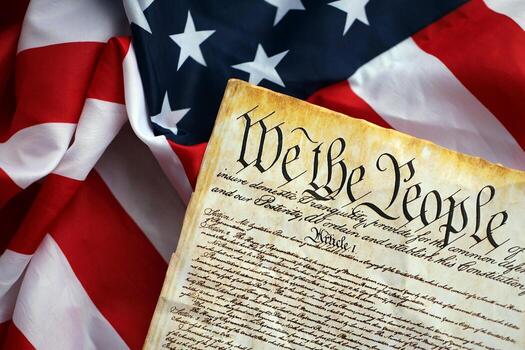
Perhaps the most famous preamble in the world is the one that opens the United States Constitution. Written in 1787, its 52 words have become a cornerstone of American identity and political philosophy.
“We the People of the United States, in Order to form a more perfect Union, establish Justice, insure domestic Tranquility, provide for the common defence, promote the general Welfare, and secure the Blessings of Liberty to ourselves and our Posterity, do ordain and establish this Constitution for the United States of America.”
This preamble is a masterclass in concise, powerful language. It brilliantly established the principle of popular sovereignty (“We the People”) and laid out the six fundamental goals of the new government. It has been cited in countless court cases and political speeches as the definitive statement of America’s founding ideals. Its influence extends far beyond the U.S., as many other nations have modeled their own constitutional preambles on its structure and principles.
The Preamble to the Universal Declaration of Human Rights
Another globally significant preamble is that of the Universal Declaration of Human Rights (UDHR), adopted by the United Nations in 1948. Following the atrocities of World War II, the international community came together to define the fundamental rights and freedoms that all humans are entitled to.
The UDHR’s preamble begins by stating that “recognition of the inherent dignity and of the equal and inalienable rights of all members of the human family is the foundation of freedom, justice and peace in the world.” It goes on to recount the “disregard and contempt for human rights” that resulted in barbarous acts and declares that a world where people enjoy freedom of speech and belief is the “highest aspiration of the common people.” This powerful preamble sets a moral and ethical tone for the 30 articles that follow, framing human rights as a universal and essential goal for all nations.
Preamble vs. Preface, Prologue, and Introduction
The terms preamble, preface, prologue, and introduction are often used interchangeably, but they have distinct meanings and functions. Understanding their differences is key to appreciating the unique role a preamble plays, especially in formal and legal contexts. While all serve as opening sections, their scope, purpose, and authority vary significantly.
The following table breaks down the key distinctions:
|
Feature |
Preamble |
Preface |
Prologue |
Introduction |
|---|---|---|---|---|
|
Primary Use |
Legal documents, constitutions, treaties |
Books (non-fiction) |
Literary works (fiction, drama) |
General use (articles, reports, books) |
|
Purpose |
States purpose, goals, and enacting authority |
Explains the author’s story, research, or motivation |
Sets the scene, provides background for a story |
Outlines the topic and structure of the main text |
|
Author |
The enacting body (e.g., “We the People”) |
The author of the book |
The author/narrator |
The author of the text |
|
Legal Force |
Not binding, but used for interpretation |
None |
None |
None |
As you can see, a preamble is unique in its formal, authoritative tone and its specific function within legal and official documents. While a preface tells the “story behind the story,” a preamble declares the “purpose behind the law.”
The Modern Relevance of the Preamble
The concept of a preamble is not confined to historical documents. It continues to be a relevant and powerful tool in the modern world. New constitutions and international treaties still rely on a preamble to state their intentions and guiding principles. For example, the preamble to the Charter of the United Nations reaffirms faith in fundamental human rights and the dignity of the human person.
Furthermore, the idea of a preamble has been adapted for use in other fields. In the world of technology and business, for instance, a company’s mission statement or a project’s charter serves a similar function. These documents act as a preamble for the organization’s activities, outlining its core values, goals, and purpose. Just as a constitutional preamble guides a nation, a strong mission statement can guide a company’s strategy and culture. For more insights on modern business strategy, you can find valuable articles at https://siliconvalleytime.co.uk/. The principles of clarity, purpose, and inspiration that define a great preamble are timeless and universally applicable.
Conclusion
The preamble is far more than a simple introductory paragraph. It is a powerful declaration of purpose, a statement of core values, and a guide for interpretation. From the foundational documents of nations to modern corporate mission statements, the preamble sets the stage, establishes authority, and articulates the fundamental goals that drive the text that follows.
While not legally binding on its own, its influence is undeniable, providing the spirit that gives life to the letter of the law. Understanding the role and structure of a preamble allows us to appreciate the depth and foresight embedded in the world’s most important documents. It reminds us that behind every rule, law, and article, there is a “why”—a set of ideals and aspirations that a preamble so eloquently captures.
Frequently Asked Questions (FAQ)
Q1: What is the main difference between a preamble and an introduction?
A preamble is a formal, introductory statement in a legal or official document (like a constitution) that states its purpose, philosophy, and authority. An introduction is a more general opening section used in articles, books, and reports to outline the main topic and structure. A preamble has a unique, quasi-legal status for interpretation that an introduction lacks.
Q2: Can a country change its constitution’s preamble?
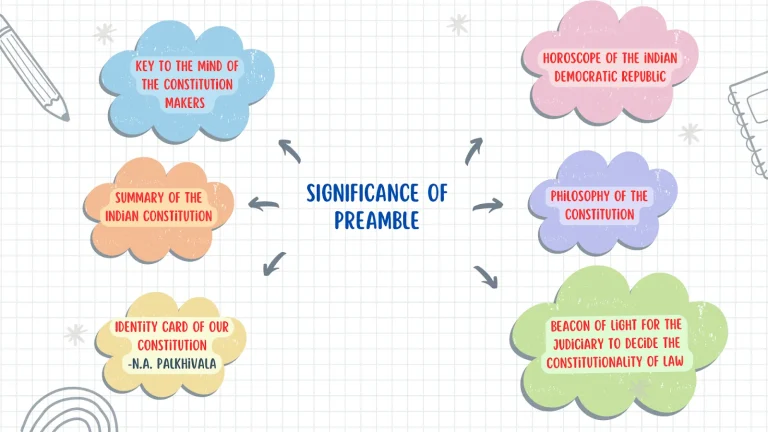
Yes, a constitution’s preamble can be amended, but it is often a difficult and politically charged process. For example, India amended its preamble in 1976 to add the words “socialist” and “secular.” Such changes require following the specific amendment procedures laid out in the constitution itself.
Q3: Are all preambles long and complex?
No, not at all. The length and complexity of a preamble can vary greatly. The preamble to the U.S. Constitution is famously short and direct, at just 52 words. Others, like the preamble to the Constitution of India, are much longer and more detailed. The key is that it effectively communicates the document’s purpose, whatever its length.
Q4: Do corporate documents have a preamble?
While they might not call it a preamble, many corporate documents have an equivalent. A company’s Articles of Incorporation may include a purpose clause, and its mission and vision statements function as a preamble for the entire organization, guiding its actions and defining its reason for being.
Q5: Why is the preamble to the U.S. Constitution so famous?
The preamble to the U.S. Constitution is famous for its revolutionary ideas and elegant language. The opening phrase, “We the People,” established the principle of popular sovereignty, which was a radical concept in the 18th century. It also concisely lists the six core purposes of the government, creating a powerful and enduring statement of American ideals.