





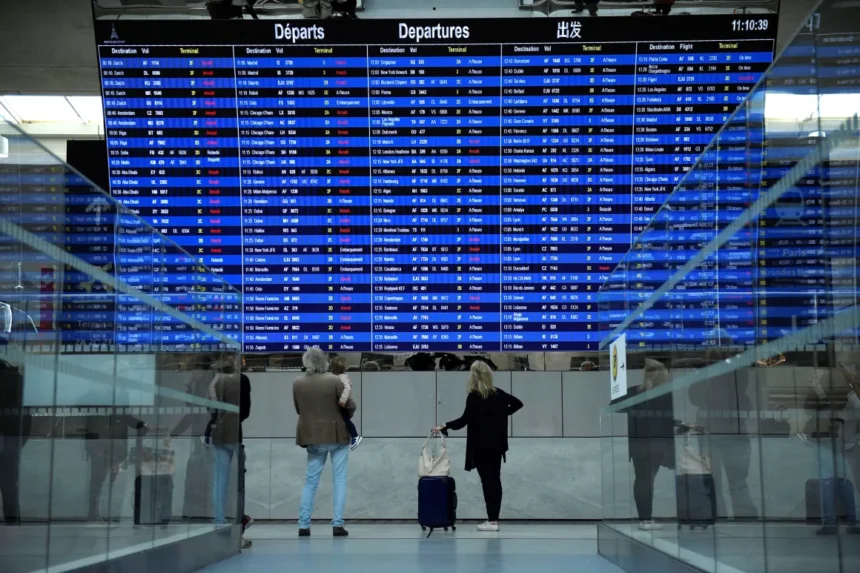

A cancelled flight can cause major inconvenience, whether you are travelling for business, visiting family, or heading off on holiday. In the United Kingdom, passenger rights are protected by UK261, a regulation that sets out when compensation and assistance may be available. Understanding how these rules apply can help travellers make informed decisions and respond effectively when plans are disrupted.
An Overview of UK261
UK261 establishes the responsibilities of airlines when flights are cancelled or significantly delayed. The regulation applies to flights departing from airports in the UK and to certain inbound flights operated by eligible carriers. It outlines passenger entitlements to refunds, rerouting, care at the airport, and financial compensation in qualifying cases.
When a cancellation occurs, airlines must inform passengers promptly and explain the available options. Travellers are usually entitled to choose between a full refund of the unused ticket or rebooking on an alternative flight to their final destination. The airline must also ensure appropriate support is provided during any waiting period.
Right to Care and Assistance

Regardless of whether compensation is ultimately payable, airlines are required to provide basic care when passengers are affected by a cancellation. This obligation applies even if the disruption is outside the airline’s control.
Care and assistance may include:
- Meals and refreshments that are suitable for the length of the delay
- Access to communication, such as phone calls or email
- Hotel accommodation and transport if an overnight stay is necessary
If the airline does not organise these arrangements directly, passengers should keep receipts for reasonable expenses, as reimbursement may be claimed later.
How Compensation Is Calculated
Under UK261, compensation amounts are determined by the distance of the flight. Payments are fixed within specific mileage bands and are issued in pounds sterling.
- Flights up to 932 miles – up to approximately £220
- Flights between 932 and 2,175 miles – up to approximately £350
- Flights exceeding 2,175 miles – up to approximately £520
In certain situations, compensation may be reduced by 50 percent if the airline provides an alternative flight that reaches the final destination within the time thresholds defined in the regulation. Each case is assessed individually based on arrival time and the replacement travel offered.
Extraordinary Circumstances
Airlines are not required to pay compensation if the cancellation was caused by extraordinary circumstances that could not have been avoided, even if all reasonable measures had been taken. Examples may include severe weather conditions, security risks, or restrictions imposed by air traffic control.
However, even when extraordinary circumstances apply, airlines must still offer rerouting or refunds and provide appropriate care. Travellers should carefully review the explanation given by the airline, as not all operational problems qualify for exemption under UK261.
Steps to Make a Claim
Passengers who believe they are eligible for compensation should gather essential documents, including booking confirmations, boarding passes, and written confirmation of the cancellation. Claims must be submitted within the relevant legal time limits in the UK.
The process may involve detailed communication with the airline and an assessment of eligibility criteria, particularly for longer or international routes where additional factors can apply.
Getting Professional Support
For travellers who prefer assistance, specialist services such as Skycop can review eligibility under UK261, prepare the necessary documentation, and manage communication with airlines. This approach can simplify the process and reduce the time spent pursuing a claim.
Conclusion
Although flight cancellations are disruptive, UK261 provides a structured framework to protect passenger rights in the United Kingdom. By understanding when compensation may apply, what assistance airlines must provide, and how to submit a claim, travellers can handle unexpected disruptions with greater clarity and confidence.



