


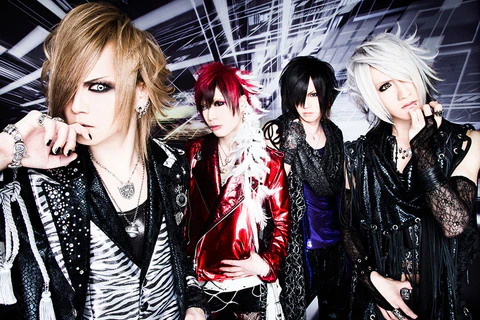

Have you ever seen a style so dramatic, so artistic, and so unique that it stopped you in your tracks? Chances are, you may have encountered vkei fashion. This is a world where music and style collide, creating a stunning visual experience that has captured hearts globally. It’s more than just clothing; it’s a form of self-expression, an art form, and a cultural movement all rolled into one.
This guide will walk you through the intricate and fascinating universe of vkei fashion. We’ll explore its origins, break down its various subgenres, and show you how to start building your own vkei-inspired wardrobe. From the androgynous silhouettes to the bold makeup, prepare to discover what makes this style so enduring and influential.
Key Takeaways
- Vkei fashion is a Japanese street style intrinsically linked to the Visual Kei music scene, which emerged in the 1980s.
- The style is characterized by its dramatic flair, androgyny, elaborate hairstyles, and detailed makeup.
- It is not a single look but a spectrum of subgenres, each with its own distinct aesthetic, from dark and gothic to colorful and playful.
- Key elements include layered and often asymmetrical clothing, platform boots, silver accessories, and a strong emphasis on a unique, personalized look.
- The community is a global phenomenon, connecting fans and creators through music, fashion, and shared artistic values.
What Exactly is Vkei Fashion?
At its core, vkei fashion is the stylistic expression of the Visual Kei music movement. The name “Visual Kei” literally translates to “visual style,” which perfectly captures its essence. The primary focus is on the visuals—the shocking, elaborate, and artistic appearance of the musicians. This aesthetic isn’t just for the stage; it has been adopted and adapted by fans, creating a vibrant and dynamic street style. Unlike many other fashion trends that are dictated by designers, vkei fashion is driven by bands and their followers. It’s a subculture built on a foundation of music, with a look that emphasizes individuality, androgyny, and a complete rejection of mainstream norms. The style often borrows elements from Glam Rock, Gothic, and Punk aesthetics, but reassembles them into something entirely new and distinctly Japanese.
The Origins and Evolution of Vkei
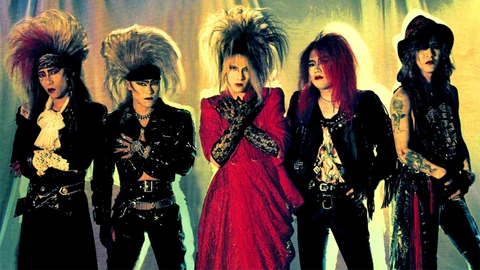
The roots of vkei fashion are deeply embedded in the Japanese music scene of the 1980s. Bands like X Japan, D’erlanger, and Buck-Tick are often credited as the pioneers of the movement. They broke away from traditional rock aesthetics, opting instead for dramatic makeup, towering hairstyles, and androgynous clothing. Their motto, “Psychedelic Violence Crime of Visual Shock,” coined by X Japan, became the defining slogan for this new wave of artists who prioritized their appearance just as much as their sound. This initial wave established the core principles of vkei fashion: a flair for the dramatic, a blend of masculine and feminine elements, and a rebellious spirit. As the movement grew through the 1990s and 2000s, it evolved and splintered into various substyles, each reflecting the unique sound and concept of different bands.
The Golden Age of the 90s
The 1990s are widely considered the “golden age” of Visual Kei. Bands like Malice Mizer, Dir en grey, and Shazna brought the movement into the mainstream consciousness of Japan. During this era, vkei fashion became more defined and diverse. Malice Mizer, for example, was famous for its intricate, historical French-inspired costumes, blending gothic and rococo elements. In contrast, other bands adopted a darker, more aggressive look that would later evolve into its own subgenres. This period saw the solidification of key stylistic elements like platform boots, elaborate layering, and the use of materials like leather and lace. The fashion became a spectacle, with fans eagerly emulating the complex and artistic looks of their favorite musicians, turning concerts into vibrant displays of subcultural identity.
Vkei in the 21st Century
Entering the new millennium, vkei fashion continued to adapt and change. The rise of the internet helped spread its influence far beyond Japan’s borders, creating a dedicated international fanbase. While the over-the-top aesthetics of the 90s remained a strong influence, a new wave of bands brought different styles to the forefront. Some styles became more streamlined and modern, while others delved deeper into specific themes. For example, the Oshare Kei substyle emerged, offering a much brighter, more colorful, and pop-influenced alternative to the traditionally dark vkei look. This evolution demonstrates the resilience and creativity of the vkei fashion scene. It proves that the style is not static but a living, breathing art form that continues to be reinterpreted by new generations of artists and fans.
The Core Elements of Vkei Fashion
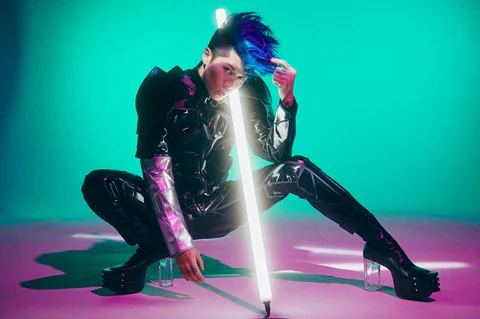
While vkei fashion is incredibly diverse, there are several core components that tie its various subgenres together. These elements are the building blocks that creators and fans use to construct their unique looks. Understanding them is key to appreciating the artistry and intention behind each outfit.
|
Element |
Description |
Common Examples |
|---|---|---|
|
Silhouette |
Often androgynous and dramatic. Focuses on asymmetry, layering, and unconventional shapes. |
Flowing coats, corsets, deconstructed tops, wide-leg pants (hakama), skinny trousers. |
|
Hairstyles |
Colorful, gravity-defying, and a major part of the overall look. Often multi-toned and intricately styled. |
Spiked hair, long flowing locks, “hime” (princess) cuts, vibrant colors like red, blue, or pink. |
|
Makeup |
Bold and expressive. Used to contour the face dramatically, create striking eye looks, and complete the character. |
Dark lipstick, heavy eyeliner (smokey or graphic), pale foundation, sometimes intricate designs. |
|
Footwear |
Almost always statement-making. Platform shoes are a staple, adding height and an imposing presence. |
Platform boots (often knee-high or thigh-high), engineer boots, creepers. |
|
Accessories |
Crucial for adding detail and personality. Often silver, leather, or metallic. |
Chokers, chains, studded belts, bondage straps, multiple piercings, ornate rings. |
Exploring the Subgenres of Vkei Fashion
Vkei fashion is not a monolith. It is an umbrella term for a host of substyles, each with its own distinct characteristics, often reflecting the musical genre of the bands that champion them. Exploring these subgenres reveals the incredible depth and creativity within the movement.
Kote-Kote Kei: The Classic Dark Style
Kote-Kote Kei is what many people picture when they think of classic vkei fashion. It’s the quintessential dark, dramatic, and androgynous style that emerged from the 90s. This look is characterized by an abundance of black, accented with deep reds, purples, or whites. The silhouettes are complex, featuring extensive layering, bondage-inspired elements like straps and buckles, and a mix of textures such as leather, lace, and vinyl. Hairstyles are wild and colorful, often spiked high and dyed in vibrant, unnatural shades. The makeup is equally intense, with pale skin, heavy black eyeliner, and dark lipstick creating a stark, almost vampiric appearance. It’s a style that screams drama and theatricality, perfectly capturing the “visual shock” aspect of the movement.
Oshare Kei: The Colorful and Playful Side
Emerging in the early 2000s, Oshare Kei was a bright and cheerful response to the darker themes of Kote-Kote Kei. The term “oshare” means “stylish” or “fashionable,” and this subgenre focuses on a fun, pop-influenced aesthetic. The color palette is vibrant and eclectic, filled with bright pinks, yellows, blues, and often incorporates cute patterns like polka dots or plaid. While layering is still present, the overall look is lighter and more casual. Accessories are key, with an emphasis on cute elements like cartoon characters, oversized bows, and colorful jewelry. The music associated with Oshare Kei is typically more upbeat, blending pop and rock. This style shows the versatile nature of vkei fashion, proving it can be just as expressive through joy and color as it is through darkness and drama.
Angura Kei: The Traditional Japanese Influence
Angura Kei is a subgenre that looks to Japan’s own history and culture for inspiration. The term “angura” comes from the Japanese pronunciation of “underground,” and the style often incorporates elements of traditional Japanese clothing and theatrical makeup. You will often see outfits that include modified kimonos or hakama pants, paired with geta-style platform shoes. The color scheme is typically more subdued, with a focus on black, white, and deep red. The makeup is often inspired by kabuki or butoh theater, featuring stark white face paint and dramatic black and red details. Angura Kei fashion creates a powerful and sometimes unsettling look that feels both ancient and modern, blending historical aesthetics with the rebellious spirit of vkei fashion.
Eroguro Kei: The Grotesque and Beautiful
Eroguro Kei is one of the more extreme and conceptual subgenres. The name is a portmanteau of “erotic” and “grotesque,” and the style aims to find beauty in things that are typically considered disturbing or taboo. The fashion often gives the illusion of injury or decay, using makeup to create fake wounds, bruises, and bloodstains. Clothing might be ripped, tattered, or styled to look like medical bandages or straitjackets. The overall theme is one of brokenness and macabre beauty. While it can be shocking, Eroguro Kei is a deeply artistic expression that challenges conventional standards of beauty. It pushes the boundaries of vkei fashion to its most theatrical and thought-provoking limits, exploring complex themes through its striking visuals.
Other Notable Vkei Styles
Beyond the major subgenres, the world of vkei fashion is filled with countless other variations.
- Nagoya Kei: A regional style known for being slightly more understated and influenced by Western punk and rock. It often uses less makeup but maintains a dark and moody aesthetic.
- Soft-Vikei (Sofubi): A more recent and casual take on the style. It incorporates vkei elements like asymmetrical cuts and dark colors into more everyday, wearable outfits.
- Tanbi Kei: Similar to Kote-Kote Kei but with a strong focus on historical and romantic aesthetics, particularly European styles like Victorian and Rococo. It’s elegant, ornate, and often associated with bands that have a strong conceptual narrative.
How to Get Started with Vkei Fashion
Feeling inspired to try vkei fashion for yourself? The great thing about this style is that it’s all about personal expression, so there are no strict rules. However, here are some tips to help you start building your own vkei-inspired wardrobe and look.
Starting Your Wardrobe
You don’t need to buy a whole new wardrobe overnight. The key is to start with versatile basics and build from there.
- Focus on Black Basics: A good pair of black skinny jeans or trousers, a few black t-shirts (bonus points if they are from your favorite bands), and a versatile black jacket are excellent starting points.
- Incorporate Asymmetry and Layers: Look for tops with asymmetrical hems or interesting necklines. Layering is fundamental to vkei fashion, so experiment with wearing a long-sleeve shirt under a t-shirt, or adding a vest over a button-up.
- Statement Pieces: Once you have your basics, invest in one or two statement pieces. This could be a long, dramatic coat, a pair of platform boots, or a pair of bondage pants with lots of straps and zippers.
- DIY and Thrifting: Vkei is a very DIY-friendly style. Rip up an old pair of jeans, add safety pins to a jacket, or customize a t-shirt. Thrift stores are also treasure troves for unique pieces that you can alter to fit the aesthetic.
Mastering the Hair and Makeup
Hair and makeup are just as important as the clothes in vkei fashion. This is where you can truly get creative and define your look.
- For Makeup: Start simple. A good foundation (often a shade or two lighter than your natural skin tone), black eyeliner, and a dark lipstick are the essentials. Practice creating a smokey eye or a sharp, winged liner. Don’t be afraid to experiment with contouring to create a more angular, androgynous look.
- For Hair: You don’t have to dye your hair bright red to achieve a vkei look. Styling is key. Use hairspray or wax to add volume and texture. If you have long hair, you can try straightening it for a sleek look or teasing it for a wilder style. Wigs are also a very popular and easy way to experiment with different colors and cuts without commitment.
Vkei Fashion’s Global Impact
What started as a niche musical subculture in Japan has blossomed into a global phenomenon. Thanks to the internet, anime conventions, and the worldwide distribution of Japanese music, vkei fashion has found a passionate audience in countries all over the world, including the United States. Fans connect online, sharing outfit photos, makeup tutorials, and information about their favorite bands. This global community has kept the style alive and evolving, even as its popularity ebbs and flows in its native Japan. The influence of vkei fashion can also be seen in other alternative fashion scenes, and its principles of androgyny and dramatic self-expression have resonated with many. For a deeper look into how trends spread globally, you might find articles on technology and culture, like those on https://siliconvalleytime.co.uk/, to be insightful.
Conclusion: The Enduring Art of Visual Kei
Vkei fashion is far more than just a trend; it is a powerful form of artistic self-expression with a rich history. Born from the rebellious spirit of the Visual Kei music scene, it has grown into a diverse and influential subculture that champions individuality, creativity, and the rejection of conformity. From the dark, theatrical looks of Kote-Kote Kei to the bright, playful styles of Oshare Kei, there is a corner of the vkei world for everyone who feels drawn to its dramatic flair. It is a style that invites you to be bold, to be different, and to wear your personality for all to see. Whether you are a long-time fan or just discovering it, the world of vkei fashion offers a boundless source of inspiration.
The style continues to be a significant part of Japanese popular culture, influencing everything from anime character designs to other street fashion movements. Its legacy is a testament to the power of combining music and visuals to create a lasting cultural impact. To learn more about the broader context, the Wikipedia page on Visual Kei provides a comprehensive overview of the musical movement and its cultural significance.
Frequently Asked Questions (FAQ)
1. Is vkei fashion the same as gothic fashion?
No, while they share some aesthetic similarities like a preference for the color black, they are distinct styles. Vkei fashion is specifically tied to the Visual Kei music scene and often incorporates more androgyny, vibrant colors (in certain subgenres), and Japanese cultural elements. Gothic fashion has its own separate origins in the Western goth rock scene.
2. Do you have to be a fan of Visual Kei music to wear vkei fashion?
Not at all! While the fashion originates from the music, many people are drawn to the aesthetic on its own. Appreciating the style for its artistic merits is perfectly valid. However, exploring the music can give you a deeper understanding and appreciation for the culture behind the clothes.
3. Is vkei fashion expensive?
It can be, but it doesn’t have to be. While brand-name items from Japanese labels can be costly, a huge part of the vkei fashion ethos is about DIY and personalization. Many followers create their looks through thrifting, altering clothes, and making their own accessories, making it an accessible style for various budgets.
4. Is vkei fashion still popular in Japan?
The peak of its mainstream popularity was in the 90s and 2000s, but vkei fashion and the Visual Kei music scene are still very much alive in Japan. It operates as a dedicated subculture with a loyal following, and new bands and styles continue to emerge.
5. Can anyone wear vkei fashion?
Absolutely! Vkei fashion is for everyone, regardless of age, gender, or background. The core principle of the style is radical self-expression. If the aesthetic speaks to you, you are welcome to embrace it and make it your own.