



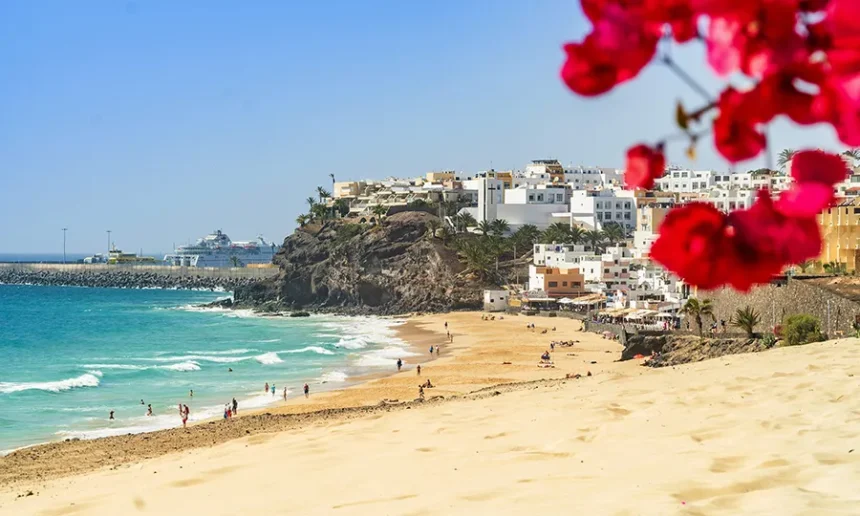

Have you ever wondered how crops can grow in areas with almost no rainfall? The answer often lies beneath the surface, specifically in a remarkable type of soil. You are about to discover the amazing world of jable, a special type of volcanic sand found predominantly in the Canary Islands. This beautiful, pale sand is not just a geological wonder; it is a lifeline for local agriculture, a home to rare wildlife, and a vital part of regional history. We will explore how this sand forms, why farmers love it, and what makes the ecosystems surrounding it so precious. By the time you finish reading, you will understand exactly why this unique material deserves our attention and protection.
Key Takeaways
- Unique Origins: Jable is primarily composed of crushed marine shells blown inland by strong ocean winds over thousands of years.
- Agricultural Miracle: This sand traps nighttime moisture and prevents soil evaporation, allowing farmers to grow crops without irrigation.
- Rich Biodiversity: The sandy plains host incredibly rare bird species and plants uniquely adapted to arid conditions.
- Conservation Needs: Climate change and human interference threaten these delicate environments, making conservation efforts highly important.
What Exactly is Jable?
When you hear the word sand, you might picture heavy, golden grains on a typical summer beach. However, jable is completely different from the standard beach sand you might be used to seeing. This specific term refers to a pale, lightweight sand found mostly in the Canary Islands, particularly on the islands of Lanzarote and Fuerteventura. Unlike typical sand made from eroded quartz and rocks, this material is heavily organic in nature. It consists mostly of tiny, pulverized marine shells and marine organisms that have been crushed by the ocean over centuries.
Because it comes from the ocean, it is rich in calcium carbonate and other valuable marine minerals. The lightweight nature of this sand means it easily catches the wind, allowing it to travel far inland and cover massive stretches of land. For locals, the word refers to both the sand itself and the sweeping, desert-like plains where the sand settles. These sandy plains look completely barren at first glance, but they actually hold incredible secrets beneath their surface. The light color of the sand reflects sunlight, keeping the ground beneath it relatively cool even during the hottest summer months. This temperature control is just one of the many reasons why this material is so highly valued.
The Fascinating Origins of Jable Volcanic Sand
Understanding how these beautiful sandy plains came to exist requires a trip back in time. The Canary Islands are volcanic in origin, born from massive eruptions deep beneath the Atlantic Ocean. Over millions of years, these islands formed towering peaks and deep valleys. As the volcanic activity settled, the surrounding ocean ecosystem thrived. Millions of tiny marine creatures lived, died, and left their shells behind in the shallow waters surrounding the islands.
The powerful waves of the Atlantic Ocean continuously crashed against the shorelines, slowly grinding these shells down into microscopic fragments. Eventually, the fragments became so small and light that the ocean currents washed them up onto the coastal shores. This process alone did not create the massive inland sandy plains we see today. It took a combination of unique geographical elements and weather patterns to move the material from the beaches to the center of the islands. The entire process is a wonderful example of how the ocean and the land work together to create entirely new landscapes over thousands of years.
Marine Origins and Wind Transport
The primary driver behind the movement of jable is the trade winds. These strong, consistent winds blow across the Atlantic Ocean and directly hit the Canary Islands. As the crushed marine shells wash up on the northern and western shores, the trade winds pick up the dry, lightweight particles and carry them inland. This continuous wind transport acts like a natural conveyor belt, moving thousands of tons of sand across the islands every single year.
Over centuries, these flying particles settled into the valleys and lowlands, creating expansive sandy plains that stretch for miles. The wind shapes the landscape constantly, creating beautiful dunes and gentle ripples in the sand that change direction depending on the weather. Because the trade winds are so reliable, this natural system of sand transport has continued uninterrupted for thousands of years. This incredible wind-driven journey transforms coastal debris into a vital inland resource that supports life in otherwise dry and challenging areas.
Geological Timeline of the Canary Islands
The timeline of the Canary Islands is deeply tied to the creation of these sandy ecosystems. While the islands themselves began forming millions of years ago, the accumulation of jable is a relatively more recent geological event. It required the islands to mature enough to support vast marine life around their shores. As the ice ages came and went, sea levels fluctuated wildly, exposing vast tracks of ocean floor and pushing more organic material onto the land.
During periods of lower sea levels, the wind had access to massive amounts of dry marine deposits, which it quickly swept inland. These geological shifts, combined with periodic volcanic eruptions that laid down layers of dark basalt, created a striking contrast. You often see brilliant white sand resting directly on top of jet-black volcanic rock. This unique layering gives the landscape an otherworldly appearance, looking more like the surface of the moon than a typical island paradise. Studying these layers helps geologists understand the ancient climate patterns of our planet.
The Unique Geography of Jable Landscapes
The geography of the Canary Islands is defined by dramatic contrasts, and the sandy plains are a major part of this visual diversity. These areas do not look like traditional deserts, nor do they look like standard beaches. They are unique geographical zones that form a bridge between the coastal environments and the rocky, mountainous interiors of the islands. The plains are generally flat but feature rolling dunes that shift with the seasons.
Because the sand is so fine, it creates a very specific type of ground cover that affects how water flows and how plants grow. The most famous of these geographic zones is found on the island of Lanzarote, an island known for its harsh, volcanic beauty. However, Fuerteventura also boasts significant deposits, and smaller pockets can be found on other islands in the archipelago. The geography of these areas is so unique that scientists from all over the world travel to the islands just to study the soil composition and the shifting dune structures.
Lanzarote’s Famous El Jable Region
In the heart of Lanzarote lies a region explicitly named “El Jable.” This massive corridor of sand cuts straight across the island, connecting the northern coast to the southern coast. It is a striking visual anomaly; a river of pale white sand flowing right through a landscape dominated by dark, jagged volcanic craters. This specific region is the most studied and utilized sandy plain in all of the Canary Islands.
The sand here is incredibly deep in some places, forming substantial dunes that have remained relatively stable for decades. Local farmers have learned to read the geography of this specific region, understanding exactly where the sand is deepest and where it is best suited for planting crops. The El Jable region is completely unprotected from the fierce Atlantic winds, which means the landscape is constantly shifting and evolving. Despite the harsh conditions, this specific geographical zone is the beating heart of Lanzarote’s traditional agricultural community.
Fuerteventura and Other Island Deposits
While Lanzarote might have the most famous region, the island of Fuerteventura actually contains massive quantities of jable as well. Fuerteventura is closer to the African coast and generally flatter, allowing the wind to spread the sand over much wider areas. The sandy plains here are vast and spectacular, often blending seamlessly with the coastline to create endless stretches of pale, shimmering terrain.
These areas in Fuerteventura are slightly different in composition compared to Lanzarote, often mixing with fine dust blown over from the nearby Sahara Desert. Other islands, like Gran Canaria and Tenerife, also have small pockets of this unique sand, though they are much less prominent due to the mountainous terrain blocking the wind. Regardless of the island, these deposits are highly valued. They create micro-climates that support specific types of vegetation and provide a stark, beautiful contrast to the deep green pine forests and dark volcanic rocks found elsewhere in the archipelago.
The Remarkable Agricultural Power of Jable
One of the most mind-blowing aspects of jable is its ability to support farming in areas with practically zero rainfall. The Canary Islands, particularly the eastern ones, suffer from very low annual precipitation. Traditional farming methods used in wetter climates simply do not work here. The soil is too dry, and the sun is too hot. However, the early inhabitants of the islands discovered that this unique marine sand possessed almost magical agricultural properties.
When applied to the surface of the soil, the sand acts as a highly effective organic mulch. It completely changes the way moisture interacts with the earth. Farmers can grow healthy, robust crops without ever needing to install irrigation systems. This agricultural method is completely sustainable and entirely reliant on natural weather patterns. The sand is so valuable to farmers that they carefully manage and protect their sandy plots, passing down agricultural knowledge through generations. It is a brilliant example of human ingenuity working in perfect harmony with a challenging natural environment.
Dry Farming Techniques
The practice of using this sand for agriculture is known locally as enarenado. In this dry farming technique, farmers do not mix the sand into the soil. Instead, they spread a thick layer of jable directly on top of the fertile volcanic earth. The layer of sand is usually several inches deep. The farmer then digs a deep hole through the sand down to the actual soil, plants the seed, and covers it back up.
This method requires incredible physical labor, as the sand must be maintained and leveled constantly. The farmers cannot use heavy machinery because tractors would mix the sand and the soil together, ruining the delicate balance. Everything is done by hand or with the help of traditional draft animals. The enarenado technique is completely organic and requires an intimate knowledge of the local climate. Farmers must know exactly when to plant and how deep to bury the seeds to ensure they survive the intense summer heat and the strong coastal winds.
How the Sand Retains Vital Moisture
The secret to this agricultural success lies in how jable interacts with water. During the night, the temperature on the islands drops, and moisture from the ocean air rolls over the land in the form of dew. The porous, lightweight marine shells easily trap this nighttime dew. Because the sand particles are loosely packed, the water drips down through the sand and reaches the fertile volcanic soil below.
Once the sun comes up and the heat intensifies, the thick layer of sand acts as a protective shield. It completely blocks the sun’s rays from hitting the damp soil, stopping evaporation in its tracks. The moisture is locked underground, right where the plant roots need it most. Furthermore, the sand regulates the soil temperature, keeping the roots cool during the day and warm during the night.
Here is a quick breakdown of how this sand compares to regular dirt:
|
Feature |
Jable (Volcanic Marine Sand) |
Traditional Farming Soil |
|---|---|---|
|
Origin |
Crushed marine shells |
Decomposed organic matter/rock |
|
Moisture Retention |
Extremely High (traps dew) |
Moderate (requires rain/irrigation) |
|
Evaporation Rate |
Very Low (acts as a shield) |
High (dries out in direct sun) |
|
Temperature Control |
Excellent (reflects sunlight) |
Poor (absorbs heat quickly) |
Traditional Crops Grown in Volcanic Sand
Because the farming method is so specialized, not every crop can thrive in these sandy environments. Farmers have spent centuries figuring out exactly which plants have the strength and adaptability to push through the heavy sand layer and survive the windy conditions above ground. The crops grown in jable are deeply woven into the culinary traditions of the Canary Islands.
The food produced here is known for having incredibly concentrated and rich flavors. Because the plants do not receive excess water from irrigation, their natural sugars and flavors are not diluted. The yield might be smaller compared to massive industrial farms, but the quality of the produce is unmatched. Local chefs and international food enthusiasts highly prize the ingredients pulled from these sandy plains, recognizing the unique taste profile that the volcanic soil and marine sand impart on the vegetables and fruits.
The Famous Lanzarote Sweet Potatoes
Perhaps the most famous crop grown in this unique sand is the sweet potato, known locally as the batata. The sweet potatoes grown in the El Jable region of Lanzarote are legendary across the islands. They have a distinct, slightly pinkish skin and incredibly sweet, dense flesh. The sandy layer allows the sweet potato tubers to expand easily underground without hitting hard rocks or compacted dirt.
Farmers typically plant these sweet potatoes in the early spring, allowing them to slowly mature over the summer months using only the moisture trapped by the sand. Harvesting them is a delicate process, usually done by hand to avoid damaging the tubers or disrupting the precious sand layer too much. These sweet potatoes are a staple in traditional Canarian cuisine, often boiled and served alongside fresh fish, or mashed up to create delicious local desserts. The batata is a perfect example of a crop perfectly matched to its environment.
Cultivating Grapes and Melons
Aside from sweet potatoes, farmers also grow incredibly delicious fruits in the jable. Melons and watermelons do surprisingly well in the sandy plains. The vines creep along the top of the sand, which keeps the heavy fruits off the damp soil, preventing rot. The intense sunlight sweetens the fruit, while the deep roots pull up the trapped nighttime moisture.
Grapes are also heavily cultivated using similar dry-farming methods. The famous Malvasia wine of the Canary Islands owes its unique flavor profile to the volcanic earth and the protective sandy layers. While many vineyards use stone walls to protect the vines from the wind, the roots themselves rely on the sand’s moisture-retaining properties. The grapes grown here produce a high-quality, mineral-rich wine that is exported all over the world. Eating a sweet melon or drinking wine produced from these arid, desert-like plains feels like a genuine agricultural miracle.
The Rich Biodiversity Found in Jable Ecosystems
It is very easy to look at a vast, open plain of pale sand and assume nothing lives there. However, jable ecosystems are surprisingly full of life. They are actually classified as highly important biodiversity hotspots. Because the environment is so tough—characterized by strong winds, intense sun, and no standing water—the plants and animals that live here have developed incredible evolutionary adaptations.
These ecosystems support a delicate food web. Small insects feed on the specialized desert plants, which in turn feed small reptiles and a wide variety of birds. Biologists and nature lovers consider these sandy plains to be just as important as the lush forests found on other islands. Sadly, because the life here is so specialized, it is also highly vulnerable to changes in the environment. Protecting the biodiversity of these sandy plains is a major priority for local scientists and environmental groups.
Unique Flora Adapting to Harsh Conditions
The plants that grow naturally in the jable are nothing short of spectacular. You will not find tall trees or broad-leafed bushes here. Instead, the flora consists mostly of low-lying shrubs, tough grasses, and specialized succulents. These plants have deep taproots that stretch far below the sand to reach the damp volcanic soil.
Many of these plants feature tiny leaves, often covered in fine white hairs or a waxy coating. These adaptations help the plants reflect the intense sunlight and prevent moisture from escaping through their leaves. Some common species include various types of saltbushes and hardy coastal thistles. These plants play a critical role in the ecosystem; their roots help hold the sand in place, preventing the wind from blowing the dunes entirely away. They also provide vital shade and food for the insects and animals that call the sandy plains their home.
Native Bird Species of the Sand Plains
For bird watchers, the jable regions are absolute treasures. The open, flat terrain provides the perfect habitat for ground-dwelling birds that prefer to run rather than fly. Because there are no trees to hide in, these birds have evolved incredible camouflage. Their feathers perfectly match the pale, speckled color of the marine sand and the dark volcanic rocks, making them nearly invisible until they move. The sandy plains are considered globally important bird areas, providing a safe haven for species that are rapidly disappearing from other parts of the world due to habitat destruction.
The Houbara Bustard
The absolute king of the jable ecosystem is the Canarian Houbara Bustard. This large, majestic bird is highly endangered and relies entirely on the sandy plains for its survival. They are large, heavily built birds that stalk through the scrubland hunting for insects and small lizards. During the mating season, the males perform elaborate and beautiful dances to attract females, puffing up their spectacular neck feathers. Spotting a Houbara Bustard in the wild is a rare and thrilling experience for wildlife enthusiasts.
Other Avian Residents
Alongside the bustard, the sandy plains host several other fascinating bird species. The Cream-colored Courser is a small, incredibly fast bird that darts across the sand on long legs, hunting for beetles. You can also find the Stone-curlew, recognizable by its large, staring yellow eyes, which it uses to hunt at night. Small flocks of short-toed larks flit between the scrub bushes, adding a touch of song to the quiet, windy plains. These birds are perfectly adapted to the dry conditions, getting almost all the moisture they need directly from the insects they eat.
Cultural Significance of Jable in Local History
The relationship between the people of the Canary Islands and jable goes back centuries. Long before modern tourism brought millions of visitors to the islands, the local people had to rely entirely on what the land could provide. The sand was not just dirt; it was a tool, a building material, and a source of life. The deep understanding of how to use and manage this sand is a core part of the cultural heritage of Lanzarote and Fuerteventura.
Older generations of islanders treat the sandy plains with immense respect. There are specific local words and terminologies used exclusively for describing the different textures, depths, and behaviors of the sand. This agricultural and environmental knowledge was passed down orally from parents to children. Today, as younger people move away from farming and toward city jobs, there is a strong cultural movement to document and preserve this traditional knowledge before it fades away entirely.
Historical Uses by Early Inhabitants
The indigenous people of the Canary Islands, known broadly as the Guanches (though specific names varied by island), recognized the value of the sandy regions early on. While they did not have the complex farming tools we have today, archaeological evidence suggests they understood the moisture-retaining properties of the sand. They used the natural dunes to shelter themselves from the harsh trade winds and likely foraged for specific plants that grew exclusively in the sandy scrublands.
When the Spanish arrived in the 15th century, they brought new crops but quickly realized their traditional farming methods failed in the dry island climate. They had to adopt and adapt to the local environment, eventually developing the highly refined enarenado dry-farming techniques used today. The history of island survival is quite literally rooted in this pale marine sand. Without it, sustaining a growing population on the drier eastern islands would have been nearly impossible.
Traditional Crafts and Building Materials
Beyond agriculture, jable played a role in traditional construction and crafts. Because the sand is heavily composed of calcium carbonate (crushed shells), early inhabitants found ways to use it in building. By mixing the fine sand with lime and water, they created strong, durable mortars and plasters used to build traditional white-washed houses.
These traditional homes, perfectly suited to the climate, heavily define the architectural aesthetic of the islands today. The smooth, white walls reflect the sun, keeping the inside of the houses cool, mimicking exactly what the sand does for the plant roots. Furthermore, the sand was historically used as a gentle abrasive for cleaning pots and tools, and even in some traditional filtration systems. Every property of the sand was utilized by a resourceful population determined to thrive in a tough environment.
Environmental Threats to Jable Landscapes
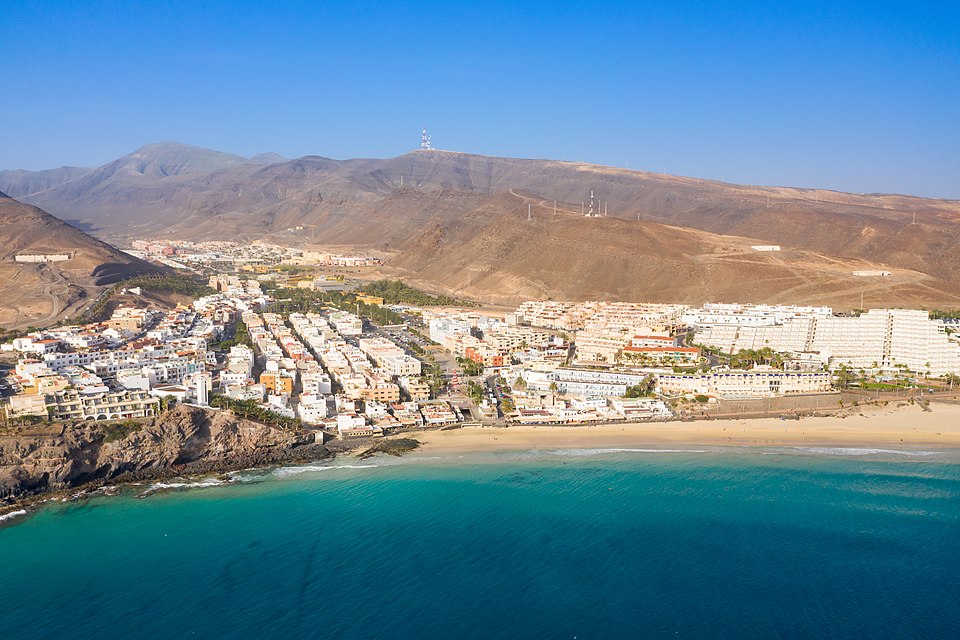
Despite its historical and ecological importance, the jable is currently facing severe threats. The modern world moves quickly, and delicate natural ecosystems often struggle to keep up. The sandy plains, which survived for thousands of years through a perfect balance of ocean, wind, and land, are now being disrupted. Both global environmental changes and local human activities are putting incredible pressure on these areas.
If the sandy plains degrade, the consequences will be severe. The farmers will lose their ability to grow traditional crops, the rare birds will lose their nesting grounds, and the islands will lose a massive piece of their natural heritage. Addressing these threats requires a deep understanding of how the ecosystem functions and a willingness to prioritize environmental health over short-term economic gains. We must look at how modern life is impacting this ancient geological feature.
The Impact of Climate Change
Climate change is a massive global issue, and it directly affects the delicate balance of the jable ecosystems. As global temperatures rise, weather patterns are shifting. The Canary Islands rely heavily on the consistent trade winds to blow the marine sand inland. If these wind patterns change or weaken due to shifting global climates, the natural replenishment of the sandy plains will stop.
Furthermore, rising temperatures and changing atmospheric conditions affect the amount of nighttime dew that forms on the islands. Since the entire dry-farming method relies on trapping this dew, any reduction in moisture could be catastrophic for local farmers. Prolonged droughts, even worse than the historical norm, cause the specialized plants holding the dunes in place to die off, leading to severe erosion. Global awareness is critical; reading environmental tech updates on platforms like https://siliconvalleytime.co.uk/ can help us understand how global climate shifts impact hyper-local ecosystems.
Human Interference and Sand Extraction
While climate change is a looming background threat, direct human interference is causing immediate damage right now. For decades, the jable was illegally and legally mined for use in modern construction. Because the sand is so fine, it was highly sought after for making concrete and building materials during the island’s massive tourism construction boom in the late 20th century.
Massive trucks would drive into the plains, scooping up thousands of tons of sand and destroying ancient dunes in minutes. Even though large-scale extraction is now mostly illegal, the scars on the landscape remain. Additionally, off-road driving is a major issue. People driving 4×4 vehicles or dirt bikes through the plains completely destroy the delicate crust of the sand, crush the hidden nests of ground-dwelling birds like the Houbara Bustard, and rip up the deep-rooted plants holding the ecosystem together.
Conservation Efforts Protecting the Volcanic Sands
Thankfully, the story of jable is not ending in tragedy. In recent years, there has been a massive awakening regarding the importance of these sandy plains. Environmental groups, local farmers, and the regional government have all started working together to protect and restore these vital landscapes. They realize that protecting the sand means protecting the island’s history, food security, and wildlife.
Conservation is complex because it requires balancing the needs of the natural environment with the realities of modern island life. You cannot simply fence off the entire region, as farmers still need access to their lands. Instead, conservationists are focusing on smart management, strict regulations, and widespread public education. The goal is to ensure that the sandy plains remain healthy and vibrant for future generations to study, utilize, and enjoy.
Government Protection Programs
The local and national governments have stepped up by designating large sections of the jable as protected nature reserves. These legal protections make it a serious crime to mine the sand, dump trash, or drive motorized vehicles off the designated roads. Government park rangers frequently patrol the most sensitive areas, particularly during the breeding season of the Houbara Bustard, to ensure the birds are not disturbed.
Furthermore, agricultural grants are often provided to farmers who agree to continue using traditional enarenado methods rather than switching to modern, water-heavy farming techniques. By subsidizing traditional farming, the government helps keep the agricultural heritage alive while simultaneously protecting the soil structure. These legislative protections form the vital first line of defense against the destruction of the sandy plains.
Community Initiatives and Education
Laws and regulations only work if the local community supports them. Thankfully, grassroots community initiatives are thriving. Local environmental groups frequently organize volunteer cleanup days, where locals and tourists work together to remove wind-blown plastic and debris from the sandy plains.
Education is also a massive part of the conservation strategy. Schools on the islands now teach children about the importance of the jable ecosystem. They take field trips to the dunes to learn about the unique birds, the marine origins of the sand, and the traditional farming methods. By teaching the younger generation to take pride in their unique natural landscape, the community ensures that the desire to protect these areas will continue long into the future. Public awareness campaigns also target tourists, reminding them to stay on marked trails and respect the fragile environment.
Experiencing Jable: Eco-Tourism and Hiking
If you are lucky enough to visit the Canary Islands, experiencing the jable landscapes firsthand is an absolute must. While typical beach vacations are fun, exploring these inland sandy plains offers a truly unique adventure. However, because the ecosystem is so fragile, it is incredibly important to approach eco-tourism with respect and mindfulness.
There are wonderful ways to see the dunes, photograph the rare wildlife, and appreciate the traditional farms without causing any damage. The rise of responsible eco-tourism actually helps the conservation efforts, as it proves to the local government that people value the natural landscape just as much as large resorts. Walking through the quiet, wind-swept plains is a deeply peaceful experience that connects you directly with the raw, natural power of the islands.
Best Trails for Exploring the Sand Plains
There are several designated hiking trails specifically mapped out through the jable regions, particularly on Lanzarote and Fuerteventura. These trails are carefully designed to showcase the beauty of the landscape while keeping foot traffic away from sensitive bird nesting areas.
On Lanzarote, you can find guided walking tours that take you right along the edge of the enarenado farms. Local guides will explain how the sweet potatoes are grown and help you spot the fast-moving birds darting between the scrub bushes. The trails are generally flat, making them accessible for most fitness levels, but the walking can be tiring due to the soft sand. It is highly recommended to hike early in the morning or late in the afternoon. Not only is the temperature much cooler, but the low sun casts incredible, long shadows across the dunes, creating stunning opportunities for photography.
Respecting the Environment While Visiting
When you visit these sandy environments, following the rules of eco-tourism is non-negotiable. The number one rule is to always stay on the marked paths. Wandering off into the dunes might seem harmless, but your footprints can crush delicate plant sprouts and deeply disturb ground-nesting birds.
- Never drive off-road: If you rent a vehicle, stick strictly to paved or officially designated dirt roads.
- Take your trash with you: The strong winds can quickly blow a dropped plastic wrapper miles across the plain, posing a choking hazard to wildlife.
- Keep your distance from wildlife: If you spot a rare bird, use binoculars or a zoom lens. Do not try to approach them.
- Do not take sand home: It might be tempting to scoop up a jar of the beautiful white sand as a souvenir, but removing materials from protected environments is illegal and harmful to the ecosystem.
Frequently Asked Questions About Jable
To help summarize everything we have learned, here are some common questions people ask about this unique natural phenomenon.
Is jable the same as desert sand?
No. Desert sand is typically made from eroded quartz and continental rocks. Jable is primarily made from crushed marine shells and organic ocean material blown inland by the wind.
Can I buy this sand for my home garden?
Generally, no. Because it is highly protected and vital to the local ecosystems of the Canary Islands, large-scale exportation or removal of the sand is strictly prohibited.
Why does the sand look white next to black rocks?
The sand is pale because it is composed of calcium-rich seashells. The black rocks are solidified basalt from ancient volcanic eruptions. The wind blows the pale sand over the dark volcanic terrain, creating the striking color contrast.
Do farmers add water to the sandy crops?
Rarely. The traditional farming method relies entirely on the sand’s ability to trap nighttime dew and prevent daytime evaporation. Artificial irrigation is generally unnecessary and can actually harm the delicate balance of the dry-farming method.
Are the sandy plains safe to walk through?
Yes, they are safe to walk through provided you stay on designated hiking trails. There are no dangerous predators in the sandy plains, but it is important to bring plenty of water and sun protection, as there is zero shade.
Conclusion and Final Thoughts
The story of jable is a perfect example of nature’s incredible complexity. What starts as tiny marine creatures in the Atlantic Ocean eventually transforms into a vital agricultural tool and a sanctuary for rare wildlife. This pale, wind-swept sand bridges the gap between the ocean and the fiery volcanic earth, creating an ecosystem that is uniquely resilient yet surprisingly fragile.
From the sweet potatoes grown in the deep dunes to the beautiful dance of the Houbara Bustard, the sandy plains offer so much value to the world. As we look to the future, it is our collective responsibility to ensure that these incredible landscapes are protected from climate change and human carelessness. By supporting sustainable farming, respecting eco-tourism guidelines, and advocating for environmental protection, we can keep the magic of these sandy plains alive. For those interested in learning more about the broader geography and history of the region where this sand is found, you can explore the comprehensive information available on the Canary Islands.