







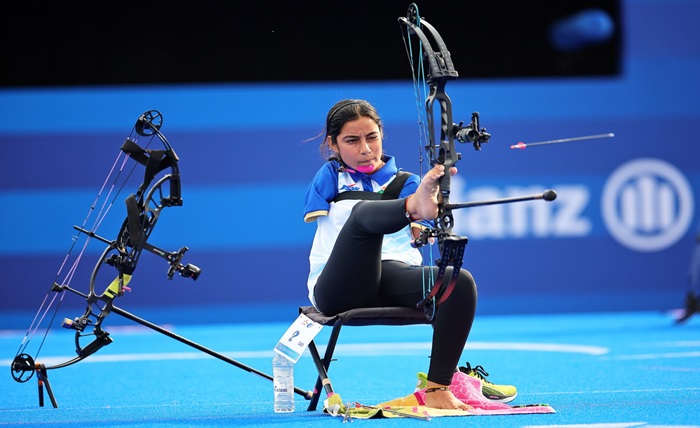

Imagine standing 70 meters away from a target the size of a CD, holding a bow with enough tension to lift a heavy weight, and releasing an arrow that hits the center ring. Now, imagine doing that while seated in a wheelchair or using your teeth to draw the string. This is the incredible reality of archery paralympics, a sport that combines intense mental focus with extraordinary physical skill. It is one of the original Paralympic sports and continues to captivate audiences around the globe.
In this guide, we will explore everything you need to know about this fascinating discipline. From its deep historical roots to the modern technological marvels used by athletes, we will uncover why this sport is a testament to human resilience. Whether you are a sports fan, an aspiring archer, or just curious, you are in the right place.
Key Takeaways:
- Archery paralympics is one of the oldest sports in the Paralympic program, dating back to 1948.
- Athletes compete in different classifications based on their physical impairments to ensure fair play.
- The sport uses both Recurve and Compound bows, each requiring different skills and strategies.
- Technology plays a huge role in adapting equipment for individual needs.
What is Para Archery?
Para archery is the adapted version of archery for athletes with physical impairments. It is governed by World Archery and is a major event at the Paralympic Games. The core goal remains the same as able-bodied archery: shoot arrows at a target from a set distance and score points by hitting as close to the center as possible. However, the methods used to achieve this can look quite different depending on the athlete.
The beauty of archery paralympics lies in its inclusivity. Athletes with a wide range of physical disabilities compete, including those with spinal cord injuries, cerebral palsy, and amputations. Despite these challenges, the scores achieved by elite Para archers are often comparable to, and sometimes even exceed, those of Olympic archers. This proves that physical limitations do not limit accuracy or competitive spirit.
Competitions are held for both men and women, in individual and team events. The atmosphere at these events is electrifying, filled with tension and triumph. It is a sport where silence is golden during the shot, followed by the thunderous applause of the crowd when an arrow strikes the gold center ring.
The Origins of the Sport
The history of archery paralympics is deeply connected to the origins of the Paralympic movement itself. It all started at the Stoke Mandeville Hospital in England in 1948. Dr. Ludwig Guttmann, a neurologist, was looking for ways to rehabilitate veterans with spinal cord injuries from World War II. He believed that sport could play a vital role in physical and mental recovery.
Archery was chosen because it helps build upper body strength and balance, which are crucial for people with spinal injuries. The first competition was held in 1948, coinciding with the opening of the London Olympics. This event, known as the Stoke Mandeville Games, was the precursor to the modern Paralympics. Since the very first Paralympic Games in Rome in 1960, archery has been a consistent feature on the program.
Over the decades, the sport has evolved significantly. What started as a rehabilitation exercise has transformed into a highly professional and competitive sport. The equipment has become more advanced, training methods more scientific, and the athletes more dedicated than ever. Today, archery paralympics stands as a symbol of how sport can change lives and challenge perceptions of disability.
Understanding Classifications
One of the most important aspects of archery paralympics is the classification system. Because athletes have different types and levels of impairments, they are grouped into classes to ensure fair competition. Without this system, an athlete with a minor impairment might have an unfair advantage over someone with a more severe disability.
Classification is done by trained medical and technical experts who assess the athlete’s range of movement, strength, and balance. This process determines which category an athlete falls into and whether they are eligible to compete. The goal is to minimize the impact of the impairment on the outcome of the competition, making sure that the athlete with the best skill and focus wins.
There are generally two main sport classes in Para archery at the Paralympic level: Open and W1. Understanding the difference between these is key to following the events. It helps spectators appreciate the specific challenges each athlete overcomes to land their arrows in the gold.
The W1 Classification
The W1 class is for athletes with impairments in both the upper and lower body, as well as the trunk. Often, these athletes use a wheelchair for daily mobility. The impairment must affect at least three limbs and the torso. For example, an athlete in the W1 class might have a spinal cord injury that affects their legs, core stability, and arm function.
Athletes in the W1 category can choose to shoot either a recurve or a compound bow, but there are specific rules regarding the draw weight of the bow (limited to 45 lbs). Because of their upper body impairments, many W1 archers use assistive devices. However, the use of sights is restricted compared to the Open class.
Watching the W1 events in archery paralympics is inspiring because it showcases incredible stability and control despite significant physical limitations. These archers demonstrate that with the right adaptations and immense practice, high-level precision is possible regardless of the severity of the impairment.
The Open Classification
The Open class is essentially for everyone else eligible for archery paralympics who does not fall into the W1 category. This class usually includes athletes with impairments in the legs or trunk, or balance issues. They might use a wheelchair (W2 classification historically, now often grouped into Open) or they might stand or use a stool for support.
In the Open class, athletes are separated by the type of bow they use: Recurve Open or Compound Open.
- Recurve Open: These athletes shoot at a target 70 meters away. The rules are very similar to Olympic archery.
- Compound Open: These athletes shoot at a target 50 meters away. The compound bow uses a system of pulleys and cables to make drawing the bow easier and holding it steady more efficient.
The competition in the Open class is fierce. The scores are incredibly high, and the margin for error is virtually non-existent. It is common to see shoot-offs where a single millimeter determines the winner of a gold medal.
Equipment and Adaptations
The equipment used in archery paralympics is a blend of standard archery gear and specialized adaptations. While the bows themselves—recurve and compound—are the same as those used in able-bodied competitions, how they are used can vary wildly. Innovation is at the heart of Para archery.
Athletes are allowed to use assistive devices authorized by classification rules. This might include body strapping to help with balance in a wheelchair, or mechanical release aids for those who cannot use their fingers to draw the string. Mouth tabs are another fascinating adaptation; some archers pull the bowstring back using a tab held in their teeth.
These adaptations are strictly regulated to ensure they compensate for an impairment rather than giving a performance advantage. Seeing an archer with no arms shoot a perfect 10 using their feet or their mouth is one of the most striking images in all of sports. It highlights the ingenuity within the Para archery community.
Recurve Bows Explained
The recurve bow is the classic bow style you might recognize from history books or the Olympics. It has tips that curve away from the archer when unstrung. This design stores more energy and delivers the arrow faster than a straight-limbed bow. In archery paralympics, the Recurve Open event is a test of pure skill and physical strength.
Recurve archers draw the string using their fingers. They aim using a simple sight pin. When they release, the energy transfer is immediate. Mastering a recurve bow requires years of practice to perfect the “archer’s paradox”—the way the arrow bends around the bow handle upon release.
For Para athletes, shooting a recurve bow often requires immense core strength to stabilize the body, especially if shooting from a wheelchair. The distance of 70 meters is significant, demanding not just accuracy but also the power to propel the arrow through wind and weather conditions.
Compound Bows Explained
The compound bow is a modern invention that looks more like a machine than a traditional weapon. It uses a levering system of cables and pulleys to bend the limbs. This system provides a “let-off” at full draw, meaning the archer holds only a fraction of the bow’s peak weight while aiming.
This let-off allows archery paralympics athletes to aim for longer periods without muscle fatigue, leading to incredible accuracy. Compound archers also use magnifying sights and mechanical release aids (triggers), which further enhance precision.
The target for compound archery is smaller than for recurve (the 10-ring is only 8cm wide at 50 meters), so the pressure is immense. A score of 9 is often considered a “bad” shot in elite compound competitions. The mechanical advantage of the bow places the focus almost entirely on mental consistency and microscopic adjustments.
The Competition Format
Understanding how a tournament works makes watching archery paralympics much more exciting. The competition usually begins with a ranking round. In this round, all archers shoot 72 arrows. Their total score ranks them from 1st to last (e.g., 1st to 64th). This ranking determines who plays against whom in the elimination rounds (the 1st seed plays the 64th, the 2nd plays the 63rd, and so on).
After the ranking round, the head-to-head eliminations begin. This is where the pressure really mounts. It is a knockout format: if you lose, you are out. Matches are often decided by just one or two points. The mental fortitude required to perform well in a one-on-one duel is different from the steady rhythm of the ranking round.
There are different scoring systems for Recurve and Compound matches. Recurve matches use a “set system,” where winning a set of three arrows earns you 2 points. The first to 6 set points wins. Compound matches usually use cumulative scoring, where the total score of 15 arrows determines the winner.
Team and Mixed Team Events
Archery is often seen as an individual sport, but the team events bring a different dynamic. In archery paralympics, nations compete in Mixed Team events (one man and one woman from the same country) and sometimes Doubles events.
Team events require communication and synchronization. Partners must shoot their arrows within a strict time limit, rotating quickly on the shooting line. If one archer has a bad shot, the partner must step up and shoot a perfect 10 to keep the team in the match. This camaraderie adds an emotional layer to the competition.
The Mixed Team event is particularly popular because it showcases the depth of talent in a country’s program. It combines the scores of the top male and female qualifiers, meaning a nation needs strong athletes across the board to succeed.
Legendary Para Archers
Every sport has its heroes, and archery paralympics is no exception. These athletes have not only won medals but have pushed the boundaries of what is possible. Their stories are often tales of overcoming tragic accidents or illnesses to find purpose and glory on the archery range.
Celebrating these legends is important because they pave the way for the next generation. They advocate for the sport, improve training techniques, and prove that a disability is not an inability.
Here is a look at some of the titans of the sport who have left an indelible mark on the history books.
Zahra Nemati (Iran)
Zahra Nemati is a global icon. Before becoming an archer, she was a black belt in taekwondo, but a car accident left her with a spinal cord injury. She took up archery and quickly rose to the top. She made history by becoming the first Iranian woman to win a gold medal at either the Olympic or Paralympic Games.
What makes Nemati truly special is that she has competed in both the Paralympics and the Olympics. Her technique is flawless, and her mental toughness is legendary. She is a powerful advocate for women in sports and for people with disabilities worldwide. When discussing archery paralympics, her name is one of the first mentioned.
Matt Stutzman (USA)
Known as the “Armless Archer,” Matt Stutzman is perhaps the most recognizable figure in the sport. Born without arms, Stutzman taught himself to do everything with his feet, including driving, eating, and shooting a bow.
He holds the bow with his foot and draws the string with a release aid attached to his shoulder. His accuracy is astounding—he once held the world record for the longest accurate shot by any archer, disabled or able-bodied. Stutzman’s charisma and incredible skill have brought massive attention to archery paralympics, proving that there is truly no “right way” to shoot a bow, only the way that works.
Training and Physical Demands
Many people assume that because archery is not an aerobic sport like running, it isn’t physically demanding. This is a misconception. Elite archers train for hours every day, shooting hundreds of arrows. This requires significant upper body strength, core stability, and endurance.
In archery paralympics, the physical demands are unique. An athlete in a wheelchair must have exceptional core strength to maintain a steady platform while the bow arm is under tension. Athletes with balance issues must work tirelessly on stabilizing muscles.
Furthermore, the repetition of drawing a heavy bow can lead to injuries if not managed correctly. Shoulders and backs take a beating. Physiotherapy, gym work, and careful recovery protocols are just as important as time spent on the range.
Mental Toughness in Archery
Archery is often said to be 90% mental. When you are on the shooting line at the archery paralympics, your heart rate spikes, your palms might sweat, and the crowd noise can be distracting. Yet, you must be perfectly still.
Athletes use visualization, breathing techniques, and mindfulness to control their nerves. One stray thought can cause a muscle twitch that sends an arrow into the 8-ring instead of the 10. The ability to reset after a bad shot and focus entirely on the next arrow is what separates the champions from the rest.
This mental resilience is a skill developed over years. Many Para athletes have already faced significant life challenges, which often gives them a unique perspective and mental fortitude that translates well to the high-pressure environment of competition.
FAQ: Common Questions About Para Archery
Here are answers to some frequently asked questions about this exciting sport.
Can Para archers compete in the Olympics?
Yes! If a Para archer meets the qualifying standards for their national Olympic team, they can compete in the Olympics. Several athletes, like Zahra Nemati and Neroli Fairhall, have competed in both Games.
What is the distance for archery paralympics?
It depends on the event. Recurve Open archers shoot at 70 meters. Compound Open archers and W1 archers usually shoot at 50 meters.
Do archers use special arrows?
The arrows are standard carbon or aluminum arrows used in all competitive archery. However, the length and stiffness (spine) are matched perfectly to the individual archer’s bow and draw length.
How do blind archers compete?
Visually impaired archery is a growing discipline. Archers use tactile sights—a stand that touches the back of their hand—to orient themselves. They also have a spotter who tells them where their arrow landed so they can adjust.
The Future of Para Archery
The future looks bright for archery paralympics. Participation is growing globally, with more countries sending athletes to the Games than ever before. Technological advancements are making equipment more accessible and adaptable, allowing people with more severe impairments to participate.
We are also seeing a rise in the professionalization of the sport. More sponsors and better media coverage mean that athletes can dedicate more time to training. Websites like Silicon Valley Time often discuss how technology impacts modern sports, and Para archery is a prime example of this intersection between human skill and engineering.
As the sport grows, we can expect to see records continue to fall. The younger generation of archers is starting earlier, training smarter, and pushing the limits of accuracy.
|
Feature |
Recurve Open |
Compound Open |
W1 |
|---|---|---|---|
|
Bow Type |
Traditional Recurve |
Mechanical Compound |
Recurve or Compound (limited weight) |
|
Distance |
70 Meters |
50 Meters |
50 Meters |
|
Target Size |
122 cm face |
80 cm face (6-ring cut) |
80 cm face (full) |
|
Sights |
Simple pin, no magnification |
Magnification & level allowed |
Simple pin, no magnification |
How to Get Involved
If you are inspired by archery paralympics, getting involved is easier than you might think. Archery clubs around the United States and the world are generally very inclusive. Many have coaches trained to work with athletes with disabilities.
Steps to start:
- Find a local club: Look for clubs affiliated with USA Archery or your national federation.
- Take a beginner course: Most clubs offer introductory lessons where equipment is provided.
- Get classified: If you want to compete seriously, you will eventually need to go through the classification process.
- Practice: Like any sport, improvement comes with dedication.
Whether you aim for the Paralympics or just want a fun weekend hobby, archery offers a welcoming community and a rewarding challenge.
Conclusion
The archery paralympics is more than just a sporting event; it is a celebration of human potential. It combines the ancient art of the bow and arrow with modern technology and the unyielding spirit of athletes who refuse to be defined by their limitations. From the meticulous rules of classification to the high-drama of the elimination rounds, it offers something for every sports fan.
As we have seen, whether it is the W1 athletes overcoming severe impairments or the Open class archers displaying pin-point accuracy, the level of skill on display is world-class. The stories of legends like Matt Stutzman and Zahra Nemati remind us that with passion and adaptation, any target is within reach. So the next time you see Para archery on TV, remember the history, the technology, and the incredible mental strength behind every shot.



