






Introduction
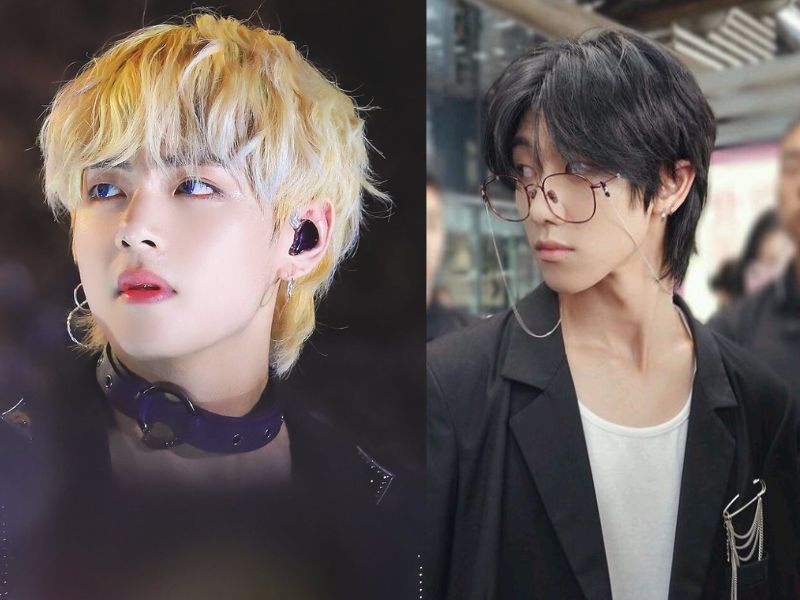
Hairstyles are more than just the way we cut our hair; they are a form of expression, a nod to culture, and often, a statement of rebellion. Over the last few years, one specific style has come roaring back from the history books, but with a fresh, modern twist. We are talking about the asian mullet. This isn’t the old-school cut your dad might have sported in the 80s. Instead, it is a sleek, edgy, and incredibly versatile look that has taken social media and street fashion by storm.
If you have scrolled through TikTok or Instagram recently, you have probably seen K-pop idols, influencers, and fashion-forward individuals rocking this look. The asian mullet blends the classic “business in the front, party in the back” vibe with modern texturing, layers, and often, vibrant colors. It is less about looking messy and more about looking effortlessly cool. Whether you have straight, wavy, or thick hair, this style can be adapted to suit your specific look.
In this comprehensive guide, we are going to dive deep into everything you need to know about this trending hairstyle. We will cover its history, how it became so popular in Asian pop culture, the different variations you can try, and exactly how to ask your barber for the cut. We will also provide maintenance tips to keep your asian mullet looking sharp. By the end of this article, you will have all the inspiration you need to make your next big hair transformation.
Key Takeaways
- Cultural Impact: Understand why the asian mullet is more than just a trend in Korea and Japan.
- Styling Tips: Learn the specific products needed to maintain the look.
- Face Shapes: Find out if this cut suits your specific facial structure.
- Variations: Explore different styles, from the “wolf cut” to the classic fade.
- Maintenance: Discover the routine needed to keep the layers fresh.
What Exactly is an Asian Mullet?
To truly appreciate this hairstyle, we first need to define what makes the asian mullet distinct from its Western counterpart. Traditionally, a mullet is defined by having shorter hair on the top and sides, with significantly longer hair at the back. The classic American mullet often had a very stark contrast—very short on top, very long in the back—which sometimes gave it a jarring appearance.
The asian mullet, however, is all about the flow and the transition. It typically features softer layers that connect the shorter front sections to the longer back sections more seamlessly. It is often characterized by lots of texture. The sides might be faded or undercut, but the transition into the longer hair at the nape of the neck is handled with more finesse. This version focuses heavily on framing the face, often incorporating curtain bangs or wispy fringe to soften the look.
Another defining feature is the versatility in texture. While Western mullets often relied on natural curls or perms in the 80s, the modern asian mullet is frequently styled on straight hair that has been texturized with shears, or soft waves that are added with a flat iron. This creates a silhouette that is sleek yet voluminous. It is a gender-neutral style that has been embraced by men and women alike, breaking down traditional beauty standards.
Key Characteristics:
- Soft Transitions: Less harsh than the traditional mullet.
- Face Framing: Often includes bangs or side pieces.
- Texture: Heavily layered for movement and volume.
- Versatility: Works well with undercuts or fades.
The Rise of the Asian Mullet in Pop Culture
You cannot talk about the asian mullet without discussing the massive influence of K-pop and Asian dramas. South Korea has become a global trendsetter in beauty and fashion, and hairstyles are a huge part of that influence. Idols like G-Dragon, Baekhyun from EXO, and V from BTS have all sported variations of this cut, instantly making it a global phenomenon. When a major idol debuts a new look, millions of fans worldwide take notice.
In the past, the mullet was often mocked as an outdated style. However, Asian celebrities reimagined it as something chic and high-fashion. They paired the asian mullet with designer clothing, bold makeup, and unique hair colors, transforming the perception of the cut. It became a symbol of edginess and artistic freedom. It signaled that the wearer was confident and willing to step outside the norm of the typical “clean-cut” image that was popular for so long.
This trend also coincides with the rise of the “Wolf Cut,” which is essentially a variation of the asian mullet. The Wolf Cut went viral on TikTok, with users showing off their DIY haircuts. This exploded the popularity of shaggy, layered styles. The influence of anime characters should not be ignored either; many popular anime figures sport spiky, long-backed hairstyles that mimic the structure of a mullet, inspiring fans to replicate the look in real life.
Analyzing Different Face Shapes for this Cut
One of the most common questions people ask is, “Will an asian mullet look good on me?” The good news is that because this style is so customizable, it can be tailored to suit almost any face shape. However, understanding your own geometry helps in choosing the right variation. The goal of any haircut is to create balance, and the layers in a mullet are excellent tools for this.
If you have a round face, an asian mullet can actually be very flattering. The key here is volume on top. By adding height to the crown area and keeping the sides tighter or flatter, you elongate the face shape. The longer hair in the back also adds vertical lines, which helps to slim down the appearance of the cheeks. Avoid having too much volume on the sides, as this will make the face look wider.
For those with a square face, the goal is to soften the strong jawline. A mullet with wispy, soft layers around the ears and neck works wonders here. You want to avoid sharp, blunt lines. Instead, ask your stylist for a lot of texture and perhaps some curtain bangs that hit right at the cheekbones to break up the angles of the face.
Face Shape Compatibility Table
|
Face Shape |
Recommended Mullet Style |
Styling Focus |
|---|---|---|
|
Oval |
almost any variation |
You can pull off daring lengths and bold fades. |
|
Round |
High volume top, sleek sides |
Add height to elongate the face. |
|
Square |
Wispy layers, soft edges |
Soften the jawline with face-framing pieces. |
|
Heart |
Longer back, side-swept bangs |
Balance a wider forehead with volume at the bottom. |
|
Diamond |
Full sides, textured back |
Highlight cheekbones but fill in the temple area. |
The “Wolf Cut” vs. The Asian Mullet
There is often confusion between the “Wolf Cut” and the asian mullet, and for good reason—they are cousins in the hair world. However, there are subtle differences. The Wolf Cut is essentially a hybrid of a shag cut and a mullet. It leans heavily into the “shag” aspect, meaning it has layers throughout the entire head, creating a very round, voluminous shape that tapers toward the ends. It usually features heavy bangs.
The asian mullet, specifically when worn by men or those preferring a sharper look, tends to be a bit more structured. While it has layers, the distinction between the short sides and the long back is often clearer. A Wolf Cut feels messier and “fluffier,” whereas an asian mullet can be sleek, straight, and sharp. The Wolf Cut is often styled to look like bedhead, while the mullet can be styled to look like a precise fashion statement.
However, the lines are blurring. Many people use the terms interchangeably. If you want a Wolf Cut, you are essentially asking for a very textured, shaggy version of a mullet. If you want a “K-pop Mullet,” you might be looking for something with a fade on the sides and a long, straight “tail” at the back. Both styles fall under the umbrella of modern, alternative Asian hairstyles.
Top 5 Variations of the Asian Mullet
Because this hairstyle is so adaptable, there isn’t just one way to wear it. Depending on your hair type and your personal style, you can choose from several popular variations. Here are the top five styles currently trending.
1. The Undercut Mullet
This is perhaps the most popular version for men. It involves shaving the sides of the head (an undercut) while leaving the top and back long. This creates a high-contrast look that is very clean and sharp. The asian mullet with an undercut is great for people with very thick hair, as the shaved sides remove a lot of bulk, making the hair easier to manage.
2. The Permed Mullet
Texture is huge right now. A permed mullet involves chemically curling the hair to add waves or ringlets. This gives the style a softer, more romantic vibe. It adds massive volume and movement, making it perfect for people with fine or flat hair. The curls help blend the different lengths together naturally.
3. The Extended Tail Mullet
This is a bold look where the hair at the nape of the neck is left significantly longer than the rest, sometimes reaching the shoulders or collarbone. This style is dramatic and definitely turns heads. It requires confidence to pull off and is often seen on fashion runways and music videos.
4. The Two-Block Mullet
The “Two-Block” cut is a staple in Korean men’s hair. It involves cutting the sides and back short while leaving the top long and floppy. When you combine this with a mullet, you keep the back length instead of cutting it short. This creates a mushroom-like shape on top with a sleek tail in the back, offering a very modern silhouette.
5. The Spiky Mullet
Drawing inspiration from anime and visual kei (a Japanese rock movement), this style involves using a strong hold wax to create spikes on top and in the back. It is a very punk-rock interpretation of the asian mullet and works well for those who want an aggressive, high-energy look.
Hair Texture and the Asian Mullet
Asian hair is typically known for being straight, thick, and coarse. This specific hair texture plays a significant role in how the asian mullet sits and moves. Because thick hair can become heavy and poofy, texturizing is the most critical part of the haircut. Without proper thinning and layering, the hair can look like a helmet or a mushroom.
If you have straight, thick hair, your stylist will need to use thinning shears or a razor to remove weight from the ends. This allows the hair to lay flat against the head and creates that piece-y look that defines the style. If you don’t remove the bulk, the back of the mullet will stick straight out instead of flowing down the neck.
For those with wavy or curly hair, the asian mullet naturally looks great because the texture does the work for you. The layers help the curls bounce and prevent the “triangle” shape that curly hair sometimes gets. However, you will need to use hydrating products to keep the curls defined and frizz-free. If your hair is extremely fine, you might need to use volumizing powders or sprays to give the mullet the lift it needs at the roots.
How to Ask Your Barber for This Cut
Communication is key when getting a drastic haircut. Walking into a barbershop and simply saying “I want a mullet” can be risky, as you might end up with a country music star look rather than a K-pop idol look. To get the perfect asian mullet, you need to be specific.
First, bring pictures. This is non-negotiable. Find photos of the specific variation you want. Show the front, side, and back views if possible. This gives the barber a visual blueprint.
Specific Instructions to Use:
- The Sides: Decide if you want a fade, a taper, or scissor-cut sides. Tell them, “I want the sides kept tight but not skin-short,” or “I want an undercut hidden by the top layers.”
- The Back: Specify the length. “I want the length to hit the middle of my neck.” Ask for layers in the back so it flows, rather than a blunt chop.
- The Top: Ask for texture. “I want a lot of texture on top so I can mess it up.” Mention if you want to part it in the middle or wear it forward.
- The Connection: This is crucial. Ask them to “blend the back into the sides nicely” or “disconnect the sides for an edgier look,” depending on your preference.
Make sure to mention the keyword asian mullet if your stylist is familiar with trends, as they will understand the specific soft aesthetic you are aiming for.
Styling Tools and Products You Will Need
Once you leave the salon, the responsibility of maintaining the look falls on you. The asian mullet is a high-style cut, meaning it usually requires a little bit of effort in the morning to look its best. You cannot always just roll out of bed and go.
Essential Tools:
- Mini Flat Iron: Great for tweaking the ends of the hair, creating small waves, or fixing bangs.
- Round Brush: Essential for blow-drying volume into the top section.
- Hair Dryer with Nozzle: The nozzle helps direct airflow to smooth down the cuticle.
Essential Products:
- Texture Powder: This is a game-changer. Sprinkle it at the roots for instant lift and grit.
- Matte Wax or Clay: For shorter styles, this provides hold without making the hair look greasy.
- Sea Salt Spray: If you want that messy, wavy look, spray this on damp hair and scrunch it as it dries.
- Leave-in Conditioner: Vital for keeping the longer ends healthy and preventing split ends.
Step-by-Step Styling Routine
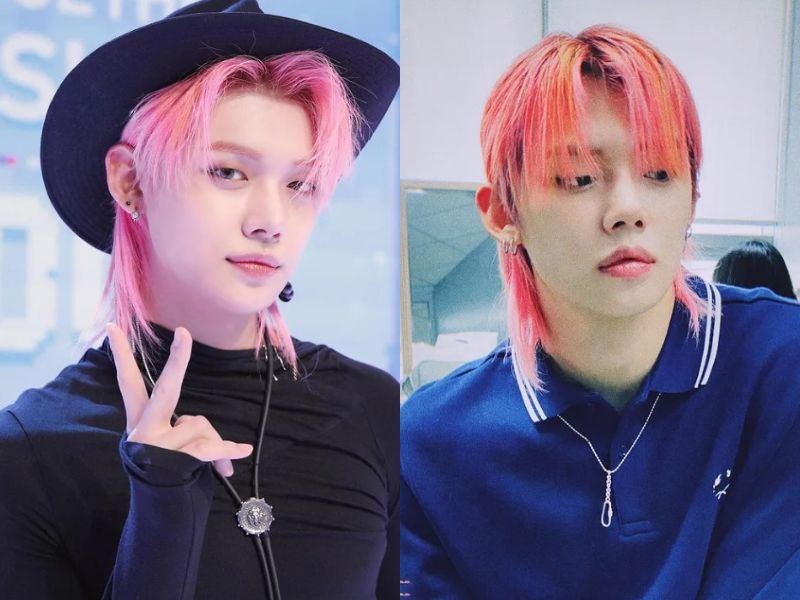
Here is a basic daily routine to style a standard asian mullet. This routine focuses on creating volume and texture.
- Wash and Towel Dry: Start with clean, damp hair.
- Pre-Styler: Apply a small amount of sea salt spray or mousse to damp hair. This builds a foundation for hold.
- Blow Dry: Use a hair dryer. Dry the sides flat against your head to keep them slim. For the top, lift the hair with your fingers or a brush to create volume. Scrunch the back hair to encourage wave or texture.
- Iron Work (Optional): If your hair is very straight, take a flat iron and create “C” shapes with the top strands to add movement. Flip the ends of the back section slightly outward for a playful look.
- Product Application: Take a dime-sized amount of hair wax. Rub it thoroughly between your palms until it warms up.
- Detailing: Rake your hands through your hair, focusing on the ends. Twist small sections of the back hair to define the “tail.” Pinch the bangs into place.
- Lock it in: If you have a long day ahead, finish with a light mist of hairspray.
Color Trends: Dyeing Your Mullet
The cut is only half the battle; color elevates the asian mullet to the next level. We see a lot of creative color placement with this style. A popular trend is “peek-a-boo” highlights, where the underlayer of the hair is dyed a bright color like blonde, blue, or pink, while the top layer remains natural black or brown. When the hair moves, the color pops out.
Another massive trend is the two-tone split dye (Cruella style) or dyeing just the “tail” of the mullet a contrasting color. For example, black hair on top with a neon green tail is a very Cyberpunk/futuristic look.
Blonde mullets are also incredibly popular in the K-pop scene. Bleaching the entire head creates a blank canvas that emphasizes the texture of the cut. However, bleaching Asian hair requires care, as it can be damaging. If you bleach your asian mullet, you must invest in purple shampoo and deep conditioning masks to keep the hair looking silky rather than straw-like.
Celebrity Inspiration: Who Wore It Best?
To help you visualize the potential of this haircut, let’s look at some icons who have defined the asian mullet trend.
- G-Dragon (BigBang): Often cited as the king of K-pop style, G-Dragon has worn every variation of the mullet imaginable, from long and red to short and textured. He proves the style can be high-fashion.
- Baekhyun (EXO): He sported a famous mullet during the “Ko Ko Bop” era that featured red streaks. It was a controversial look at the time but is now considered iconic.
- The8 (SEVENTEEN): Known for his fashion sense, The8 has rocked a very sleek, long mullet that showcases how elegant the style can be.
- Sora Choi: The Korean supermodel is famous for her edgy look, often sporting a choppy, layered mullet that complements her rock-chic aesthetic.
These celebrities show that the asian mullet is not just a haircut; it is an accessory to your overall personal brand.
Maintenance: Keeping Your Mullet Fresh
The asian mullet is not a low-maintenance haircut. Because it relies on the balance between short and long sections, it can look awkward as it grows out. The sides will get puffy, and the texture on top will become heavy.
Trimming Schedule:
You should plan to visit your barber or stylist every 4 to 6 weeks. The main focus of these maintenance cuts is to trim the sides and re-texturize the top. You might not need to cut the length in the back every time, but the ends should be dusted to prevent splitting.
dealing with the “Awkward Phase”:
If you decide to grow out your asian mullet, the transition can be tricky. The back will be much longer than the front. To grow it out gracefully, you will eventually need to cut the back shorter to match the front layers, turning the style into a bob or a shag before growing it all out to one length.
Common Mistakes to Avoid
When jumping on a trend, it is easy to make mistakes. Here are a few pitfalls to avoid with the asian mullet.
- Cutting the Sides Too Short: If you shave the sides down to the skin but leave the back very long and thick, the disconnect can look too harsh and dated. A taper or a soft fade usually looks more modern.
- Neglecting the Nape: The hair at the neckline needs to be shaped. If it grows too wide, it looks messy. It should taper slightly to a point or a natural curve.
- Ignoring Product: As mentioned, this cut needs styling product. Without it, the layers won’t pop, and the hair will just hang limp.
- DIY Disasters: While viral videos make it look easy to cut your own hair, the asian mullet requires precise layering. Doing it yourself often results in uneven holes in the hair or a crooked tail.
The Professional Impact: Is It Work-Safe?
A common concern is whether this hairstyle is professional enough for the workplace. Ten years ago, a mullet might have been a “no-go” in corporate environments. Today, standards are relaxing. The asian mullet can be styled neatly.
For a professional setting, keep the styling toned down. Avoid messy, bedhead textures. Instead, blow-dry the hair smooth and tuck the longer pieces behind your ears or ensure they are combed neatly. If you work in creative industries like design, marketing, or tech, this hairstyle can actually be an asset, showing that you are current and have a distinct personality. It is a great conversation starter.
As we discuss modern trends and lifestyle, it is interesting to note how different industries adapt. For more insights on lifestyle and trends, you might find interesting articles at https://siliconvalleytime.co.uk/, which covers a variety of modern topics.
Frequently Asked Questions (FAQ)
Q: Can I get an asian mullet if I have thin hair?
A: Yes! In fact, the layers in an asian mullet can make thin hair look thicker by creating volume and movement. You will just need to use volumizing products.
Q: How long does my hair need to be to start this cut?
A: Ideally, you need about 3 to 4 inches of length on top and at least 2 to 3 inches at the nape of the neck to start shaping a basic mullet.
Q: Is the asian mullet suitable for women?
A: Absolutely. The cut is unisex. On women, it is often called a “wolf cut” or a “shag mullet” and looks incredibly chic.
Q: Do I need to perm my hair for this look?
A: No, a perm is not required. However, if your hair is pin-straight and stubborn, a mild body wave perm can make daily styling much easier.
Q: Will this trend go out of style soon?
A: While all trends cycle, the mullet has proven to be resilient. It has evolved from the 80s to the 2020s. The modern, textured variation seems to have staying power in the fashion world.
Conclusion
The asian mullet is more than just a fleeting viral moment; it is a versatile, stylish, and culturally significant hairstyle that allows for immense self-expression. It challenges traditional norms of grooming and offers a way to play with texture and shape. Whether you opt for a subtle, office-friendly version or a bold, spiked, and colored punk look, this hairstyle commands attention.
Remember that the key to a great asian mullet lies in the consultation with your barber, the specific texturing of the hair, and your dedication to daily styling. It is a fun journey to embark on, and one that can completely change your confidence and image. So, if you have been debating whether to make the chop, take this as your sign to go for it. Embrace the layers, enjoy the flow, and rock your new look with pride.
For further reading on the history of the mullet and its cultural significance across the globe, you can check out this Wikipedia entry on the Mullet.



