




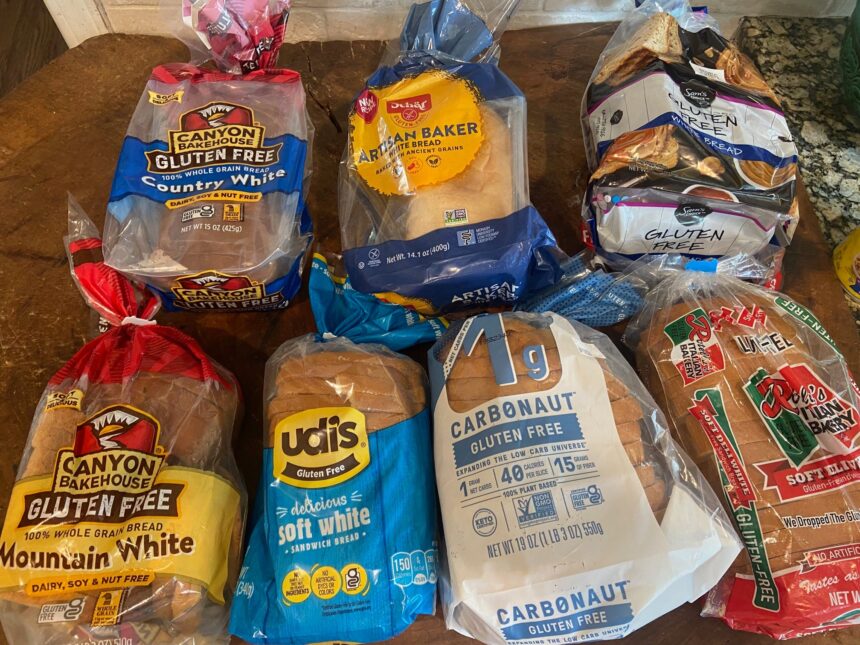

For years, finding a decent loaf of gluten-free bread felt like an impossible quest. Many people living with celiac disease, gluten sensitivity, or those simply choosing a gluten-free lifestyle remember the early days of dense, crumbly, and frankly tasteless options. Thankfully, the food industry has come a long way. The search for the best gluten free bread is no longer a disappointing journey. Today, supermarket shelves and online stores are filled with fantastic choices that rival their traditional wheat-based counterparts in taste, texture, and overall satisfaction.
This guide is your comprehensive roadmap to navigating the world of gluten-free bread. We will explore everything from the top brands on the market to the key ingredients that make a loaf truly exceptional. You’ll learn how to read labels like a pro, discover delicious homemade recipes, and find the perfect slice for every occasion, whether it’s a simple morning toast or a gourmet sandwich. Get ready to fall in love with bread all over again.
Key Takeaways
- Taste and Texture Have Transformed: Modern gluten-free breads are soft, flavorful, and have an excellent crumb, a significant improvement from earlier versions.
- Ingredients are Key: Understanding the different gluten-free flours (like rice, tapioca, and millet) and binders (like psyllium husk and xanthan gum) helps you choose the best gluten free bread for your dietary needs and preferences.
- Top Brands to Look For: Brands like Canyon Bakehouse, Schär, Udi’s, and Trader Joe’s consistently receive high praise for their quality and variety.
- Baking at Home is Rewarding: Making your own gluten-free bread gives you complete control over ingredients, freshness, and cost. It’s a gratifying and delicious endeavor.
- Reading Labels is Crucial: Always check for “Certified Gluten-Free” labels to ensure the product is safe, especially for those with celiac disease, to avoid cross-contamination.
What Exactly Is Gluten and Why Avoid It?
Before diving into the delicious world of gluten-free bread, it’s helpful to understand what gluten is and why millions of people avoid it. Gluten is a family of proteins, primarily glutenin and gliadin, found in grains like wheat, barley, and rye. In traditional baking, gluten acts as a binder, creating the elastic and chewy texture we associate with conventional bread. It traps gas produced by yeast, allowing the dough to rise and maintain its shape.
For most people, gluten is harmless. However, for individuals with certain medical conditions, it can cause significant health problems. The most well-known condition is celiac disease, an autoimmune disorder where consuming gluten triggers an immune response that damages the lining of the small intestine. This damage impairs nutrient absorption and can lead to a host of symptoms, including digestive distress, fatigue, anemia, and long-term health complications.
Another common reason for avoiding gluten is non-celiac gluten sensitivity (NCGS). People with NCGS experience symptoms similar to celiac disease when they eat gluten, but they do not have the same autoimmune intestinal damage. Symptoms can range from bloating and abdominal pain to headaches and “brain fog.” Finally, some people have a wheat allergy, an allergic reaction to proteins in wheat, including but not limited to gluten, which can cause reactions from hives to anaphylaxis. For these groups, a strict gluten-free diet is not a choice but a medical necessity, making the availability of the best gluten free bread a crucial part of their daily lives.
The Evolution of Gluten-Free Bread
The journey of gluten-free bread from a niche health food item to a mainstream staple is a story of innovation and perseverance. In the early days, options were limited and often disappointing. The first attempts to replicate wheat bread without gluten resulted in products that were notorious for their poor quality. They were often dry, heavy, and had a tendency to fall apart at the slightest touch. The flavor was frequently described as bland or having a strange aftertaste, making even a simple sandwich an unpleasant experience. These early loaves rarely toasted well and were almost unusable straight from the package.
The turning point came with advancements in food science and a better understanding of how different gluten-free ingredients could work together. Bakers and food manufacturers began experimenting with complex blends of alternative flours. Instead of relying on just one type, they started combining rice flour, tapioca starch, potato starch, cornstarch, and newer options like millet, sorghum, and quinoa flours.
Each flour brings a unique property—some add structure, others provide softness, and some contribute to a richer flavor profile. The discovery and refinement of binders like xanthan gum and psyllium husk were also game-changers. These ingredients mimic gluten’s binding and elastic properties, allowing the dough to trap air, rise properly, and hold its structure. Today, the quest for the best gluten free bread leads to products that are soft, flexible, and delicious, a world away from their predecessors.
Understanding the Ingredients in Gluten-Free Bread
The secret to finding the best gluten free bread often lies in its ingredient list. Without gluten to provide structure and elasticity, bakers must rely on a clever combination of alternative flours, starches, and binders. Understanding what these ingredients are and the role they play can help you choose a loaf that you’ll truly enjoy.
Common Gluten-Free Flours and Starches
Gluten-free bread is typically made from a blend of different flours and starches to achieve the right balance of taste, texture, and structure. A single flour rarely does the trick.
- Brown and White Rice Flour: This is one of the most common bases for gluten-free products. Brown rice flour provides a slightly nutty flavor and more nutrients, while white rice flour has a neutral taste and light texture.
- Tapioca Starch (or Flour): Derived from the cassava root, tapioca starch adds a chewy quality to bread and helps create a crisp crust. It’s a key component for mimicking the texture of wheat.
- Potato Starch and Flour: Not to be confused with each other, potato starch is a fine powder that adds moisture and a soft texture, while potato flour (made from whole, cooked potatoes) has a more distinct potato flavor and creates a denser crumb.
- Cornstarch: This is another common ingredient used to provide structure and lightness to the bread. It works well in combination with other, heavier flours.
- Sorghum Flour: A popular choice for its mild, slightly sweet flavor and soft texture. It has a good nutritional profile, being high in protein and fiber.
- Millet Flour: Known for its light, cake-like crumb and subtle, corn-like flavor. It adds a lovely golden color to bread.
- Buckwheat Flour: Despite its name, buckwheat is not related to wheat and is naturally gluten-free. It has a robust, earthy flavor and is often used in heartier, darker loaves of bread.
The Role of Binders: Xanthan Gum vs. Psyllium Husk
Binders are the magic ingredient in gluten-free baking. They are essential for replacing the elasticity and structural properties of gluten.
- Xanthan Gum: This is a popular food additive produced by fermenting sugar with a specific type of bacteria. It is a powerful thickening agent and stabilizer. In gluten-free bread, it acts as an emulsifier, helping the ingredients bind together and trapping air bubbles to allow the bread to rise. It provides the dough with a stickiness that mimics gluten, resulting in a less crumbly final product. A little goes a long way, and too much can result in a gummy texture.
- Psyllium Husk: A fantastic natural alternative to xanthan gum, psyllium husk is a type of fiber made from the husks of the Plantago ovata plant’s seeds. When mixed with water, it forms a gel-like substance that adds wonderful structure, moisture, and flexibility to gluten-free bread. Many bakers find that psyllium husk creates a more authentic, wheat-like texture and a better crumb. It also adds a significant amount of dietary fiber, which is a welcome bonus. Many artisan-style loaves, often considered among the best gluten free bread, utilize psyllium husk for its superior texture.
Top Store-Bought Gluten-Free Bread Brands
Navigating the grocery store aisle for the best gluten free bread can be overwhelming. With so many brands available, how do you choose? We’ve compiled a list of some of the most popular and highly-rated brands in the United States, known for their consistent quality, taste, and texture.
Canyon Bakehouse
Canyon Bakehouse is a fan favorite for good reason. Based in Colorado, this 100% dedicated gluten-free bakery produces bread that many people say is indistinguishable from its gluten-containing counterparts. Their loaves are known for being soft and pliable right out of the bag, with no need for toasting to be palatable. They hold up exceptionally well in sandwiches without falling apart.
- Popular Varieties: Heritage Style Whole Grain, 7-Grain, Mountain White, Hawaiian Sweet.
- Why It’s a Top Choice: The texture is consistently soft and never crumbly. They use whole-grain flours and natural ingredients, avoiding artificial preservatives, colors, and flavors. Their Heritage Style loaves are larger, more closely resembling traditional sandwich bread slices, which is a huge plus for many.
Schär
Schär is a European leader in gluten-free foods that has gained significant popularity in the US. With decades of experience, they have perfected their recipes to deliver high-quality products. Their breads are often packaged in a way that ensures a long shelf life, making them a great pantry staple.
- Popular Varieties: Artisan Baker White, Artisan Baker Multigrain, Deli-Style Sourdough.
- Why It’s a Top Choice: Schär focuses on creating an authentic European bakery taste and texture. Their sourdough, in particular, receives rave reviews for its genuine tangy flavor. They are also certified non-GMO and often fortified with vitamins and minerals to help address nutritional gaps common in a gluten-free diet.
Udi’s Gluten Free
Udi’s was one of the first brands to truly revolutionize the gluten-free bread market and make it mainstream. They offer a wide range of products beyond bread, including bagels, muffins, and pizza crusts. While some newer brands have emerged, Udi’s remains a reliable and widely available choice.
- Popular Varieties: Soft White, Multigrain, Omega-Salba Ancient Grain.
- Why It’s a Top Choice: Udi’s bread has a light texture and a mild flavor that makes it very versatile. It’s particularly good when toasted, becoming crisp and golden. Its wide availability in most major supermarkets makes it an easy and dependable option when you need to find a good loaf quickly.
Trader Joe’s Private Label
Don’t overlook the store brands, especially Trader Joe’s. This grocery chain is known for its high-quality private-label products, and its gluten-free bread is no exception. They often offer unique and seasonal varieties at a very competitive price point.
- Popular Varieties: Gluten Free White Sandwich Bread, Gluten Free Multigrain Bread, Everything Bagels.
- Why It’s a Top Choice: The price is often significantly lower than name-brand competitors without sacrificing quality. The bread is soft, flavorful, and receives consistently positive reviews from the loyal Trader Joe’s customer base. For those on a budget, it’s often considered the best gluten free bread for the value.
Comparing Popular Gluten-Free Bread Brands
To help you make an informed decision, here’s a quick comparison of some of the top brands based on common factors like texture, slice size, and price.
|
Brand |
Typical Texture (Untoasted) |
Average Slice Size |
Price Point |
Key Selling Point |
|---|---|---|---|---|
|
Canyon Bakehouse |
Very soft, flexible, moist |
Medium to Large (Heritage) |
$$$ (Premium) |
Excellent texture, holds together for sandwiches |
|
Schär |
Soft but firm, slightly dense |
Medium |
$$ (Mid-Range) |
Authentic taste, especially sourdough; long shelf life |
|
Udi’s Gluten Free |
Light, slightly airy, can be dry |
Small to Medium |
$$ (Mid-Range) |
Widely available, toasts very well |
|
Trader Joe’s |
Soft, moist |
Medium |
$ (Budget-Friendly) |
Great value for money, good quality |
|
Little Northern Bakehouse |
Soft, good structure |
Medium |
$$$ (Premium) |
Sprouted grains, vegan, allergen-friendly |
|
Kinnikinnick |
Dense, firm, traditional |
Small |
$$ (Mid-Range) |
Free from dairy, nuts, and soy; good for toasting |
Note: Price points are relative and can vary significantly based on location and retailer.
Baking Your Own: The Ultimate Best Gluten-Free Bread
While store-bought options have improved dramatically, nothing compares to the smell and taste of freshly baked bread from your own oven. Baking your own gluten-free bread might seem intimidating, but it’s an incredibly rewarding process. It gives you complete control over the ingredients, allowing you to tailor the recipe to your specific dietary needs and taste preferences. You can ensure there are no unwanted preservatives, experiment with different flours, and adjust the sweetness or fiber content. Plus, it’s often more cost-effective in the long run.
A successful homemade loaf can easily be crowned your personal best gluten free bread. The key is to find a reliable recipe and follow it closely, at least for the first few times. Gluten-free baking is more like chemistry than traditional baking; precise measurements are crucial. Using a kitchen scale for weighing ingredients is highly recommended over using measuring cups, as it provides much greater accuracy. Don’t be discouraged if your first attempt isn’t perfect. Like any skill, it takes a bit of practice to understand how the dough should feel and look. The satisfaction of pulling a perfect, golden-brown loaf from your oven makes the effort entirely worthwhile.
Essential Tips for Baking Gluten-Free Bread at Home
- Use a Good Recipe: Start with a well-tested recipe from a reputable gluten-free blogger or cookbook. Look for recipes with lots of positive reviews.
- Measure Accurately: As mentioned, a digital kitchen scale is your best friend. Gluten-free flours vary in density, and volume measurements can be inconsistent.
- Don’t Overmix: Unlike wheat dough, gluten-free dough doesn’t need kneading to develop gluten. In fact, overmixing can make the bread tough. Mix just until the ingredients are fully combined.
- Expect a Different Dough: Gluten-free bread dough is often much wetter and stickier than wheat dough, more like a thick batter than a traditional dough. This is normal. Don’t be tempted to add too much extra flour.
- Let It Rest: Most recipes will call for at least one rise in a warm, draft-free place. This allows the yeast to activate and the binders to hydrate, which is essential for texture.
- Use the Right Pan: A standard loaf pan works well. A darker metal pan will absorb more heat and can help create a better crust.
- Let It Cool Completely: This is perhaps the most important and most difficult tip to follow! Slicing into hot gluten-free bread can cause it to be gummy and fall apart. The bread continues to set as it cools. Patience is key to a perfect slice.
How to Read Labels and Ensure a Product Is Truly Gluten-Free
For anyone with celiac disease or a severe gluten sensitivity, label reading is a non-negotiable part of grocery shopping. Simply seeing “gluten-free” on the front of the package isn’t always enough. You need to know what to look for to ensure the product is safe for you to consume. The search for the best gluten free bread must also be a search for the safest gluten-free bread.
The most important symbol to look for is a “Certified Gluten-Free” seal. In the United States, several third-party organizations provide this certification, such as the Gluten-Free Certification Organization (GFCO). To earn this seal, a product must be tested and verified to contain less than 10 parts per million (ppm) of gluten, which is stricter than the FDA’s standard of less than 20 ppm. This certification also means the manufacturing facility has been audited to prevent cross-contamination.
If a product isn’t certified, look at the FDA’s definition. A product labeled “gluten-free” must contain fewer than 20 ppm of gluten. This is considered a safe level for most people with celiac disease. However, you should still check the “Contains” statement and the ingredient list for any hidden sources of gluten. Also, look for advisory statements like “May contain wheat” or “Processed in a facility that also processes wheat.” For highly sensitive individuals, products with these warnings may pose a risk of cross-contamination and are best avoided.
Storing and Using Gluten-Free Bread for Best Results
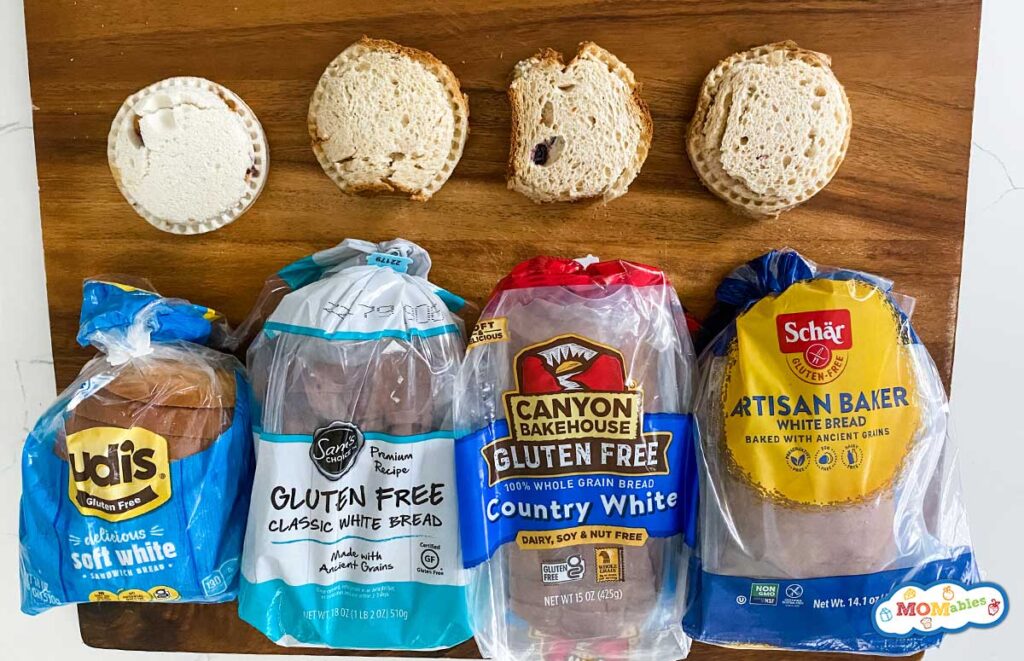
You’ve found or baked the best gluten free bread—now how do you keep it fresh and delicious? Gluten-free bread has a different shelf life and storage requirements than traditional wheat bread. Due to the lack of gluten and often the absence of artificial preservatives, it can dry out or spoil more quickly.
For short-term storage (2-3 days), keeping the bread in its original packaging or a sealed bread bag on the counter is usually fine. Avoid the refrigerator, as the cold, dry air will cause the bread to become stale much faster. This process, known as retrogradation, happens more rapidly in gluten-free bread.
For long-term storage, the freezer is your best option. Most gluten-free breads freeze exceptionally well. The best practice is to slice the entire loaf before freezing. Place parchment paper between the slices to prevent them from sticking together. Then, put the slices in a freezer-safe bag, squeeze out as much air as possible, and seal it tightly. This way, you can pull out just the number of slices you need. You can toast them directly from frozen, and they will taste almost as fresh as the day you bought or baked them. This method ensures you always have delicious bread on hand and minimizes waste.
Frequently Asked Questions (FAQ)
Q1: What is the best tasting gluten-free bread?
A: Taste is subjective, but many people consistently rate Canyon Bakehouse Heritage Style and Schär Artisan Baker White as top contenders. They offer a soft texture and a neutral, pleasant flavor that closely mimics traditional bread, making them excellent for sandwiches and toast.
Q2: Is gluten-free bread healthier than regular bread?
A: Not necessarily. Gluten-free bread is essential for those with celiac disease or gluten sensitivity. For others, its healthiness depends on the ingredients. Some gluten-free breads can be higher in sugar and lower in fiber and B vitamins than whole wheat bread. However, many brands now use whole-grain, nutrient-dense flours and fortify their products, making them a healthy choice.
Q3: Why is gluten-free bread so expensive?
A: There are several reasons. The alternative flours and specialty ingredients used are more expensive to source and process than wheat flour. The manufacturing process often requires dedicated, certified facilities to avoid cross-contamination, which adds to the operational costs. Finally, the market is smaller than for conventional bread, so there are fewer economies of scale.
Q4: Can I make a good sandwich with gluten-free bread?
A: Absolutely! The quality of gluten-free bread has improved so much that making a great sandwich is easy. The key is to choose a brand known for its structural integrity, like Canyon Bakehouse. Their bread holds up well to fillings and sauces without becoming soggy or falling apart.
Q5: Does gluten-free bread need to be toasted?
A: In the past, toasting was often necessary to make gluten-free bread palatable. Today, many of the best gluten free bread brands offer products that are soft and delicious straight from the package. However, toasting can enhance the flavor and texture of any bread, and it’s a great way to refresh a slice that is a day or two old.
Conclusion: Your Journey to Delicious Bread Awaits
The world of gluten-free living has been transformed by the incredible advancements in food production. The days of sacrificing taste and texture are long gone. Finding the best gluten free bread is now an exciting journey of discovery, not a frustrating chore. Whether you prefer the convenience of a high-quality store-bought brand like Canyon Bakehouse or Schär, the budget-friendly options from Trader Joe’s, or the unparalleled satisfaction of baking your own fresh loaf at home, there is a perfect slice out there for you.
By understanding the key ingredients, learning how to read labels for safety, and mastering the best storage techniques, you can enjoy bread in all its forms. Embrace the variety, experiment with different types, and find what truly delights your palate. For more insights into how technology and consumer needs are shaping the food industry, you can find interesting articles at platforms like Silicon Valley Time.
The journey to enjoying delicious, satisfying bread is an integral part of a happy and healthy gluten-free lifestyle. This path is now clearer and more accessible than ever, thanks to the ongoing innovation in what constitutes a truly excellent loaf of bread, as documented in broader food history contexts like the development of bread itself.