



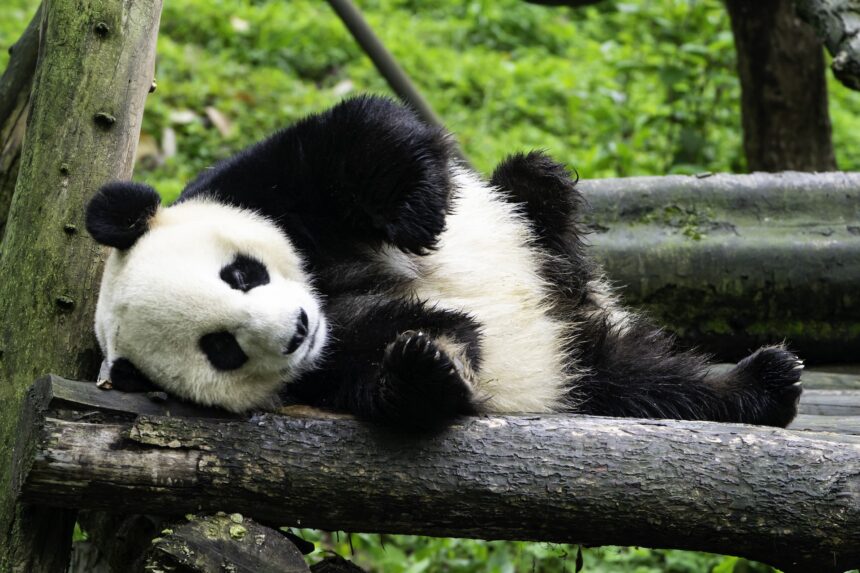

Have you ever watched a video of a baby panda tumbling around and thought, “I wish I could have one”? You’re not alone. The idea to buy panda animal companions is a dream for many animal lovers. These fluffy, black-and-white bears capture hearts with their gentle nature and playful antics. But is it actually possible to bring one home?
This article explores the fascinating and complex world of panda ownership. We’ll dive into the legalities, the costs, and the conservation efforts that make these animals so special. While the path to owning a panda isn’t what you might expect, understanding the reality is crucial. We will cover the laws that protect them, the role of zoos, and the unique conservation programs that are the only way to get close to these incredible creatures.
Key Takeaways
- Private Ownership is Illegal: It is illegal for private individuals to buy panda animal specimens. They are considered a national treasure of China and are protected by international law.
- “Panda Diplomacy”: Pandas are not sold; they are loaned to other countries by China through a process known as “Panda Diplomacy.” This involves significant costs and strict agreements.
- High Costs of Leasing: Zoos pay millions of dollars annually to lease pandas from China. These fees directly fund conservation efforts for the species in their native habitat.
- Conservation is Key: The primary goal of panda loan programs is not commercial but is focused on conservation, research, and breeding to help save the species from extinction.
- Symbolic Adoption is an Alternative: The best way for an individual to “own” a panda is through symbolic adoption programs offered by conservation organizations, which support their care and protection.
The Legal Maze: Why You Can’t Simply Buy a Panda Animal
The biggest hurdle for anyone looking to buy panda animal pets is the law. Giant pandas are a protected species globally, and their ownership is strictly controlled by the Chinese government. They are not considered pets or commercial commodities.
International and National Laws
Pandas are listed on Appendix I of CITES (the Convention on International Trade in Endangered Species of Wild Fauna and Flora). This classification means that commercial trade in pandas is banned. Any movement of pandas across international borders is tightly regulated and only permitted for non-commercial purposes, such as scientific research and conservation breeding programs.
In China, the laws are even stricter. Pandas are considered a national treasure, and harming or illegally trading them can result in severe penalties. These laws are in place to protect the vulnerable panda population from poaching and illegal trafficking, which were significant threats in the past.
The “National Treasure” Status
China’s designation of the giant panda as a “national treasure” is more than just a title. It reflects a deep cultural and political significance. For decades, China has used “Panda Diplomacy” as a tool of foreign policy, loaning pandas to other nations as a symbol of friendship and goodwill. This practice underscores that pandas are state assets, not private property. Therefore, the concept to buy panda animal specimens on the open market is fundamentally impossible and illegal.
Panda Diplomacy: The Real Way Pandas Move Globally
Since you can’t go online and buy panda animal from a breeder, you might wonder how zoos around the world get them. The answer lies in a unique political and conservation strategy known as Panda Diplomacy. This is the only legitimate channel through which pandas leave China.
What is Panda Diplomacy?
Panda Diplomacy is the practice where China loans giant pandas to other countries as a gesture of goodwill. This has been a part of Chinese foreign policy for decades, evolving over time. Initially, pandas were given as gifts. However, since 1984, the policy shifted to long-term loans for conservation and research purposes.
When a zoo receives a panda, it’s not a purchase. Instead, they enter into a complex and expensive loan agreement with the Chinese government. These agreements typically last for 10-15 years and come with a hefty price tag.
The Cost of a Panda Loan
The fees associated with a panda loan are substantial. Zoos typically pay an annual fee of around $1 million per pair of pandas. This money is not profit; it is directed back into conservation efforts in China to protect wild panda populations and their habitats.
Furthermore, if a cub is born during the loan period, the zoo usually pays an additional one-time “baby tax” of several hundred thousand dollars. According to the agreement, any cubs born abroad remain the property of China and are typically sent to the Chinese breeding program once they reach a few years of age. This ensures the genetic diversity of the panda population. The entire process is a far cry from a simple transaction to buy panda animal for a private collection.
The Role of Zoos in Panda Conservation
Zoos are the only institutions outside of China that can house pandas. Their role, however, goes far beyond simple exhibition. Zoos that host pandas are critical partners in the global effort to save the species from extinction.
Breeding and Research Centers
Zoos with pandas, like the Smithsonian’s National Zoo or the San Diego Zoo, function as important research and breeding centers. They work closely with Chinese experts to understand panda biology, behavior, and reproductive health. Female pandas have a very short window of fertility—just 24 to 72 hours a year—making breeding incredibly difficult.
Key Research Areas in Zoos:
- Reproductive Biology: Scientists study hormonal cycles and behaviors to perfect artificial insemination techniques, which have been crucial for increasing panda numbers.
- Health and Nutrition: Zookeepers and veterinarians develop specialized diets and healthcare protocols to ensure the pandas thrive in human care. Bamboo makes up 99% of their diet, and providing a fresh, varied supply is a major logistical challenge.
- Behavioral Studies: Observing pandas helps researchers understand their social structures and needs, which can inform conservation strategies for their wild counterparts.
Public Education and Awareness
Pandas in zoos act as powerful ambassadors for their species. They draw millions of visitors each year, providing a unique opportunity to educate the public about the threats pandas face in the wild, such as habitat loss. By connecting with these charismatic animals, people are more likely to support conservation initiatives. This public engagement is a vital component that goes beyond the dream to buy panda animal pets.
The Financial and Practical Burden of Caring for a Panda
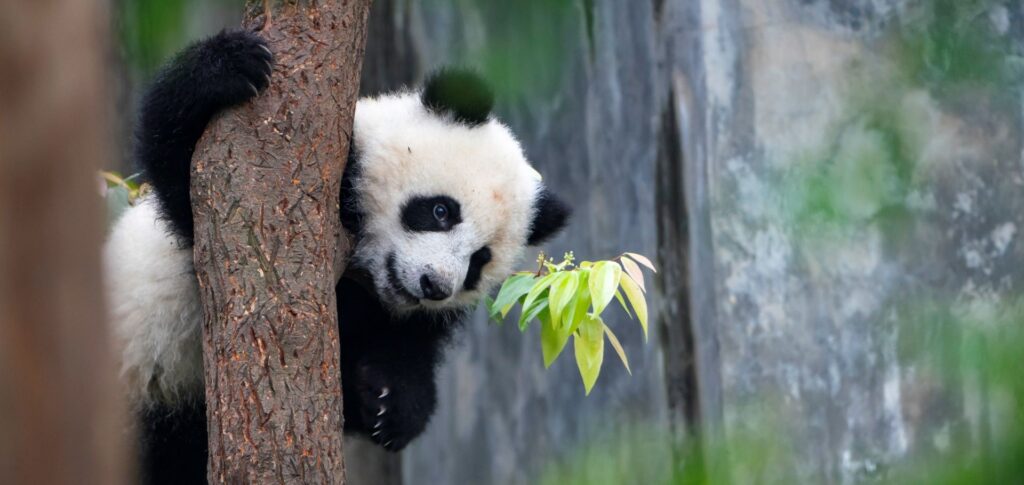
Even if it were legal to buy panda animal for your backyard, the practical and financial realities would be staggering. Caring for a panda is a monumental undertaking that requires specialized knowledge, infrastructure, and a huge budget.
Specialized Habitat Requirements
Pandas cannot live in a typical backyard. They require a large, climate-controlled enclosure that mimics their native mountain forest habitat in China. This includes cool temperatures, places to climb, pools for bathing, and separate areas for them to be alone, as pandas are naturally solitary animals. Building such a facility costs millions of dollars.
The Bamboo Budget
A giant panda’s diet is incredibly specific and expensive. An adult panda eats between 26 to 84 pounds of bamboo every single day. They are also picky eaters and need a variety of bamboo species to stay healthy.
|
Expense Category |
Estimated Annual Cost (USD) |
Notes |
|---|---|---|
|
Panda Loan Fee |
$1,000,000 |
Per pair, paid to China for conservation. |
|
Bamboo Supply |
$500,000+ |
Sourcing and transporting various fresh bamboo species. |
|
Specialized Enclosure |
Millions (Initial) |
Includes climate control, pools, and climbing structures. |
|
Veterinary Care |
$100,000+ |
Requires specialists in exotic animal medicine. |
|
Staffing |
$300,000+ |
Keepers, nutritionists, researchers, and security. |
This table shows that even without the initial purchase price, the annual upkeep for a panda is astronomical. A private citizen would find it impossible to provide the level of care these animals need.
Round-the-Clock Specialized Care
Pandas require a dedicated team of experts. This includes:
- Keepers: To clean enclosures, prepare food, and monitor behavior.
- Veterinarians: With expertise in panda health, which is a rare specialty.
- Nutritionists: To manage their complex dietary needs.
This level of professional care is something only a well-funded zoo or conservation center can provide. The idea to buy panda animal privately is simply not feasible from a welfare standpoint.
Symbolic Adoption: A Meaningful Alternative
So, you can’t buy panda animal to take home. Does that mean you can’t help them? Absolutely not! The best and most impactful way for an individual to “own” a panda is through symbolic adoption programs.
How Symbolic Adoption Works
Conservation organizations like the World Wildlife Fund (WWF) offer symbolic adoption kits. When you “adopt” a panda, you are making a financial donation that directly supports the organization’s work. This includes:
- Protecting Habitats: Your donation helps fund efforts to create and manage panda reserves, expand forest areas, and create “bamboo corridors” that connect isolated panda populations.
- Fighting Poaching: Funds support anti-poaching patrols and community programs that provide local people with alternative livelihoods, reducing their reliance on forest resources.
- Research and Monitoring: Your support helps scientists track wild panda populations, monitor their health, and develop effective conservation strategies.
What You Get in an Adoption Kit
While you won’t receive a real panda, you will typically get a package that includes:
- A plush panda toy
- A personalized adoption certificate
- A photo of your adopted panda
- Information about the species and the conservation work you are supporting
This is a wonderful way to channel your love for pandas into meaningful action. It allows you to be a part of their survival story and makes a real difference for the species.
Are There Any “Panda-Like” Pets You Can Own?

While the dream to buy panda animal companions is out of reach, some people look for pets that have a similar black-and-white appearance. However, it’s crucial to understand that no domestic animal has the same characteristics as a giant panda.
The Red Panda Misconception
Despite its name, the red panda is not closely related to the giant panda. It’s in its own unique family, Ailuridae. They are also endangered and cannot be kept as pets. Their care requirements are just as specialized as those of giant pandas.
Domestic Animals with Panda Markings
Some dog and cat breeds can have “panda” markings, but their resemblance is purely superficial.
- Panda German Shepherds: A rare color pattern in the breed.
- “Panda” Hamsters: Syrian hamsters with black-and-white patterns.
- Black-and-White Cats: Many common domestic cats have this coloration.
While these animals can make wonderful pets, it’s important to choose them for their temperament and care needs, not just their appearance. A look at the latest tech and lifestyle trends on sites like siliconvalleytime.co.uk shows a growing interest in unique pets, but responsible ownership should always be the priority. Adopting an animal is a long-term commitment.
The Future of Panda Conservation
Thanks to decades of intensive conservation work, the giant panda’s status was upgraded from “Endangered” to “Vulnerable” by the IUCN in 2016. This is a huge success story, but the fight is not over.
Remaining Threats
Pandas still face significant threats. Climate change could wipe out large portions of their bamboo habitat in the coming decades. Habitat fragmentation also remains a problem, isolating small populations and making it difficult for them to find mates.
The Role of Breeding Centers in China
China has several world-class panda breeding centers, like the Chengdu Research Base of Giant Panda Breeding. These centers have been instrumental in increasing the panda population through their successful breeding programs. The ultimate goal is to reintroduce more captive-born pandas into the wild to bolster the genetic diversity of the wild population.
The global effort to save the panda is a testament to what can be achieved through international cooperation, scientific research, and public support. While the desire to buy panda animal pets comes from a place of love, the best way to express that love is by supporting the conservation efforts that ensure their survival for generations to come.
Frequently Asked Questions (FAQ)
Q1: Is it legal to buy a panda animal in any country?
No, it is illegal for a private individual to buy panda animal in any country. They are protected under international law (CITES) and are considered a national treasure of China. Only accredited zoos can lease them for conservation purposes.
Q2: How much does it cost for a zoo to get a panda?
Zoos don’t buy pandas; they lease them. The standard fee is about $1 million per year for a pair of pandas. This money is used to fund panda conservation efforts in China.
Q3: Can I volunteer to work with pandas?
Yes, some panda centers in China offer volunteer programs. These programs allow you to help with tasks like cleaning enclosures and preparing food. It’s a competitive but rewarding way to get close to pandas and contribute to their care.
Q4: What is the difference between a giant panda and a red panda?
Despite the name, they are not closely related. The giant panda is a bear, while the red panda is in its own unique animal family. Both are endangered and require specialized care.
Q5: How can I help save pandas?
The best way to help is by supporting conservation organizations through donations or symbolic adoptions. This contributes to habitat protection, anti-poaching efforts, and community outreach programs that are vital for the panda’s long-term survival.
Conclusion
The allure of the giant panda is undeniable, and the dream to buy panda animal companions is a common one. However, the reality is that pandas are not pets. They are wild animals with incredibly specific needs and a protected status that makes private ownership impossible and illegal. The only legitimate way for pandas to be housed outside of China is through multi-million dollar conservation loans to qualified zoos. These programs are not commercial ventures but are a critical part of the global strategy to save the species from extinction.
For individuals who want to be part of the panda’s story, the most powerful action is to support conservation. Through symbolic adoptions and donations, you can directly fund the protection of their habitats and contribute to the ongoing success of breeding programs. While you may never have a panda in your home, you can have the satisfaction of knowing you helped keep them safe in theirs. To learn more about the broader context of their species and conservation status, extensive information is available on the subject, including a comprehensive overview on Wikipedia.