






The open road has always been a symbol of freedom, and few cars capture that spirit quite like the chevy impala. For decades, this vehicle has served as a reliable family hauler, a sleek police cruiser, and a stylish lowrider icon. It is more than just a car; it is a piece of automotive history that spans generations. Whether you are looking for a classic muscle car from the 60s or a comfortable modern sedan, the Impala nameplate carries a weight of respect and recognition that is hard to match.
This comprehensive guide will dive deep into everything you need to know about the chevy impala. We will explore its rich history, break down the differences between its many generations, and look at what makes it such a lasting favorite among drivers. From engine specs to interior comfort, we cover it all.
Key Takeaways
- The chevy impala has a history spanning over six decades, evolving from a tail-finned classic to a modern full-size sedan.
- It offers a unique blend of spacious interiors, smooth ride quality, and powerful engine options.
- The Impala is iconic in pop culture, known for its presence in movies, music, and the lowrider community.
- Even though production has ended, the used market for the Impala remains incredibly active and popular.
The Birth of an Icon: Early History of the Chevy Impala
The story begins in 1958. General Motors wanted to introduce a prestige vehicle that was affordable yet luxurious. The very first chevy impala appeared not as a standalone model, but as the top-of-the-line trim for the Chevrolet Bel Air. It was distinguished by its triple taillights, a design cue that would become a signature for the brand for years to come. This initial launch was a massive success, proving that buyers were hungry for a car that offered a little more style and power than the standard sedans of the day.
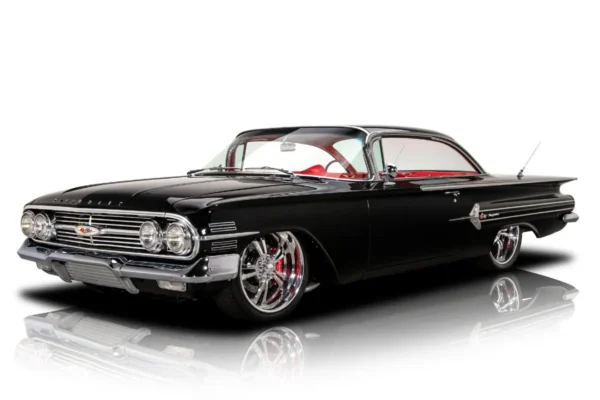
By 1959, the chevy impala broke away to become its own separate model. The design was radical. It featured massive “bat-wing” tailfins and a “teardrop” taillight design that is still celebrated today by classic car enthusiasts. It became the best-selling car in the United States, a title it would hold for a long time. This era defined the jet-age styling that makes vintage American cars so collectible today.
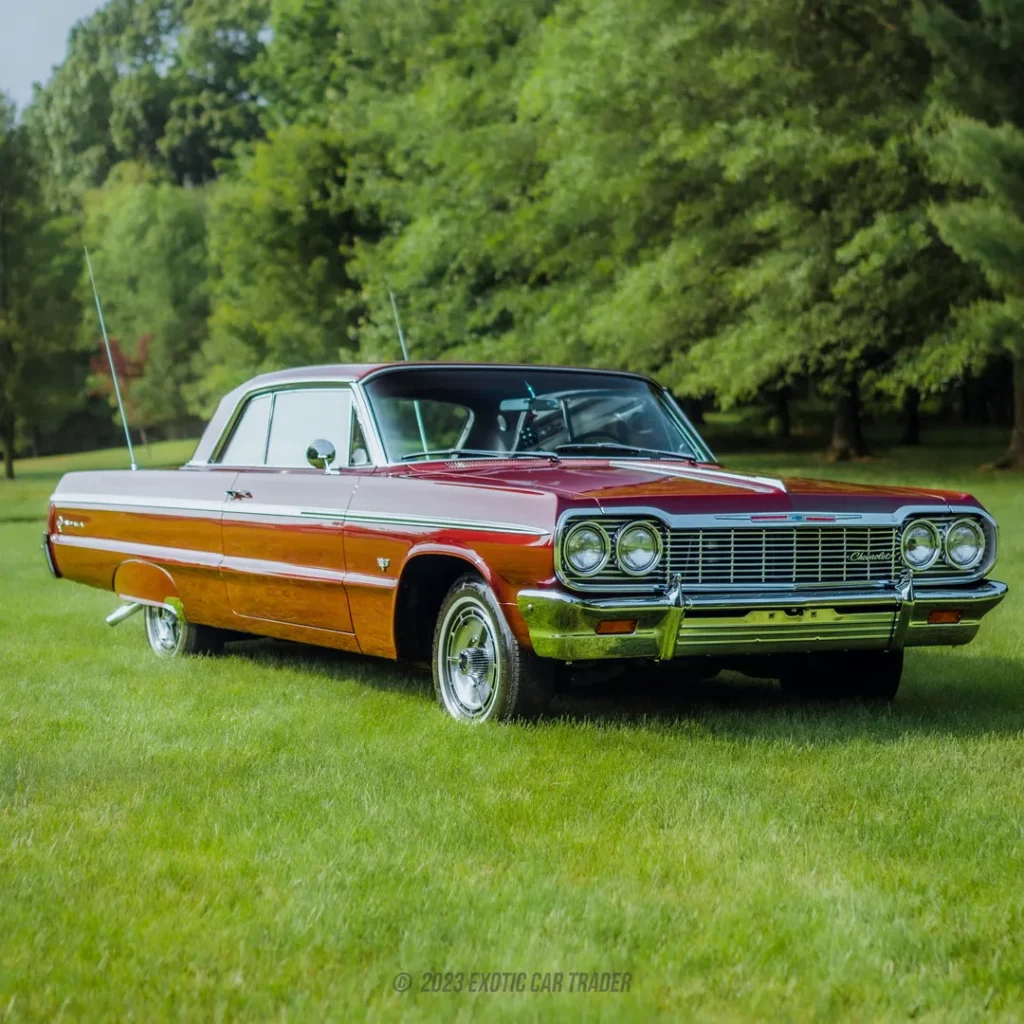
The 1960s saw the Impala evolve rapidly. The 1961 model introduced the Super Sport (SS) package, which is legendary among muscle car fans. This was the start of the true performance era for the chevy impala. With big-block V8 engines under the hood, these cars weren’t just about looking good; they were about going fast. The 1964 model, in particular, became a cultural icon, especially in the lowrider community, celebrated for its clean lines and perfect proportions.
Why the Early Models Are So Valuable
Collectors today pay top dollar for these early models. The combination of chrome, steel, and raw horsepower represents a golden age of American manufacturing. If you visit a classic car show, you are almost guaranteed to see a pristine chevy impala drawing a crowd. Their simple mechanical nature also makes them a favorite for restoration projects, as parts are still widely available thanks to a massive aftermarket support system.
Evolution of Generations: From Classics to Modern Sedans
Understanding the chevy impala requires looking at its distinct generations. Each era brought something new to the table, reflecting the changing tastes and needs of American drivers.
The Muscle Car Era (1960s – Early 1970s)
This period was all about power. The chevy impala SS 409 is perhaps the most famous example, immortalized in the Beach Boys song. These cars were heavy, made of solid steel, and drank gas like there was no tomorrow. But nobody cared about fuel economy then; it was all about the 0-60 times and the roar of the engine. The designs were boxy yet sleek, with aggressive front grilles and wide stances.
The Downsizing Era (Late 1970s – 1980s)
The oil crisis changed everything. Cars had to get smaller and more efficient. The chevy impala was downsized significantly in 1977. While purists might have complained, the sales figures told a different story. The smaller, lighter Impala was a huge hit because it was more practical for the average family. It still offered a V8, but it was tuned more for cruising than racing. The boxy “Caprice-style” body became a common sight as taxis and police cars during this time.
The Modern Resurrection (1994 – 1996)
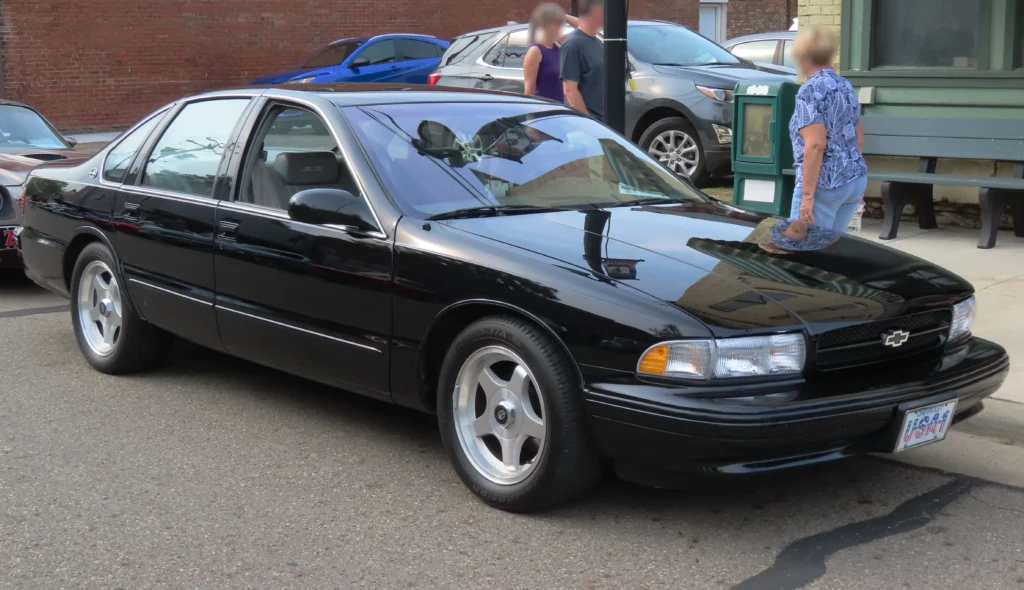
After a brief hiatus, the chevy impala SS returned in 1994. This model is a cult classic today. It was essentially a high-performance version of the Caprice police package, painted black and given a Corvette-derived engine. It was big, fast, and menacing. Enthusiasts call this the “bubble” body style due to its rounded shape. It proved that a four-door sedan could still be cool and fast.
The FWD Era (2000 – 2020)
The 21st century brought the most significant change: a switch to Front-Wheel Drive (FWD). The modern chevy impala focused on safety, efficiency, and passenger comfort. It became the ultimate fleet vehicle and family sedan. While it lost some of its muscle car edge, it gained reliability and practicality. The final generation (2014-2020) was praised for being one of the best large sedans on the market, rivaling luxury cars for quietness and ride quality.
Design and Exterior Features
One thing that has remained consistent is the commanding presence of the chevy impala on the road. The final generation, produced until 2020, is a stunning example of modern automotive design. It moved away from the bland styling of the mid-2000s and adopted a muscular, sculpted look that turned heads.
The front fascia features a wide, bold grille that integrates seamlessly with sleek, projector-beam headlamps. The hood has distinct power dome lines that hint at the engine underneath. From the side, the chevy impala has a sweeping roofline that almost looks like a coupe, despite being a spacious four-door sedan. This “fastback” look improves aerodynamics, which helps with fuel efficiency and reduces wind noise at highway speeds.
In the rear, you will find dual exhaust outlets on the V6 models, adding a sporty touch. The trunk lid is high and wide, making loading groceries or luggage easy. Chrome accents are used tastefully around the windows and grille, giving the car a premium feel without looking gaudy. Wheel options ranged from sensible 18-inch alloys to impressive 20-inch wheels on the Premier trim, which really filled out the wheel wells and gave the car a planted stance.
Exterior Colors and Trims
Over the years, the chevy impala has been available in a wide variety of colors. The modern versions offered sophisticated palettes including:
- Summit White
- Silver Ice Metallic
- Black
- Mosaic Black Metallic
- Cajun Red Tintcoat
- Iridescent Pearl Tricoat
These colors allowed buyers to personalize their vehicle, choosing between a stealthy executive look or something more vibrant and sporty.
Interior Comfort and Technology
Step inside a late-model chevy impala, and you are greeted by a cabin that prioritizes space and comfort above all else. This is classified as a “large car” by the EPA, and it truly feels like one.
Seating and Space
The front seats are wide and supportive, designed for long American road trips. Legroom is generous in both the front and the back. In fact, the rear seat legroom is one of the main selling points of the chevy impala. Tall adults can sit in the back comfortably without their knees touching the front seats. This makes it an excellent choice for families with teenagers or for use as a rideshare vehicle.
Dashboard and Materials
The dashboard features a “dual-cockpit” design, a classic Chevrolet styling cue updated for the modern age. Soft-touch materials are used on the dash and upper door panels, giving the interior a quality feel. While there are some hard plastics in lower areas, the overall ambiance is upscale, especially in the LT and Premier trims which feature leather upholstery and ambient lighting.
Infotainment System
Technology is a strong suit for the modern chevy impala. It comes equipped with the Chevrolet Infotainment System. This includes an 8-inch touchscreen display that is bright, responsive, and easy to use.
- Apple CarPlay and Android Auto: Standard on newer models, allowing seamless smartphone integration.
- 4G LTE Wi-Fi Hotspot: A built-in hotspot allows passengers to stream movies or work on the go.
- Navigation: Available built-in navigation helps you find your way without using your phone’s data.
- Sound System: A standard 6-speaker system provides good audio, while an available Bose Centerpoint Surround Sound system offers a concert-like experience.
Performance and Engine Options
The performance of the chevy impala depends heavily on which model year and trim you choose. However, the goal has always been to provide smooth, reliable power.
The 3.6L V6 Engine
The star of the show for the final generation was the 3.6-liter V6 engine. This engine produces a robust 305 horsepower and 264 lb-ft of torque. It transforms the chevy impala from a sedate cruiser into a surprisingly quick sedan. Merging onto highways is effortless, and passing slower traffic is a breeze. The 0-60 mph time is around 6 seconds, which is respectable for a large family car.
The 2.5L 4-Cylinder Engine
For those prioritizing fuel economy, the base engine was a 2.5-liter 4-cylinder. It features start-stop technology to save gas at red lights. With around 197 horsepower, it is adequate for daily city driving but lacks the punch of the V6 for highway maneuvers. Most experts recommend upgrading to the V6 for the best experience.
Transmission and Drivetrain
Both engines are paired with a 6-speed automatic transmission. This transmission is known for being smooth and unobtrusive. It doesn’t hunt for gears and shifts logically. The chevy impala is strictly Front-Wheel Drive (FWD). While some competitors offer All-Wheel Drive, the FWD setup on the Impala is tuned well for stability and traction in most weather conditions.
Ride and Handling
The ride quality is where the chevy impala shines. It glides over bumps and potholes, isolating passengers from the imperfections of the road. The suspension is tuned for comfort, but it is not “floaty” like the old land yachts of the 70s. The steering is precise enough to give you confidence in corners, though it is clearly designed for relaxed cruising rather than canyon carving.
Safety Ratings and Features
Safety is a top priority for families, and the chevy impala has a strong track record in this department. The National Highway Traffic Safety Administration (NHTSA) consistently awarded the final generation Impala a 5-Star Overall Safety Rating.
Active Safety Features
Modern driving requires modern safety tech. The chevy impala offers a suite of advanced features designed to prevent accidents before they happen.
- Forward Collision Alert: Warns you if you are approaching a vehicle too quickly.
- Lane Departure Warning: Alerts you if you drift out of your lane without signaling.
- Blind Spot Monitoring: A crucial feature for a large car, letting you know if someone is in your blind spot.
- Rear Cross Traffic Alert: Helps you back out of parking spaces safely by detecting approaching cars.
- Adaptive Cruise Control: Automatically adjusts your speed to maintain a safe distance from the car ahead on the highway.
Structure and Airbags
Beneath the sheet metal, the chevy impala is built with a high-strength steel safety cage. It comes standard with 10 airbags, including knee airbags for the driver and front passenger. This comprehensive protection provides peace of mind for everyone on board.
For more insights on automotive trends and safety technology, you can visit informative sites like Silicon Valley Time. Keeping up with the latest tech helps you understand the value of these features in older and newer cars alike.
Buying a Used Chevy Impala: What to Look For
Since Chevrolet ended production of the chevy impala in 2020, the used market is the only place to find one. Fortunately, they are abundant and often reasonably priced compared to SUVs.
Best Model Years
If you are looking for a modern daily driver, aim for the 2014-2020 model years. This generation offers the best mix of technology, safety, and reliability. Specifically, the 2016 and newer models are desirable because they include Apple CarPlay and Android Auto support, which significantly modernizes the interior experience.
Common Issues
Like any vehicle, the chevy impala has some known issues to watch out for.
- Actuator Issues: In older models (2006-2013), the HVAC actuators can fail, causing a clicking noise in the dashboard.
- Transmission Shifts: Some owners report rough shifting in high-mileage units. Always test drive and check for smooth gear changes.
- Oil Consumption: Older V6 engines might consume oil between changes, so check the dipstick regularly.
Inspection Checklist
When inspecting a used chevy impala, follow this simple checklist:
- Check the tires for uneven wear (could indicate alignment issues).
- Test all the power windows and door locks.
- Run the air conditioning and heat to ensure all vents are working.
- Look for rust on the undercarriage if the car is from a snowy region.
- Request a vehicle history report to check for past accidents.
Trim Levels Explained
The modern chevy impala was typically sold in three main trim levels. Understanding these will help you find the right car for your budget.
LS (Base Trim)
The LS is the entry-level model. It usually comes with the 4-cylinder engine, cloth seats, and basic features. It includes the 8-inch touchscreen and keyless entry. It’s a solid choice for a budget-conscious buyer who just needs reliable transportation.
LT (Mid-Level Trim)
The LT is the “sweet spot” for most buyers. It adds alloy wheels, dual-zone climate control, remote start, and a leather-wrapped steering wheel. It also opens up the option to get the V6 engine, which is highly recommended. The LT often has upgraded cloth/leatherette seating which is durable and comfortable.
Premier (Top Trim)
The Premier trim is essentially a luxury car with a bowtie badge. It comes standard with the V6 engine, leather seats, heated front seats, navigation, and the Bose audio system. It also features larger 19 or 20-inch wheels and extra chrome exterior details. If you want maximum comfort, this is the one to get.
The Chevy Impala vs. The Competition
The full-size sedan segment was once very crowded. How does the chevy impala stack up against its main rivals?
Impala vs. Toyota Avalon
The Toyota Avalon is often considered the benchmark for reliability. While the Avalon might hold its value slightly better, the chevy impala often offers a more engaging driving experience and a lower purchase price. The Impala also has a larger trunk, making it more practical for hauling cargo.
Impala vs. Ford Taurus
The Ford Taurus was the arch-rival of the Impala for decades. The Taurus offers All-Wheel Drive, which the Impala lacks. However, the chevy impala generally has a more spacious rear seat and better visibility for the driver. The Taurus interior can feel a bit more cramped due to its high center console.
Impala vs. Dodge Charger
The Dodge Charger is the sporty option in this segment. It is Rear-Wheel Drive and offers massive V8 engines. If you want a muscle car feel, the Charger wins. But if you want a comfortable, quiet, and refined family car, the chevy impala is the superior choice for daily commuting.
Comparison Table: Full-Size Sedans
|
Feature |
Chevy Impala |
Toyota Avalon |
Dodge Charger |
|---|---|---|---|
|
Drivetrain |
FWD |
FWD / AWD |
RWD / AWD |
|
Engine Options |
I4, V6 |
V6, Hybrid |
V6, V8 |
|
Interior Space |
Excellent |
Excellent |
Good |
|
Ride Comfort |
Superior |
Superior |
Firm/Sporty |
|
Tech Interface |
User-Friendly |
Functional |
User-Friendly |
Maintenance and Ownership Costs
Owning a chevy impala is generally affordable. Because it is a domestic vehicle produced in large numbers, parts are cheap and easy to find. Any mechanic in the country will know how to work on a Chevrolet.
Routine Maintenance
- Oil Changes: Every 5,000 to 7,500 miles using synthetic blend or full synthetic oil.
- Tire Rotation: Every oil change to ensure even wear.
- Brake Pads: typically last 30,000 to 60,000 miles depending on driving habits.
- Transmission Fluid: Check every 45,000 miles.
Fuel Economy
The V6 chevy impala gets an EPA-estimated 19 mpg in the city and 28 mpg on the highway. While not hybrid-level efficiency, it is competitive for a non-turbo V6 engine in a heavy car. The 4-cylinder model does slightly better, achieving up to 30 mpg on the highway.
Reliability
The final generation of the chevy impala proved to be quite reliable. J.D. Power gave the 2016-2019 models high scores for predicted reliability. With proper maintenance, these cars can easily surpass 150,000 or 200,000 miles.
The Impala in Pop Culture
Few cars have the cultural cachet of the chevy impala. It isn’t just a machine; it is a canvas for art and a star on the screen.
The Lowrider Scene
In the Chicano culture of Los Angeles and beyond, the 1964 chevy impala is royalty. Customized with hydraulic suspensions, intricate paint jobs, and wire wheels, these cars are rolling masterpieces. The “Six-Four” is referenced constantly in hip-hop music, famously by Dr. Dre and Eazy-E. It symbolizes style, status, and cruising culture.
Movies and TV
From the supernatural hunter’s car in the TV show Supernatural (a 1967 four-door hardtop) to the police cruisers in countless action movies, the chevy impala is a Hollywood staple. Its ubiquity makes it believable as a background car, while its classic lines make it perfect for a hero car.
Why It Resonates
The chevy impala represents the “Everyman” car. It is attainable but aspirational. It works hard but looks good doing it. This connection to the working class and the streets has cemented its place in American folklore.
Future of the Nameplate
As of 2020, the chevy impala is no longer in production. Chevrolet, like Ford and Chrysler, has shifted its focus almost entirely to SUVs, crossovers, and trucks. The plant in Detroit-Hamtramck that built the Impala has been retooled to build electric vehicles.
However, in the automotive world, names rarely die forever. There is always speculation that Chevrolet could bring back the nameplate for a future electric sedan. Imagine an all-electric chevy impala with instant torque and a silent ride—it would be a fitting evolution for a car that has always adapted to the times. For now, though, we appreciate the millions of Impalas currently on the road keeping the legacy alive.
Frequently Asked Questions (FAQ)
Here are some of the most common questions people ask about the chevy impala.
Q: Is the Chevy Impala a reliable car?
A: Yes, particularly the final generation (2014-2020). They have proven to be durable and long-lasting with regular maintenance. The V6 engine is known for being robust.
Q: Why was the Chevy Impala discontinued?
A: General Motors discontinued the Impala to focus on SUVs and electric vehicles, which are currently more popular with buyers than traditional large sedans.
Q: Does the Chevy Impala have All-Wheel Drive (AWD)?
A: No, the modern chevy impala was only available with Front-Wheel Drive (FWD).
Q: Which year Chevy Impala is the best to buy used?
A: The 2016 model year and newer are excellent choices because they include upgraded technology like Apple CarPlay and Android Auto, along with solid reliability ratings.
Q: Is the Chevy Impala good on gas?
A: It is decent for its size. The V6 gets around 28 mpg on the highway, which is good for a large, powerful sedan. The 4-cylinder gets slightly better mileage but has less power.
Why the Chevy Impala Still Matters
In a world filled with tall SUVs and crossovers that all look the same, the chevy impala stands out as a traditional, comfortable American sedan. It offers a driving position and a ride quality that you simply cannot get in a truck-based vehicle. It hugs the road rather than towering over it.
For families, it offers huge amounts of space for a fraction of the cost of a three-row SUV. For enthusiasts, the older models offer a connection to a golden era of horsepower and style. And for the budget-conscious buyer, a used Impala represents one of the best value propositions on the market today.
Interior Dimensions Breakdown
To give you a better idea of just how spacious the chevy impala is, here is a quick breakdown of the interior dimensions for the 2019 model.
- Front Headroom: 39.9 inches
- Front Legroom: 45.8 inches
- Rear Headroom: 37.4 inches
- Rear Legroom: 39.8 inches
- Trunk Volume: 18.8 cubic feet
That 18.8 cubic feet of trunk space is massive. You can fit four golf bags, a week’s worth of groceries for a large family, or several large suitcases for an airport run. The rear seats also fold down in a 60/40 split to accommodate longer items.
Tips for Modifying Your Impala
Even the modern chevy impala has a following of people who like to modify their cars. While it’s not a race car, there are simple things you can do to make it your own.
Cosmetic Mods
- Window Tint: A dark tint looks great on the Impala’s sleek body and helps keep the interior cool.
- LED Lighting: Swapping out interior bulbs for crisp white LEDs modernizes the cabin instantly.
- Blackout Kits: Covering the chrome trim with black vinyl gives the car a sportier, aggressive “Midnight Edition” look.
Performance Mods
- Cold Air Intake: This can add a nice growl to the engine and slightly improve throttle response.
- Performance Tires: Swapping the standard all-season tires for high-performance rubber can significantly improve handling and braking distance.
- Exhaust: A mild cat-back exhaust can give the V6 a deeper tone without being annoying on the highway.
Conclusion
The chevy impala is more than just metal, glass, and rubber. It is a testament to the changing landscape of the American road. From the tailfins of the 50s to the tech-savvy sedans of the 2010s, it has served millions of drivers faithfully. Its legacy is one of comfort, style, and accessibility.
If you are in the market for a car that offers plenty of room, a smooth ride, and a touch of classic American spirit, a used chevy impala is a fantastic choice. It reminds us that sometimes, the journey is just as important as the destination, and a good car makes that journey all the better. Whether you are preserving a 1964 classic or commuting in a 2019 Premier, you are driving a legend.
For further reading on the history and specifications of this iconic vehicle, you can check out the Wikipedia page on the Chevy Impala.



