







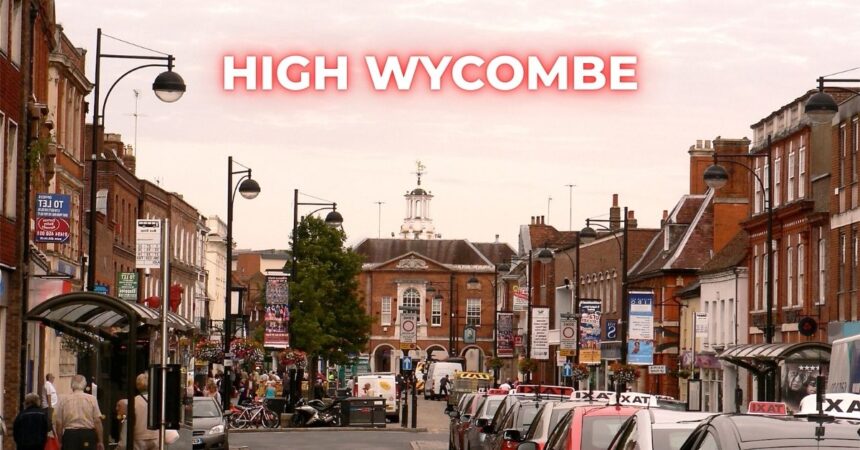

Ever heard of a town that was once the furniture capital of England? A place nestled in a picturesque valley, blending rich history with modern vibrancy? Let me introduce you to High Wycombe, a large market town in Buckinghamshire, England. While it might not be the first name that comes to mind for an American planning a UK trip, this charming town offers a unique slice of English life, history, and culture that’s well worth exploring. From its industrial past to its lush green spaces and bustling town center, High Wycombe provides a fascinating look into a different side of Britain, just a short journey from London. This article will guide you through everything that makes this town special, from its historic landmarks to its thriving local economy and beautiful surroundings.
Key Takeaways
- Historic Heart of Furniture: High Wycombe was historically known as the “furniture capital of England,” famous for its production of Windsor chairs. This legacy is still celebrated throughout the town.
- Strategic Location: Situated just 29 miles northwest of central London, it’s an ideal spot for those who want to experience a traditional English town with easy access to the capital.
- Green Spaces Galore: The town is set within the Chiltern Hills, an Area of Outstanding Natural Beauty, offering countless opportunities for hiking, cycling, and enjoying the English countryside.
- Rich Cultural Scene: From historic manors and a local museum to a modern theatre and a lively market, High Wycombe has a diverse range of cultural and recreational activities.
- Educational Hub: The town is home to Buckinghamshire New University, contributing to a youthful and dynamic atmosphere.
Where Exactly is High Wycombe? A Geographic Overview
So, where is this intriguing town located? High Wycombe is situated in the county of Buckinghamshire, in the southeast of England. To give you a better sense of its location, it lies approximately halfway between London and Oxford, making it a strategically important and well-connected hub. The town itself is nestled in the valley of the River Wye and is surrounded by the rolling Chiltern Hills. This unique position gives it a distinct character, combining urban development with stunning natural landscapes.
For an American visitor, the easiest way to picture its location is to think of it as a suburban town with a strong identity, less than an hour’s train ride from the heart of one of the world’s most famous cities. This proximity to London has shaped much of its recent development, making it a popular commuter town. However, High Wycombe is far more than just a satellite of London; it has its own history, economy, and community that make it a destination in its own right. The town’s layout is a mix of old and new, with a historic high street, medieval buildings, and modern shopping centers all coexisting.
Navigating the Chiltern Hills
One of the defining features of High Wycombe is its setting within the Chiltern Hills. Designated as an Area of Outstanding Natural Beauty (AONB), this region is characterized by its steep slopes, dense woodlands (especially beechwoods), and quiet valleys. This landscape not only provides a beautiful backdrop for the town but also offers a playground for outdoor enthusiasts. The hills were crucial to the town’s development, providing the beechwood that fueled its famous furniture industry. Today, they provide miles of public footpaths and bridleways for hiking, cycling, and horseback riding. For anyone looking to escape into the classic English countryside, the area around High Wycombe is an absolute dream.
A Journey Through Time: The History of High Wycombe
The story of High Wycombe is a long and fascinating one, with roots stretching back to Roman times. Evidence of a Roman villa has been found in the area, suggesting an early settlement. However, the town truly began to take shape in the medieval period. Its name is believed to derive from the River Wye and the Old English word “combe,” meaning wooded valley. By the time of the Domesday Book in 1086, it was recorded as having six mills, a clear sign of its early industrial activity.
Throughout the Middle Ages, High Wycombe grew as a market town, serving the surrounding agricultural communities. Its market charter was granted in the 13th century, and the market continues to thrive to this day. But the town’s real claim to fame came in the 19th and 20th centuries. It became the undisputed center of furniture making in England, specializing in the production of chairs. At its peak, factories in High Wycombe were producing thousands of chairs a day, earning it the nickname “the furniture capital of England.” This industrial heritage is a core part of the town’s identity and is proudly remembered in its local museum and public art.
The Windsor Chair Legacy
You can’t talk about the history of High Wycombe without focusing on its most famous export: the Windsor chair. This iconic piece of furniture, known for its spindle back and solid wood construction, was perfected and mass-produced here. The local beechwoods provided the perfect raw material, and a skilled workforce of “bodgers” turned the wood into chair legs and spindles. These components were then brought into the factories in town for assembly.
The scale of production was immense. By the 1870s, an estimated 4,700 chairs were being made in High Wycombe every single day. These chairs were shipped all over the world, cementing the town’s reputation for quality craftsmanship. While the large-scale furniture industry has since declined, the legacy lives on. You can learn all about this history at the Wycombe Museum, and you’ll even see chair motifs in the town’s coat of arms and on local signs. It’s a powerful reminder of how a single industry can shape a community for generations.
What to See and Do in High Wycombe
For a visitor, High Wycombe offers a surprising variety of attractions and activities. Whether you’re a history buff, a nature lover, or someone who enjoys a bit of shopping and entertainment, there’s something here for you. The town center is a hub of activity, with a mix of historic buildings and modern amenities.
One of the must-visit spots is the High Street, where you can see the Little Market House, an 18th-century landmark often called “the pepper pot” due to its shape. You’ll also find the impressive Guildhall, another 18th-century building that speaks to the town’s historic importance as a market center. For a dose of culture, the Wycombe Swan Theatre hosts a wide range of performances, from West End shows and comedy acts to live music. And of course, no visit is complete without exploring the green spaces that make this area so special.
Exploring Hughenden Manor
A short drive from the town center lies Hughenden Manor, a truly significant historical site. This Victorian country house was once the home of Benjamin Disraeli, who served as Prime Minister of the United Kingdom twice during the reign of Queen Victoria. The house is now managed by the National Trust and is open to the public. Visiting Hughenden gives you a fascinating glimpse into the life of this influential political figure. You can explore the rooms where he lived and worked, filled with his furniture, books, and personal belongings.
What makes Hughenden even more intriguing is its secret wartime history. During World War II, the manor was requisitioned for a top-secret map-making operation codenamed “Hillside.” This operation supported the RAF by creating detailed maps for bombing raids over Germany. The basement of the house has been restored to show what this clandestine facility looked like, adding an unexpected layer of modern history to the Victorian estate. The surrounding gardens and parkland are also beautiful, offering peaceful walks with stunning views of the High Wycombe area.
The Wycombe Museum
To truly understand the heart and soul of High Wycombe, a visit to the Wycombe Museum is essential. Housed in a charming 17th-century building set in its own beautiful gardens, the museum tells the story of the town and its people. The main focus, unsurprisingly, is on the town’s renowned furniture industry. The museum has an extensive collection of locally made chairs, including many beautiful examples of the Windsor chair. Interactive displays and historical artifacts bring the chair-making process to life, from the woodland bodgers to the bustling factories.
Beyond furniture, the museum covers the broader history of the district. You can learn about the local landscape, wildlife, and the various communities that have called High Wycombe home over the centuries. The museum also hosts temporary exhibitions, workshops, and family-friendly events throughout the year. It’s a wonderfully curated experience that provides deep context for everything you see around the town, making it a perfect starting point for any visitor.
The Natural Beauty Surrounding High Wycombe
While the town itself has plenty to offer, its location is arguably one of its greatest assets. Being situated in the Chiltern Hills AONB means that breathtaking natural beauty is always just a few minutes away. This protected landscape is a paradise for walkers, cyclists, and anyone who appreciates the great outdoors. The area is famous for its ancient beechwoods, which turn a spectacular golden-brown in the fall.
One of the best ways to experience the landscape is by walking a section of The Ridgeway, an ancient trail that passes near High Wycombe. This historic path offers panoramic views across the countryside. There are also numerous local parks and woodlands to explore. The Rye is a large park in the center of town that features a lido (an open-air swimming pool), boating on the River Wye, and plenty of space for picnics and recreation. It’s a fantastic urban green space that perfectly complements the wilder nature of the surrounding hills.
Top Parks and Outdoor Areas
For visitors looking to stretch their legs and enjoy some fresh air, High Wycombe has several excellent options.
|
Park / Area |
Key Features |
Best For |
|---|---|---|
|
The Rye |
Lido, boating lake, large open fields, playground, river walk |
Families, recreation, swimming |
|
Hughenden Park |
Parkland surrounding Hughenden Manor, scenic walks, views of the valley |
History lovers, gentle walks |
|
West Wycombe Park |
18th-century landscaped park with a lake and classical temples |
Landscape photography, picnics |
|
Bradenham Woods |
Ancient beech woodland managed by the National Trust |
Hiking, nature walks, bluebells |
|
Gomm Valley |
Local nature reserve with chalk grassland and woodland trails |
Wildlife spotting, quiet walks |
These spaces provide a wonderful contrast to the bustling town center. You can spend the morning shopping and the afternoon hiking through a quiet woodland, all within the High Wycombe area. This blend of urban and rural is what many residents and visitors love most about the town.
The Modern Economy and Education
Today, High Wycombe has a diverse and modern economy. While the furniture industry is no longer dominant, manufacturing and engineering still play a role. The town’s excellent transport links, particularly its proximity to London and Heathrow Airport, have made it an attractive location for a wide range of businesses. Many national and international companies have offices in the area, contributing to a strong local job market. For insights into business trends that affect areas like this, resources like Silicon Valley Time can offer a broader perspective on the UK’s economic landscape.
The retail sector is also a major part of the town’s economy. The Eden Shopping Centre, a large, modern complex, features a wide array of high-street brands, restaurants, a cinema, and a bowling alley. This has made High Wycombe a regional shopping destination.
Buckinghamshire New University
A key player in the modern identity of High Wycombe is Buckinghamshire New University. The university’s main campus is located right in the town center, and its presence brings a youthful, energetic vibe to the area. With a student population of several thousand, the university contributes significantly to the local economy and cultural scene.
The university specializes in vocational courses and has a strong reputation in fields like nursing, art and design, aviation, and, fittingly, furniture design and craftsmanship. This connection to the town’s heritage is a unique aspect of the institution. The influx of students from across the UK and the world adds to the diversity of the community. For visitors, the university often hosts public lectures, art exhibitions, and other events that are open to everyone.
Getting to and Around High Wycombe
For an American tourist, getting to High Wycombe is surprisingly straightforward. If you’re flying into London Heathrow (LHR), you’re in luck. The town is only about a 30-minute drive from the airport, making a taxi or a pre-booked car service a convenient option. There are also direct bus services connecting Heathrow to the High Wycombe Coachway.
The most popular way to travel from London is by train. Chiltern Railways operates a fast and frequent service from London Marylebone station. The journey takes as little as 25 minutes on a fast train, making it an easy day trip from the capital or a convenient base for exploring London without staying in the city’s hustle and bustle.
Once you are in High Wycombe, the town center is very walkable. Most of the main attractions, shops, and restaurants are within a short distance of each other. For exploring the surrounding areas, like Hughenden Manor or the villages in the Chilterns, a local bus service is available. However, to get the most out of the beautiful countryside, renting a car for a day or two would be the most flexible option.
Conclusion
High Wycombe is a town that beautifully balances its rich industrial past with a dynamic present. It offers visitors a unique opportunity to explore a cornerstone of English heritage—the furniture industry—while enjoying the spectacular beauty of the Chiltern Hills. Its strategic location, just a stone’s throw from London, makes it an accessible and convenient destination that provides a different perspective on British life. From the historic grandeur of Hughenden Manor to the simple pleasure of a walk in the woods, the town has a quiet confidence and a diverse range of attractions. It may not have the global fame of London or Oxford, but for the curious traveler, High Wycombe offers a rewarding and authentic English experience that is well worth discovering.
Frequently Asked Questions (FAQ)
1. Is High Wycombe a good day trip from London?
Absolutely! With fast trains from London Marylebone taking under 30 minutes, High Wycombe is a perfect day trip. You can easily spend a day exploring Hughenden Manor, visiting the Wycombe Museum, and enjoying a walk along the River Wye before heading back to the city.
2. What is High Wycombe most famous for?
High Wycombe is most famous for its history of furniture making, particularly its mass production of the Windsor chair. It was known as the “furniture capital of England” during the 19th and early 20th centuries.
3. Are there good hiking opportunities near High Wycombe?
Yes, the town is located in the Chiltern Hills Area of Outstanding Natural Beauty, which is a paradise for hikers. There are countless footpaths, bridleways, and long-distance trails like The Ridgeway, offering walks for all fitness levels with stunning countryside views.
4. Is High Wycombe a safe town to visit?
Like any town, it’s always wise to be aware of your surroundings, but High Wycombe is generally considered a safe place for tourists and residents. The town center is well-lit and busy, and the surrounding residential and rural areas are typically very peaceful.
5. What is the best time of year to visit High Wycombe?
The best time to visit depends on what you want to do. Summer (June-August) offers the warmest weather, perfect for enjoying the lido at The Rye and outdoor walks. Autumn (September-November) is spectacular in the Chilterns as the beechwoods change color. Spring (April-May) is also beautiful, with wildflowers and pleasant walking weather.



