






Key Takeaways
- Understanding the Term: FUPA stands for “Fatty Upper Pubic Area” and refers to a pocket of fat located above the pubic bone.
- Common Causes: Genetics, weight gain, rapid weight loss, pregnancy, and stress are primary contributors.
- Non-Surgical Solutions: Diet changes, specific core exercises, and stress management can help reduce this area.
- Medical Options: Treatments like liposuction or a panniculectomy are surgical routes for removal.
- Self-Love: Accepting your body shape while working towards health goals is the most important step.
Let’s be real for a moment. We all have parts of our bodies that make us feel a little self-conscious. For many people, one of those stubborn areas is the fupa. You might have heard the term thrown around on social media or in casual conversation. Maybe you’re wondering exactly what it is, why it happens, or if there is anything you can actually do about it.
This article is your ultimate guide. We aren’t here to shame anyone’s body. Instead, we want to provide clear, helpful, and friendly information. Whether you are looking to understand your body better or seeking practical tips for fitness, we have got you covered. We will dive deep into the science, the myths, and the real solutions regarding the fupa.
What Exactly Is a FUPA?
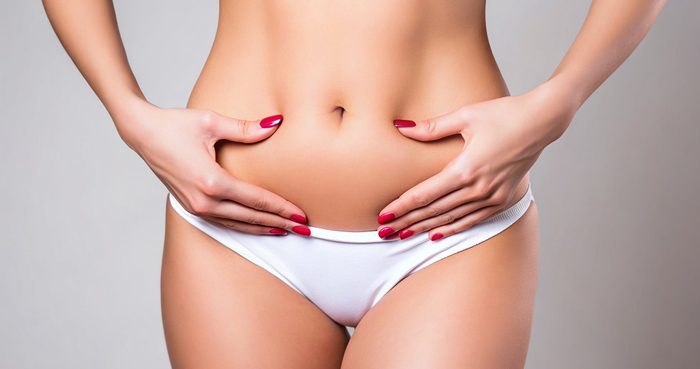
The term fupa is actually an acronym. It stands for “Fatty Upper Pubic Area.” Anatomically, this refers to the layer of adipose tissue (fat) that sits right above the pubic bone but below your belly button. Everyone has fat in this area to some degree. It serves a biological purpose, acting as a cushion for your reproductive organs and pubic bone.
However, when people talk about it, they are usually referring to a noticeable pouch or overhang of fat or loose skin. It is incredibly common in both men and women, though it is more frequently discussed in women’s health and fitness circles. It is important to know that having fat in this area is completely normal. Our bodies are designed to store energy, and for many people, the lower abdomen is a preferred storage unit.
Sometimes, this area becomes more prominent due to loose skin rather than just fat. This is especially true after significant weight loss or pregnancy. Understanding the difference between excess fat and loose skin is crucial because the methods to address them can be quite different. We will explore those differences later in this guide.
Why Do We Use Slang?
Medical terms can sometimes feel cold or intimidating. The term fupa originated as internet slang and has slowly made its way into everyday language. While some doctors might prefer terms like “mons pubis fat” or “abdominal panniculus,” the slang term has stuck because it is short and descriptive.
Using friendly, accessible language helps people talk about their bodies without feeling embarrassed. It turns a “medical issue” into a common, relatable topic. However, it is always good to know the medical context too, especially if you plan to talk to a doctor about it.
The Primary Causes of FUPA
Understanding why a fupa develops is the first step in deciding how to manage it. It is rarely caused by just one thing. Usually, it is a combination of lifestyle, biology, and life events. Let’s break down the most common reasons why fat accumulates in this specific area.
Genetics play a huge role
You can thank (or blame) your parents for this one. Genetics determine where your body naturally stores fat. Some people are “apple-shaped,” meaning they store fat in their midsection, while “pear-shaped” people store it in their hips and thighs. If your parents or grandparents carried weight in their lower abdomen, there is a strong chance you will too. You can’t change your DNA, but knowing this can help you set realistic expectations for your body.
Weight Gain and Obesity
This is the most straightforward cause. When we consume more calories than we burn, our bodies store the excess energy as fat. For many people, the lower belly is the first place fat goes and the last place it leaves. General weight gain leads to an increase in fat cells all over the body, including the upper pubic area.
Rapid Weight Loss
It sounds contradictory, right? But losing a lot of weight very quickly can sometimes make a fupa look more prominent. When you lose fat rapidly, your skin may not have enough time to shrink back and tighten up. This results in a pouch of loose skin that hangs over the pubic area. This is often referred to as a “pannus” in medical terms.
Pregnancy and Childbirth
Pregnancy is one of the most common causes for women. During pregnancy, the abdominal muscles stretch to accommodate the growing baby. The skin also stretches significantly. After childbirth, particularly after a C-section, many women are left with a combination of loose skin, separated abdominal muscles (diastasis recti), and residual fat deposits. The scar from a C-section can also create a “shelf” effect, making the area above it puff out.
Hormonal Changes
Hormones are powerful chemical messengers. As we age, our hormone levels shift. During menopause, for example, a drop in estrogen often causes fat storage to shift from the hips and thighs to the belly area. High levels of cortisol, the stress hormone, are also directly linked to abdominal fat storage.
Is It Fat or Is It Skin?
Before you start a new diet or exercise plan, you need to figure out what your fupa is made of. Is it mostly fat, or is it mostly loose skin? Knowing this distinction will save you a lot of time and frustration.
The Pinch Test
A simple way to tell is the “pinch test.” Stand up straight and pinch the area.
- If it feels thick and firm: It is likely subcutaneous fat (fat under the skin).
- If it feels thin and you can pull it away easily: It is likely loose skin.
Comparison Table: Fat vs. Skin
|
Feature |
Excess Fat |
Loose Skin |
|---|---|---|
|
Texture |
Firm, squishy, thick |
Thin, crepey, easy to pull |
|
Cause |
Calorie surplus, genetics |
Pregnancy, rapid weight loss, aging |
|
Solution |
Diet, cardio, strength training |
Collagen boosting, surgery, time |
|
Appearance |
Rounded bulge |
Hanging fold or wrinkles |
If you have a mix of both, which is very common, you will need a multi-faceted approach. You might need to lose body fat first, and then focus on skin tightening techniques.
Diet Strategies to Reduce FUPA
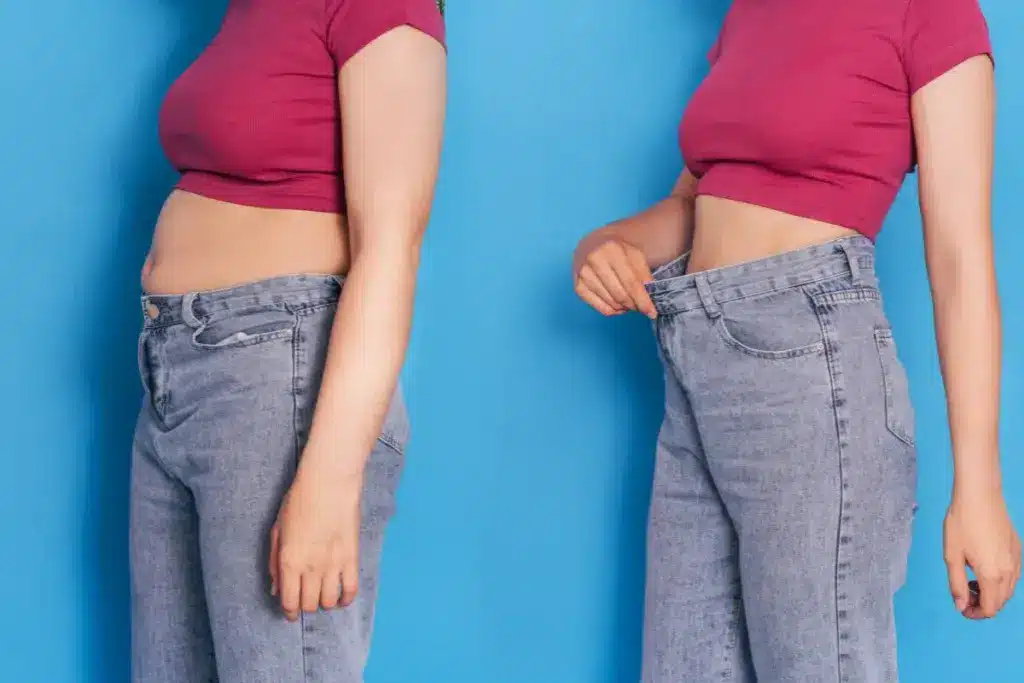
You have probably heard the saying, “Abs are made in the kitchen.” This is especially true when trying to reduce a fupa. You cannot “spot reduce” fat. This means doing hundreds of crunches won’t specifically burn the fat off your lower belly. To lose fat there, you have to lower your overall body fat percentage. Here are some effective nutritional strategies.
Calorie Deficit is Key
To lose fat, you must burn more calories than you consume. Use an online calculator to find your maintenance calories (the amount you need to stay the same weight) and subtract about 300-500 calories from that number. This creates a sustainable deficit that leads to weight loss without starving your body.
Focus on Whole Foods
Processed foods are often high in sugar, salt, and unhealthy fats—a triple threat for belly fat. High sodium causes bloating, which makes a fupa look larger. Sugar spikes your insulin, which encourages fat storage.
- Eat more: Lean proteins (chicken, fish, tofu), vegetables, fruits, whole grains, and healthy fats (avocado, nuts).
- Eat less: Sugary drinks, white bread, fried foods, and candy.
Hydration Helps
Drinking water is crucial. It helps flush out excess sodium, reducing bloating. It also aids in metabolism. Sometimes our bodies confuse thirst for hunger, leading to overeating. Aim for at least 8 glasses of water a day.
Watch the Alcohol
Alcohol is often called “empty calories” because it provides energy but no nutrients. Plus, when you drink alcohol, your body prioritizes breaking down the alcohol over burning fat. Beer and sugary cocktails are notorious for contributing to abdominal weight gain.
Best Exercises to Target the Lower Abs
While you can’t spot-reduce fat, you can strengthen the muscles underneath the fat. Building muscle in your lower core will help pull everything in tighter, improving the appearance of your fupa. Stronger abs also improve your posture, which instantly makes your stomach look flatter.
1. Leg Raises
This is a classic move for the lower abdominals.
- Lie flat on your back with your legs straight.
- Place your hands under your glutes for support.
- Keep your legs straight and lift them up until they are perpendicular to the floor.
- Slowly lower them back down without letting your heels touch the ground.
- Repeat for 3 sets of 15 reps.
2. Plank Variations
Planks are fantastic because they work the entire core, including the deep transverse abdominis muscle.
- Standard Plank: Hold a push-up position on your elbows. Keep your body in a straight line.
- Mountain Climbers: From a high plank position, drive your knees toward your chest one at a time, like you are running in place.
3. Bicycle Crunches
This exercise targets the obliques and the lower abs.
- Lie on your back with hands behind your head.
- Bring your knees up to a tabletop position.
- Extend your right leg while bringing your right elbow toward your left knee.
- Switch sides.
- Move slowly and with control.
4. Pelvic Tilts
This is a subtle but powerful move, especially for postpartum women.
- Lie on your back with knees bent and feet flat on the floor.
- Tighten your abdominal muscles and press your lower back into the floor.
- Hold for 5 seconds, then release.
- Repeat 20 times.
Cardio is Crucial
While strength training builds muscle, cardio burns the calories needed to shed the fat covering those muscles. High-Intensity Interval Training (HIIT) is very effective for burning fat in a short amount of time. Walking, running, swimming, and cycling are also great options.
Non-Surgical Treatments for FUPA
If diet and exercise aren’t giving you the results you want, or if you want to speed up the process, there are non-invasive medical treatments available. These are usually done in a dermatologist’s office or a med-spa. They are less risky than surgery but often require multiple sessions.
CoolSculpting (Cryolipolysis)
This is a popular fat-freezing treatment. A device is placed on the fupa area, cooling the fat cells to a temperature that destroys them. Over the next few weeks, your body naturally processes and eliminates the dead fat cells. It can reduce fat in the treated area by up to 20-25%.
Radiofrequency Treatments
Treatments like Vanquish or TruSculpt use heat to target fat cells. The heat destroys the fat cells while also stimulating collagen production, which can help tighten the skin. This is a good option if you have a mix of mild fat and loose skin.
Laser Lipolysis
This method uses laser energy to penetrate the skin and heat the fat cells until they break down. It is often marketed under names like SculpSure. It’s generally painless and has no downtime.
Surgical Options: When to Consider Them
For some people, especially those who have lost a massive amount of weight (100+ pounds) or have significant separation of abdominal muscles after pregnancy, non-surgical methods might not be enough. In these cases, surgery is the most effective way to remove a large fupa.
Liposuction
Liposuction involves sucking out excess fat through small incisions. It is best for people who have good skin elasticity but stubborn pockets of fat. It won’t help with loose skin; in fact, it can sometimes make loose skin look worse if the fat supporting it is removed.
Panniculectomy
This is a specific surgery designed to remove the “pannus,” or the hanging flap of skin and fat at the bottom of the abdomen. It is purely functional and doesn’t usually involve tightening the abdominal muscles. Insurance sometimes covers this if the hanging skin causes rashes or infections.
Tummy Tuck (Abdominoplasty)
This is the most comprehensive option. A tummy tuck removes excess fat and skin and tightens the abdominal muscles. It creates a flatter, firmer profile. However, it is a major surgery with a significant recovery time and a permanent scar.
Monsplasty
This is a lift specifically for the upper pubic area. It removes excess skin and fat from the mons pubis to reduce bulging and lift the area. It is often done in conjunction with a tummy tuck.
The Mental Aspect: Body Positivity and FUPA
It is impossible to write a complete guide about the fupa without addressing the emotional side of things. We live in a world that often promotes unrealistic beauty standards. Social media is full of filtered photos showing perfectly flat stomachs.
Here is the truth: A perfectly flat stomach is not the “default” human setting. Most people have curves, rolls, and bumps. The lower belly is a natural place for the body to protect vital organs.
Striving for a healthier body is a great goal. Wanting to feel comfortable in your clothes is valid. But hating your body because of a fupa is counterproductive. Stress releases cortisol, which—you guessed it—contributes to belly fat. So, being stressed about your belly can actually make it harder to lose.
Try to practice body neutrality. This means you don’t have to “love” every inch of yourself every day, but you can respect your body for what it does. It carries you, it allows you to move, and maybe it even grew a human being. That is pretty amazing.
Fashion Tips to Hide or Embrace a FUPA
While you are working on your fitness goals, you still want to look and feel good in your clothes right now. Here are some fashion hacks to help you feel more confident.
High-Waisted Everything
High-waisted jeans, leggings, and skirts are your best friends. They act like mild shapewear, smoothing out the silhouette and preventing the “muffin top” effect where the waistband cuts into your belly.
Peplum Tops
Peplum tops are fitted at the bust and flare out at the waist. The flare naturally hides the lower belly area while highlighting your waistline. It is a super flattering cut for almost all body types.
A-Line Dresses
Similar to peplum tops, A-line dresses are fitted at the top and widen toward the bottom. They skim over the hips and tummy, providing a breezy, comfortable fit that doesn’t cling to the fupa.
Proper Undergarments
Invest in good underwear. Avoid panties with tight, thin elastic bands that cut into your hips. Look for high-waisted briefs or seamless styles that smooth the area. Shapewear can also be a great tool for special occasions, giving you a sleek foundation for your outfit.
Drawing the Eye Upward
Use fashion to direct attention where you want it. Wear bright colors on top, statement necklaces, or interesting necklines. If the focus is on your face and upper body, the lower body becomes secondary.
Myths vs. Facts
There is a lot of misinformation out there. Let’s bust some common myths about the fupa.
Myth 1: You can sweat it out with plastic wrap.
Fact: Wrapping your stomach in plastic wrap or wearing a sweat belt might make you lose water weight temporarily, making you look slimmer for an hour or two. But it does not burn fat. It can also lead to dehydration and overheating.
Myth 2: Only overweight people have a FUPA.
Fact: Thin people can have one too! It can be caused by genetic bone structure, posture (anterior pelvic tilt), or a small pocket of stubborn fat that refuses to budge.
Myth 3: C-Section shelves go away on their own.
Fact: While swelling goes down after surgery, the scar tissue can tether the skin down, creating a permanent shelf. Massage and physical therapy can help, but it often requires specific treatment to flatten completely.
FUPA and Men
While we often talk about this in the context of women’s bodies, men deal with fupa issues too. For men, it is often related to general obesity or significant weight loss. In men, excess fat in the pubic area can sometimes make the penis appear smaller, which can cause significant self-esteem issues.
The advice for men is largely the same: a combination of calorie deficit, cardio, and core strengthening. Men often find that they lose visceral fat (fat around the organs) faster than subcutaneous fat (fat under the skin), so patience is key.
Postpartum FUPA: Special Considerations
For new moms, the fupa carries a lot of history. It represents the space where your baby grew. However, the post-baby body can be a shock.
- Diastasis Recti: Check for abdominal separation. If your abs have separated, standard crunches can actually make the “pooch” worse. You need specialized exercises to knit the muscles back together.
- Patience: It took 9 months to grow the baby; give your body at least that long to recover. Your uterus takes weeks to shrink back to its normal size.
- Breastfeeding: While breastfeeding burns calories, it also keeps certain hormones high that might encourage fat retention in some women. Everyone is different.
Frequently Asked Questions (FAQ)
Q: Can I get rid of a FUPA naturally?
A: Yes, in many cases, you can significantly reduce it naturally through a combination of a healthy diet (calorie deficit), regular cardio exercise, and core strengthening workouts. However, if the issue is primarily loose skin rather than fat, natural methods may have limited results.
Q: How long does it take to lose a FUPA?
A: It depends on your starting point and how consistent you are. Safe weight loss is about 1-2 pounds per week. You might start seeing changes in your waistline in 4-8 weeks, but significant reduction could take 6 months to a year.
Q: Does coolsculpting work for FUPA?
A: Yes, CoolSculpting is FDA-cleared for the abdominal area and can be effective for reducing small to moderate pockets of fat in the upper pubic area.
Q: Why does my FUPA hang?
A: Hanging is usually caused by loose skin and gravity. As we age, our skin loses collagen and elasticity. Weight loss deflates the fat cells, leaving the skin without support, causing it to droop.
Q: Is FUPA dangerous?
A: Generally, no. It is just subcutaneous fat. However, carrying a large amount of excess weight around the midsection (visceral fat) is linked to higher risks of heart disease and diabetes. If the skin fold is deep, it can trap moisture and cause fungal infections or rashes, which requires medical attention.
Q: Are there creams that remove FUPA?
A: No topical cream can burn fat or significantly tighten loose skin. Some creams might temporarily improve skin texture or hydration, making it look slightly better, but they cannot remove the fat cells underneath.
Conclusion
Dealing with a fupa is a journey that involves understanding your body’s unique biology. Whether it is caused by genetics, the miracle of childbirth, or lifestyle changes, it is a very common part of the human experience. There is no magic pill that will make it vanish overnight, but consistent effort in diet and exercise can make a huge difference.
Remember, your worth is not defined by the shape of your lower belly. You can work towards changing it while still loving the person in the mirror. Be patient with yourself. If you are struggling, don’t hesitate to consult with a doctor, a personal trainer, or a nutritionist who can give you personalized guidance.
For even more tips on lifestyle and tech that can help you manage your health journey, you might find interesting reads on websites like https://siliconvalleytime.co.uk/, which cover a variety of modern topics.
Ultimately, the goal is health and happiness. Whether you choose to sweat it out at the gym, opt for a cosmetic procedure, or simply buy a great pair of high-waisted jeans and embrace your curves, the choice is yours. For a deeper dive into the medical definitions and broader context, you can find a link from https://www.wikipedia.org/ related to this keyword “fupa” and add it to your reading list to see how medical professionals classify abdominal fat.



