







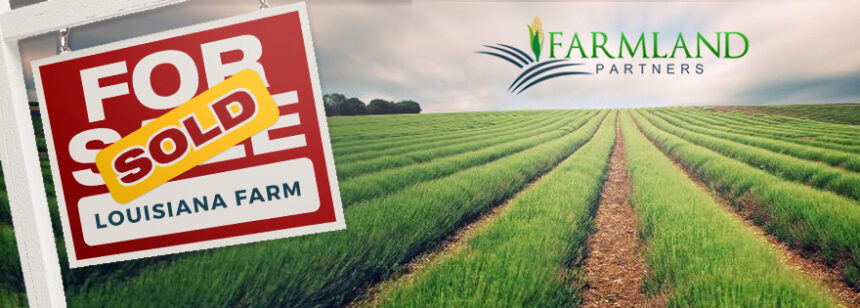

Investing can seem complex, with endless options ranging from stocks and bonds to real estate. But what about an asset class as old as civilization itself? We’re talking about farmland. For those intrigued by the idea of investing in the land that feeds us, Farmland Partners Inc presents a unique and compelling opportunity. This company opens the door for everyday investors to own a piece of American agriculture without needing to buy a tractor or a pair of work boots.
This comprehensive guide will explore everything you need to know about Farmland Partners Inc. We will delve into its business model, the types of properties it owns, the potential benefits and risks of investing, and how it stands out in the world of real estate investment trusts (REITs). Whether you’re a seasoned investor looking to diversify or a newcomer curious about agricultural assets, you’ll gain a clear understanding of what makes this company tick.
Key Takeaways
- What it is: Farmland Partners Inc is an internally managed real estate investment trust (REIT) that owns and seeks to acquire high-quality North American farmland.
- How it works: The company generates revenue primarily by leasing its farms to experienced local farmers, creating a steady income stream.
- Investment Appeal: It offers a way to invest in a tangible, essential asset (farmland) with the potential for both current income and long-term appreciation.
- Diversification: As an asset class, farmland often has a low correlation with traditional stocks and bonds, making it a valuable tool for portfolio diversification.
- Risks to Consider: Like any investment, it involves risks, including commodity price fluctuations, weather events, and changes in interest rates.
What Exactly Is Farmland Partners Inc?
At its core, Farmland Partners Inc (NYSE: FPI) is a specialized real estate company. But instead of owning office buildings, shopping malls, or apartment complexes like many other REITs, this one focuses exclusively on owning farmland. Founded in 2014, the company set out with a clear mission: to build a large, diversified portfolio of high-quality agricultural land across the United States. By doing so, it provides a straightforward way for the public to invest in this traditionally hard-to-access asset class. Think of it as being a landlord, but your tenants are professional farmers, and your properties are the fields that grow our food.
The company is structured as a Real Estate Investment Trust, or REIT. This is a crucial detail for investors. A REIT is a company that owns, operates, or finances income-producing real estate. To qualify as a REIT, a company must invest at least 75% of its total assets in real estate and derive at least 75% of its gross income from rents from real property or interest on mortgages financing real property. More importantly for shareholders, a REIT is required to distribute at least 90% of its taxable income to shareholders annually in the form of dividends. This structure makes Farmland Partners Inc an investment vehicle designed to generate a steady stream of income for its investors.
The Mission and Vision of the Company
The driving force behind Farmland Partners Inc is the belief in the long-term value of high-quality farmland. The company’s leadership understands that farmland is a finite resource. As the global population continues to grow, the demand for food, feed, fiber, and fuel will only increase. This fundamental supply-and-demand dynamic underpins the entire investment thesis. The company’s vision is to be the premier institutional owner of North American farmland, providing investors with a secure and profitable way to participate in the future of agriculture.
This vision is executed through a disciplined acquisition strategy. The team at Farmland Partners Inc doesn’t just buy any available plot of land. They focus on acquiring “high-quality” farms, which means properties with productive soils, sufficient water access, and located in prime agricultural regions. They also aim for diversification—not just geographically across different states, but also by crop type. This strategy helps mitigate risks associated with localized weather events or price drops for a single commodity. By carefully curating a portfolio of top-tier agricultural assets, the company aims to deliver stable, long-term returns for its shareholders.
The Business Model: How Farmland Partners Inc Generates Revenue
The business model of Farmland Partners Inc is refreshingly simple and transparent. It revolves around two primary activities: acquiring farmland and leasing it out. By purchasing agricultural properties and then renting them to farmers, the company creates a predictable revenue stream. This landlord-tenant relationship is the bedrock of its financial performance. The farmers, who are often experienced operators with deep local knowledge, handle the day-to-day agricultural work—planting, cultivating, and harvesting. In return, they pay rent to Farmland Partners Inc.
This model benefits both parties. The farmers gain access to premium farmland without the immense capital outlay required to purchase it themselves. This allows them to deploy their capital toward equipment, seeds, and other operational needs. For Farmland Partners Inc and its investors, the model provides income from rent payments. These lease agreements are structured in several ways, which allows the company to manage risk and participate in the upside of a good harvest. The simplicity of this acquire-and-lease strategy makes the company’s operations relatively easy for investors to understand.
Lease Structures and Income Streams
Farmland Partners Inc utilizes a variety of lease structures to optimize its income and manage risk. This flexibility allows the company to adapt to different regions, crop types, and farmer preferences.
- Fixed Cash Leases: This is the most straightforward type of lease. The farmer pays a fixed rental amount, typically in advance of the growing season. This provides Farmland Partners Inc with a highly predictable and stable income stream, as the rent is guaranteed regardless of the crop yield or commodity prices. The farmer assumes all the operational risk and reaps all the rewards of a bumper crop.
- Hybrid Leases (Flex Leases): These leases combine a fixed base rent with a variable component. The variable portion is often tied to the farm’s revenue or crop prices. For example, a lease might stipulate a base rent plus a percentage of the gross revenue above a certain threshold. This structure allows Farmland Partners Inc to share in the upside when crop prices are high, while the base rent provides a safety net during down years.
- Crop Share Leases: In a crop share arrangement, Farmland Partners Inc receives a predetermined percentage of the harvested crop as its rent. The company then sells its share of the crop on the open market. This directly exposes the company to the risks and rewards of crop yields and commodity price fluctuations. While less predictable than fixed cash leases, crop share agreements offer the highest potential return in years with strong yields and high prices.
By diversifying its lease types, Farmland Partners Inc creates a balanced portfolio of income streams, blending stability with the potential for higher returns.
Table: Comparison of Lease Structures
|
Lease Type |
Description |
Risk to FPI |
Income Predictability |
Potential Upside |
|---|---|---|---|---|
|
Fixed Cash |
Farmer pays a fixed rent amount per acre. |
Low |
High |
None |
|
Hybrid (Flex) |
A combination of a fixed base rent and a variable bonus. |
Moderate |
Moderate |
Moderate |
|
Crop Share |
FPI receives a percentage of the actual crop harvested. |
High |
Low |
High |
The Portfolio: A Deep Dive into FPI’s Assets
The strength of Farmland Partners Inc lies in the quality and diversity of its property portfolio. As of its latest reports, the company owns a significant acreage of farmland spread across numerous states in key agricultural regions of the United States. This geographic diversification is a deliberate strategy to minimize risk. A drought in one region or a pest problem affecting a specific area is less likely to have a catastrophic impact on the company’s overall performance because its assets are not concentrated in one place. The portfolio spans from the Corn Belt in the Midwest to specialty crop regions on the West Coast and row crop farms in the South.
This diversification extends beyond geography to crop type. The farms owned by Farmland Partners Inc produce a wide variety of agricultural commodities. This includes primary row crops like corn, soybeans, wheat, and rice, which are fundamental to the global food supply. Additionally, the portfolio includes farms that grow high-value specialty crops such as almonds, pistachios, citrus fruits, and vegetables. This mix of row crops and permanent crops provides a balanced risk profile. Row crops offer flexibility, as farmers can rotate what they plant each year based on market conditions, while permanent crops like nut trees represent a long-term, high-value investment.
Geographic Diversification Across the U.S.
The company’s strategy of spreading its investments across the nation is a cornerstone of its risk management approach. By not putting all its “acres in one basket,” Farmland Partners Inc insulates itself from localized agricultural challenges.
- The Corn Belt: A significant portion of the portfolio is located in states like Illinois, Iowa, and Nebraska. This region is the heart of U.S. corn and soybean production, known for its highly productive soils and reliable growing conditions.
- The Delta and Southeast: States such as Arkansas, Mississippi, and Louisiana are home to FPI-owned farms that primarily grow rice, cotton, and soybeans. These areas benefit from ample water and long growing seasons.
- The West Coast: In California, the company owns farms dedicated to permanent specialty crops. These include almonds, pistachios, and various fruits, which often command higher prices and provide strong, long-term revenue streams.
- The High Plains: Properties in states like Colorado and Kansas contribute to the portfolio’s holdings in wheat and corn, tapping into another major agricultural zone.
This coast-to-coast presence ensures that Farmland Partners Inc is not overly dependent on the economic or environmental health of any single region. For investors, this means a more stable and resilient investment.
Types of Crops Grown on FPI Properties
The variety of crops grown on the farms owned by Farmland Partners Inc is a key feature of its portfolio. This crop diversity helps stabilize revenues because the prices of different commodities do not always move in the same direction.
Row Crops
Row crops are the backbone of American agriculture and a major focus for Farmland Partners Inc. These are crops planted in rows, typically on an annual basis.
- Corn: The most widely produced feed grain in the United States, used for livestock feed, ethanol production, and human consumption.
- Soybeans: A versatile crop used for animal feed, soybean oil, and a variety of food products.
- Wheat: A staple food grain used to make flour for bread, pasta, and other baked goods.
- Rice and Cotton: Important commodities grown primarily in the Southern U.S.
Permanent and Specialty Crops
In addition to row crops, Farmland Partners Inc has made strategic investments in permanent crops, which are not replanted each year and require a long-term commitment.
- Nuts: The company has significant holdings in almond and pistachio orchards, primarily in California. These are high-value crops with strong global demand.
- Fruits and Vegetables: The portfolio also includes farms growing a variety of fruits like citrus and vegetables. These specialty crops can generate higher revenue per acre compared to row crops.
This balanced approach between staple row crops and high-value specialty crops provides both stability and growth potential for the company’s revenue.
Why Invest in Farmland? The Broader Appeal

Investing in farmland, either directly or through a vehicle like Farmland Partners Inc, holds a unique appeal that sets it apart from more traditional investments like stocks and bonds. At the most fundamental level, farmland is a real asset—a tangible piece of property that you can, in theory, walk on.
This provides a sense of security that is often missing from purely financial assets. Moreover, it’s an asset with an essential purpose: producing the food that sustains a growing global population. The world’s population is projected to approach 10 billion by 2050, increasing the demand for agricultural output. At the same time, the amount of available, high-quality farmland is finite and, in some areas, decreasing due to urbanization and land degradation. This classic economic scenario of rising demand and limited supply forms the core of the long-term investment thesis for farmland.
Historically, farmland has proven to be a resilient and appreciating asset. It has shown a consistent ability to generate positive returns over the long run, with a significant portion of that return coming from both annual cash income (rent) and capital appreciation (the land’s value increasing over time). As a leading publication like the Silicon Valley Time might report on emerging investment trends, the move towards tangible, inflation-hedging assets like farmland is becoming more prominent among savvy investors seeking to diversify their portfolios and protect their wealth against economic uncertainty.
Hedging Against Inflation
One of the most frequently cited benefits of investing in farmland is its power as an inflation hedge. When the general level of prices for goods and services is rising, the value of the dollar decreases. During such periods, tangible assets like real estate and commodities tend to perform well. Farmland is unique because it combines elements of both. The land itself is a real estate asset, while the crops it produces are commodities. When inflation rises, food prices often rise as well. This can lead to higher farm revenues and, consequently, higher rental income for landowners like Farmland Partners Inc.
Furthermore, the value of the land itself tends to keep pace with or exceed the rate of inflation over the long term. Unlike cash, which loses purchasing power during inflationary periods, farmland is a productive asset whose value is tied to its ability to produce essential goods. This intrinsic value helps it serve as a reliable store of wealth, preserving and growing capital even when other parts of the economy are struggling with rising prices. For investors concerned about the erosion of their wealth due to inflation, owning a stake in an asset like farmland can be a prudent strategic move.
Low Correlation with Traditional Assets
Portfolio diversification is a fundamental principle of sound investing. The goal is to combine different assets that do not all move in the same direction at the same time. This is where farmland truly shines. The returns from farmland have historically shown a very low correlation with the returns of the stock market and the bond market. The factors that drive the value of farmland—such as commodity prices, weather patterns, and agricultural policy—are largely independent of the factors that drive corporate profits or interest rates.
What does this mean for an investor? When the stock market is experiencing a downturn, your farmland investment may be holding steady or even increasing in value. This can help cushion your overall portfolio from volatility. For example, a global economic recession might severely impact the stock prices of technology or manufacturing companies, but people will still need to eat. The demand for food is relatively inelastic, providing a stable foundation for the agricultural sector. By adding an asset like Farmland Partners Inc to a portfolio of stocks and bonds, an investor can potentially reduce overall risk and achieve more consistent returns over time.
Risks and Considerations for FPI Investors
While the case for investing in Farmland Partners Inc is compelling, it is crucial for any potential investor to have a clear-eyed view of the associated risks. No investment is without its potential downsides, and farmland is no exception. The company’s performance is intrinsically linked to the broader agricultural economy, which is subject to a unique set of variables that can impact profitability. These risks range from macroeconomic factors like interest rates and commodity prices to agricultural-specific challenges like weather, crop diseases, and changes in government policy. Understanding these risks is the first step toward making an informed investment decision.
A primary risk is the fluctuation in commodity prices. The revenue generated by the company’s farms, especially from hybrid and crop share leases, is directly tied to the market prices of crops like corn, soybeans, and wheat. A sharp decline in these prices can reduce farm income, potentially impacting the rental payments Farmland Partners Inc receives. Similarly, rising interest rates can be a headwind. As a REIT that uses debt to finance some of its acquisitions, higher interest rates increase the company’s cost of borrowing. They can also make the dividend yield on FPI stock seem less attractive compared to lower-risk investments like government bonds, which could put downward pressure on the stock price.
Commodity Price Volatility
The agricultural markets are notoriously volatile. The prices of corn, soybeans, wheat, and other commodities can swing dramatically based on global supply and demand, weather forecasts, geopolitical events, and currency fluctuations. For Farmland Partners Inc, this volatility presents a significant risk, particularly with its leases that have a variable component. If crop prices fall unexpectedly, the revenue from its hybrid and crop share leases will decrease. This could lead to lower overall earnings for the company and potentially impact its ability to maintain or grow its dividend.
To mitigate this risk, the company relies on its diversification. By owning farms that produce a wide range of different crops, it is not overly exposed to the price of a single commodity. A drop in the price of corn might be offset by a rise in the price of almonds, for example. Additionally, a substantial portion of its leases are fixed cash-rent agreements, which provide a stable income base regardless of price swings. Nonetheless, investors should be aware that the company’s financial results will always be influenced, to some degree, by the unpredictable nature of commodity markets.
Agricultural and Environmental Risks
Beyond market prices, Farmland Partners Inc is exposed to the inherent risks of farming itself. Agriculture is deeply dependent on the weather. A severe drought, widespread flooding, an unexpected freeze, or a major hurricane can devastate crop yields in a particular region. While the company’s geographic diversification helps to lessen the impact of a localized weather event, a widespread, multi-region drought could still have a significant negative effect on its tenants’ ability to pay rent and on the revenue from crop share leases.
Other environmental risks include the potential for pest infestations and crop diseases. An outbreak could reduce yields and increase costs for farmers. There are also longer-term concerns related to climate change, which could alter growing seasons, impact water availability, and introduce new challenges for agricultural production. Farmland Partners Inc mitigates these risks by leasing to experienced, professional farm operators who use modern agricultural techniques to manage their crops effectively. However, these natural risks can never be completely eliminated and are a fundamental part of investing in the agricultural sector.
FPI’s Management and Strategic Direction
The success of any company, particularly one in a specialized niche like agricultural real estate, depends heavily on the quality and experience of its management team. Farmland Partners Inc is an internally managed REIT, which is an important distinction. This means the company’s own executives and employees, rather than an external advisory firm, make all the key operational and strategic decisions. This internal structure aligns the interests of management more closely with the interests of shareholders, as the team is directly responsible for the company’s performance. The leadership team at Farmland Partners Inc is composed of individuals with deep expertise in agriculture, real estate, and finance.
The company’s strategic direction is guided by a disciplined and long-term approach. The primary goal is to continue to grow its portfolio through accretive acquisitions of high-quality farmland. “Accretive” means that each new acquisition is expected to add to the company’s earnings per share. The management team has a rigorous due diligence process for evaluating potential properties, looking at factors like soil quality, water rights, location, and potential for appreciation. Beyond acquisitions, the company is also focused on proactive asset management—working to optimize the leases on its existing properties and exploring opportunities to enhance the value of its land, such as through improvements to drainage or irrigation systems.
How FPI Compares to Other REITs
When evaluating Farmland Partners Inc as an investment, it’s helpful to compare it to other types of Real Estate Investment Trusts. The REIT universe is vast and diverse, with companies specializing in everything from data centers and cell towers to shopping malls and self-storage facilities. FPI belongs to a very small and specialized sub-sector: farmland REITs. Its closest public competitor is Gladstone Land Corporation (NASDAQ: LAND). Both companies share the same basic business model of acquiring and leasing farmland, but there can be differences in their geographic focus, crop mix, and lease structures.
Compared to more common types of REITs, such as those that own office, retail, or industrial properties, Farmland Partners Inc offers a fundamentally different exposure. The value drivers for farmland are distinct from those for commercial real estate. Commercial property values are highly sensitive to economic cycles, job growth, and consumer spending habits.
A recession can lead to higher office vacancies and lower retail sales, hurting the income of those REITs. While not immune to economic conditions, the demand for farmland is underpinned by the non-negotiable need for food. This can make farmland a more defensive investment during economic downturns. However, it also means that FPI is exposed to a different set of risks, like weather and commodity prices, that office or industrial REITs do not face.
Conclusion: Is Farmland Partners Inc a Good Investment?
Investing in Farmland Partners Inc offers a unique proposition: a chance to own a piece of the foundational asset that feeds the world, all through a publicly-traded stock. The company provides a liquid and accessible way to gain exposure to the long-term appreciation and income potential of North American farmland. The investment thesis is built on solid, easy-to-understand fundamentals: a growing global population needs more food, and the supply of quality farmland is limited.
The company’s diversified portfolio of high-quality properties, spread across various regions and crop types, combined with its experienced management team, makes it a significant player in this niche market. The REIT structure, which mandates the distribution of most of its income as dividends, can also make it an attractive option for income-seeking investors.
However, the decision to invest is a personal one that requires a careful weighing of the potential rewards against the inherent risks. The volatility of commodity prices, the unpredictability of weather, and the influence of macroeconomic factors like interest rates are all real considerations that can impact the company’s performance.
An investment in Farmland Partners Inc is best viewed as a long-term holding, a way to add diversification and an inflation hedge to a broader investment portfolio. It is not a get-rich-quick scheme but rather a stake in a tangible, essential, and enduring asset class. As with any investment, prospective shareholders should conduct their own due diligence and consider how FPI fits within their individual financial goals and risk tolerance. For more information on Real Estate Investment Trusts, you can consult resources like the relevant page on Wikipedia.
Frequently Asked Questions (FAQ)
1. What is a REIT?
A Real Estate Investment Trust (REIT) is a company that owns, and in most cases operates, income-producing real estate. REITs provide a way for individual investors to earn dividends from real estate investments without having to buy, manage, or finance any properties themselves. Farmland Partners Inc is a specialized REIT focused on farmland.
2. How does Farmland Partners Inc make money?
The company’s primary source of revenue is rent collected from farmers who lease its land. These leases can be fixed cash payments, crop share agreements where FPI receives a percentage of the harvest, or hybrid leases that combine a fixed base rent with a variable bonus.
3. Is investing in Farmland Partners Inc risky?
Yes, like all investments, it carries risks. The main risks include volatility in crop prices, adverse weather conditions (like drought or floods) that can impact harvests, changes in government agricultural policies, and fluctuations in interest rates. The company’s diversification strategy helps to mitigate some of these risks.
4. Can I buy farmland directly instead of investing in FPI?
Yes, you can buy farmland directly, but it is a much more difficult and capital-intensive process. It requires significant expertise to evaluate properties, substantial capital for the purchase, and the ability to manage the property and find reliable tenants. Farmland Partners Inc offers a much more accessible and liquid way to invest in a diversified portfolio of farmland.
5. How is FPI’s dividend determined?
As a REIT, Farmland Partners Inc is required by law to distribute at least 90% of its taxable income to shareholders in the form of dividends. The amount of the dividend is determined by the company’s Board of Directors based on its financial performance, income, and outlook for the future.
6. Does Farmland Partners Inc farm the land itself?
No, the company does not typically engage in farming operations directly. Its business model is to act as a landlord. It leases its properties to experienced, professional third-party farmers who are responsible for all aspects of planting, growing, and harvesting the crops.



