



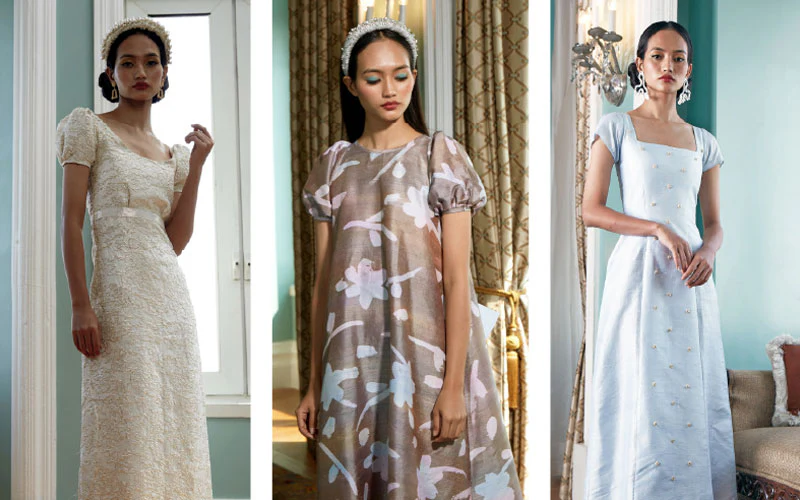

Step back in time to an era of elegance, romance, and dramatic social change. The Regency period in England, roughly spanning from 1811 to 1820, was more than just a political transition; it was a cultural phenomenon. Central to this vibrant time was a complete transformation in clothing. The opulent, restrictive styles of the 18th century gave way to a new, graceful silhouette inspired by classical ideals. This guide will take you on a journey through the fascinating world of fashion in Regency England, exploring everything from the iconic empire-waist gowns to the dashing attire of the gentlemen.
We will explore the key influences, the essential garments for both women and men, the role of accessories, and how social status was reflected in what people wore. Get ready to discover the fabrics, colors, and etiquette that defined one of history’s most stylish decades.
Key Takeaways
- Classical Influence: The biggest driver of Regency fashion was Neoclassicism, a movement that looked back to the art and ideals of ancient Greece and Rome, favoring simple, flowing lines.
- The Empire Silhouette: Women’s fashion was defined by the high-waisted empire silhouette, which featured a slim, columnar skirt that fell from just below the bust. This was a radical departure from the wide hoops and corsets of the previous century.
- Dandyism and Men’s Fashion: Men’s clothing became more tailored and refined, thanks to figures like Beau Brummell. The focus shifted from elaborate fabrics to the perfection of cut and fit, laying the groundwork for the modern men’s suit.
- Social Signifiers: Clothing was a powerful indicator of class and wealth. The quality of fabric, the whiteness of one’s linen, and the appropriateness of an outfit for a specific time of day were all crucial social signals.
The Dawn of a New Era: From Rococo to Regency
Before the Regency, fashion was dominated by the French court’s Rococo style. Think wide panniers (hoop skirts), heavy silk brocades, powdered wigs, and restrictive corsetry for women. Men’s fashion was equally ornate, featuring embroidered coats, knee breeches, and stockings. The French Revolution in 1789 brought a dramatic end to this extravagance, and with it, a new philosophy of dress began to emerge across Europe.
This new style, inspired by the democratic ideals and artistic forms of ancient Greece and Rome, was known as Neoclassicism. It championed simplicity, naturalism, and freedom of movement. This shift perfectly set the stage for the distinct fashion in Regency England. The heavy, structured garments were replaced with lightweight, flowing fabrics that draped the body, celebrating the natural form rather than concealing it. This wasn’t just a change in clothing; it was a change in how people, especially women, viewed their place in the world.
Women’s Fashion: The Reign of the Empire Silhouette
The defining feature of women’s fashion in Regency England was the empire waistline. This style, where the waist of a dress is raised to just below the bust, created a long, lean, and vertical silhouette. It was a look that was both elegant and, compared to previous eras, incredibly comfortable.
The Iconic Regency Gown
The typical daytime dress was called a “morning dress.” It was usually made from simple, practical fabrics like muslin, cotton, or cambric. These gowns were relatively high-necked and often had long sleeves. They were designed for domestic duties and informal visits. As the day progressed, the attire changed. For the afternoon, a “walking dress” or “promenade dress” might be worn, often paired with a spencer jacket or a shawl for warmth.
Evening gowns were the pinnacle of Regency style. They featured lower necklines, short puffed sleeves, and were crafted from finer materials like silk, satin, or fine embroidered muslin. Embellishments such as lace, ribbons, and delicate embroidery were common. The goal was to appear ethereal and graceful, like a classical statue brought to life. The lightweight nature of these fabrics also meant that staying warm was a constant challenge, making shawls and cloaks essential accessories.
Undergarments: The Foundation of the Look
While the restrictive corsets of the Georgian era were gone, women still wore foundational garments to achieve the desired silhouette. Instead of tight-lacing the waist, a short-stay corset was used. This garment was less rigid, ending just below the bust to provide support and lift, which was crucial for the high-waisted style.
Beneath the dress, a woman would wear a “chemise,” a simple, straight linen or cotton slip that protected the outer gown from body oils. This was the primary undergarment. Petticoats were also worn, though they were much lighter and narrower than in previous decades. Sometimes, a single petticoat was enough to help the dress hang correctly without adding bulk. The focus was on creating a smooth, uninterrupted line from bust to hem.
Men’s Fashion: The Rise of the Dandy
While women’s fashion underwent a dramatic softening, men’s fashion became sharper and more tailored. The fop of the 18th century, with his powdered wig and lace cuffs, was replaced by the “dandy.” This new ideal of masculinity prioritized understated elegance, impeccable cleanliness, and a perfect fit above all else.
Beau Brummell: The Original Influencer
No discussion of men’s fashion in Regency England is complete without mentioning George “Beau” Brummell. A close friend of the Prince Regent (the future King George IV), Brummell was the ultimate arbiter of style. He championed a look that was masculine, athletic, and refined. He rejected colorful silks and extravagant embroidery in favor of dark, expertly tailored woolen coats.
Brummell’s “uniform” consisted of a dark blue or black tailcoat, a pristine white linen shirt with a starched cravat, buckskin breeches, and highly polished Hessian boots. He was famous for his fastidious grooming routines, reportedly spending hours perfecting the knot of his cravat. His influence was so profound that he is often credited with inventing the modern men’s suit and establishing a new standard for masculine elegance that endures to this day.
Essential Garments for the Regency Gentleman
A gentleman’s wardrobe was built around several key pieces. The foundation was the shirt, always made of white linen, as the brightness of the white was a sign of wealth and cleanliness. Over this was worn a waistcoat, which could be single or double-breasted and offered a splash of color or pattern.
For the lower half, breeches were the standard. These tight-fitting garments ended just below the knee and were worn with stockings. By the end of the period, however, full-length trousers (or “pantaloons”) began to gain popularity, especially for informal daywear. The tailcoat was the essential piece of outerwear, cut high at the front to reveal the waistcoat and tapering to two “tails” at the back. Different coats were worn for different occasions, from the formal dress coat to the more rugged riding coat.
The Role of Fabrics and Colors
The choice of fabric was crucial in Regency fashion, often saying as much about a person’s wealth as the cut of their clothes. The Industrial Revolution was beginning to make certain textiles more accessible, but high-quality materials remained a mark of the upper class.
For women, fine white muslin imported from India was the most coveted fabric. Its lightweight, semi-sheer quality was perfect for achieving the Grecian look. Cotton, cambric, and lawn were also popular choices for day dresses. For colder weather and more formal occasions, heavier fabrics like silk, satin, and velvet were used.
Men’s clothing favored wool, especially for coats, as it could be tailored to perfection. Linen was non-negotiable for shirts and cravats. Breeches were often made of durable buckskin or buff-colored cloth. While men’s coats were typically dark (black, dark blue, green, or brown), waistcoats provided an opportunity for personal expression through brighter colors and patterns.
|
Garment |
Common Fabrics for Women |
Common Fabrics for Men |
|---|---|---|
|
Day Dress/Coat |
Muslin, Cotton, Cambric, Wool |
Wool, Corduroy |
|
Evening Wear |
Silk, Satin, Fine Muslin, Lace |
Fine Wool, Silk (waistcoat) |
|
Undergarments |
Linen, Cotton |
Linen (shirt) |
|
Trousers/Breeches |
N/A |
Buckskin, Wool, Nankeen |
Accessorizing the Regency Look
Accessories were not just decorative; they were essential components of an outfit that completed the look and served practical purposes. For women, the right accessories were vital for adding personality and color to the often-pale dresses.
For the Ladies
- Shawls and Wraps: Cashmere and paisley shawls, imported from India, were extremely fashionable. They added a layer of warmth and a splash of exotic color and pattern to the simple white gowns.
- Gloves: A respectable lady never went out without gloves. Long white kid leather gloves were worn for the evening, while shorter, colored gloves were suitable for daytime.
- Hats and Bonnets: Elaborate bonnets with wide brims framed the face and protected the complexion from the sun. For evening, headdresses often consisted of feathers, jewels, or turbans, the latter reflecting a fascination with the “Orient.”
- Reticules: Since the slim dresses had no pockets, women carried small, decorative purses called reticules. These held essentials like a handkerchief or a coin purse.
For the Gentlemen
- The Cravat: This was the most important male accessory. It was a large square or strip of white linen or muslin, meticulously folded and tied around the neck. There were dozens of ways to tie a cravat, each with its own name and level of formality.
- Hats: A top hat was the standard headwear for a gentleman. It was tall and typically made of beaver felt.
- Walking Sticks: A fashionable man was often seen carrying a cane or walking stick, which served as both a practical aid and a stylish accessory.
- Fobs and Seals: A watch, tucked into a small pocket in the breeches or waistcoat, was often attached to a chain with decorative fobs and seals hanging down.
Hairstyles and Cosmetics
The naturalism of Regency fashion extended to hair and makeup. The heavily powdered wigs of the 18th century were completely abandoned. Instead, hairstyles were inspired by classical antiquity.
Women often wore their hair parted in the center and swept up into a bun or knot at the back of the head, with soft curls framing the face. This style, known as the “à la Titus” or “à la Grecque,” was elegant and simple. Ribbons, combs, and small jewels could be woven into the hair for evening occasions.
Men also adopted a more natural look. Hair was cut short and often styled in a deliberately tousled manner, a look popularized by Beau Brummell and known as the “coup de vent” (gust of wind). Sideburns were fashionable, but faces were generally clean-shaven.
Cosmetics were used sparingly. A pale complexion was highly desired by the upper classes as it signified that one did not have to labor outdoors. Women used powders to achieve this look, but heavy rouge and painted-on beauty marks were considered vulgar and outdated. A subtle touch of color on the cheeks and lips was the most that a respectable lady would wear.
Fashion for Different Occasions
In the world of fashion in Regency England, what you wore was dictated by the time of day and the activity. Dressing inappropriately was a major social faux pas. A lady of means would change her outfit multiple times a day.
- Morning Dress: Worn at home until midday. It was the most informal outfit, practical and high-necked.
- Promenade or Walking Dress: Worn for walks, shopping, or paying social calls in the afternoon. It was more stylish than morning wear and always worn with a bonnet and gloves.
- Carriage Dress: A more elaborate outfit for riding in a carriage, often featuring richer fabrics and more trimming.
- Dinner Dress: Worn for dining, whether at home or as a guest. It was a formal gown but might be slightly less decorative than a full ball gown.
- Evening or Ball Gown: The most formal attire, featuring a low neckline, short sleeves, and made from the finest fabrics. Worn with long gloves and elegant hairstyles.
This strict dress code reinforced social structures and provided a visual language that everyone understood. It was a system that governed daily life, not unlike the way modern technology trends are discussed today on platforms like https://siliconvalleytime.co.uk/, where new rules and etiquette emerge constantly.
Children’s Fashion in the Regency Era
Children’s clothing also experienced a liberation during this period. For centuries, children had been dressed as miniature adults in restrictive, formal clothing. The Regency era, influenced by the philosophical ideas of Jean-Jacques Rousseau about the freedom of childhood, introduced a new style of dress.
Both young boys and girls wore simple, comfortable muslin or cotton frocks that allowed them to run and play. Boys wore these dresses until they were “breeched” around the age of six or seven, a significant rite of passage where they received their first pair of trousers. Girls continued to wear simplified versions of adult women’s fashions, with hemlines rising to show their ankles. This more practical approach to children’s wear was a revolutionary concept that prioritized comfort and movement.
Conclusion: A Legacy of Elegance
The fashion in Regency England represents a pivotal moment in the history of dress. It was a brief but brilliant period that broke away from centuries of structured formality and embraced a new ideal of natural elegance and personal refinement. For women, it was a move toward physical freedom with the empire silhouette, while for men, it was the birth of modern tailoring and understated sophistication, thanks to dandies like Beau Brummell.
This era left a lasting legacy, influencing fashion for generations to come. The principles of a good fit, clean lines, and dressing appropriately for the occasion are still relevant today. The romantic, classical styles of the Regency continue to capture our imagination, appearing in countless films, books, and even on modern fashion runways. It was an age when clothing became a powerful expression of a new, modern identity, blending art, philosophy, and personal style in a way that remains truly timeless. For those interested in a deeper historical dive into this period, the Wikipedia article on the Regency era provides extensive context on the political and cultural landscape that shaped these styles.
Frequently Asked Questions (FAQ)
1. What is the most famous dress style from the Regency period?
The most famous and defining style is the empire-waist dress. It features a very high waistline located just under the bust, with a long, slim, and flowing skirt. This silhouette was inspired by the clothing of ancient Greece and Rome.
2. Why did people wear white so often in the Regency era?
White was a symbol of wealth and high social status. White fabrics, especially fine muslin and linen, were difficult to keep clean. Wearing pristine white demonstrated that you were a person of leisure who did not perform manual labor and could afford extensive laundering services.
3. Who was Beau Brummell and why was he important?
George “Beau” Brummell was the leading figure in men’s fashion in Regency England. He was a style icon who rejected the ornate fashions of the 18th century in favor of understated, perfectly tailored clothing. He is credited with popularizing dark suits, starched cravats, and daily bathing, effectively inventing the modern concept of masculine elegance.
4. What did women wear under their Regency dresses?
Underneath their gowns, women wore a simple linen slip called a chemise and short stays (a type of corset) that supported the bust rather than constricting the waist. They also wore one or more lightweight petticoats to help the dress hang properly.
5. How did men’s fashion change during the Regency period?
Men’s fashion shifted from the colorful, embroidered styles of the 1700s to a more sober and tailored look. The focus moved from the richness of the fabric to the perfection of the cut and fit. This led to the development of the modern suit, with the tailcoat, waistcoat, and trousers (or breeches) becoming the new standard for a gentleman.