



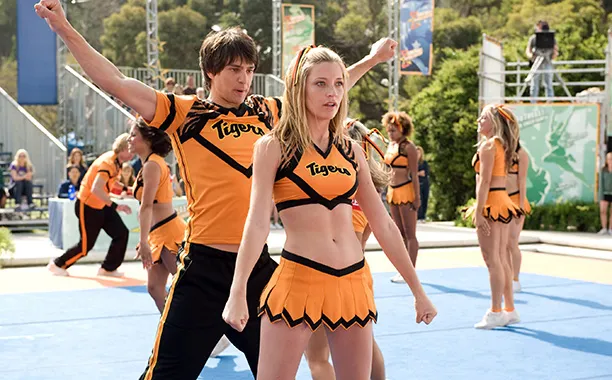

Cheerleaders have been a staple of cinema for decades. They bring energy, spirit, and often a lot of drama to the big screen. From comedy to horror, these athletes have been portrayed in countless ways, capturing our imaginations and becoming pop culture icons. This guide will explore the diverse world of films with cheerleaders, examining how they have evolved from simple sideline characters to complex, leading figures. We’ll dive into different genres, iconic movies, and the cultural impact of these spirited films.
Key Takeaways
- Genre Diversity: Films with cheerleaders are not limited to one genre. They span comedy, horror, teen romance, and even action, showcasing their versatility in storytelling.
- Character Evolution: Early portrayals often depicted cheerleaders as one-dimensional popular girls. Modern films, however, present them as intelligent, ambitious, and multi-faceted individuals.
- Cultural Impact: These films often reflect and shape cultural trends, from fashion and language to discussions about high school social structures and female empowerment.
- Iconic Movies: Certain films, like Bring It On and But I’m a Cheerleader, have become cultural touchstones, defining the subgenre for generations of viewers.
The Evolution of Cheerleaders in Cinema
The portrayal of cheerleaders on screen has changed dramatically over time. In the early days of cinema, they were often background characters, simply there to add atmosphere to high school football games. They represented school spirit and a certain ideal of American youth but rarely had significant speaking roles or character arcs.
As teen movies grew in popularity, cheerleaders stepped more into the spotlight. Initially, they were often cast as antagonists—the popular, mean girls who stood in the way of the protagonist’s happiness. This trope was common in many 1980s and 1990s films. However, as storytelling became more nuanced, so did these characters. Writers and directors began to explore what lay beneath the uniform, creating more complex and relatable figures. The late 90s and early 2000s marked a significant shift, with films with cheerleaders starting to position them as the heroes of their own stories.
From Sideline to Center Stage
This transition from sideline decoration to main character was crucial. It allowed audiences to see the hard work, dedication, and athleticism involved in cheerleading. Instead of just being symbols of popularity, they became athletes, leaders, and individuals with their own dreams and struggles. This shift challenged stereotypes and provided a platform for telling stories about teamwork, competition, and friendship from a new perspective. Modern films continue this trend, offering even more diverse and empowering representations.
Genre Spotlight: Cheerleader Comedies
When you think of films with cheerleaders, comedy is likely the first genre that comes to mind. These movies use the high-stakes world of competitive cheerleading and the pressures of high school social hierarchies to create hilarious situations. They often feature witty dialogue, slapstick humor, and heartwarming messages about being true to yourself.
Bring It On (2000): The Gold Standard
It’s impossible to discuss cheerleader comedies without mentioning Bring It On. This film is widely considered the quintessential movie in the subgenre. It tells the story of the Toros, a champion high school cheer squad led by Torrance Shipman (Kirsten Dunst), who discovers their winning routines were stolen from an inner-city squad, the Clovers.
The movie is celebrated for its sharp writing, memorable characters, and iconic cheer sequences. More importantly, it tackles themes of privilege, cultural appropriation, and integrity with a light touch. It humanized its cheerleader characters, showing them as dedicated athletes facing real ethical dilemmas. Bring It On was a massive success, spawning a series of sequels and solidifying its place as a pop culture phenomenon. It set a new standard for films with cheerleaders, proving they could be both funny and smart.
Other Notable Comedies
While Bring It On is the most famous, many other comedies have successfully featured cheerleaders. Movies like Sugar & Spice (2001) took a darker comedic turn, with a group of cheerleaders turning to robbery. More recently, Fired Up! (2009) played with the genre’s tropes by having two football players join a cheer camp. These films demonstrate the flexibility of the cheerleader comedy, using the setting to explore different humorous concepts.
When Spirit Turns Sinister: Cheerleaders in Horror
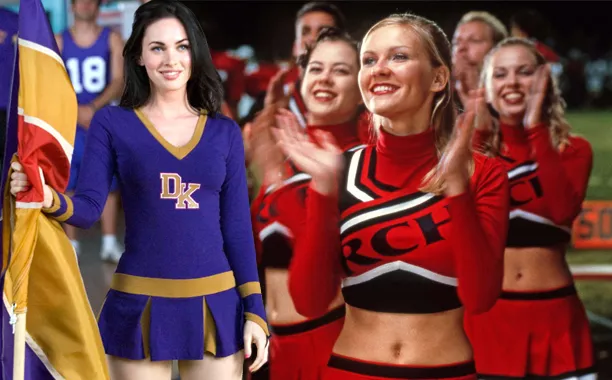
Beyond the peppy routines and comedic antics lies a darker side of cheerleading in cinema. The horror genre has frequently used the cheerleader archetype to create suspense and terror. The juxtaposition of the seemingly perfect, popular cheerleader with terrifying situations creates a powerful contrast that filmmakers love to exploit.
In these films, the cheer squad’s unity can become a source of vulnerability, as they are often targeted as a group. The classic “final girl” trope is sometimes subverted or played straight, with a cheerleader having to fight for survival against a masked killer, a supernatural force, or even a possessed teammate. These films with cheerleaders tap into fears about social conformity, jealousy, and the darkness that can hide behind a smiling facade. The uniform, a symbol of spirit and pride, can become a target, making these characters instantly recognizable victims or unlikely heroines.
Jennifer’s Body (2009)
A prime example of the cheerleader horror subgenre is Jennifer’s Body. Written by Diablo Cody, the film stars Megan Fox as Jennifer Check, a high school cheerleader who becomes possessed by a demon after a satanic ritual goes wrong. She begins preying on her male classmates, and it’s up to her nerdy best friend, Needy (Amanda Seyfried), to stop her.
Jennifer’s Body uses the cheerleader trope to explore themes of female friendship, teen sexuality, and trauma. Jennifer’s transformation from a popular girl into a literal monster is a dark and twisted take on the pressures young women face. Though initially misunderstood upon its release, the film has since been reclaimed as a feminist horror classic. It’s a powerful example of how films with cheerleaders can be used to tell complex and unsettling stories.
Exploring Subversive Narratives
Films like Tragedy Girls (2017) and The Babysitter (2017) have also put their own spin on the cheerleader horror trope. Tragedy Girls features two death-obsessed high schoolers who use a local murder spree to boost their social media following, with one of the protagonists being a cheerleader. The Babysitter includes a cheerleader as part of a satanic cult. These movies subvert expectations by making the cheerleaders the villains or active participants in the horror, rather than just victims.
Beyond Stereotypes: Deconstructing the Cheerleader Trope
For a long time, the “cheerleader” in movies was more of a stereotype than a character. She was either the head cheerleader—blonde, popular, and often mean—or a ditzy follower. This one-dimensional portrayal served as a convenient shorthand for the high school social elite. However, many films have worked to break down this trope, offering more nuanced and realistic depictions.
These movies challenge the idea that a person can be defined by their extracurricular activities. They present cheerleaders who are also studious, artistic, rebellious, or insecure. By giving these characters depth, filmmakers create more relatable and engaging stories. This evolution is important, as it reflects a broader cultural shift towards rejecting simplistic labels and embracing individuality. Modern storytelling, which you can read more about at platforms like https://siliconvalleytime.co.uk/, often focuses on these more complex character studies.
But I’m a Cheerleader (1999)
Perhaps no film deconstructs the cheerleader stereotype more effectively than But I’m a Cheerleader. This cult classic is a satirical teen comedy about Megan Bloomfield (Natasha Lyonne), a naive high school cheerleader whose parents suspect she is a lesbian. They send her to a conversion therapy camp called “True Directions” to “cure” her.
The film uses the bright, bubbly aesthetic of cheerleading to satirize gender roles and heteronormativity. Megan’s identity as a cheerleader is central to the film’s premise; she’s an all-American girl who loves her squad and her boyfriend, yet she doesn’t fit into the narrow box society has created for her. The movie is a smart, funny, and ultimately heartwarming story about self-acceptance. It remains one of the most beloved and important LGBTQ+ films with cheerleaders ever made.
A Look at Competitive Cheerleading in Documentaries
While fictional films offer entertaining narratives, documentaries provide a real-world look into the intense world of competitive cheerleading. These films highlight the incredible athleticism, grueling training schedules, and high-stakes pressure that elite cheerleaders face. They move beyond the high school football game and delve into the world of All-Star cheer, where teams compete on a national and even global stage.
Documentaries like Cheer (the Netflix series) and the films that preceded it have been instrumental in changing public perception of cheerleading. They showcase the participants as elite athletes performing dangerous stunts that require immense strength, precision, and trust. These nonfiction films with cheerleaders have brought much-deserved respect to the sport.
|
Film/Series Title |
Focus Area |
Key Themes |
|---|---|---|
|
Cheer (Netflix Series) |
Navarro College Competitive Cheer Team |
Grit, Injury, Teamwork, Personal Sacrifice |
|
Twisters: A Cheerleading Story |
An All-Star team’s journey to nationals |
Dedication, Youth Sports, Family Support |
|
American Cheerleader |
Two high school teams vying for a title |
Rivalry, Leadership, High School Pressure |
Iconic Cheerleader Characters Who Broke the Mold
Certain characters have become so iconic that they transcend their individual films. They represent a turning point in how cheerleaders are portrayed and have left a lasting impact on pop culture.
- Buffy Summers (Buffy the Vampire Slayer, 1992 Film): Before she was a TV icon, Buffy was a high school cheerleader who discovered it was her destiny to hunt vampires. The original film established the core concept of a seemingly superficial “valley girl” who is actually a powerful, chosen warrior. She subverted the “damsel in distress” trope, proving that a cheerleader could be the hero.
- Torrance Shipman (Bring It On, 2000): As mentioned, Torrance is the quintessential movie cheerleader. She is a leader who is passionate, flawed, and ultimately driven by a strong moral compass. Her journey from ignorance to accountability made her a relatable and admirable protagonist.
- Megan Bloomfield (But I’m a Cheerleader, 1999): Megan’s journey of self-discovery while proudly clinging to her cheerleader identity challenged stereotypes about both cheerleaders and the LGBTQ+ community. She demonstrated that you don’t have to give up one part of yourself to embrace another.
These characters are significant because they were not defined solely by their cheerleading. They were complex individuals whose role as a cheerleader was just one facet of their identity, making them some of the most memorable figures in the history of films with cheerleaders.
Conclusion: The Enduring Appeal of Cheerleader Films
From spirited comedies to terrifying horror flicks, films with cheerleaders have proven to be a remarkably versatile and enduring subgenre. They have evolved from featuring one-note stereotypes to presenting complex, strong, and diverse characters who lead their own stories. These films often serve as a microcosm of the high school experience, exploring themes of friendship, identity, competition, and belonging. Whether they are making us laugh, scream, or think, the cheerleader on screen continues to be a captivating figure. The rich history and cultural impact of these movies are a testament to their lasting appeal, a topic well-documented across various media and encyclopedic resources like Wikipedia’s page on cheerleading in popular culture.
Frequently Asked Questions (FAQ)
Q1: What is the most famous film with cheerleaders?
A1: Bring It On (2000) is widely regarded as the most famous and influential film in the genre. Its blend of comedy, drama, and spectacular cheer sequences set a benchmark for all subsequent cheerleader movies.
Q2: Are there films that show the athletic side of cheerleading?
A2: Yes, absolutely. While many comedies and dramas feature cheerleading, documentaries like the Netflix series Cheer and films like American Cheerleader focus specifically on the intense training and athleticism required for competitive cheerleading.
Q3: Why are cheerleaders so common in horror movies?
A3: The cheerleader archetype provides a strong contrast for horror elements. The image of an energetic, popular, and seemingly perfect student is juxtaposed with terrifying and violent situations. This creates an effective sense of unease and subverts audience expectations.
Q4: Have portrayals of cheerleaders in films become more positive?
A4: Yes, there has been a significant shift. While earlier films often used cheerleaders as mean-girl antagonists, many modern films with cheerleaders portray them as protagonists who are intelligent, driven, and multi-faceted. Films like But I’m a Cheerleader and Bring It On were instrumental in this change.
Q5: Are there any cheerleader movies that are not about high school?
A5: While most are set in high school, some are not. The documentary series Cheer focuses on a junior college team. Additionally, films like Poms (2019) feature a cheer squad formed by women in a retirement community, showing that spirit has no age limit.